
Are Sony mirrorless cameras good?
Sony mirrorless cameras are among the strongest choices for autofocus, sensor variety, and lens selection. E-mount covers compact APS-C, general-purpose full frame, high-resolution, video-focused, and professional stacked-sensor bodies, with extensive Sony and third-party lenses.
Recent models track people, animals, birds, and vehicles with little focus-point management. Alpha 7R emphasizes resolution, Alpha 7S and ZV-E/FX video, Alpha 9 speed, and Alpha 1 both resolution and fast readout. Older bodies have weaker menus and autofocus, some compact models omit stabilization, and non-stacked sensors can show rolling shutter, so check the exact generation, video crop, card requirements, and handling.
What are the main Sony mirrorless camera series?
The main Sony mirrorless camera series and models are as follows:
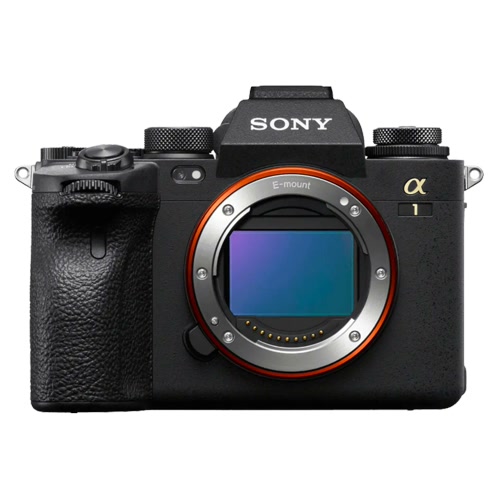
- Alpha 1 series: Alpha 1 bodies are Sony's flagship all-round professional cameras, combining high-resolution full-frame sensors with stacked-sensor speed, advanced tracking, and demanding stills/video modes. They suit photographers who need one body for major sport, wildlife, news, and high-end hybrid work, but their price and fast-card requirements are excessive for most enthusiasts.
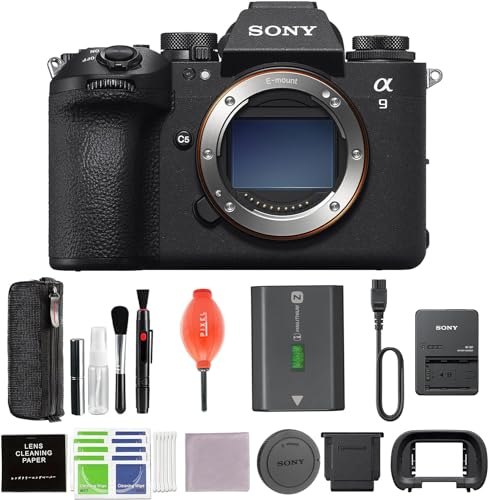
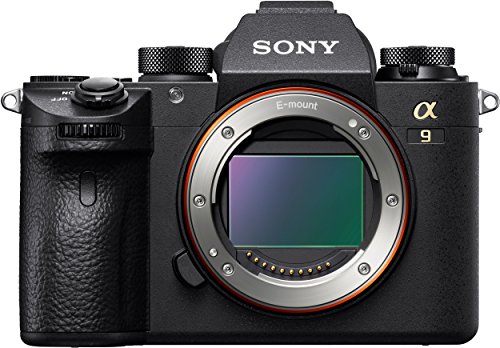
- Alpha 9 series: Alpha 9 cameras prioritize professional action, press, and event photography, using stacked or global-shutter sensor designs to reduce blackout and electronic-shutter distortion. The Alpha 9 III is built around extreme speed and distortion control, while earlier Alpha 9 generations remain capable but differ in subject recognition, menus, networking, and video features.
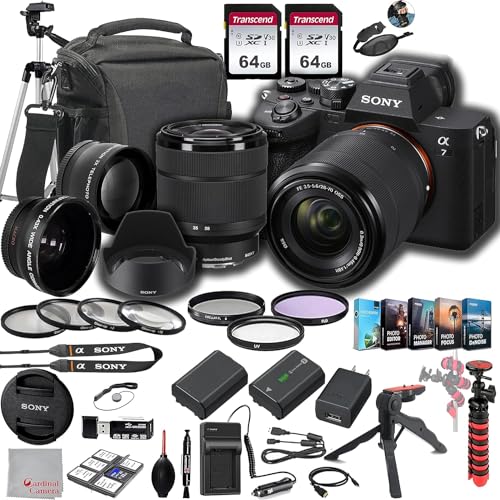
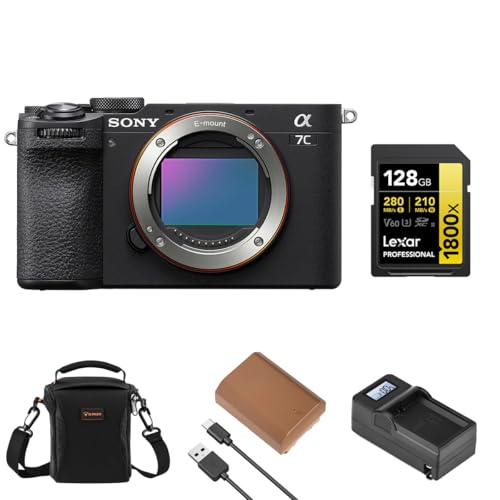
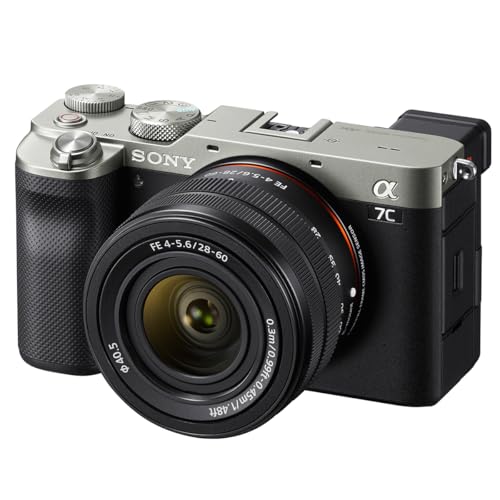
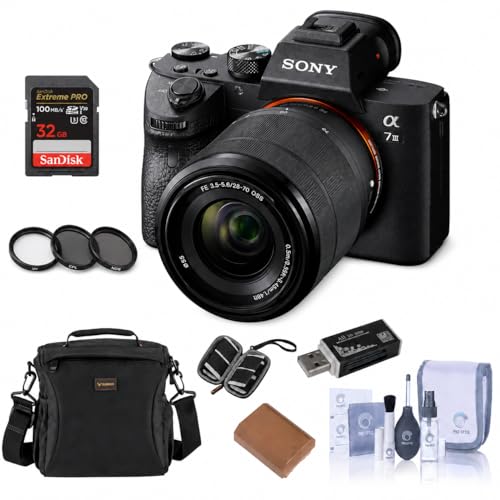
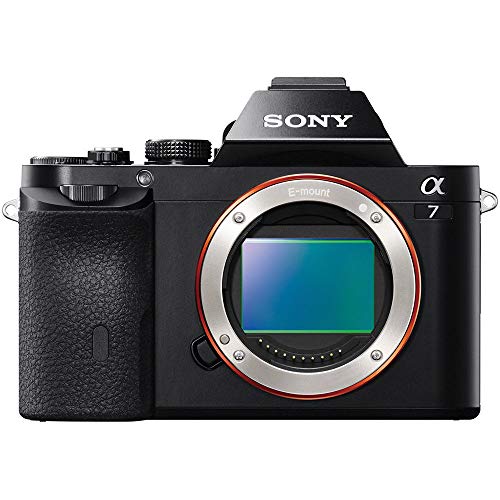
- Alpha 7 and Alpha 7C series: Standard Alpha 7 models are Sony's general-purpose full-frame hybrids, balancing resolution, autofocus, burst speed, and video; Alpha 7C models package similar ideas into smaller rangefinder-style bodies. The compact design is useful for travel and gimbals, but buyers should compare viewfinder position, grip, card slots, screen design, and controls against the larger Alpha 7 body.
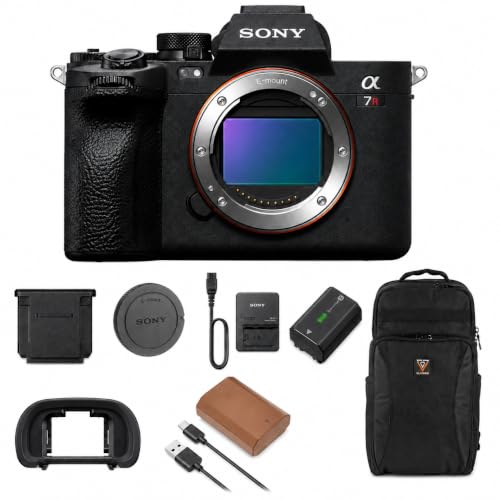
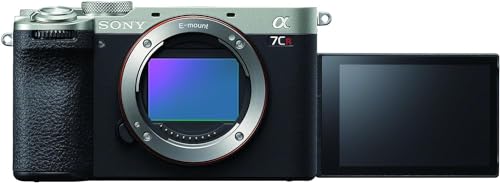
- Alpha 7R and Alpha 7CR series: These cameras emphasize high resolution for landscapes, studio work, architecture, reproduction, and heavy cropping. They provide excellent detail with suitable lenses and technique, but large files, slower readout than stacked action bodies, and more demanding storage or computer requirements make them less efficient when speed matters more than pixels.
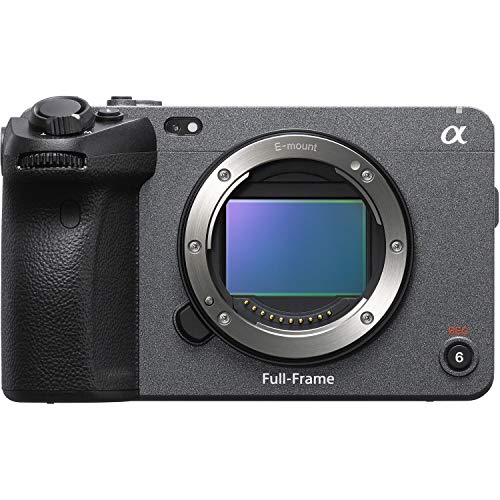
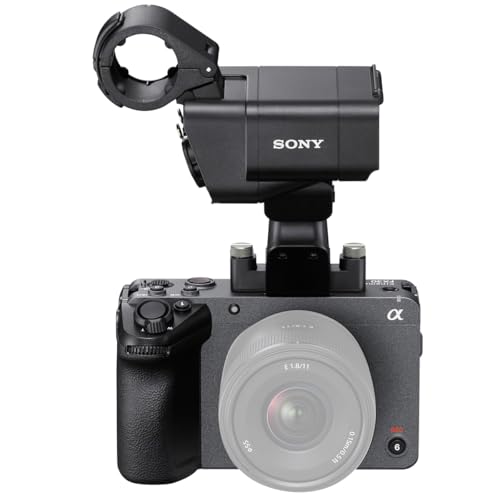
- Alpha 7S, FX, and ZV-E video families: Alpha 7S bodies use lower-resolution full-frame sensors optimized for sensitivity and video readout, FX3 and FX30 add Cinema Line handling and cooling, and ZV-E models simplify self-recording and creator workflows. These bodies differ sharply in sensor format, viewfinder provision, stabilization, cooling, connectors, codecs, and stills controls, so the video label alone is not enough to choose between them.
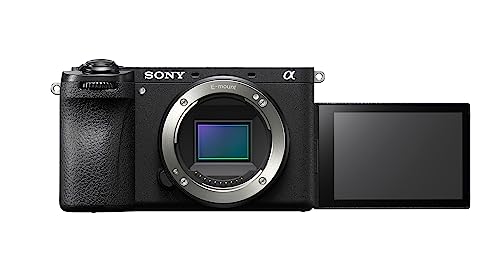
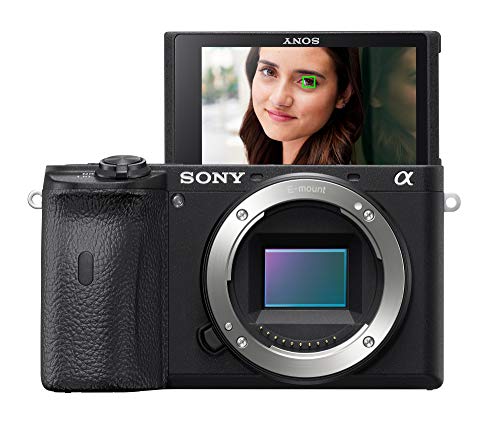
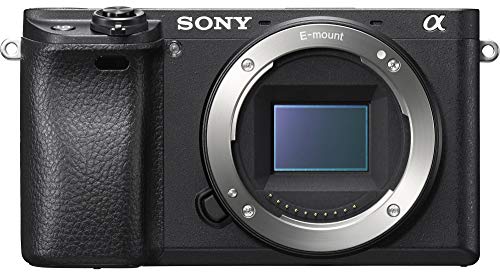
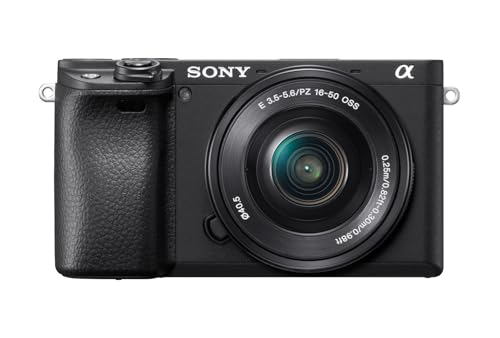
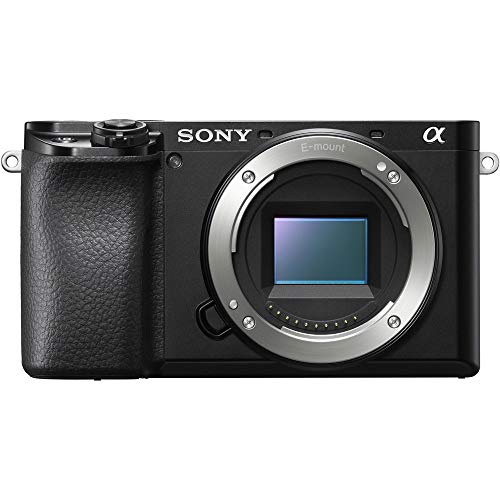
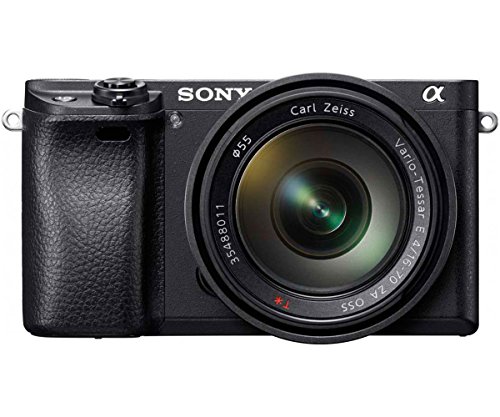
- Alpha 6000 series: Models from the a6100 and a6400 through the stabilized a6600 and newer a6700 use APS-C sensors in compact E-mount bodies. They are strong for travel, family photography, wildlife reach, and affordable hybrid work, although older generations have dated menus and some models omit in-body stabilization or modern 10-bit video.
- NEX and early E-mount models: NEX-3, NEX-5, NEX-6, NEX-7, a3000, a5000, and a5100 established Sony's compact APS-C mirrorless system before the modern Alpha naming became consistent. They remain historically important and can use current E-mount lenses, but older autofocus, batteries, menus, video specifications, and limited firmware support make them poor reference points for current new-camera performance.

How much do Sony mirrorless cameras cost?
New Sony mirrorless cameras generally cost £470-£6,500 for the body or basic kit, although most APS-C and mainstream full-frame buyers spend about £560-£2,600. Lenses and video accessories can affect the total as much as the body.
APS-C bodies typically cost £470-£1,000. ZV-E10 models favor creator video, a6100/a6400-class cameras add a viewfinder and stronger stills handling, and the a6700 adds stabilization, newer autofocus, and 10-bit video.
Mainstream full-frame bodies cost about £1,000-£2,600, while specialist Alpha 7R, Alpha 7S/FX, Alpha 9, and Alpha 1 models span roughly £3,000-£6,500 depending on resolution, video, or sensor speed. Compact primes start at a few hundred euros, professional GM zooms often exceed £1,700, and demanding burst or video modes may also require CFexpress Type A cards.
How do Sony mirrorless cameras compare with Canon mirrorless models?
Sony mirrorless cameras usually offer the broader native lens selection and more compact full-frame variations, while Canon is often easier for touch-driven autofocus, fully articulating screens, and adapted EF lenses. Image quality is comparable when sensor format and generation are matched.
Sony’s E mount has extensive first- and third-party lenses, and its Alpha range spans creator, high-resolution, low-light-video, and high-speed bodies. Canon’s EOS R line counters with intuitive Dual Pixel autofocus and strong hybrid options; compare a6700-class products with R7/R10, Alpha 7/7C with R8/R6 tiers, and Alpha 1/9 with Canon’s fastest professional bodies.
Sony mirrorless bodies or kits cost roughly £470-£6,500, while Canon spans about £300-£6,500. Most APS-C and mainstream full-frame buyers shop between £560 and £2,600, where the winning system is usually the one with the right native or adapted lens at the better complete-kit price.
What should you consider while choosing the best Sony mirrorless camera?
Consider the following points while choosing a Sony mirrorless camera:
- Choose APS-C or full frame deliberately: Alpha 6000-series, ZV-E10, and FX30 bodies use APS-C sensors, while Alpha 7, 7C, 7R, 7S, 9, 1, ZV-E1, and FX3 models use full frame. APS-C reduces body and lens cost and gives a 1.5× field-of-view crop, while full frame generally improves low-light flexibility and shallow-depth-of-field control with equivalent framing and aperture.
- Match the family and generation to the job: Alpha 7/7C models are general-purpose, 7R/7CR prioritize resolution, 7S/FX/ZV-E emphasize video, 9 prioritizes action, and 1 combines speed and high resolution. Within one family, menu design, autofocus recognition, processor, screen, viewfinder, card slots, and video bit depth can change substantially between generations.
- Check sensor readout, not only burst rate: Conventional sensors can produce rolling-shutter distortion, flicker banding, or warped fast subjects when the electronic shutter is used, whereas stacked Alpha 1/9 sensors read much faster and the Alpha 9 III uses a global shutter. Compare mechanical and electronic burst rates, RAW restrictions, buffer depth, blackout behavior, and anti-flicker support in the exact mode required.
- Verify autofocus subjects and mode support: Newer Sony cameras recognize more subject classes, including people, animals, birds, insects, cars, trains, and aircraft, while older bodies may provide only basic human or animal eye AF. Confirm that the needed recognition works in stills, video, high-frame-rate recording, and the selected focus area because features and tracking persistence differ by generation.
- Confirm stabilization on the exact body: Many full-frame Alpha cameras and higher APS-C models include in-body stabilization, but models such as the a6100, a6400, and ZV-E10 families rely more heavily on lens or electronic stabilization. Electronic Active modes can crop the image, so handheld video should be tested with the intended focal length rather than judged only from an advertised stabilization rating.
- Inspect the complete video mode: Check whether 4K is oversampled, cropped, pixel-binned, or line-skipped and confirm frame rate, bit depth, chroma sampling, codec, recording limit, heat behavior, and HDMI size. High-bitrate All-Intra or high-frame-rate modes may require V90 SD or CFexpress Type A cards, while some cameras reserve their best quality for a crop or reduced sensor area.
- Price the E-mount lenses first: APS-C E lenses mount on full-frame bodies but normally force an APS-C crop and reduce output resolution; full-frame FE lenses work normally on APS-C bodies with a 1.5× field-of-view crop. Compare Sony, Sigma, Tamron, Samyang, and other options for the exact wide, standard, portrait, macro, and telephoto needs, including lens stabilization and focus-breathing behavior for video.
- Test handling and workflow with the intended lens: Compact Alpha 7C, Alpha 6000, and ZV-E bodies can feel front-heavy with an f/2.8 zoom or long telephoto, while larger Alpha bodies provide deeper grips, more controls, and selected dual-card configurations. Check screen articulation, viewfinder position, joystick, menu generation, NP-FZ100 battery use, USB power, microphone/headphone ports, Multi Interface Shoe compatibility, and the cost of required cards or cages.