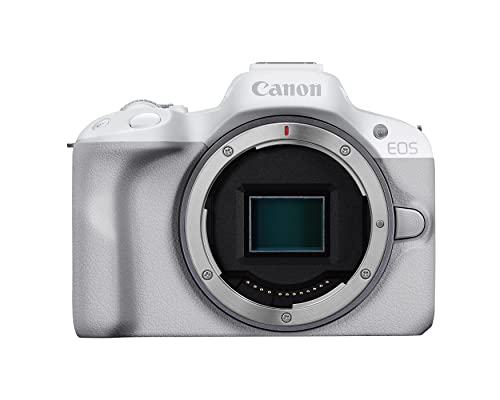
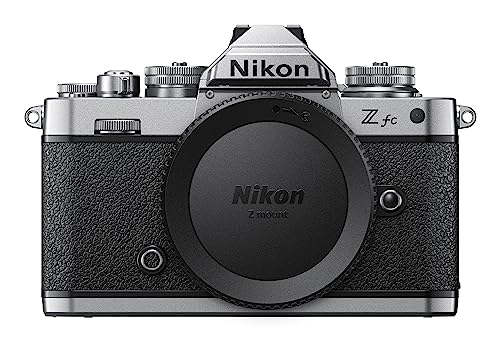
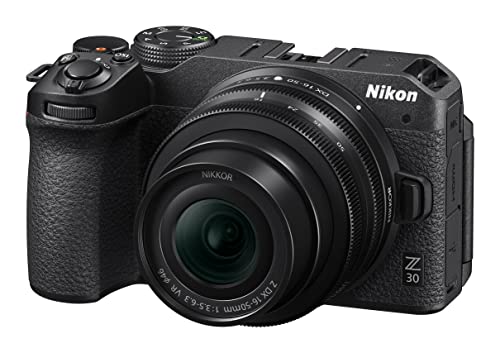
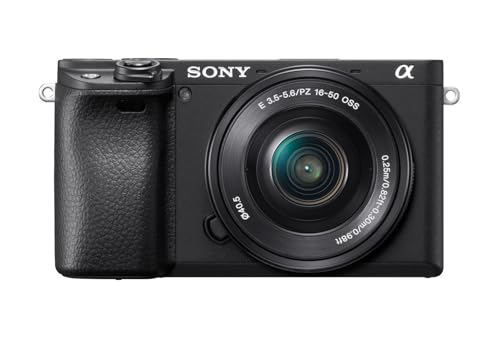
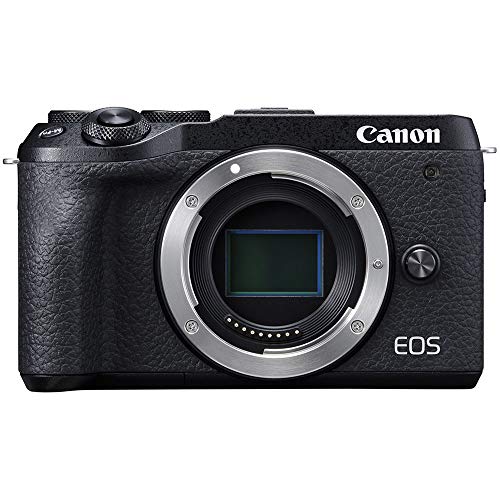
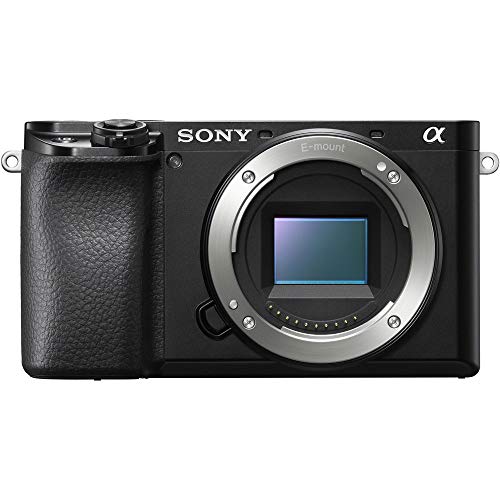
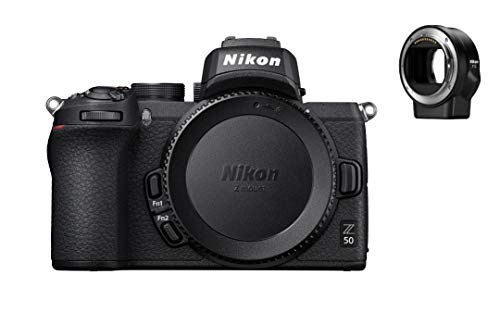
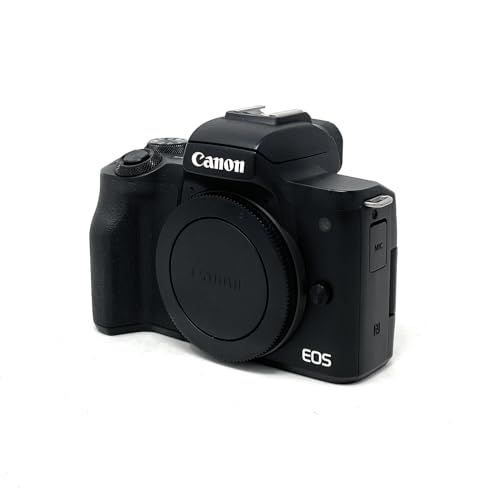
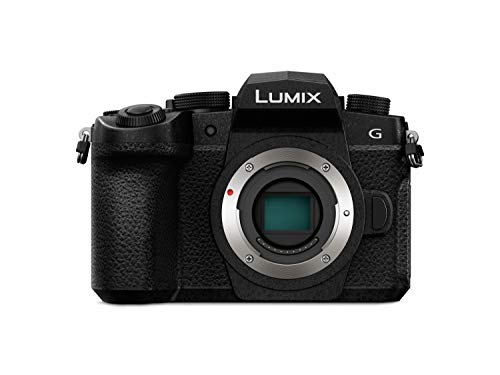
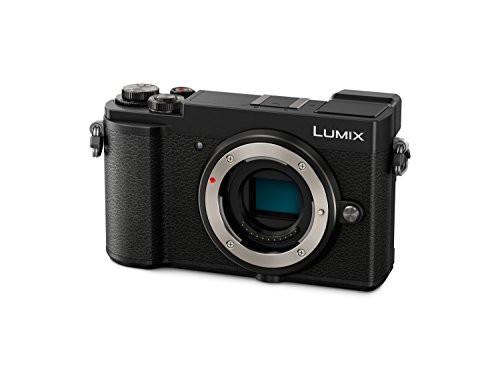
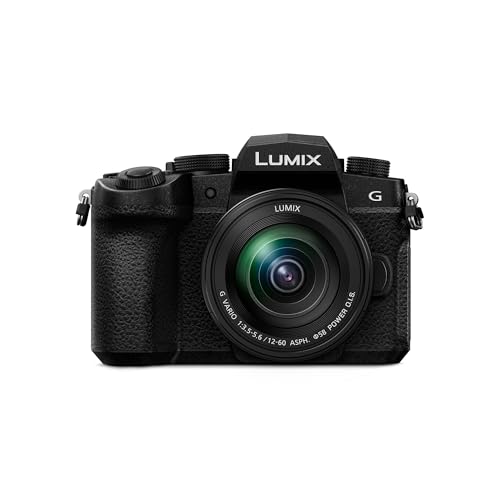
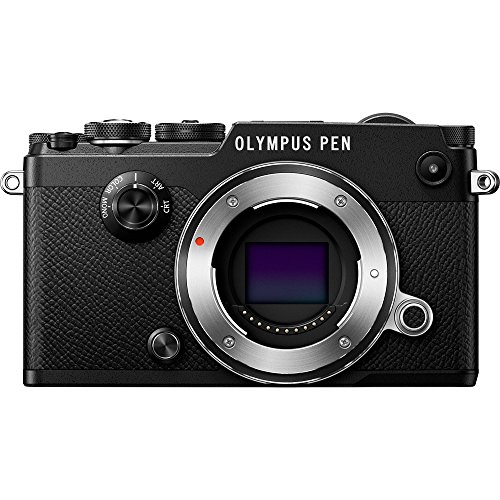
A good mirrorless camera for a beginner combines dependable subject-detection autofocus, clear automatic and semi-automatic modes, a comfortable grip, and an affordable lens system. It should produce strong results immediately while keeping exposure, focus, and color controls accessible as the photographer progresses.
APS-C and Micro Four Thirds sensors are usually the easiest starting points because they offer a useful balance of image quality, body size, lens size, and price. Around 20–26 MP is enough for detailed prints and moderate cropping; a responsive electronic viewfinder, a tilting or articulated touchscreen, and eye-detection autofocus generally improve everyday success more than unusually high resolution.
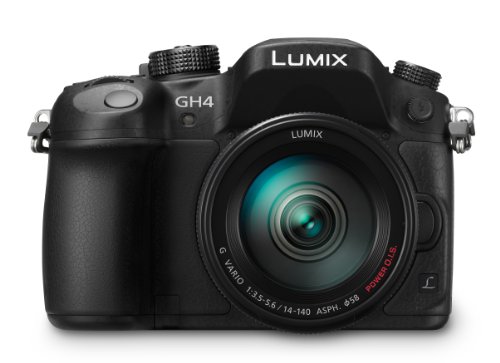
A practical beginner body often weighs roughly 350–550 g before the lens. Look for at least about 300 CIPA-rated shots, USB charging where possible, 5–10 fps continuous shooting with autofocus, and uncropped or modestly cropped 4K if video matters. In-body stabilization is helpful with unstabilized primes and handheld video, but an optically stabilized kit lens can provide an effective lower-cost alternative.
How easy are mirrorless cameras for beginners to learn?
Mirrorless cameras are generally easy for beginners to learn because the electronic viewfinder and rear screen can preview exposure, white balance, and picture style before the photograph is taken. Full Auto works immediately, while Program and aperture-priority modes let the user add one decision at a time without controlling every setting manually.
Modern face and eye detection also reduces the focusing burden for portraits, family photographs, and pets. The important limitation is that subject recognition, continuous autofocus, and burst speed can change with the selected focus area, shutter type, lens, or video mode, so the beginner should learn the quick menu rather than depend on one automatic setup for every subject.
A touchscreen, a clearly marked mode dial, one or two command dials, and direct exposure-compensation access shorten the learning curve. Guided explanations can help during the first few sessions, but a customizable quick menu and controls that remain comfortable in aperture priority and manual mode provide more lasting value.
What lens is best on a mirrorless camera for beginners?
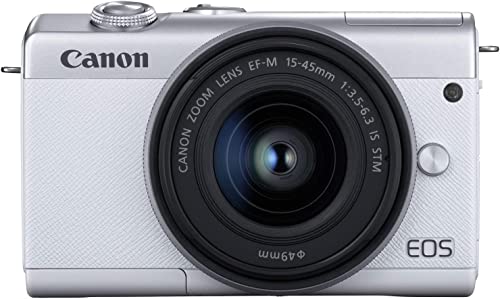
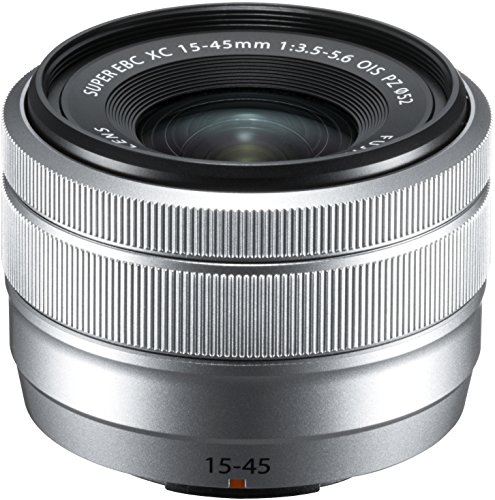
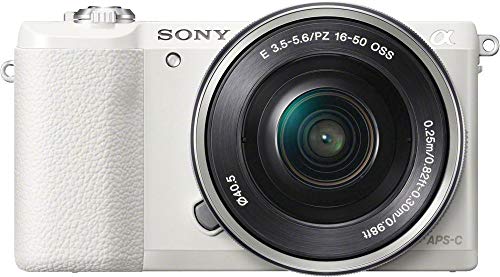
For most beginners, the best first mirrorless lens is the compact standard zoom sold with the camera. An APS-C 15–45 mm, 16–50 mm, or 18–55 mm lens and a Micro Four Thirds 12–32 mm or 14–42 mm lens cover wide-angle travel scenes, groups, everyday photographs, and short-telephoto portraits without requiring an immediate second purchase.
Prefer optical stabilization when the body does not have in-body image stabilization. Typical variable apertures of f/3.5–5.6 or f/3.5–6.3 keep the lens small but require higher ISO or slower shutter speeds indoors; stabilization reduces blur from camera movement, not blur from a moving child or pet.
After learning which focal lengths are used most, a bright prime is the most useful expansion. Roughly 23–35 mm on APS-C or 17–25 mm on Micro Four Thirds gives a natural general-purpose view, while a 50–56 mm APS-C or 42.5–45 mm Micro Four Thirds lens suits portraits. Check the exact mount, autofocus support, stabilization, size, and price before choosing the camera system, because lenses usually outlast the first body.