
Are Canon DSLR cameras good?
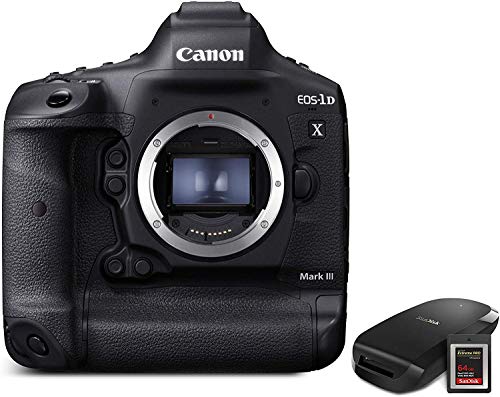
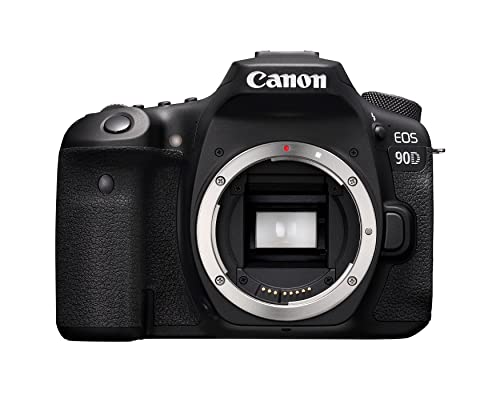
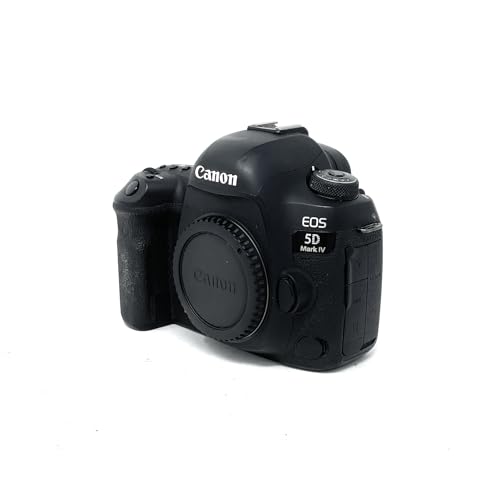
Canon DSLR cameras remain good for still photography when an optical viewfinder, long battery life, robust handling, and the EF/EF-S lens ecosystem matter more than the latest mirrorless features. Models such as the 90D, 5D Mark IV, and 1D X Mark III can still produce professional files, while smaller Rebel/xxxD and two-digit bodies offer straightforward controls and access to a very broad lens catalogue.
Autofocus depends on shooting mode. Through the optical viewfinder, Canon DSLRs use a separate phase-detection module, so point count, coverage, and tracking vary greatly from an entry Rebel to 7D, 90D, 5D, or 1D bodies. Later Dual Pixel CMOS AF models focus on the sensor, giving smoother face tracking and touch focus in live view and video, though rear-screen shooting feels less immediate than a mirrorless viewfinder. Canon now concentrates development on RF: its DSLRs lack in-body stabilization and trail EOS R bodies in subject detection and video tools. They suit photographers who want an optical viewfinder or already own EF lenses.
What are the main Canon DSLR camera series?
The main Canon DSLR series and models are as follows:
- EOS-1D and 1D X: Canon's professional action bodies combine integrated vertical grips, large batteries, extensive weather sealing, fast bursts, deep control systems, and full-frame sensors in the later 1D X generations. Models such as the 1D X Mark II and Mark III were built for sport, wildlife, and news work where reliability and optical-viewfinder tracking matter more than size.
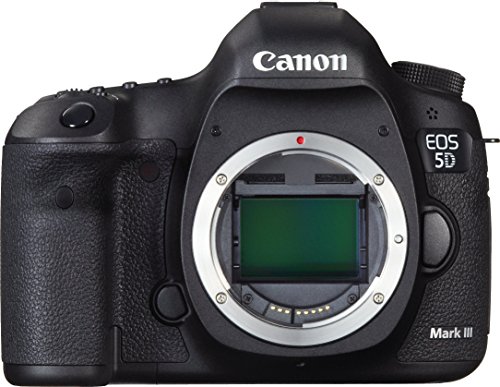
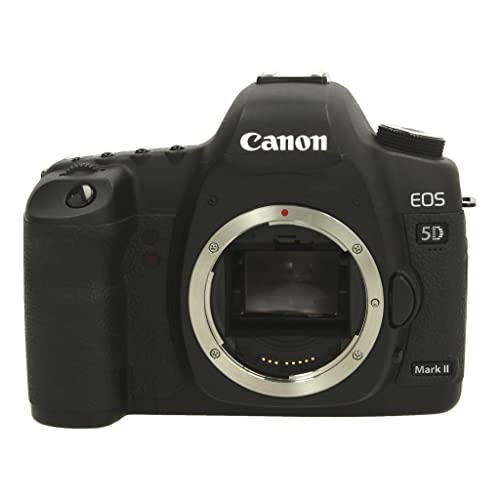
- EOS 5D and 5DS: The full-frame 5D line became a standard for weddings, portraits, commercial work, and hybrid production, with the 5D Mark IV adding Dual Pixel live-view AF and 4K recording. The 5DS and 5DS R instead emphasize roughly 50-megapixel resolution for studio, landscape, and detail work, trading away some high-ISO and speed advantages.
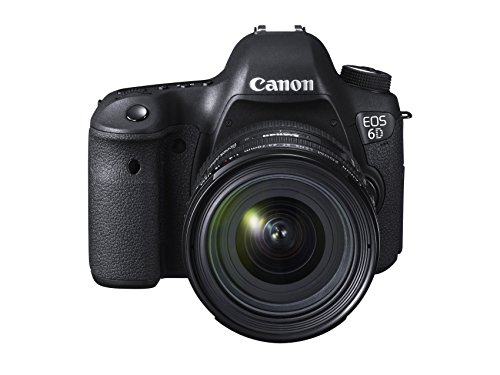
- EOS 6D: The 6D and 6D Mark II are more accessible full-frame DSLRs with simpler autofocus and control systems than the 5D line. The 6D Mark II adds a fully articulating touchscreen and Dual Pixel live-view AF, making it friendlier for portraits and casual video, but its viewfinder AF coverage and single-card design remain enthusiast rather than professional-event oriented.
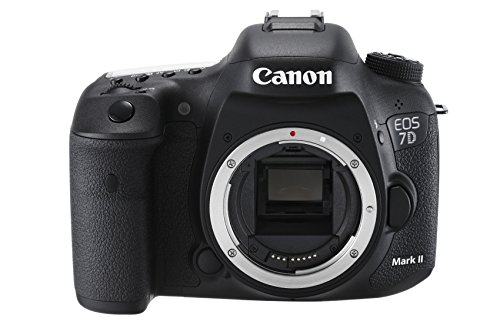
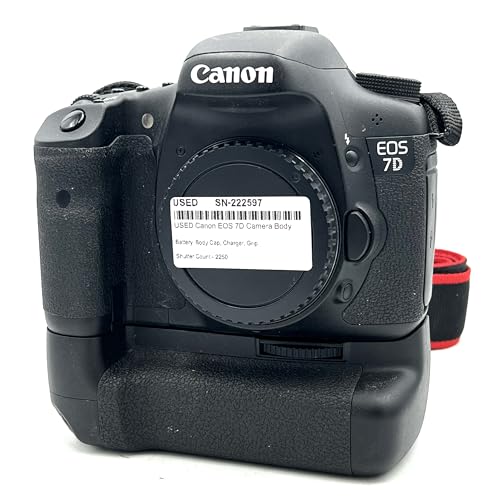
- EOS 7D and 90D: The 7D family targets action with APS-C reach, robust bodies, fast viewfinder autofocus, and high burst rates, while the newer 90D combines a high-resolution APS-C sensor with a more general-purpose form. The 90D is one of Canon's strongest all-round DSLRs for wildlife, sport, and video because it pairs optical-viewfinder shooting with effective Dual Pixel live view.
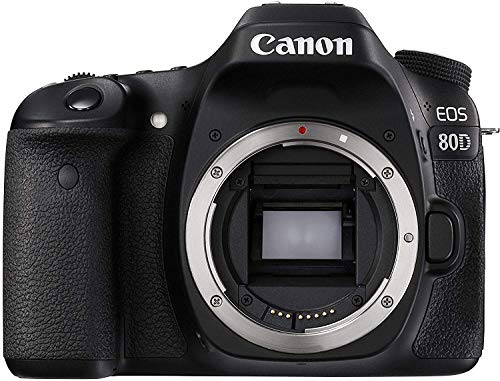
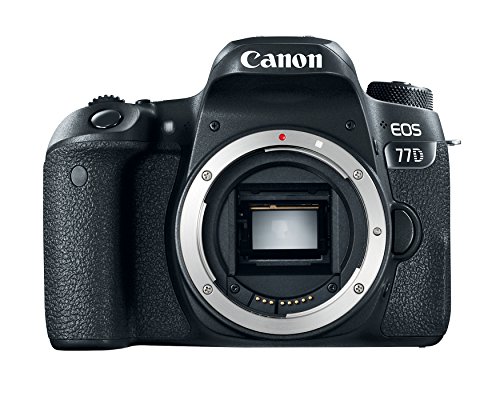
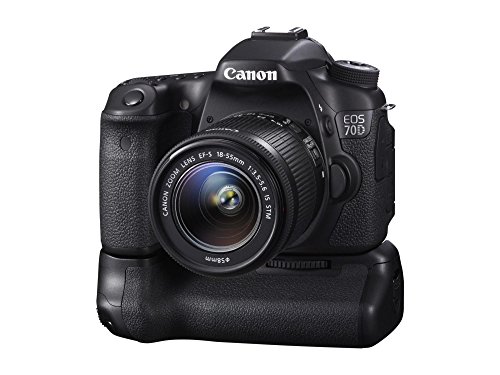
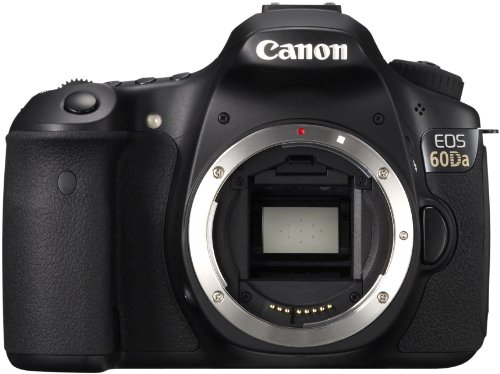
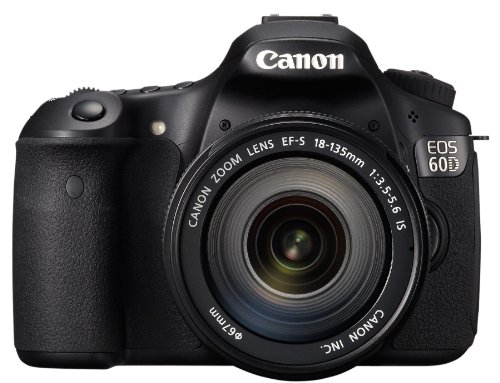
- Two-digit EOS models: Cameras such as the 60D, 70D, 77D, and 80D sit between entry Rebels and the more specialized 7D/90D tier. They generally add better grips, more direct controls, articulating screens, and—on later generations—Dual Pixel AF, making generation differences much more important than the shared naming pattern suggests.
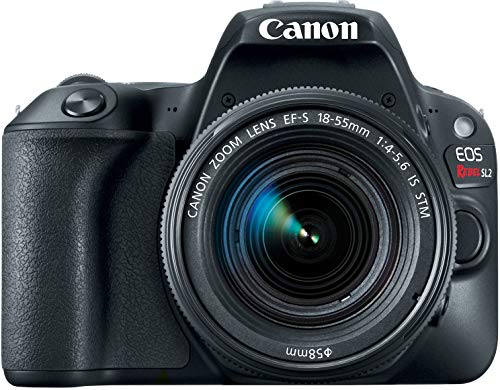
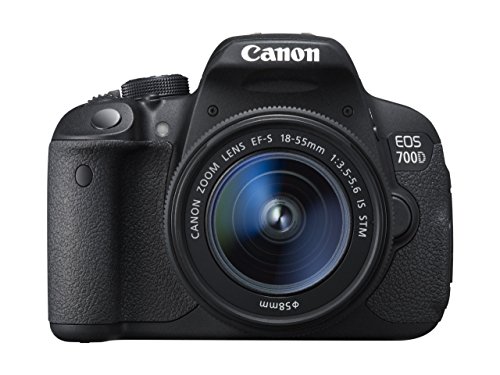
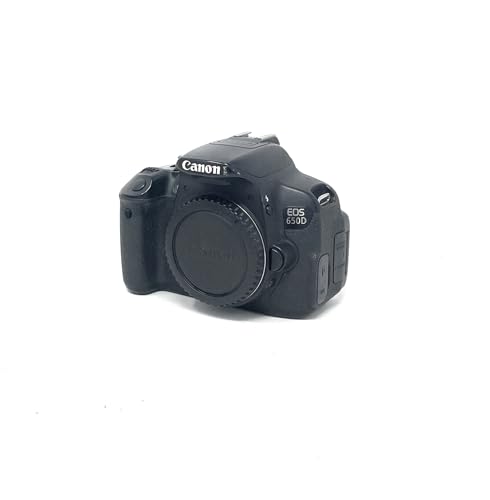
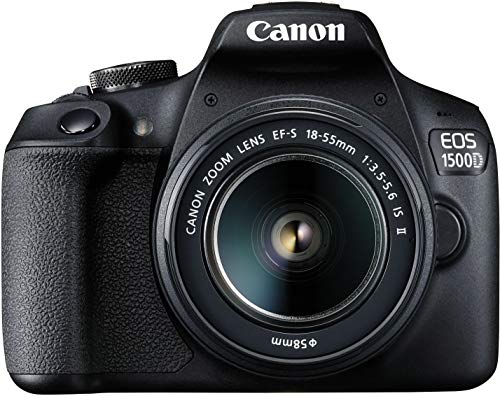
- Rebel, xxxD, and xxxxD models: Names such as Rebel T7/T8i in North America correspond to regional three- or four-digit EOS names such as 2000D, 850D, or related variants. These APS-C cameras prioritize affordability and guided controls, but autofocus points, screen articulation, Dual Pixel support, burst depth, and video capability vary substantially between generations.
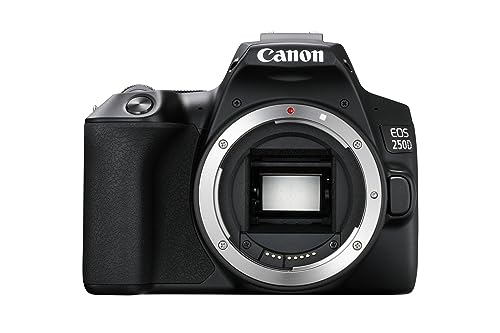
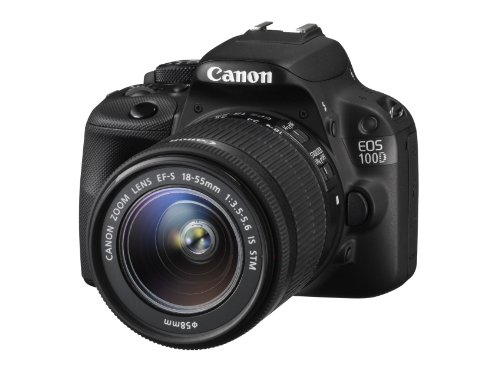
- EOS 100D, 200D, and 250D: Canon's compact DSLR branch keeps an optical viewfinder and EF/EF-S mount in a notably small body. Later models add articulating touchscreens and stronger live-view autofocus, making them attractive for travel and learning, though their small batteries, simplified controls, and basic viewfinder AF distinguish them from larger enthusiast cameras.

How much do Canon DSLR cameras cost?
Canon no longer offers a broad actively developed DSLR range, but remaining new retail inventory generally spans about £300-£6,000 depending on model and region. Availability is inconsistent because EOS R mirrorless cameras have replaced DSLRs in Canon's current lineup, so a new DSLR should be compared with an EOS R body and adapter at the same total price.
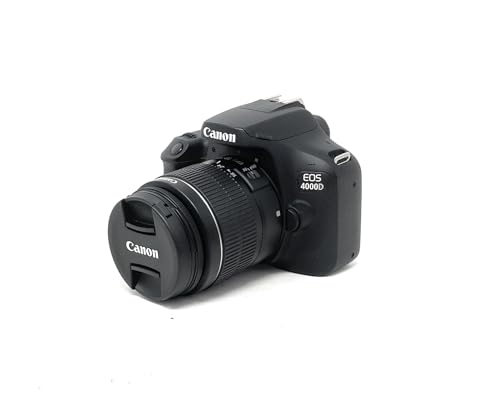
Remaining entry-level kits such as 2000D/4000D- or compact 250D-class packages may appear around £300-£700, while a later Rebel/850D-class kit can fall around £700-£900. These tiers usually include an EF-S kit zoom, but screen articulation, Dual Pixel live-view AF, viewfinder focus points, burst speed, and 4K implementation differ enough that the cheapest body is not automatically the best learning camera.
Enthusiast inventory such as the 90D can cost about £900-£1,400, while remaining 6D Mark II or 5D Mark IV bodies may run from roughly £1,300 to £2,600. Professional 1D X Mark III stock can approach £5,200-£6,000, where a current R3- or R1-class alternative deserves direct comparison. Budget for the complete kit: EF-S zooms and compact EF primes may add a few hundred euros, professional f/2.8 L-series zooms commonly cost £1,300-£2,600, and long telephotos can exceed £8,600. EF lenses adapt to EOS R bodies, but EF-S glass uses an APS-C crop on full-frame RF cameras, so lens compatibility strongly affects long-term value.
How do Canon DSLR cameras compare with Nikon DSLR models?
Canon DSLRs are generally better for live-view and video autofocus on Dual Pixel-equipped generations, while Nikon often provides stronger low-ISO RAW flexibility and several exceptional stills bodies. Optical-viewfinder autofocus can be excellent from either brand, making the exact generation more important than the logo.
Canon EF compatibility is comparatively straightforward, whereas Nikon F-mount automation varies more by body and lens generation. At enthusiast level, compare the Canon 90D or 7D Mark II with Nikon’s D7500 or D500; at full frame, Canon’s 5D line competes with Nikon D750/D780/D850 bodies on autofocus coverage, burst depth, resolution, and live-view behavior.
Remaining new Canon DSLR stock generally runs from about £340 for an entry kit to around £2,600 for enthusiast full-frame bodies, with professional inventory far higher; comparable Nikon stock is similarly inconsistent. Because both brands now prioritize mirrorless development, compare any DSLR package with a current EOS R or Nikon Z kit at the same total body-and-lens price.
What should you consider while choosing the best Canon DSLR camera?
Consider the following points while choosing a Canon DSLR camera:
- Decide whether a DSLR is deliberate: Canon's active system is RF mirrorless, while EF DSLRs are a mature platform with no expectation of a broad new body roadmap. Choose a DSLR because the optical viewfinder, battery endurance, handling, or existing EF lenses are genuinely valuable—not simply because the body specification looks inexpensive.
- Match EF and EF-S correctly: Full-frame Canon DSLRs accept EF lenses but not EF-S lenses, whose rear design is intended for APS-C bodies. APS-C DSLRs accept both EF and EF-S; an EF lens keeps its focal length but gives a field of view equivalent to about 1.6× longer because of the smaller sensor.
- Separate viewfinder AF from live-view AF: The optical viewfinder uses a dedicated phase-detection module, so check point count, cross-type points, frame coverage, low-light sensitivity, and tracking generation. Live view uses the imaging sensor; later Dual Pixel bodies can track faces and focus smoothly, while older or cheaper models may be much slower.
- Check the sensor and model generation: APS-C offers useful reach for wildlife and sport, while full frame gives more control over shallow depth of field and high-ISO image quality. Resolution alone is insufficient: compare RAW dynamic range, processor generation, anti-aliasing design, and whether the camera reaches its best performance at the required burst rate.
- Compare burst speed and buffer together: A high frame rate is useful only if viewfinder AF continues tracking and the buffer holds enough RAW or JPEG frames for the sequence. Also check card type and write speed, because an older interface can leave the camera clearing files long after a burst.
- Do not assume body stabilization: Canon DSLRs do not provide sensor-shift in-body stabilization, so handheld stabilization comes from an IS lens or support such as a tripod or gimbal. Confirm that the actual lens is stabilized, especially for telephoto, low-light, and video work.
- Inspect video and live-view details: Check maximum resolution and frame rate, crop, Dual Pixel availability, microphone and headphone sockets, screen articulation, recording duration, and codec. A model that focuses well for rear-screen stills may still have a cropped 4K mode, limited frame rates, or fewer exposure and monitoring tools than a current mirrorless camera.
- Compare handling and safeguards: Larger models add deeper grips, top displays, joysticks, stronger sealing, larger batteries, dual card slots, and more direct controls. Those features can matter more than a small sensor difference for weddings, sport, travel, or long sessions where missed operation has a real cost.
- Confirm current support and the upgrade route: Check Canon firmware availability, authorized service, batteries, chargers, flashes, remote connections, and whether essential EF lenses remain available through normal retail channels. EF lenses can move to EOS R through an adapter, but EF-S lenses force an APS-C crop on full-frame RF bodies, so plan the eventual transition before expanding the kit.