


Are Canon cameras good for beginners?
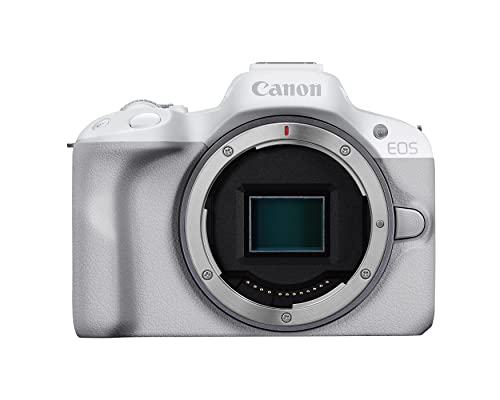
Canon cameras are good for beginners because current EOS R models combine clear touch menus, guided automatic modes, dependable face and eye autofocus, and familiar controls that remain useful as skills improve. The R50 is the strongest all-round starting point for many buyers: it has a fully articulating touchscreen, modern Dual Pixel subject tracking, an electronic viewfinder, oversampled 4K, and enough manual control for photography, travel, family video, and learning.
The cheaper R100 is simpler and uses a fixed rear screen, making it better for basic viewfinder photography than vlogging or touch-led learning. The R10 costs more but adds stronger controls, faster operation, and more room to grow into action and enthusiast work. All three use Canon's APS-C format with a 1.6× field-of-view crop, which makes telephoto lenses feel longer but means the RF-S 18–45 mm kit zoom starts at roughly 29 mm equivalent rather than a truly wide 18 mm-equivalent view.
Beginners still need to check limitations. The R100, R50, and R10 lack in-body stabilization, so handheld stabilization depends on an IS lens, digital video stabilization, or support. Kit lenses are compact but relatively slow in dim light, batteries are smaller than those in larger bodies, and the cost of a useful second lens can matter more than a minor body upgrade. Canon is beginner-friendly, but choosing the right lens and system matters more than staying in automatic mode forever.
Which Canon cameras are best for beginners?
The main Canon cameras and model families for beginners are as follows:
- EOS R50: The R50 is the best-balanced current Canon beginner camera for users who want photos and video, offering an APS-C sensor, fully articulating touchscreen, electronic viewfinder, strong Dual Pixel subject tracking, and approachable automatic modes. It lacks in-body stabilization and advanced professional controls, but it gives a beginner far more room to grow than a basic fixed-screen body.
- EOS R100: The R100 is the lower-cost RF entry point, aimed mainly at straightforward photography through an electronic viewfinder. Its fixed non-touch screen, simpler autofocus generation, modest burst performance, and limited creator ergonomics reduce versatility, but it can make sense when budget is strict and video or vlogging is secondary.
- EOS R10: The R10 suits a beginner who expects to progress quickly into sport, wildlife, travel, or manual control. It retains the APS-C size and accessible interface but adds stronger controls, faster bursts, a better grip, and more responsive operation than the R50/R100 tier; the trade-off is higher cost and no in-body stabilization.
- EOS R7: The R7 is an ambitious beginner or enthusiast choice rather than a basic starter body. Its APS-C crop, in-body stabilization, dual card slots, larger battery, weather-oriented construction, and stronger controls suit wildlife and action, but the added price and complexity only pay off when those features will actually be used.
- EOS R8: The R8 is a compact full-frame option for beginners focused on portraits, low light, and shallow depth of field. It has excellent modern autofocus and image quality but no in-body stabilization, a smaller battery, and more expensive full-frame lenses, so it is less economical and forgiving as a first system than the R50 or R10.
- PowerShot V1, V10, and G7 X Mark III: Fixed-lens Canon creator cameras remove the need to choose and change lenses. They suit beginners whose priority is travel video, vlogging, or pocketable everyday capture, but the built-in lens cannot be upgraded and each model differs sharply in autofocus, stabilization, audio monitoring, and still-photo controls.
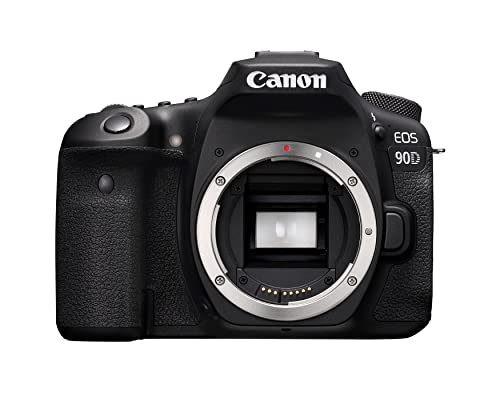
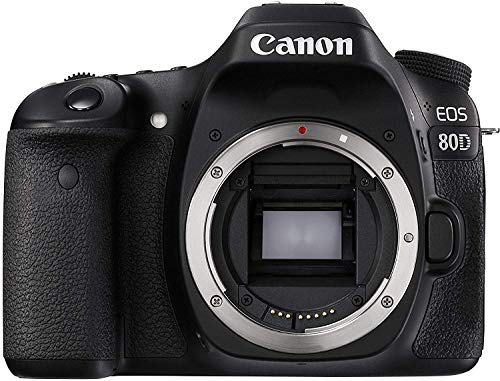
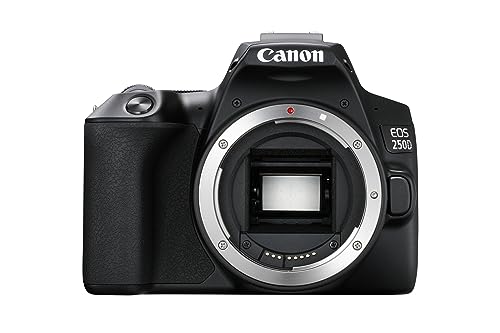
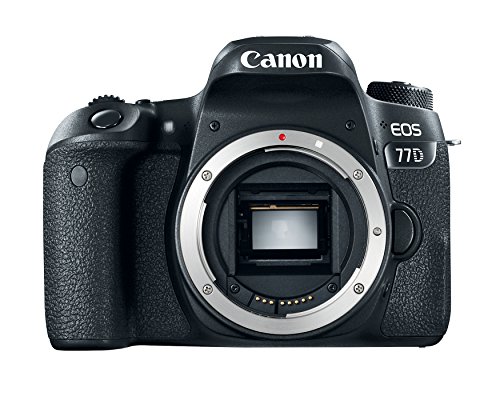
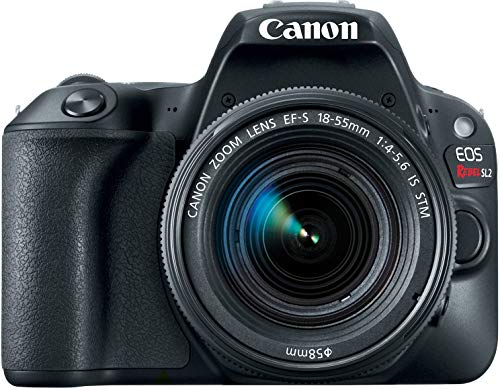
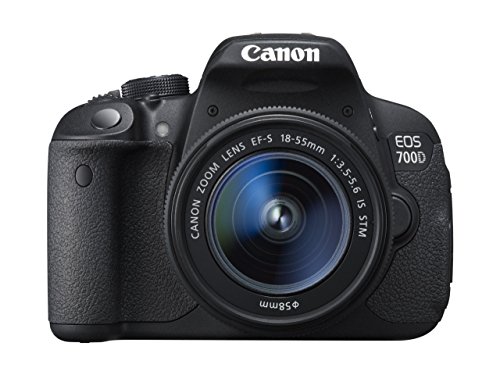
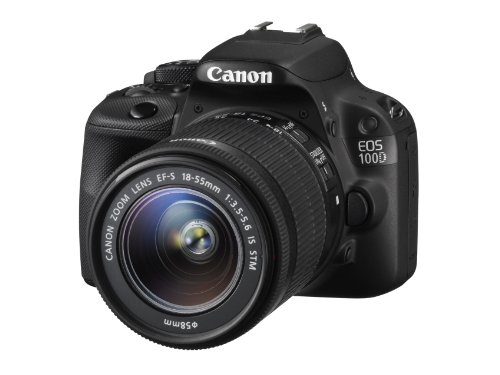
- EOS 250D/2000D and other entry DSLRs: Canon's beginner DSLRs offer optical viewfinders, long battery endurance, and EF/EF-S lens compatibility. They are now a mature system rather than Canon's active development path; viewfinder autofocus, live-view autofocus, screen design, and video vary by generation, so they make most sense for buyers who deliberately prefer DSLR operation or already have suitable lenses.