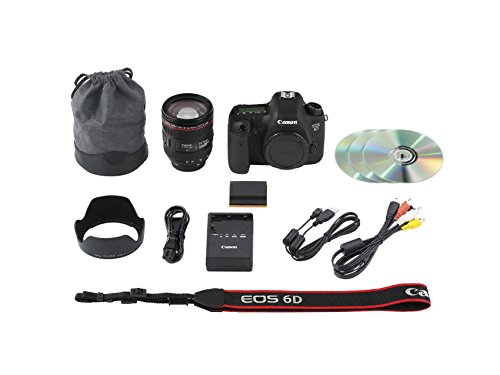
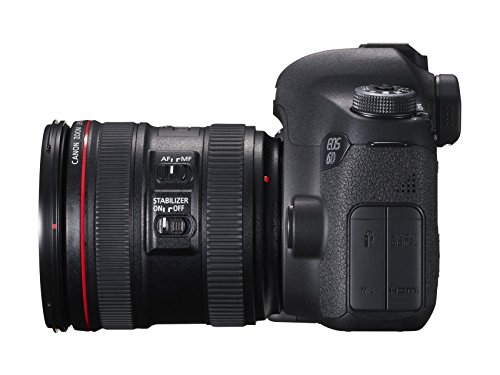
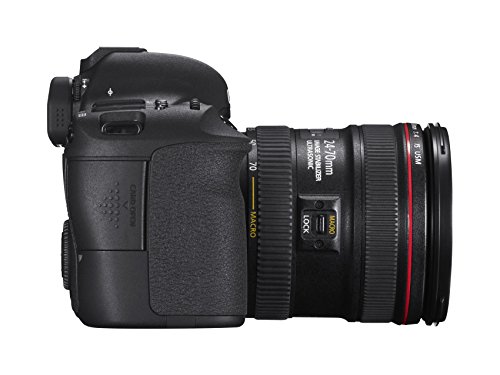
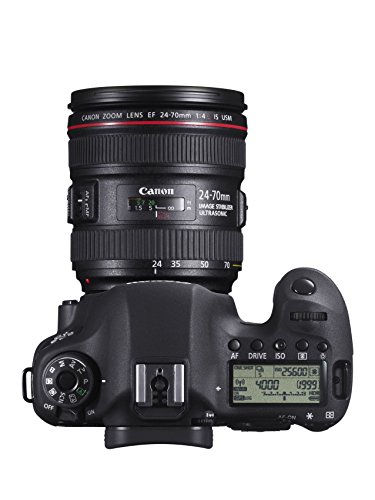
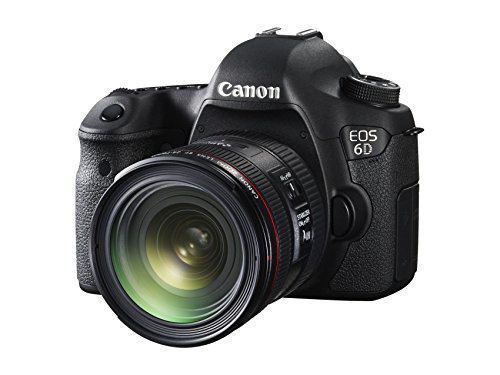
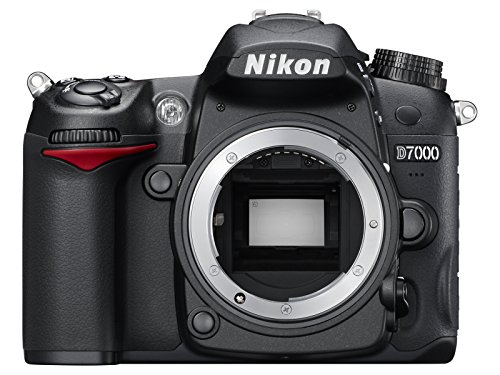
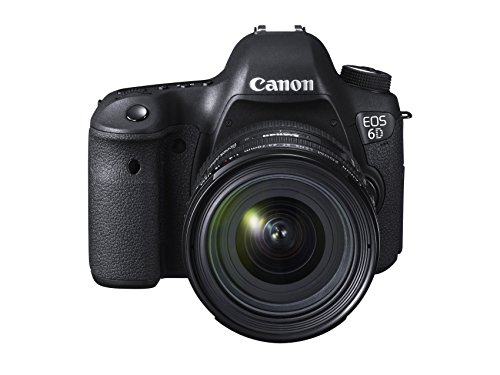
Canon EOS 6D review. Compare 108 technical specifications and user reviews to see how it ranks among cameras and if it is worth buying.
Overall score
What it is: An overall evaluation of the camera's quality, based on technical analyses and user reviews.
When it matters: When you need a quick reference to identify the best cameras on the market.
Score components:
90.0%
Technical Score
10.0%
User score
Technical Score
What it is: An assessment of the camera's technical performance, covering eight key areas: image quality, autofocus, video features, stabilization, lens compatibility, connectivity, battery, and design.
When it matters: When you want to compare cameras based on technical performance and available features.
Score components:
28.0%
Sensor & Image
25.0%
Photo Features
18.0%
Video & Audio
14.0%
Display & Design
8.0%
Battery & Power
7.0%
Connectivity & Storage
User score
What it is: A rating that combines user reviews and the total number of reviews received by the camera.
When it matters: When real-world owner satisfaction and review volume matter to your decision.
Score components:
70.0%
User reviews
30.0%
Popularity
Score components:
25.0%
Sensor size
20.0%
Main camera megapixels
20.0%
Dual card slots
15.0%
N. of focus points
10.0%
RAW photo capture
10.0%
Phase-detection autofocus (photos)
Score components:
35.0%
Weight
30.0%
Battery life (CIPA)
20.0%
Sensor-shift stabilization
15.0%
GPS
Score components:
30.0%
Price
20.0%
Weight
20.0%
AF tracking
20.0%
Battery life (CIPA)
10.0%
Touchscreen
Score components:
30.0%
Main camera megapixels
25.0%
Sensor size
20.0%
Main camera pixel size
15.0%
Sensor-shift stabilization
10.0%
RAW photo capture
Score components:
30.0%
Weight
25.0%
Thickness
20.0%
AF low-light sensitivity
15.0%
Sensor-shift stabilization
10.0%
Eye detection AF (human)
Score components:
30.0%
Sensor size
25.0%
Main camera pixel size
20.0%
Eye detection AF (human)
15.0%
Main camera megapixels
10.0%
Sensor-shift stabilization
Score components:
30.0%
Weight
25.0%
Battery life (CIPA)
20.0%
Min operating temperature
15.0%
Sensor-shift stabilization
10.0%
GPS
Available: ranking among products currently available (including other versions of this product).
All: ranking among all products in the database.
#9 in Best Cameras under £500
#11 in Best Canon DSLR Cameras
#27 in Best DSLR Cameras
#27 in Best SLR Cameras
#27 in Best Cameras under £200
#28 in Best Canon Digital Cameras
#28 in Best Canon EOS Cameras
#52 in Best Low Light Cameras
#58 in Best Cameras under £300
#82 in Best Travel Cameras
#106 in Best Cameras for Hiking
#110 in Best Cameras
#110 in Best Digital Cameras
What it is: An assessment of the camera's technical performance, covering eight key areas: image quality, autofocus, video features, stabilization, lens compatibility, connectivity, battery, and design.
When it matters: When you want to compare cameras based on technical performance and available features.
Score components:
28.0%
Sensor & Image
25.0%
Photo Features
18.0%
Video & Audio
14.0%
Display & Design
8.0%
Battery & Power
7.0%
Connectivity & Storage
What it is: A rating that combines user reviews and the total number of reviews received by the camera.
When it matters: When real-world owner satisfaction and review volume matter to your decision.
Score components:
70.0%
User reviews
30.0%
Popularity
What it is: An indicator that combines the camera's overall rating with its cost.
When it matters: When you want to know how much overall quality you get for the price.
Score components:
60.0%
Overall score
40.0%
Price
Importance: HIGH
Good value: Full frame or larger
Importance: HIGH
Good value: At least 20 MP
Importance: HIGH
Good value: At least 3.5 µm
Importance: LOW
Importance: MEDIUM
Good value: At least ISO 25,600
Importance: MEDIUM
Importance: MEDIUM
Good value: At least 14-bit
Importance: LOW
Importance: LOW
Importance: LOW
Importance: LOW
Importance: LOW
Importance: LOW
Importance: LOW
Importance: LOW
Importance: MEDIUM
Importance: LOW
Importance: LOW
Importance: LOW
Importance: LOW
Importance: LOW
Importance: HIGH
Good value: At least 200 points
Importance: HIGH
Importance: MEDIUM
Importance: LOW
Importance: LOW
Importance: MEDIUM
Importance: MEDIUM
Importance: HIGH
Good value: At least 5 stops
Importance: LOW
Importance: MEDIUM
Good value: At least 10 fps
Importance: LOW
Importance: LOW
Importance: LOW
Importance: LOW
Importance: LOW
Importance: LOW
Importance: LOW
Importance: LOW
Importance: LOW
Importance: LOW
Importance: LOW
Importance: LOW
Importance: LOW
Importance: LOW
Importance: LOW
Importance: LOW
Good value: At least 200,000 actuations
Importance: LOW
Good value: At least 10x
Importance: HIGH
Good value: At least 3840 px
Importance: MEDIUM
Good value: At least 200 Mbps
Importance: MEDIUM
Good value: At least 10-bit
Importance: LOW
Importance: LOW
Importance: LOW
Importance: LOW
Importance: LOW
Importance: LOW
Importance: LOW
Good value: At least 30 min
Importance: LOW
Importance: LOW
Importance: LOW
Importance: LOW
Importance: LOW
Good value: At least 2 microphones
Importance: LOW
Importance: LOW
Importance: LOW
Importance: LOW
Importance: MEDIUM
Good value: 500 g or less
Importance: LOW
Importance: LOW
Importance: LOW
Importance: MEDIUM
Importance: MEDIUM
Good value: At least 2.36 million dots
Importance: LOW
Good value: 100%
Importance: LOW
Importance: LOW
Good value: At least 120 Hz
Importance: MEDIUM
Good value: At least 3 in
Importance: LOW
Importance: LOW
Importance: LOW
Importance: LOW
Importance: LOW
Importance: LOW
Importance: LOW
Good value: At least 10 m
Importance: LOW
Importance: LOW
Importance: LOW
Importance: LOW
Importance: MEDIUM
Good value: At least 400 shots
Importance: LOW
Good value: At least 1,500 mAh
Importance: LOW
Importance: LOW
Importance: LOW
Importance: LOW
Importance: LOW
Importance: LOW
Importance: LOW
Importance: LOW
Importance: LOW
Importance: LOW
Importance: LOW
Importance: LOW
Importance: LOW
Importance: LOW
Importance: LOW
Importance: LOW
Importance: LOW
Importance: LOW
Importance: HIGH
Importance: HIGH
Good value: At least 3.5 µm
Importance: MEDIUM
Good value: At least ISO 25,600
Importance: MEDIUM
Good value: At least 400 shots
Importance: LOW
Importance: LOW
Importance: HIGH
Good value: Full frame or larger
Importance: MEDIUM
Importance: MEDIUM
Good value: 500 g or less
Importance: LOW
Importance: LOW
Good value: At least 2 microphones
Importance: LOW
Good value: 100%
Importance: LOW
Importance: LOW
Importance: MEDIUM
Good value: At least 10 fps
Importance: MEDIUM
(Reviews last updated: July 2026)
The DPReview evaluation identifies the Canon EOS 6D as a capable, lightweight full-frame DSLR boasting a 20.2-megapixel sensor and DIGIC 5+ processor, which delivers exceptional high ISO performance and excellent raw dynamic range. Key advantages include its class-leading central autofocus point sensitivity at -3 EV and integrated Wi-Fi and GPS capabilities. Conversely, the camera is limited by a sparse 11-point AF system with only one cross-type point, a modest 4.5 fps burst rate, and a 97% coverage viewfinder. Furthermore, video output suffers from significant moiré, and the body lacks dual card slots and a headphone jack, marking it strictly as a stills-focused entry-level full-frame option.
The Canon EOS 6D is an affordable 20.2-megapixel full-frame DSLR that delivers exceptional image quality and stand-out low-light performance, making it highly recommended for hobbyists, landscape shooters, and as a pro backup body. On the positive side, the reviewer praises its lightweight, compact design, and impressive center-point autofocus, which can track subjects in dim conditions down to -3 EV. Key design improvements like a dedicated 1-click Quick-Zoom button and flawless mRAW file downscaling drastically speed up workflow efficiency. Additionally, its highly functional built-in GPS is ideal for adventure photographers, and its stunning video capabilities effortlessly allow for beautiful 1080p footage at high ISOs like 3200 and 6400. However, the camera comes with several notable compromises to keep costs down compared to flagship models. It features a slightly restricted 11-point autofocus system with only a single cross-type point clumped in the center, alongside a slower burst rate of 4.5 frames per second, which makes it less suitable for hardcore sports action. Physical limitations include a lack of dual card slots, no PC sync port, a maximum flash sync of 1/180 second,...
Canon EOS 6D Review Summary The Canon EOS 6D delivers the impressive photo and video quality expected from a full-frame sensor, packaged within a well-designed and relatively lightweight body. The camera stands out for its excellent JPEG processing, effective noise reduction, great dynamic range, and highly accurate colors. Users will appreciate its helpful built-in features, such as Wi-Fi functionality and GPS tracking. Furthermore, it boasts an impressive continuous shooting buffer that allows for essentially unlimited JPEG capture at a steady 4.5 frames per second. However, the camera forces shooters to make several notable trade-offs to achieve its budget price tag. It completely lacks standard features like a built-in flash, a headphone jack for audio monitoring, and dual memory card slots. Performance is hindered by a sluggish low-light autofocus system that heavily relies on a single cross-type sensor, causing lenses to hunt in dim environments. Additionally, the optical viewfinder offers only 97 percent scene coverage rather than a full 100 percent view. While it represents a solid and worthwhile quality upgrade for users jumping up from an APS-C sensor camera, it...
The Canon EOS 6D is an affordable full-frame DSLR tailored for enthusiast landscape and portrait photographers, matching the overall DxOMark score of 82 held by the flagship EOS-1D X. It delivers excellent value for money by trickling down high-end technology, particularly in low-light ISO performance where it scores 2340 and remains highly usable at ISO 3200. Additionally, it provides a well-balanced dynamic range of 12.1 EVs, which slightly outpaces both the EOS-1D X and the EOS 5D Mark III. However, the camera falls short when compared directly to its market rivals and struggles in high-contrast environments. The sensor exhibits a relatively weak color depth of 23.8 bits and a lower dynamic range that falls 2.2 EVs below the top-rated Nikon D800E. Furthermore, its autofocus system is not built for fast-action photography, and the Nikon D600 completely outscores it across every testing metric, offering roughly a 1/3-stop advantage in low-light conditions.
The Lonely Speck review highlights the Canon EOS 6D as an exceptional, durable, and affordable full-frame DSLR tailored for landscape astrophotography, largely due to its clean high-ISO performance up to ISO 12,800. It is praised for its lightweight, weather-sealed construction, a useful, bright Live-View feed for focusing, and excellent value for video, making it a "tank-like" option for field work.
The Canon 6D is a full-frame DSLR that delivers exceptional professional-grade image quality, rich colors, and remarkable subject isolation, making it an excellent budget-friendly choice for paid photography gigs. Its 20.2MP sensor captures impressive sharpness, handles blown highlights smoothly, and offers up to 13 stops of dynamic range, edging out competitors like the 5D Mark III. Additional pros include built-in Wi-Fi and GPS, a "silent" shutter mode, an expansive standard ISO range up to 25600, and an affordable price point that makes it an unbeatable purchase for photographers looking to maximize value. However, the camera shows its age through several notable cons, particularly its legacy 11-point autofocus system and a slow continuous shooting speed that maxes out at 4.5 frames per second, making it poorly suited for fast-paced sports and wildlife photography. The physical design is heavy and obtrusive with a loud standard shutter, while low-light performance progressively degrades past ISO 3200 with noticeable color noise in the shadows. Most significantly, it lacks 4K video resolution and suffers from severe moiré artifacting, which generates distracting banding on textures and renders...
The Canon 6D is a lightweight, full-frame DSLR designed for crop-sensor photographers looking to upgrade to professional-grade image quality. Its standout feature is its exceptional low-light performance, driven by strong high-ISO capabilities that allow clean, usable images up to ISO 25,600 without ruining details or colors. Key pros include a compact and durable build, an intuitive single-handed button layout on the right side of the screen, and a highly effective "Shutter Silent Mode" for quiet environments like churches. Additionally, it includes built-in GPS and Wi-Fi, features a familiar user layout, and offers a much more affordable price point compared to the higher-end 5D Mark III. However, the camera has notable limitations that make it less suitable for specialized shooting. Its primary cons are an outdated, restrictive 11-point auto-focus system—which lacks the precision and composition control of the 5D Mark III's 61-point system—and the presence of only a single memory card slot, preventing in-camera backups. It is also poorly suited for serious videographers because it lacks a dedicated audio input jack to monitor live sound recording. Ultimately, while it falls short...
The Canon EOS 6D is a high-quality full-frame DSLR tailored for serious amateur photographers, offering professional-grade performance at an attractive price point. It features a 20.2-megapixel full-frame sensor and a powerful Digic 5 processor that deliver exceptional image quality, natural color reproduction, and an excellent dynamic range that rivals more expensive pro cameras,,. The camera excels in low-light conditions by managing noise efficiently at high ISO settings, making it highly effective for indoor events and theater photography,. Additionally, its compact and ergonomic body houses a highly praised "silent shutter" and serves as a pioneer by integrating built-in GPS and Wi-Fi capabilities directly into the camera,. However, the review highlights several limitations, particularly regarding its autofocus system, which features only 11 AF points with a single cross-type sensor. This basic setup makes the camera less suitable for fast-moving subjects like sports and action photography, especially since the contrast-detection AF in Live View and video modes operates too slowly,. Other notable cons include the lack of a built-in fill flash, the absence of a tilt-and-swivel LCD screen, and a viewfinder accuracy that...
The Canon EOS 6D serves as a lightweight, full-frame DSLR designed for enthusiasts and travel photographers who want high image quality without the hefty build of top-tier models. It features a 20.2-megapixel full-frame sensor and a Digic 5 processor that delivers an ISO range of 100–25600, which is highly effective for low-light and landscape photography. Standout tech additions include built-in Wi-Fi and GPS—a first for Canon DSLRs—which streamline remote camera control via smartphone and make tracking shooting locations effortless. The camera features enthusiast-centric controls and a clear 3-inch LCD screen, though it lacks an articulating design or touchscreen capabilities. The review highlights several distinct pros and cons regarding the camera's overall performance and configuration. On the positive side, it offers high image quality, excellent remote control functionality through Wi-Fi, integrated GPS technology, and familiar enthusiast-centric controls. However, it comes with notable trade-offs, such as a complete lack of a built-in flash, a single SD card slot instead of dual ports, and a viewfinder with only 97% coverage and limited overlay information. Furthermore, it features a somewhat limited 11-point autofocus system...
Photography Life reviews the Canon EOS 6D as a budget-friendly full-frame DSLR offering exceptional image quality, superior high-ISO noise performance, and integrated Wi-Fi/GPS capabilities. It is praised for its ergonomic grip, 20.2 MP sensor performance, and solid, lightweight construction compared to more expensive alternatives. YouTube · However, the review highlights limitations, including a basic 11-point autofocus system, slow burst rates, and the lack of dual memory card slots, which hinder its use for action or professional event photography. Additionally, it notes weaker shadow recovery in RAW files and less robust plastic construction compared to higher-end models, yet it remains a capable, cost-effective choice for general photography. YouTube
The Canon EOS 6D is a well-designed, lightweight full-frame DSLR built for portrait, travel, and landscape photographers moving up from APS-C models. Its main strengths include exceptional low-light autofocus capabilities that can focus down to a dark -3EV, and superb high ISO noise performance with an expanded range reaching up to ISO 102400. The camera stands out as the first Canon DSLR with integrated GPS and Wi-Fi, allowing seamless smartphone remote control, wireless image transfers, and automatic location tagging within a dust and moisture-resistant body. Additionally, it features an expanded 7-frame exposure bracketing mode, intuitive controls, and a high-quality 1080p video mode that introduces intra-frame (ALL-i) compression and SMTPE timecode embedding for professional editing workflows. However, the camera has notable limitations, particularly when compared to its main rival, the Nikon D600. Its 11-point phase-detect AF system features only a single cross-type sensor, making it poorly suited for fast-moving action. Its continuous shooting speed is quite modest at 4.5 frames per second. To save on size and cost, Canon omitted several premium features: the optical viewfinder offers only 97% coverage instead...
The ePHOTOzine review identifies the Canon EOS 6D as a lightweight, robust, entry-level full-frame DSLR featuring a 20.2-megapixel sensor and excellent low-light performance with its -3EV, 11-point autofocus system. It is praised for including built-in Wi-Fi and GPS, making it a high-value option for serious photographers. Conversely, the review notes limitations for speed-focused users, including a 4.5fps burst rate, a single SD card slot, and the absence of a touchscreen or articulating screen. Furthermore, the AF system has limited coverage compared to higher-end models, and video autofocus in Live View is described as slow.
Canon 6D Field Test Review Summary The Canon EOS 6D is a highly capable, entry-level full-frame DSLR that delivers excellent image and video quality at a competitive price point, positioning itself just below the 5D Mark III. Built with an aluminum alloy and polycarbonate chassis, this lightweight and comfortable camera mimics the aesthetics of a mini 5D Mark III but scales down some structural elements, swapping a full magnesium body for a polycarbonate top panel to accommodate its unique built-in Wi-Fi and GPS radios. Its 20.2-megapixel sensor produces sharp, low-noise images with impressive dynamic range and natural skintones, even when pushed to extreme high ISO levels like 3,200 and 6,400. Furthermore, the camera excels as an available-light tool and shoots stellar 1080p HD video with a convenient Live View/Movie Record switch, though it is subject to occasional moiré and lacks a dedicated headphone jack for monitoring audio.
The Canon EOS 6D is a 20.2-megapixel full-frame DSLR that delivers professional-grade image quality, exceptional color, and minimal shadow noise up to ISO 6400. It is lightweight, highly ergonomic, and features an intuitive menu system alongside an optical viewfinder that enhances the portrait photography experience. The camera utilizes long-lasting LP-E6NH batteries, benefits from a massive catalog of affordable, high-quality EF-mount lenses, and produces malleable RAW files that perform exceptionally well when processed in Capture One. It serves as an excellent, uncomplicated, and budget-friendly tool for slower-paced photography styles like portraiture, landscape, food, and travel. However, the camera has notable limitations, starting with a lack of an autofocus joystick and a slow, limited array of autofocus points that make it unsuitable for sports or fast action. It features a maximum burst rate of just 4.5 frames per second, a weak flash sync speed of 1/180th of a second, and a slow, clunky Live View mode. Video capabilities are highly restricted, maxing out at 1080p at 24fps with narrow dynamic range, no in-body stabilization, and completely unusable video autofocus. Crucially for professional...
The Canon EOS 6D review on The-Digital-Picture.com highlights the camera as a compact, budget-friendly option offering exceptional 20.2-megapixel full-frame image quality, superior high-ISO performance, and built-in Wi-Fi and GPS. Its 11-point autofocus system features a, extremely sensitive -3 EV center point, making it highly effective for low-light photography. Conversely, to achieve its price point, the 6D features a slow 4.5 fps burst rate, only one SD card slot, and a maximum 1/4,000s shutter speed. While the center AF point is excellent, the 10 surrounding non-cross-type points are limited for action, and the video capabilities lack advanced tracking. YouTube
The Canon EOS 6D is a full-frame DSLR. It targets professional and ambitious amateur photographers. The camera features a 20-megapixel full-frame sensor. Key pros include excellent image quality and low noise. It delivers clean images even at high ISO. It introduces built-in Wi-Fi and GPS tracking. The companion app enables wireless remote control. Furthermore, the weather-sealed magnesium body is very robust. A sharp 3.2-inch display handles image playback well. However, the camera has notable equipment cons. It lacks an integrated pop-up flash entirely. The autofocus system offers only 11 fields. Only one of these fields is a cross-sensor. The optical viewfinder provides just 97 percent coverage. Live-View autofocus is slow at 2.2 seconds. The plastic directional control pad feels cheap. Additionally, the camera tends to slightly overexpose shots.
Based on the pa-photo review, the Canon EOS 6D is highly praised for its 20.2-megapixel full-frame sensor, delivering exceptional color reproduction, dynamic range, and low-light noise performance. The reviewer appreciates the lightweight and ergonomic body, which makes handling noticeably easier compared to cameras like the EOS 7D. Additionally, the inclusion of built-in Wi-Fi is a major benefit, as the EOS Remote App enables seamless smartphone pairing and real-time live view streaming for single-operator setups. The integrated GPS module also performs reliably for geotagging images as long as it has a clear line of sight.
The Canon EOS 6D is an entry-level full-frame DSLR camera that features a durable and lightweight magnesium-and-plastic hybrid body, enabling built-in Wi-Fi and GPS functionality without external adapters. It provides outstanding low-light performance and image quality through its 20.2-megapixel sensor, making it a reliable tool for portrait and landscape photography even after years of extensive use. Notable positive aspects highlighted in the review include a highly effective Silent Mode that dampens shutter noise for quiet environments like churches, a responsive central cross-type autofocus sensor for low-light focusing, an integrated HDR mode, and compatibility with the long-standing LP-E6 battery pack. Conversely, the reviewer addresses several functional and technical limitations of the camera, noting that its autofocus system feels dated with only 11 total AF points and just a single cross-type sensor. The camera's Wi-Fi functionality often presents connectivity challenges that require full resets to fix, and keeping the GPS feature continuously active causes heavy battery drain. Additionally, the body lacks complete weather sealing against splashing rain, offers only a 97% viewfinder coverage, and caps out at a maximum shutter speed of...
Despite its top-tier handling and low-light performance, the camera is severely limited for professional video production due to heavy line-skipping aliasing and colored moiré artifacts. Its overall video luminance resolution lands noticeably below that of mid-range AVCHD camcorders. Significant hardware omissions include a missing headphone jack for real-time audio monitoring and the lack of a clean HDMI output for external recording units. Audio adjustments are also restricted because levels cannot be altered once video recording has commenced. Furthermore, continuous shooting speeds top out at a modest 4.5 frames per second, and users looking for slow-motion effects must downgrade from Full HD resolution to 720p to achieve 50 fps.
The Digitalkamera.de review highlights the Canon EOS 6D as an accessible, lightweight, and robust entry-level full-frame DSLR offering exceptional 20-megapixel image quality and access to the extensive Canon EF lens ecosystem. While designed for user-friendly operation, the camera's performance is limited by slow, single-slot SD card write speeds that cause significantly degraded shooting rates when capturing RAW files. Consequently, the review, which can be read in full at Digitalkamera.de, advises action photographers to seek faster alternatives to the 6D.
Comprehensive Review Summary The Canon EOS 6D is an entry-level full-frame DSLR featuring a 20.2-megapixel CMOS sensor that delivers exceptional image quality and low-light performance. Images remain free of noise up to ISO 1,600, with highly impressive detail retention extending up to ISO 6,400. Its robust magnesium alloy body provides physical durability and weather sealing against dust and moisture. The camera offers a large, bright optical viewfinder and highly customizable physical controls, including a silent shooting mode. However, operational speeds are somewhat average; it achieves a continuous shooting rate of 4.5 frames per second, and while its standard autofocus is fast and accurate, the Live View and video autofocus are remarkably slow. Key Pros and Cons To keep costs down, Canon omitted several premium features, creating clear performance trade-offs: Pro: Outstanding low-light performance with clean image files up to ISO 25,600. Pro: Rugged, weather-sealed magnesium housing with an ergonomic grip. Pro: Full-HD video capabilities featuring intraframe recording and external mic inputs. Con: Limited autofocus array consisting of only 11 points and a single cross-type sensor. Con: Storage constraints with only...
Canon EOS 6D Review Summary The Canon EOS 6D is a solid, well-built entry-level full-frame DSLR designed to offer affordable access to 35mm photography. Borrowing heavily from the higher-end 5D Mark III, it features an ergonomic grip, a weather-sealed body, and a simplified right-sided button layout alongside an integrated directional pad and dial. It stands out as Canon's first DSLR to feature built-in Wi-Fi and GPS modules, allowing for quick image tagging and remote smartphone control. Performance-wise, the 6D delivers outstanding low-light image quality and supports professional Full HD video options with both interframe and intraframe coding. However, to hit its lower budget point, Canon heavily restricted several key technical areas. The autofocus system is reduced to just 11 points—with only the center point being a cross-type sensor—making tracking erratic when using outer fields. Shutter speed is capped at 1/4,000 second, which struggles in bright light with wide-aperture lenses. Video shooters face significant hurdles, as the camera lacks a hybrid autofocus for tracking subjects and suffers from noticeable moiré artifacts. Finally, the absence of an integrated pop-up flash and the...
The Canon EOS 6D profile on Zielfoto highlights a highly regarded, budget-friendly 20.2-megapixel full-frame DSLR that community reviewers praise as an excellent entry point into full-frame photography. Users consistently celebrate its outstanding image quality and powerful low-light performance, noting that ISO values are clean and usable up to 6,400. The physical ergonomics and overall handling are highly commended for providing a comfortable, robust grip—especially for individuals with larger hands. Furthermore, its exceptional battery endurance (rated for up to 1,090 shots) gives it a clear advantage over some of Canon's newer mirrorless alternatives like the EOS RP. Despite these significant strong points, reviewers point out major technical limitations when using the camera by modern standards. The autofocus system is a frequent point of criticism because it relies on a very slow Live View focus mechanism and features only a single cross-type sensor, making it poorly suited for tracking fast-moving subjects. Additionally, its video capabilities are heavily outdated, with a processing system that produces visibly muddy Full HD footage. Reviewers also report frustration with the fixed rear display panel that completely lacks...
The Canon EOS 6D is a compact and lightweight full-frame DSLR featuring a 20.2-megapixel CMOS sensor and a DIGIC 5+ processor, designed to offer an affordable entry into full-frame photography. A key highlight of this camera is its exceptional high ISO performance and electronic noise management, allowing shooting up to 102,400 ISO with clean, usable images even at 6,400 ISO. It is praised for its comfortable grip, quality finish, and impressive silent shutter mode that ensures discreet shooting. Furthermore, it is the first Canon full-frame DSLR to integrate both Wi-Fi connectivity for remote smartphone control and a built-in GPS module for geotagging. Its central cross-type autofocus point is notably fast and sensitive in low-light environments down to -3 EV. However, the camera has several prominent limitations that define it strictly as an enthusiast rather than a professional body. Key drawbacks include a restrictive autofocus system with a narrow zone of only 11 focus points, and a contrast-detection autofocus in Live View/video mode that is far too slow. It lacks a built-in flash, a headphone jack for real-time audio monitoring during...
In this field review, Jean-François Vibert evaluates the Canon EOS 6D during a three-week winter trip to Japan, positioning it as an affordable entry point into full-frame photography. The reviewer praises several aspects of the device, highlighting its lightweight and compact body (weighing 690g), which provides a significant weight advantage over the heavier EOS 5D Mark III. A standout feature is the exceptionally quiet silent shooting mode (up to 3 frames per second), allowing the photographer to capture discreet portraits inside Tokyo and Kyoto temples or local bars without drawing attention. Additionally, the central autofocus point surprised the author with its high sensitivity and competitive performance in dark, nocturnal environments, while the clear 3:2 ratio rear LCD screen offers an excellent, bright display layout that matches the native photo format. Conversely, the review exposes several prominent design limitations and technical compromises. On paper, the 6D lacks features compared to its rival, the Nikon D600, including a lower burst shooting rate of 4.5 frames per second, a basic autofocus layout outside the central point, and the complete absence of a built-in...
In his review on dsteiner.fr, wedding photographer David Steiner explains that the Canon EOS 6D is an exceptional full-frame camera specifically tailored for amateurs upgrading from entry-level bodies (like the 400D, 550D, or 600D), rather than professionals using a 5D or 7D. He highlights several major advantages, beginning with the exceptional ISO performance, noting that photos remain highly usable even at 6400 ISO. Additionally, Steiner praises the highly responsive central autofocus point that performs well in low-light conditions, the camera's intuitive layout—including a convenient exposure adjustment wheel and selection cross—and its balanced, lightweight body design. He also commends the beautiful rear screen and the built-in Wi-Fi functionality, which seamlessly compresses RAW images into JPEG for rapid mobile sharing. Conversely, Steiner outlines a few specific drawbacks to the camera system. His primary criticism is directed at the autofocus system, which features only 11 AF points that are tightly clustered near the center of the frame, regretting the total absence of points near the outer edges of the viewfinder. Furthermore, he mentions that the lack of a built-in flash is unfortunate for...
In this review from the travel blog Un sac sur le dos, François shares his field experience transitioning from a compact Sony NEX-5 mirrorless camera back to a hefty full-frame DSLR, specifically the Canon EOS 6D. The author praises the device as a robust, highly capable entry-level option for the full-frame category, specifically highlighting its massive lens selection, superb optical viewfinder, and exceptional low-light ISO noise management—noting it strangely outperforms its higher-end sibling, the 5D Mark III, in high-ISO settings. The camera also features built-in Wi-Fi, allowing travelers to frame and trigger shots remotely via smartphone, alongside a fully capable automatic and manual video mode that delivered excellent results during his trip to Peru. Un sac However, the review outlines several prominent drawbacks for travelers, most notably the high price tag, the complete lack of built-in flash, and the massive weight (755g) and physical bulk of the camera body and its required EF-series full-frame lenses. François notes severe "growing pains" regarding its modern tech features: the integrated GPS module continuously drains the battery in a matter of days even when...
The Canon EOS 6D is a full-frame digital camera tested by four readers with different skill levels over a two-week period. The camera features a large 20-megapixel sensor and an 11-point autofocus system. It also includes built-in GPS and Wi-Fi features. These tools allow users to track locations and share photos easily. The testers reviewed the camera by shooting real-world photos, videos, and fast-moving action. The tests highlighted several benefits and drawbacks of the camera. On the positive side, the camera offers good ergonomics, an easy-to-use menu screen, and sharp image quality with high ISO settings. The built-in Wi-Fi and GPS are useful new features. On the negative side, the autofocus system is limited because it only has 11 focus points. Users must also manage their battery life since features like GPS use extra power while charging.
The 2012 DxO sensor test review for the Canon EOS 6D reveals that its entry-level full-frame sensor slightly outperforms both the 5D Mark II and the 5D Mark III in overall performance. On the positive side (pros), the 6D sensor offers a better overall score (one point higher than the 5D Mark III and three points higher than the 5D Mark II). It delivers superior dynamic range, which is highly beneficial for landscape photography exposure latitude, and displays an identical color depth for portraiture compared to the 5D Mark III. Most notably, its low-light performance is much stronger than the older 5D Mark II, showing a significant 525 ISO sensitivity advantage. However, the review emphasizes that a superior sensor score does not make the 6D a better camera overall than the 5D Mark III, pointing out several distinct disadvantages (cons). The 6D body suffers from inferior build quality and weaker overall features compared to the professional-grade construction of the 5D Mark III. Furthermore, the 6D frustrates enthusiast photographers due to a limiting maximum shutter speed restriction and the lack of...
The Canon EOS 6D is an entry-level full-frame (24x36mm) DSLR that is notable for being one of the smallest, lightest, and most affordable options in Canon's full-frame lineup. It features a 20.2-megapixel sensor that delivers exceptional image quality with impressive noise management up to ISO 6,400, and remaining usable up to ISO 25,600. Built-in Wi-Fi allows for seamless remote smartphone control and image transfers, while integrated GPS enables seamless on-the-fly photo geotagging. The camera also features a high-quality 3:2 LCD screen, an excellent quiet shutter mode, and a highly responsive autofocus system that performs remarkably well in low-light environments. However, the camera suffers from several distinct design and performance limitations. On the hardware side, it completely lacks a built-in flash, a headphone jack for real-time video monitoring, an optical viewfinder composition grid, and faster USB 3.0 connectivity. Additionally, its 1.04-million-dot LCD screen is completely fixed and lacks touch capabilities, which limits shooting flexibility. Performance is also restricted by a single SD card slot, an autofocus system that is far too slow in live-view or video modes, and a burst shooting...
The LMscope review identifies the Canon EOS 6D as a capable, lightweight (700g), and cost-effective full-frame camera for microscopy, featuring a 20.2-megapixel sensor that excels in light sensitivity, color reproduction, and low-noise images at high ISO. It is praised for its user-friendly operation, remote control capabilities via software, and useful features like GPS, making it an efficient choice over more expensive, heavier alternatives. Conversely, the review notes significant limitations, most notably the fixed, non-articulating LCD screen, which complicates direct viewing and necessitates tethering to a PC or monitor. Additionally, the camera suffers from rapid battery drain when using built-in Wi-Fi and GPS, and it lacks 4K video capability, restricting video recording to Full HD.
According to Radozhiva, the Canon EOS 6D is positioned as an entry-level, amateur-focused full-frame DSLR that excels in low-light conditions thanks to its 20.2 MP sensor and DIGIC 5+ processor, offering superior ISO performance compared to the 5D Mark II. The camera is praised for producing high-quality images and possessing a highly sensitive central AF point that operates down to -3 EV. However, the review highlights significant limitations, specifically an outdated 11-point autofocus system with only one reliable central point and poor Live View performance due to the lack of Dual Pixel technology. Further constraints include a 1/4000s max shutter speed, a 97% coverage viewfinder, and the omission of a built-in flash.
The Xataka Foto review describes the Canon EOS 6D as a highly capable and versatile full-frame DSLR designed to offer a more affordable entry point into double-frame photography. Marketed as a bridge between the Canon 7D and the premium 5D Mark III, this model shines most notably in its outstanding photo quality and excellent high-ISO performance, which closely rivals its more expensive sibling. The camera boasts key strengths such as a compact and robust body that doesn't compromise on ergonomics, built-in Wi-Fi and GPS for enhanced connectivity, and a vastly improved autofocus system over older models like the 5D Mark II. Additionally, its expansive menu layouts offer professional-grade customization, including direct white balance compensation and a dedicated menu section for focusing behaviors. Despite its photographic prowess, the reviewer notes several distinct limitations that lean the device more toward entry-level professional use rather than high-end action or cinema. On the downside, the 11-point autofocus system features heavily clustered tracking points, making it noticeably less advanced than the 5D Mark III’s 61-point layout. The camera's video performance proves to be a disappointment...
The provided review outlines the Canon EOS 6D, a 20.2 MP full-frame DSLR initially launched in December 2012. Despite its age, it remains a highly budget-friendly gateway into full-frame photography, praised for its excellent image quality, sharp details, vibrant colours, and impressive low-light performance. Powered by the DIGIC 5+ processor, the camera is quick to respond, firing a shot just 0.4 seconds after startup. It is exceptionally lightweight and compact for a full-frame model, weighing only 755g with a weather-sealed magnesium alloy and polycarbonate body. Notably, it includes built-in Wi-Fi and GPS—rare features for its era—enabling wire-free file transfers and smartphone remote control. However, the review highlights significant technological drawbacks that reveal the camera's age. The autofocus system is severely limited to just 11 points, with only the centre point being cross-type. While this central point performs well in low light down to -3 EV, the narrow 11-point spread makes the camera entirely unsuitable for tracking fast-moving action, sports, or wildlife. Additional cons include a single SD card slot—which lags behind more modern dual-slot alternatives—and the lack of battery-saving Bluetooth...
In his review, Andrea Verzola highlights the Canon 6D as an incredibly cost-effective, professional full-frame camera body that he has heavily used since 2014 for event reportage. The camera's main strengths include its robust, lightweight, and highly ergonomic body, alongside an excellent viewfinder and an exceptionally long-lasting battery that easily handles 750 to 1,000 shots per day. Its image quality stands out for producing malleable RAW files with excellent shadow and highlight recovery, alongside remarkable high-ISO performance that remains usable even at 10,000 ISO and an autofocus system that successfully focuses in near-dark conditions. Furthermore, Verzola praises its durable build—surpassing over 200,000 shutter actuations—as well as the integrated GPS for automatic geotagging and the highly effective silent shutter mode that allows for discreet shooting during quiet events. Despite these benefits, the reviewer identifies several prominent limitations, particularly regarding its physical layout, exposure metering, and video capabilities. On the downside, the camera lacks a dedicated physical white balance button, has a conservative exposure meter that frequently requires manual overexposure adjustments, and features a smaller body where the user's pinky finger falls...
The Canon EOS 6D review highlights the camera's exceptional full-frame sensor performance, especially its remarkable low-light capability. Photographers upgrading from smaller sensor formats will immediately notice superior image quality, punchy colors, and elevated sharpness at lower ISO settings. The core advantage of this camera lies in its handling of high sensitivities; images remain completely clean and virtually interchangeable from ISO 100 up to ISO 1600. Even when stepping up to ISO 3200 and 6400, the resulting grain is subtle and non-intrusive, preserving a high level of detail when paired with standard noise reduction algorithms. Conversely, the review notes distinct limitations regarding post-processing control and out-of-the-box settings. Factory default profiles tend to reduce micro-contrast, producing images that look slightly soft unless fine-tuned in the camera's Picture Style menus. While shooting in RAW yields the highest quality, managing these files through the bundled Digital Photo Professional software can be frustrating. Its interface is less refined compared to third-party tools like Adobe Camera Raw, and its restricted, step-by-step slider levels for noise reduction and sharpening make fine adjustments difficult. This lack of precision...
Based on Stefano Tealdi’s review, the Canon 6D is a full-frame camera that stands out for its compact, lightweight body and exceptional high ISO performance, making it highly portable for travel and street photography. Key strengths include an incredibly quiet shutter—which features a dedicated "silent mode" ideal for discreet environments like church weddings—reliable center-point autofocus, and built-in GPS and Wi-Fi capabilities. The Wi-Fi mode is particularly praised for allowing remote shooting and Live View monitoring via a smartphone. Additionally, features like on-camera multiple exposures, automatic video autofocus, and an electronic level enhance its versatility. However, the camera's compact design compromises ergonomics, leading to poor balance when paired with large lenses (like a 24-70mm f/2.8) unless a separate battery grip is attached. Notable drawbacks include a limited maximum shutter speed of 1/4000 and a 1/180 flash sync speed. Reviewers note that the evaluative metering tends to underexpose shots by half to two-thirds of a stop, and the autofocus system relies on only a single cross-type point at the center. From a usability standpoint, the review criticizes the inner-wheel joystick as uncomfortable...
The Camerarace review assigns the Canon EOS 6D a 64/100 iCamRank score, highlighting its 20.2 MP full-frame sensor and high 78/100 score for ergonomics and comfort. Weighing 770 grams, the camera is lauded for its compact, lightweight design, while delivering excellent image quality and strong low-light performance (66/100 image quality score). Conversely, the review notes a low 39/100 speed score, marking the camera's sluggish, dated autofocus and poor burst capabilities as its primary drawbacks. While it offers great value and portability, the 6D is deemed unsuitable for action or sports photography due to its slow operational speed. YouTube
The Daniele Panareo Wedding Photography Review details a real-world field test of the Canon EOS 6D digital reflex camera, paired with a Canon EF 50mm f/1.4 USM lens and a Manfrotto video monopod. Shot entirely in natural light and highly intense wind conditions in the countryside near Lecce, Italy, the review highlights the camera's practical outdoor handling, focus transitions, and camera movements rather than relying on strict scientific parameters. The review outlines several distinct pros and cons for the Canon EOS 6D: Pros: The camera features a lightweight yet durable body equipped with a sharp 20.2-megapixel full-frame CMOS sensor and a DIGIC 5+ processor that delivers natural color gradations. It offers superb low-light performance with an ISO range up to 25,600 (expandable to 102.400) and an 11-point autofocus system responsive down to -3 EV. Additionally, it features built-in Wi-Fi for remote smartphone control, an integrated GPS logger, and Full-HD 1080p video with full manual controls. Cons: The test notes that extreme weather conditions, specifically high winds, can challenge the camera during outdoor operation. Furthermore, the author implies that the camera...
The Saggiamente review highlights the Canon EOS 6D as a lightweight, budget-friendly full-frame camera featuring built-in Wi-Fi and GPS, alongside excellent low-light performance from its central AF point. Key compromises for the 6D include a limited 11-point autofocus system, slower 4.5 fps burst speed, and single SD card slot. Conversely, the Canon 5D Mark III is positioned as a professional tool offering a superior 61-point AF system, faster 6.0 fps shooting, and dual memory card slots. While the 5D Mark III provides a 100% viewfinder and more robust construction, it lacks the 6D's built-in wireless features and comes in a heavier, more expensive package.
The FotografiaStore.it review details a technical lab evaluation of the Canon EOS 6D, a full-frame digital SLR camera with a 20-megapixel resolution that originally debuted in 2012. Conducted by the Centro Studi Progresso Fotografico, this digital publication provides standardized lab measurements across key performance indicators rather than subjective user experiences. The specific metrics evaluated in the report include the camera's operation speed, battery autonomy, sensor noise levels, resolution capabilities, exposure latitude, autofocus accuracy, sensitometric curves, and MTF sharpening performance. While the exact raw data from the laboratory graphs is locked behind a €5.00 purchase wall, the established parameters highlight clear pros and cons based on the technical scope of the camera. The primary pros of this device stem from its high-quality full-frame sensor and the technical depth analyzed in the report, such as its robust exposure latitude and specialized low-light sensor noise control. On the other hand, the cons are structural and generational; the camera features a now-dated 20-megapixel resolution by modern standards and contains an older 11-point autofocus system, meaning the evaluation of its speed and tracking capabilities is...
Canon EOS 6D Review Summary The Canon EOS 6D is a compact, affordable full-frame camera that delivers exceptional image quality and enviable high-ISO noise resistance, making it highly effective for low-light photography without a flash, such as church weddings. Testing reveals that images remain virtually noise-free up to ISO 1600, with very manageable, visually pleasing grain appearing at ISO 3200 and 6400. While shots taken at ISO 12800 and 25600 suffer from more invasive noise, they remain salvageable with careful post-production noise removal; however, the extreme sensitivities of ISO 51200 and 102400 completely crush image quality and are only useful for emergency or journalistic purposes where capturing a legible subject outweighs aesthetic quality. The primary advantages of the 6D include its aggressive pricing, excellent menu system, outstanding rear monitor, and high-ISO performance that outperforms the older 5D Mark II by one to two stops of exposure. Additionally, the camera outputs neutral, flatter RAW files that preserve extensive color information, providing a distinct advantage for professional photo editing and custom post-production contrast or saturation adjustments. Conversely, user discussions highlight notable limitations,...
The Tweakers review positions the Canon EOS 6D as a lightweight, affordable full-frame DSLR designed for high-quality, low-light performance. Key pros include exceptional low-light capabilities from the 20.2-megapixel sensor, a highly sensitive central autofocus point (-3 EV), and built-in GPS and Wi-Fi. Conversely, significant compromises include a limited 11-point autofocus system that heavily favors the center point, and a single SD card slot that limits backup options. The review also notes the use of plastic on the top plate for wireless connectivity and subpar video performance due to moiré and compression.
The Canon EOS 6D is a relatively lightweight and compact full-frame camera that bridges the gap between enthusiastic amateurs and professionals, offering top-tier image quality at a more accessible price point compared to its larger siblings. Powered by a Digic 5+ processor, the camera functions remarkably fast and features an exceptionally quiet shutter mode ideal for low-profile event photography. It delivers highly consistent color and exposure accuracy across wide ISO ranges, with performance up to ISO 6400 effectively matching the higher-end EOS 5D Mark III. Its high autofocus sensitivity under low light (down to -3 Ev at the center point) and built-in GPS and Wi-Fi make it an excellent choice for landscape, portrait, and macro photographers. However, the camera makes notable design omissions, most significantly lacking the articulating tilt-and-swivel LCD screen and the built-in pop-up flash found on the cheaper EOS 60D. The absence of a pop-up flash removes the ability to trigger external flashes wirelessly without buying separate transmitters, and the body lacks a dedicated PC sync port or a headphone jack for video monitoring. Furthermore, its 11-point autofocus...
The review by Jesse Kraal on DIGIFOTO Pro provides a direct sensor and low-light performance comparison between the newer Canon EOS 6D and the legendary, older Canon EOS 5D Mark II. The primary advantage of the Canon EOS 6D lies in its newly designed 20.2-megapixel sensor and a Digic 5+ processor, which deliver significantly improved noise management and an expanded ISO range up to 102,400. In practical testing, the 6D outclassed the 5D Mark II in low-light environments, establishing a clear one-stop advantage by making ISO 25,600 on the 6D look comparable to ISO 12,800 on the older body. Additionally, the 6D offers modern convenience features like built-in Wi-Fi and GPS, paired with a lighter overall body weight that is highly comfortable when using smaller lenses. Quora However, the review highlights several distinct trade-offs where the older Canon EOS 5D Mark II holds its ground. A major con of the Canon EOS 6D is its less rugged physical construction; unlike the 5D Mark II's fully aluminum-magnesium build, the 6D features a polycarbonate top plate to allow GPS and Wi-Fi signals...
Canon EOS 6D Review Summary The Canon EOS 6D is positioned as an affordable, compact, and lightweight entry-level full-frame DSLR camera. Key advantages of this model include its 20.2-megapixel full-frame CMOS sensor, which delivers excellent image quality and outstanding low-light performance up to ISO 6400 with minimal noise. It features an incredibly quiet "silent shooting" shutter mode, built-in GPS for automatic photo geotagging, and integrated Wi-Fi. The built-in Wi-Fi functionality allows the camera to connect to the EOS Remote smartphone app for wireless remote shooting and instant photo sharing. Additionally, its center autofocus point performs exceptionally well in low-light environments, dropping down to -3EV. However, the camera has notable limitations that make it less suitable for specialized genres like sports or wildlife photography. It offers a restrictive 11-point autofocus system and a relatively slow continuous burst rate of 4.5 frames per second. Video features are basic and lack an external audio input jack. Furthermore, the maximum flash synchronization speed is limited to a slower-than-usual 1/160 second. The camera also lacks a built-in pop-up flash, meaning users must purchase extra gear...
of the Canon EOS 6D The author transitioned to the full-frame Canon EOS 6D from an older Canon EOS 40D crop-sensor camera, choosing it over the more expensive 5D Mark III to save money for lenses. The primary advantages highlighted are its outstanding image quality, highly usable performance at high ISO levels up to 6400, and a clean, fine-grained noise pattern. The 20-megapixel resolution provides excellent sharpness for large prints, and the RAW files offer substantial dynamic range for shadow recovery during post-processing. Additionally, the camera features a sharp LCD screen, built-in GPS for travel geotagging, and an "analoge" shutter button with smooth feedback. However, the review outlines several prominent drawbacks, particularly regarding ergonomics and the autofocus system. The autofocus system is described as outdated, featuring few focus points clustered too tightly together, with only the central point being highly sensitive in low light. Ergonomically, the integrated joystick/scroll wheel design makes selecting focus points clunky through the viewfinder. Other negatives include an awkwardly placed depth-of-field preview button, limitations in the Auto ISO shutter speed menu, a slower 4 fps burst...
The HiFi.nl review highlights the Canon EOS 6D as a breakthrough full-frame digital SLR camera that makes high-end photography and videography accessible to hobbyists. Released in an era when full-frame camera bodies traditionally cost between €3,500 and €6,000, the EOS 6D introduced a significantly more affordable price point of approximately €2,000. Prominent pros emphasized in the review include its 20.2-megapixel resolution, an expandable manual light sensitivity up to ISO 102,400, and a large sensor chip with larger photosites that yield superior image sharpness, professional-grade control, and remarkably minimal image noise. Video creators also benefit from high-quality 1920 x 1080P Full HD video performance, good stereo sound, and a beautiful, filmic shallow depth of field. While the review enthusiastically praises the device's technical specifications and value proposition, it also hints at a few underlying cons. Achieving the celebrated cinematic depth of field and premium image quality requires users to invest in a wide array of interchangeable lenses, adding to the long-term cost. Additionally, despite its breakthrough pricing for enthusiasts, the upfront entry cost of around €2,000 for the body alone remained...
Compare