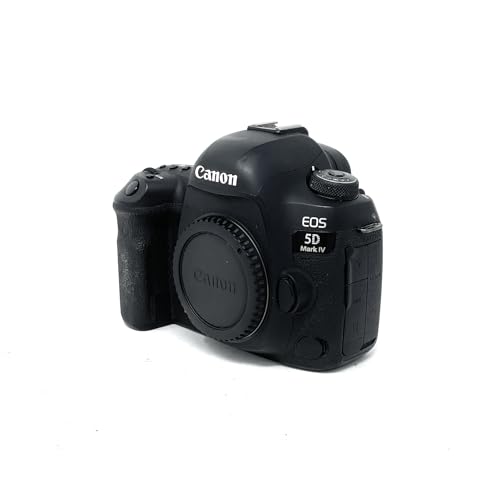
Canon EOS 5D Mark IV review. Compare 108 technical specifications and user reviews to see how it ranks among cameras and if it is worth buying.
Overall score
What it is: An overall evaluation of the camera's quality, based on technical analyses and user reviews.
When it matters: When you need a quick reference to identify the best cameras on the market.
Score components:
90.0%
Technical Score
10.0%
User score
Technical Score
What it is: An assessment of the camera's technical performance, covering eight key areas: image quality, autofocus, video features, stabilization, lens compatibility, connectivity, battery, and design.
When it matters: When you want to compare cameras based on technical performance and available features.
Score components:
28.0%
Sensor & Image
25.0%
Photo Features
18.0%
Video & Audio
14.0%
Display & Design
8.0%
Battery & Power
7.0%
Connectivity & Storage
User score
What it is: A rating that combines user reviews and the total number of reviews received by the camera.
When it matters: When real-world owner satisfaction and review volume matter to your decision.
Score components:
70.0%
User reviews
30.0%
Popularity
Score components:
25.0%
Sensor size
20.0%
Main camera megapixels
20.0%
Dual card slots
15.0%
N. of focus points
10.0%
RAW photo capture
10.0%
Phase-detection autofocus (photos)
Score components:
35.0%
Weight
30.0%
Battery life (CIPA)
20.0%
Sensor-shift stabilization
15.0%
GPS
Score components:
30.0%
Price
20.0%
Weight
20.0%
AF tracking
20.0%
Battery life (CIPA)
10.0%
Touchscreen
Score components:
30.0%
Main camera megapixels
25.0%
Sensor size
20.0%
Main camera pixel size
15.0%
Sensor-shift stabilization
10.0%
RAW photo capture
Score components:
30.0%
Weight
25.0%
Thickness
20.0%
AF low-light sensitivity
15.0%
Sensor-shift stabilization
10.0%
Eye detection AF (human)
Score components:
30.0%
Sensor size
25.0%
Main camera pixel size
20.0%
Eye detection AF (human)
15.0%
Main camera megapixels
10.0%
Sensor-shift stabilization
Score components:
30.0%
Weight
25.0%
Battery life (CIPA)
20.0%
Min operating temperature
15.0%
Sensor-shift stabilization
10.0%
GPS
Available: ranking among products currently available (including other versions of this product).
All: ranking among all products in the database.
#3 in Best Canon DSLR Cameras
#5 in Best DSLR Cameras
#5 in Best SLR Cameras
#14 in Best Canon Digital Cameras
#14 in Best Canon EOS Cameras
#38 in Best Low Light Cameras
#56 in Best Cameras
#56 in Best 4K Cameras
#56 in Best Digital Cameras
#124 in Best Travel Cameras
#163 in Best Cameras for Hiking
What it is: An assessment of the camera's technical performance, covering eight key areas: image quality, autofocus, video features, stabilization, lens compatibility, connectivity, battery, and design.
When it matters: When you want to compare cameras based on technical performance and available features.
Score components:
28.0%
Sensor & Image
25.0%
Photo Features
18.0%
Video & Audio
14.0%
Display & Design
8.0%
Battery & Power
7.0%
Connectivity & Storage
What it is: A rating that combines user reviews and the total number of reviews received by the camera.
When it matters: When real-world owner satisfaction and review volume matter to your decision.
Score components:
70.0%
User reviews
30.0%
Popularity
What it is: An indicator that combines the camera's overall rating with its cost.
When it matters: When you want to know how much overall quality you get for the price.
Score components:
60.0%
Overall score
40.0%
Price
Importance: HIGH
Good value: Full frame or larger
Importance: HIGH
Good value: At least 20 MP
Importance: HIGH
Good value: At least 3.5 µm
Importance: LOW
Importance: MEDIUM
Good value: At least ISO 25,600
Importance: MEDIUM
Importance: MEDIUM
Good value: At least 14-bit
Importance: LOW
Importance: LOW
Importance: LOW
Importance: LOW
Importance: LOW
Importance: LOW
Importance: LOW
Importance: LOW
Importance: MEDIUM
Importance: LOW
Importance: LOW
Importance: LOW
Importance: LOW
Importance: LOW
Importance: HIGH
Good value: At least 200 points
Importance: HIGH
Importance: MEDIUM
Importance: LOW
Importance: LOW
Importance: MEDIUM
Importance: MEDIUM
Importance: HIGH
Good value: At least 5 stops
Importance: LOW
Importance: MEDIUM
Good value: At least 10 fps
Importance: LOW
Importance: LOW
Importance: LOW
Importance: LOW
Importance: LOW
Importance: LOW
Importance: LOW
Importance: LOW
Importance: LOW
Importance: LOW
Importance: LOW
Importance: LOW
Importance: LOW
Importance: LOW
Importance: LOW
Importance: LOW
Good value: At least 200,000 actuations
Importance: LOW
Good value: At least 10x
Importance: HIGH
Good value: At least 3840 px
Importance: MEDIUM
Good value: At least 200 Mbps
Importance: MEDIUM
Good value: At least 10-bit
Importance: LOW
Importance: LOW
Importance: LOW
Importance: LOW
Importance: LOW
Importance: LOW
Importance: LOW
Good value: At least 30 min
Importance: LOW
Importance: LOW
Importance: LOW
Importance: LOW
Importance: LOW
Good value: At least 2 microphones
Importance: LOW
Importance: LOW
Importance: LOW
Importance: LOW
Importance: MEDIUM
Good value: 500 g or less
Importance: LOW
Importance: LOW
Importance: LOW
Importance: MEDIUM
Importance: MEDIUM
Good value: At least 2.36 million dots
Importance: LOW
Good value: 100%
Importance: LOW
Importance: LOW
Good value: At least 120 Hz
Importance: MEDIUM
Good value: At least 3 in
Importance: LOW
Importance: LOW
Importance: LOW
Importance: LOW
Importance: LOW
Importance: LOW
Importance: LOW
Good value: At least 10 m
Importance: LOW
Importance: LOW
Importance: LOW
Importance: LOW
Importance: MEDIUM
Good value: At least 400 shots
Importance: LOW
Good value: At least 1,500 mAh
Importance: LOW
Importance: LOW
Importance: LOW
Importance: LOW
Importance: LOW
Importance: LOW
Importance: LOW
Importance: LOW
Importance: LOW
Importance: LOW
Importance: LOW
Importance: LOW
Importance: LOW
Importance: LOW
Importance: LOW
Importance: LOW
Importance: LOW
Importance: LOW
Importance: HIGH
Importance: MEDIUM
Good value: At least ISO 25,600
Importance: MEDIUM
Good value: At least 200 Mbps
Importance: HIGH
Good value: At least 20 MP
Importance: HIGH
Good value: At least 3.5 µm
Importance: MEDIUM
Good value: At least 400 shots
Importance: LOW
Importance: LOW
Importance: MEDIUM
Good value: 500 g or less
Importance: LOW
Good value: At least 2 microphones
Importance: LOW
Importance: LOW
Importance: LOW
Importance: MEDIUM
Importance: LOW
(Reviews last updated: July 2026)
The Canon EOS 5D Mark IV is a refined, versatile 30.4MP full-frame DSLR featuring a 7 fps burst rate, greatly improved dynamic range, and superior Dual Pixel AF for fast, accurate tracking in Live View. The inclusion of a responsive touchscreen enhances handling, while the 61-point AF system offers improved coverage for stills photographers. Conversely, the review notes significant limitations, including 4K video that suffers from a heavy 1.64x crop, a space-inefficient Motion JPEG codec, and severe rolling shutter. Additionally, the screen is fixed rather than tilting, and the Dual Pixel RAW format creates large files with limited practical utility.
The Canon EOS 5D Mark IV remains a solid, highly reliable professional DSLR workhorse, though its 2016 origin shows when compared to modern counterparts. It features a robust, weather-sealed build with excellent ergonomics and a bright 100% coverage optical viewfinder. Image quality from its 30.4-megapixel full-frame sensor stands out, delivering organic noise control at low-to-medium ISO settings and high resolution that outperforms common 24MP rivals. Additional operational strengths include an active 3.2-inch high-resolution touchscreen that simplifies menu navigation, and highly responsive Dual Pixel CMOS autofocus that drastically improves live view shooting and video performance over older iterations. However, the camera falls short in dynamic range at mid-to-high ISO levels and features a modest 7fps burst rate that lags behind newer models. For videographers, the DCI 4K capture introduces a heavy 1.64x sensor crop factor that severely complicates wide-angle framing, restricts files to Motion JPEG, and lacks a flat gamma profile. Physical design compromises include a fixed rear display screen that cannot tilt for low-angle compositions, and a dated dual storage setup combining one SD slot with a less practical CompactFlash...
The Canon 5D Mark IV is a powerful DSLR camera designed for enthusiasts and professional photographers who need a versatile "workhorse" for their daily shooting. It brings major upgrades over its predecessor, featuring a 30.4-megapixel full-frame sensor and an advanced 61-point autofocus system that excels in low-light conditions. It is the first camera in the 5D series to include a responsive 3.2-inch LCD touchscreen, which allows users to easily pinch and zoom to check image focus. Additional handy upgrades include built-in Wi-Fi for remote shooting and seamless file transfers, built-in GPS for tracking photo locations, and an extra 1fps increase in continuous shooting speed. While it serves as an excellent all-rounder for wedding, fashion, and portrait photography, it does miss out on an in-built image stabilization feature. Pros and Cons Pros: The camera boasts a highly responsive 3.2-inch touchscreen and a wider ISO range with excellent low-light performance. It includes helpful built-in Wi-Fi and GPS tracking, and it can record Cinema 4K video at up to 30fps. Cons: On the downside, the camera lacks a tilting or vari-angle screen. Its...
Conversely, the review notes significant limitations regarding 4K video, specifically the inefficient Motion JPEG compression that creates massive file sizes and requires high-capacity storage. Additional drawbacks include a substantial 1.64x crop factor when shooting in 4K and a lack of a built-in flat gamma profile for advanced, flexible video work.
The Canon 5D Mark IV serves as a durable, professional workhorse camera well-suited for wedding and portrait photography. The reviewer highlights several standout features, including the exceptionally fast, accurate, and reliable Dual Pixel Live View autofocus with face detection capabilities. Its 30-megapixel sensor delivers breathtaking image quality, offering realistic skin tones, high dynamic range for shadow recovery, and clean high-ISO performance up to 12,800 for dim ambient lighting. Additional pros include a 10X digital zoom feature for manual macro focusing, highly customizable external buttons to swap focus modes or change ISO on the fly, and a rugged magnesium-alloy frame built to withstand harsh weather conditions. Despite these strengths, the reviewer notes a few prominent design drawbacks. The magnesium-alloy build makes the body feel physically bulky and heavy, which strains the arms when holding the camera out for extended periods. Because the camera is a traditional DSLR, it lacks an electronic viewfinder (EVF) to preview exposure or white balance before shooting. Finally, the camera lacks a built-in 10-second timer with a multi-photo burst mode, and the alternative Canon Connect mobile app...
Canon EOS 5D Mark IV Review Summary The Canon EOS 5D Mark IV excels as a high-quality workhorse for stills photography, offering exceptional 30-megapixel resolution, clean image quality, and accurate color tones even at high ISO settings up to 12,800. Upgrading from older models like the Mark II delivers substantial performance gains, including a faster continuous shooting speed of 7fps, highly responsive Dual Pixel CMOS autofocus, and a helpful rear touch screen. Additional operational pros include full Auto ISO functionality in manual mode—which streamlines low-light event photography—built-in Wi-Fi, NFC, GPS, and a robust, familiar build quality. However, the reviewer found the highly publicized "Dual Pixel RAW" feature to be practically useless due to minimal flexibility and bloated file sizes. While the camera shines for photography, its video capabilities suffer from significant engineering flaws and a steep launch price, making it a poor choice for dedicated videographers. A major con is the excessive rolling shutter "jello" effect, which occurs even when the camera is locked down on a tripod with a telephoto lens. The camera records internal 4K video using an...
The Canon EOS 5D Mark IV is a versatile 30.4-megapixel professional DSLR, offering a 17% resolution increase, 7 fps continuous shooting, and a significantly improved 61-point AF system, notes The-Digital-Picture.com. Key advantages include Dual Pixel RAW for post-capture adjustments, a reduced-vibration mirror mechanism for sharper images, and robust construction. However, the camera features a significant 1.74x crop factor when shooting 4K video, which relies on the outdated Motion JPEG codec with large file sizes. Other limitations include the lack of UHS-II SD card support and a fixed rear LCD screen.
In his review, Dustin Abbott describes the Canon EOS 5D Mark IV as a significant upgrade, highlighting the 30.4MP sensor and vastly improved dynamic range for shadow recovery. The camera is praised for its sophisticated 61-point AF system, a responsive touchscreen, and useful additions like Wi-Fi and GPS. Conversely, the 4K video functionality is criticized for its heavy 1.74x crop factor and inefficient Motion JPEG codec that produces massive file sizes. Additionally, the Dual Pixel RAW feature is deemed a gimmick due to its minimal real-world impact and large file sizes. YouTube
The Canon EOS 5D Mark IV, as reviewed by ePHOTOzine, features a 30.4-megapixel full-frame sensor, a 61-point AF system, and a 7fps continuous shooting speed, delivering excellent image quality with improved high ISO performance. Key pros include enhanced weather sealing, a responsive 3.2-inch touchscreen, built-in Wi-Fi/GPS, and the innovative Dual Pixel Raw Optimizer for post-production adjustments. Conversely, the camera is quite heavy and features a high, over-£3000 price point, with limited improvements in continuous shooting speed over the Mark III. Additional cons include reduced dynamic range at low ISO settings and significant noise beyond ISO 25600.
about buying a new camera, I can help you choose the best fit for your needs. Could you tell me a bit more about what you plan to shoot? What is your primary subject matter (e.g., portraits, landscapes, wildlife, or high-end video production)? What is your preferred camera build type (e.g., traditional full-sized DSLR or a more compact mirrorless body)? What is your overall target budget for the camera body and lenses?
The PCMag review of the Canon EOS 5D Mark IV praises it as an outstanding, pro-grade DSLR that perfectly balances high resolution, speed, and robust build quality, notes PCMag UK. Key strengths include a 30.4-megapixel sensor with excellent noise handling, 7fps continuous shooting, a reliable 61-point AF system, and a responsive 3.2-inch touchscreen with Dual Pixel AF. However, the review highlights significant limitations, specifically noting that 4K video is heavily cropped and produces massive file sizes, while the much-hyped Dual Pixel Raw feature offers only marginal benefits with a performance penalty. Furthermore, the professional body lacks an in-body flash and HDMI output is limited to 1080p, according to PCMag UK.
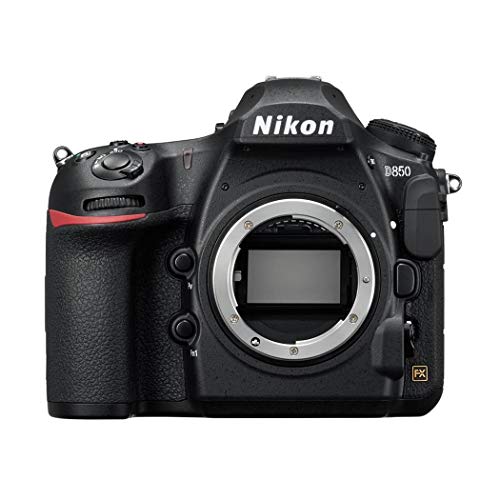
The Amateur Photographer field test highlights the Canon EOS 5D Mark IV as a reliable, weather-sealed workhorse featuring an upgraded 30.4-megapixel sensor, a 50% higher resolution 3.2-inch touchscreen, and an efficient "Q" menu. The camera, which performs well in harsh environments, offers a responsive touch-to-focus feature during Live View. Amateur Photographer However, the review points to significant cons, including a fixed rear screen that limits flexibility, the lack of pre-installed C-Log for video, and a lower resolution compared to competitors like the Nikon D850 or Sony Alpha 7R III. The review suggests the 30.4MP sensor may lag behind competitors of its era, impacting its value proposition.
The Canon EOS 5D Mark IV stands out as a highly reliable full-frame DSLR that seamlessly balances high-resolution photography with advanced video capabilities. Built with a rugged magnesium alloy body and a familiar control layout, it features a 30-megapixel sensor that delivers exceptional detail, high edge sharpness, and excellent low-light performance up to ISO 3,200. Key hardware improvements include a sharp 3.2-inch touchscreen, built-in GPS, Wi-Fi, NFC, and a faster USB 3.0 port. A major technical highlight is the debut of Dual Pixel RAW, which allows photographers to fine-tune the focus point by a few millimeters during post-processing using Canon's included software. On the downside, the camera offers relatively few groundbreaking updates specifically tailored for pure still photographers compared to its predecessor, and image noise increases exponentially once you exceed ISO 6,400. Furthermore, Dual Pixel RAW significantly increases file sizes while only offering minimal focus adjustments. For multimedia creators, the camera captures sharp Cinema 4K video at 30 frames per second alongside an HDR video mode, complete with dedicated microphone and headphone jacks. However, video recording relies on the outdated,...
The Canon EOS 5D Mark IV is a professional-grade full-frame DSLR evaluated by fotoMAGAZIN as a powerful, well-evolved upgrade that firmly cements itself in the professional class, despite a steep launch price of around €4,000. The camera's standout pros include a major leap in JPEG image quality and resolution driven by an 8-megapixel increase over its predecessor, keeping noise excellently low and sharpness remarkably high up to ISO 1600, while remaining highly usable up to ISO 12,800. Photographers benefit from a rugged, weather-sealed build comparable to the EOS 7D Mark II, a tougher shutter mechanism tested for 200,000 cycles, a redesigned low-vibration mirror mechanism, and integrated Wi-Fi and GPS modules. Additionally, it features full touchscreen controls on its 3.2-inch monitor and an exceptional Dual Pixel CMOS AF system that allows rapid, smooth focus tracking during Live View and video capture. Its 61-point viewfinder autofocus is highly sensitive down to -3 EV and supports teleconverter combinations across all 61 points at f/8, further augmented by an improved 150,000-pixel exposure metering sensor.
The Canon EOS 5D Mark IV is a highly capable all-rounder DSLR that balances excellent image quality with reliable performance. Its newly developed 30.1-megapixel full-frame sensor delivers exceptional detail and keeps image noise impressively low, making images virtually noise-free up to ISO 1,600 and highly usable up to ISO 6,400. The camera boasts a fast continuous shooting speed of up to 7 frames per second, backed by an improved buffer that allows for unlimited JPEGs or up to 26 RAW files in a single burst when using a fast CompactFlash card. Furthermore, its autofocus system has been upgraded with a 61-point viewfinder AF and a drastically improved Dual Pixel CMOS AF system that speeds up live view focusing to just 0.25 seconds, solving a major bottleneck of its predecessor. Users will also appreciate the rugged, weather-sealed magnesium alloy build, an intuitive touch-screen interface, dual CF and SD card slots, and built-in GPS, Wi-Fi, and NFC connectivity. Despite these strengths, the review highlights significant drawbacks, particularly regarding video features and specialized modes. While 4K video quality is excellent, it is heavily...
The Canon EOS 5D Mark IV is a highly reliable full-frame DSLR "workhorse" that excels in stability and image quality across various professional fields, such as studio, wedding, portrait, and product photography. The reviewer notes that the camera never failed during testing and handles harsh weather conditions remarkably well. Key advantages include a quiet "Silent-Modus" ideal for weddings and wildlife, strong high-ISO performance that minimizes noise in dark venues, an intuitive, well-structured menu system, and a highly functional 3D leveling tool. Additionally, the reliable CF card slot, efficient sensor cleaning, and Canon's excellent customer service add significant professional value. Despite its reliability, the reviewer outlines major drawbacks, criticizing Canon for lacking innovation and pricing the camera far too high compared to modern competitors. A major functional flaw for wedding and reportage work is that Auto-ISO defaults strictly to ISO 400 when using a flash. The camera also suffers from a restrictive image buffer that fills up too quickly, and it lacks features like an articulated tilt-screen or built-in focus bracketing. Furthermore, its bulky, heavy design makes it impractical for travel...
The Rosegold & Marble review highlights the Canon EOS 5D Mark IV as a versatile full-frame DSLR featuring a 30.4-megapixel sensor that delivers high resolution, exceptional low-light performance up to ISO 6400, and improved dynamic range. Key strengths include reliable Dual Pixel autofocus, a responsive touchscreen, and built-in Wi-Fi/GPS for enhanced workflow, making it a robust choice for photographers. Conversely, the review identifies significant drawbacks, particularly the heavy, outdated Motion JPEG codec for 4K video recording which results in massive file sizes. The high initial price point and limited video features make it less ideal for videographers, despite its stellar performance for stills.
The Canon EOS 5D Mark IV is a high-end 30.4-megapixel full-frame DSLR praised for its exceptional image quality, wide dynamic range, and vibrant colour reproduction. In his practical test around Freiburg, the reviewer noted that the camera delivers perfectly exposed shots at a baseline setting and shows outstanding noise performance up to ISO 6,400. Structurally, it features a robust, weather-sealed magnesium chassis, an integrated GPS and Wi-Fi system, dual card slots (CF and SD), a dedicated joystick, and a snappy 61-point autofocus system that handles low-light conditions with ease. However, the reviewer identified several notable drawbacks, particularly for non-professional or travel use. The most significant complaint is the fixed, non-tilting touchscreen display, which complicates low-angle and over-head shooting compared to the reviewer's own Canon EOS 6D Mark II. Additionally, the continuous shooting speed feels somewhat sluggish when shooting in RAW, the 4K video functionality comes with a heavy 1.7x crop factor alongside enormous file sizes, and the Dual-Pixel RAW feature provides only minimal focus adjustments at the cost of doubling file sizes. Given its high price tag and the shift...
The Canon EOS 5D Mark IV is a robust, professional-grade DSLR featuring a 30.4-megapixel sensor, DIGIC 6+ processor, and a highly responsive 61-point autofocus system for detailed, fast-paced shooting. Notable pros include exceptional weather-sealed construction, excellent low-light performance, and user-friendly features like a touchscreen and built-in connectivity. While versatile, the review notes limitations, including a gradual reduction in sharpness and resolution above ISO 1600, despite high acceptable ISO performance. Additionally, high-quality 4K video recording requires significant post-processing, and utilizing specialized features like Dual Pixel Raw necessitates specific software.
The Canon EOS 5D Mark IV is a versatile professional DSLR that balances high-resolution photography with modern connectivity. It features a 30.4 MP full-frame sensor equipped with Dual Pixel AF technology, which provides smooth and precise autofocus during live view and video recording. The camera excels in performance with a 61-point autofocus system (the same as the flagship 1D X Mark II) and a 7 fps burst rate, making it highly capable for action shots. Key strengths include its built-in GPS and Wi-Fi, a high-quality touchscreen interface, and excellent weather-sealed construction that maintains the series' reputation for durability. Despite these advancements, the review highlights several compromises, particularly for videographers. While the camera introduces 4K video, it suffers from a significant 1.74x crop factor and uses an outdated MJPEG codec, resulting in massive file sizes. Notable hardware omissions include the lack of an articulated screen, no illuminated buttons for dark environments, and the absence of a fully silent shutter mode. Additionally, while the new Dual Pixel RAW feature allows for post-capture micro-adjustments to focus and bokeh, the review notes that its...
The Labo Fnac review evaluates the Canon EOS 5D Mark IV as an exceptional, top-tier DSLR camera. Despite the declining popularity of reflex cameras compared to modern mirrorless options, the camera earned a perfect 5 out of 5 stars due to its flawless performance. The laboratory testing praises its outstanding 30-megapixel full-frame sensor, highlighting its incredible optical quality, color rendering, and generous resolution. Combined with the Canon EF 24-105mm f/4L IS II USM lens, it achieved near-perfect scores across grand angle, standard, and telephoto usages. The review explicitly outlines several key performance metrics: Pros: Flawless optical quality (scored 10/10), high image definition (scored 10/10), accurate colorimery (scored 9/10), and exceptional low-light capability (scored 9/10) where digital noise is remarkably well-controlled. Cons: The testing team explicitly states they have absolutely nothing to complain about regarding its technical capabilities. However, the review notes minor real-world drawbacks through its technical specifications and user feedback, such as a heavy weight of 1,661 grams (with the tested lens setup), an initial learning curve due to complex functionalities, and a lack of modern connectivity features like...
The Canon EOS 5D Mark IV is a highly versatile and robust full-frame DSLR camera designed for professional photographers and demanding videographers. Its standout features include a high-resolution 30.4-megapixel Dual Pixel CMOS sensor that delivers exceptional detail, sharpness, and color rendering even in low-light environments up to 32,000 native ISO. The camera boasts an elite 61-point autofocus system inherited from the flagship 1D X Mark II, enabling nearly instantaneous tracking and lock-on capability. Additional operational highlights include a swift continuous shooting speed of 7 frames per second, a precise 3.2-inch touchscreen interface, dual SD/CompactFlash card slots, a durable magnesium alloy body with weather sealing, and a robust battery life of up to 900 shots per charge. Despite its premium features, the camera has notable limitations, particularly for modern video production. The most prominent drawbacks are a substantial 1.64x crop factor when shooting in 4K resolution—which heavily restricts wide-angle framing—and the lack of a built-in body stabilization system. The rear LCD screen, while highly responsive to touch commands, remains completely fixed and cannot be tilted or articulated. Video shooters will also...
The Canon EOS 5D Mark IV achieved a strong overall score of 91 in DxOMark's raw-performance sensor testing, placing it first among all Canon full-frame cameras at its time of release. Its biggest technical advancement is a significant jump in dynamic range (landscape score) to 13.6 EV, which is a massive upgrade of nearly 2 EV over the 5D Mark III at low ISO sensitivities. Despite its higher resolution of 30.4 megapixels, the camera manages to keep up with the professional 1D X Mark II across all metrics and offers slightly improved colour depth alongside minor low-light noise control improvements over its predecessor. However, the camera still falls short of rival sensors when compared to its stiffest competition from other brands. The Sony A7R II and Nikon D810 retain the top spots in the global rankings with scores of 98 and 97 respectively. At very low ISO ranges, the 5D Mark IV suffers from a minor deficit of 1 bit in colour depth compared to Nikon, and 1.5 bits compared to Sony. Additionally, despite a notable price hike that initially...
The Canon EOS 5D Mark IV achieved an overall sensor score of 91 points from DXOMARK, establishing it as the highest-ranked Canon DSLR in their database at the time of testing. Evaluated across distinct shooting disciplines, the camera earned specific sub-scores including 24.8 bits for color depth (Portrait), 13.6 EV for dynamic range (Landscape), and a low-light ISO score of 2995 (Sports). DxOMark A core pro highlighted by the sensor evaluation is its significant architectural advancement over its predecessor, offering an impressive, nearly two-stop advantage in base ISO dynamic range. This makes it much easier to recover clean shadow detail with low noise. Conversely, a notable con emerges when comparing it to rivals; despite massive internal strides, the sensor still falls short of contemporary competition like the Nikon Z7II and Sony A7R III, both of which attained perfect scores of 100 on the DXOMARK sensor tier.
In this review, portrait photographer Anthony Passant evaluates the Canon EOS R from the perspective of an EOS 5D Mark IV user, highlighting several key advantages of Canon's first full-frame mirrorless camera. A major benefit is its lightweight and compact body, weighing just 580g compared to the 5D Mark IV’s 890g, which greatly reduces physical fatigue during long shoots. The camera features an innovative electronic viewfinder (EVF) that offers real-time exposure previews and eye-level zooming, alongside a flexible fully-articulating touchscreen and a helpful top control screen. Performance pros include a completely silent shutter, an expansive 5,655 autofocus points, native C-Log support, and an included EF-to-RF lens adapter that allows seamless use of existing EF lenses. However, the reviewer notes significant drawbacks, particularly regarding the software ecosystem and post-processing flexibility. At launch, the new.CR3 RAW files lacked native compatibility with widespread software like Capture One and DxO, forcing reliance on Canon's less intuitive Digital Photo Professional software. Furthermore, the RAW data offers less dynamic flexibility than the 5D Mark IV, as highlight recovery darkens the entire frame and white balance adjustments...
The Xataka Foto review describes the Canon EOS 5D Mark IV as a solid, continuous evolutionary upgrade rather than a revolutionary leap over its predecessor. The main advantages highlighted include a new 30.4-megapixel CMOS sensor that boosts image detail, color naturalness, and dynamic range, alongside a fast and precise Dual Pixel CMOS AF system. Photographers will benefit from built-in GPS and Wi-Fi/NFC connectivity, an improved 7 fps burst rate, and a robust, weather-sealed magnesium alloy body. Additionally, the inclusion of a high-resolution touchscreen display significantly improves menu navigation and focus control during video recording. On the downside, the review criticizes the camera's high launch price of 3,999 euros, making it notably more expensive than its previous iteration. The 4K video recording feature comes with a heavy 1.64x sensor crop, limiting wide-angle shooting options. Furthermore, activating integrated features like GPS and Wi-Fi leads to a significantly higher battery consumption. Finally, the reviewer laments that the rear display is not articulated or tilting, missing an opportunity to maximize its utility for tricky angles and video workflows without compromising the camera's robust build...
The Canon EOS 5D Mark IV is a highly versatile, professional Full-Frame DSLR camera that delivers exceptional improvements in photography, though it falls short in its video capabilities. On the positive side, the camera introduces a brand-new 30.4-megapixel sensor that offers outstanding colorimetry, a massive 2 EV improvement in signal-to-noise ratio, and a dramatically improved dynamic range with an excellent ability to recover shadows without color degradation,,. Ergonomically, it remains robust, intuitive, and weather-sealed, featuring a highly functional 3.2-inch touchscreen, integrated Wi-Fi and GPS, and a highly accurate Dual Pixel AF system in Live View that allows for smooth subject tracking,. However, the camera suffers from significant drawbacks, particularly for video professionals. The 4K video functionality is highly impractical due to its highly inefficient Motion JPG codec, which consumes excessive storage space (requiring a 128GB card for just 16 minutes of footage),. Additionally, 4K video recording forces an excessive sensor crop factor, lacks a clean 4K HDMI output, lacks focus peaking, and requires a paid upgrade to access C-Log. On the photography side, the image processing feels a bit sluggish...
The Canon EOS 5D Mark IV is a highly reliable, professional-grade DSLR featuring a 30.4-megapixel full-frame sensor and a powerful dual-processor system (Digic 6 and Digic 6+). It delivers exceptional still-image quality with sharp details, faithful skin tones, and an impressive 61-point autofocus system that excels in low light down to -3EV. The camera body boasts rugged, weather-sealed construction, a very bright optical viewfinder with 100% coverage, and a highly responsive 3.2-inch touchscreen display. Additionally, it integrates functional features like Dual Pixel CMOS AF for smooth live view performance, an intelligent RGB+IR metering system, built-in GPS, Wi-Fi, and dual memory card slots (CF and SD). Despite its strong legacy as a versatile workhorse, the camera shows its age when compared to modern 24MP and 45MP+ rivals. Its most notable drawbacks include a restrictive, fixed rear screen that does not tilt, and a heavy 1.64x crop factor when recording DCI 4K video, which severely limits wide-angle filming. The 4K video is also restricted to a cumbersome Motion JPEG format without any flat gamma profile options. Furthermore, its continuous burst speed maxes...
The Canon EOS 5D Mark IV is a versatile, high-end professional SLR camera designed to succeed the highly successful 5D Mark III. The camera retains the classic, robust, weather-sealed metal body design of its predecessor but introduces significant technological advancements. Key upgrades include a 30.4-megapixel full-frame Dual Pixel CMOS sensor, a DIGIC 6+ image processor, an enhanced phase-detection autofocus system with 61 high-density points, and a 3.2-inch touchscreen LCD. It delivers excellent color fidelity, improved dynamic range, and a burst shooting speed of 7 frames per second, making it highly effective for diverse environments ranging from studio photography to street and sports photography. Notable strengths (pros) highlighted in the review include its professional weather-resistant construction, exceptional image quality, precise automatic white balance (incorporating a new ambience priority mode), and highly reliable photometry. Its high ISO performance is outstanding, providing very usable results up to ISO 6,400 and 12,800. The innovative Dual Pixel RAW format allows for critical focus micro-adjustments, and the inclusion of 4K video recording, Wi-Fi, NFC, and GPS adds modern functionality. On the downside (cons), the reviewer criticizes...
In this review from the Canonistas community forum, user pixeldepot shares hands-on impressions of the Canon EOS 5D Mark IV after several weeks of testing, comparing it heavily to its predecessor, the 5D Mark III. The reviewer praises the camera's highly robust, metallic build quality and its familiar button layout, which provides excellent continuity for existing users. Key performance highlights include a 30% resolution increase to 30.4 megapixels, an excellent autofocus system shared with the flagship EOS 1D X Mark II that excels in low-light and continuous tracking, and an integrated 3.2-inch touchscreen that drastically simplifies menu navigation and Live View focus points. Most notably, the reviewer commends the camera's vibrant and highly realistic color management, making it precise enough to replace medium-format gear for art reproductions, alongside a vastly improved dynamic range and exceptional high-ISO noise control that maintains color fidelity even beyond ISO 16,000. However, the review highlights several distinct limitations and caveats for potential buyers. A major drawback of the new Dual Pixel RAW technology is its lack of broad software compatibility; the reviewer notes that its...
The Canon EOS 5D Mark IV is a highly versatile, professional-grade DSLR that brings significant upgrades in performance, resolution, and autofocus functionality over its predecessor, the Mark III. A standout pro is its new 30.4-megapixel full-frame CMOS sensor, which balances high-resolution image quality with a faster continuous burst rate of 7 frames per second and an unlimited JPEG buffer. The integration of Dual Pixel CMOS AF vastly improves autofocus performance during Live View and video tracking, bringing shutter lag on par with the flagship 1D X Mark II. Additionally, the autofocus points cover a wider vertical area and are fully functional down to f/8, enhancing low-light capability and telephoto compatibility. The camera body adds built-in GPS, Wi-Fi, and a highly responsive 3.2-inch touchscreen interface. On the downside, several notable cons limit its efficiency, particularly regarding battery and video workflows. The battery lifespan has slightly decreased to 900 shots compared to the Mark III's 950, dropping sharply to just 200–250 shots when shooting continuously in Live View. While the inclusion of 4K video recording is a major addition, it is highly...
The Canon EOS 5D Mark IV is a high-performance full-frame DSLR with a 30-megapixel sensor, praised for exceptional color depth and dynamic range, making it ideal for portrait and landscape photography. It boasts an advanced autofocus system, robust tropicalization for harsh weather, and dual card slots. However, the review highlights significant drawbacks in ergonomics, noting the camera is exceptionally large and heavy at 890 grams, which affects handling comfort over extended use. Despite these physical limitations, it scores high across various disciplines, including street and everyday photography.
The Canon EOS 5D Mark IV is a high-end, full-frame DSLR camera designed for professional and advanced amateur photographers, retailing around €1,570.90. It delivers excellent image quality via a 30.4-megapixel CMOS sensor and a Digic 6+ processor, representing a 30% improvement in detail and significantly enhanced high-ISO performance compared to its predecessor. The camera stands out for its robust, weather-sealed construction, extensive physical layout, and an updated 61-point autofocus system inherited from the flagship 1DX Mark II, ensuring rapid and precise tracking. Additionally, it introduces an intuitive 3.2-inch touchscreen display for seamless settings and macro focus manipulation, integrated Wi-Fi, NFC, and GPS for streamlined geotagging and workflow efficiency. On the downside, the camera proves less optimal for sports, action, and dedicated video production. While it boasts a 7 fps burst rate, its memory buffer fills within three seconds and takes a long time to clear when shooting in RAW, falling short of modern action photography standards. For videographers, Cinema 4K recording is heavily bottlenecked by a massive 1.7x sensor crop that alters standard focal lengths, no internal image stabilisation, and...
The Canon EOS 5D Mark IV is a full-frame DSLR camera equipped with a 30.4-megapixel CMOS sensor and a DIGIC 6+ processor, originally launched in 2016. Designed for professionals and advanced enthusiasts, the camera delivers excellent image detail, highly natural performance at high ISO levels, and a near-perfect ergonomic experience with a deeply gripped, weather-sealed body. It features an advanced 61-point Dual Pixel CMOS autofocus system that provides fast, precise face tracking and subject monitoring. Additionally, it introduces Dual Pixel RAW technology, allowing photographers to make fine adjustments to sharpness, bokeh shift, and ghosting reduction during post-production. Despite its strong foundational performance, the review highlights several limitations that make the camera show its age against modern mirrorless competitors. On the negative side, its continuous shooting speed is limited to a slow 7 frames per second with a sluggish buffer, making it poorly suited for high-speed sports photography. The video department suffers from an aggressive 1.74x crop factor when shooting in 4K, massive uncompressed M-JPEG file sizes, and a strict 30-minute recording limit. Furthermore, the 3.2-inch rear touchscreen is fixed, and...
The Canon EOS 5D Mark IV is a highly versatile and professional-grade DSLR that introduces meaningful upgrades across nearly all of its internal components. The review highlights several notable pros, starting with its new 30.4-megapixel Dual Pixel CMOS sensor, updated light meter, and faster processor, which collectively refresh the camera's image processing pipeline. The autofocus system has been significantly improved, and continuous shooting speed sees a slight boost. Additionally, users gain an extensive set of modern, full-option features built right into the body, including integrated Wi-Fi, GPS, 4K video recording, and a fully functional touchscreen interface that can be utilized during live photography. Because the exterior design, ergonomics, and controls remain virtually identical to the predecessor Mark III, existing Canon semi-pro users can seamlessly integrate it into their workflow without a learning curve. However, the camera also presents clear cons, most notably its steep and escalating launch price. Retailing at 4,170 Euros at launch, it positions itself at flagship-level pricing, following a trend of increasing costs within the 5D lineup. While street prices dropped to around 3,250 Euros a year...
The Canon EOS 5D Mark IV is a refined 30.4-megapixel full-frame DSLR designed for professional, high-speed workflows. Key performance features include an upgraded 61-point autofocus system with wider coverage, improved low-light capabilities with a native ISO up to 32,000, and a 10% lighter, weather-sealed body. It enhances efficiency through built-in Wi-Fi/NFC, GPS, full IPTC metadata support, and an in-camera Digital Lens Optimizer that corrects optical flaws on the fly. The camera excels with a 3.2-inch full-touchscreen LCD and significantly better ISO performance, producing cleaner images at higher sensitivities. While the review highlights its superior autofocus and connectivity, the 30.4MP resolution represents a balanced choice between image detail and file size rather than a massive leap in resolution. Overall, it is presented as a mature, versatile tool geared towards faster delivery times in a demanding professional environment.
The provided review discusses the Canon 5D Mark IV camera from a nature photographer's viewpoint, comparing it heavily to its predecessor, the 5D Mark III. The author feels that while the camera is a solid full-frame option, the upgrades are minor and do not fully justify the high price tag for those already owning the previous model. The key strengths highlighted in the review include a higher resolution of 30 megapixels, a significantly improved dynamic range that allows for better shadow recovery during photo editing, and a helpful built-in touchscreen. Additionally, the camera adds useful built-in features that were missing before, such as internal GPS, Wi-Fi connectivity for remote control, and internal interval and bulb timers for time-lapse photography. On the downside, the reviewer expresses strong disappointment with several key aspects of the camera. The biggest complaints are its incredibly high retail price and the lack of a tilting screen. Despite the technical updates, the low-light noise performance at high ISO levels shows only minor improvement because the pixels were crowded to increase resolution. The camera also suffers from a...
Canon 5D Mark IV The review evaluates whether upgrading from the popular Canon 5D Mark III to the Canon 5D Mark IV is worth its steep introduction price of €4,129. In terms of pros, the reviewer highlights a massive leap in dynamic range at low ISOs, which prevents shadows from clipping and provides rich color data in high-contrast landscape shots. The autofocus system is significantly faster, more accurate across all 61 points, and highly responsive when combined with a noticeably more sensitive shutter release button—making it easier to capture fast-moving wildlife like kingfishers. Furthermore, high ISO noise performance is greatly improved, making clean shots at ISO 6400 or higher entirely feasible. The implementation of Dual Pixel technology delivers exceptionally fast autofocus during live view tracking, and the integrated Wi-Fi, GPS, and touchscreen add convenient modern functionality. However, the camera does come with several cons and underwhelming features. The reviewer finds the heavily promoted "Dual Pixel RAW" feature mostly pointless, noting it doubles file sizes to 72MB without delivering obvious, practical benefits. Video recording in 4K is also criticized for its...
This review details photographer Johan van der Wielen’s initial experiences testing the Canon EOS 5D Mark IV across various nature photography disciplines in Drenthe, Schiermonnikoog, and Finland. Upgrading from the Mark II, he praises the camera's design and layout, which seamlessly match his 7D Mark II and eliminate operational confusion when shooting with dual bodies. Key strengths highlighted include an exceptionally fast and accurate 61-point autofocus system that excels during handheld macro shooting and action wildlife tracking, as well as an impressive dynamic range that allows photographers to pull massive amounts of shadow detail out of a single RAW exposure during sunrises without resorting to HDR software. Furthermore, its low-light performance is highly commended; shooting at ISO 12,800 yielded cleaner images, better colors, and less noise than his older Mark II did at ISO 1,600, effortlessly capturing the Milky Way and the Northern Lights. Despite the overwhelming praise, the review points out a few practical downsides and unexamined limitations. A notable downside of the camera's high-speed performance is its 7 frames-per-second continuous burst mode, which quickly creates a massive volume...
The Nandoonline Fotografie review of the Canon EOS 5D Mark IV characterizes the DSLR as a stable, evolutionary successor, highlighting superior low-light performance, increased dynamic range, and improved ISO capabilities. Key strengths include the highly responsive touchscreen and the precise, rapid Dual Pixel CMOS autofocus system, especially within Live View. Conversely, the review identifies the fixed, non-tilting rear screen as an ergonomic limitation, reducing shooting flexibility in creative scenarios. Furthermore, the analysis finds the Dual Pixel RAW feature offers limited practical benefits while requiring heavy post-processing, questioning the high price point in the face of rising mirrorless competition.
The EOSzine review crowns the Canon EOS 5D Mark IV as a significant, comprehensive upgrade and a true "all-rounder" milestone for full-frame DSLR photographers. Evaluated by Pieter Dhaeze, the camera introduces a 30-megapixel sensor (6720 x 4480 pixels), a highly sensitive 61-point autofocus system capable of finding focus in deep twilight down to -3 Ev, and a 7 frames-per-second continuous burst with an expanded tracking buffer. A major highlight is the introduction of Dual Pixel CMOS AF, which delivers incredibly fast Live View focus and enables seamless "focus pulling" via the newly added, highly responsive 3.2-inch touchscreen LCD. Furthermore, the review praises the camera’s highly improved dynamic range and shadow recovery capabilities, which effectively catch up to the competition and make single RAW exposures much easier to correct in software like Adobe Lightroom. Built-in Wi-Fi/NFC, GPS, and better overall weather sealing round out its advanced, ergonomic design. However, the review points out several notable drawbacks that users should consider. While the camera introduces 4K video recording at 25/30 fps, extracting 8.8 Mp stills from video is suggested partly to circumvent...
Compare