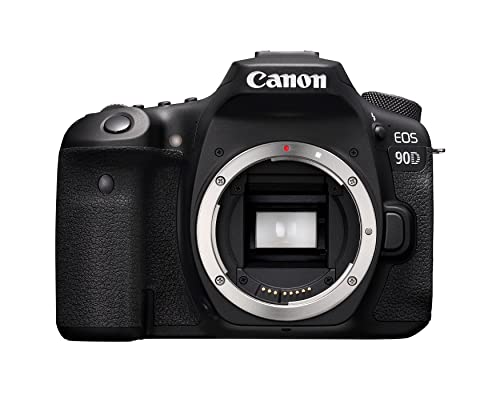
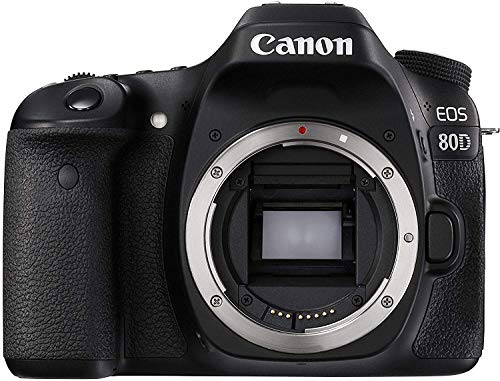
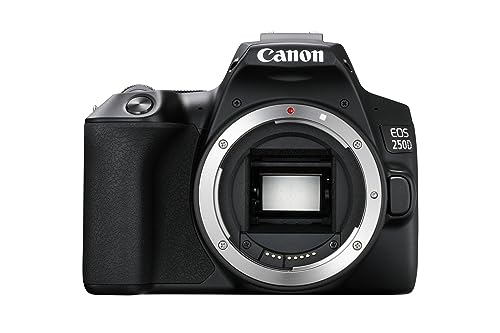
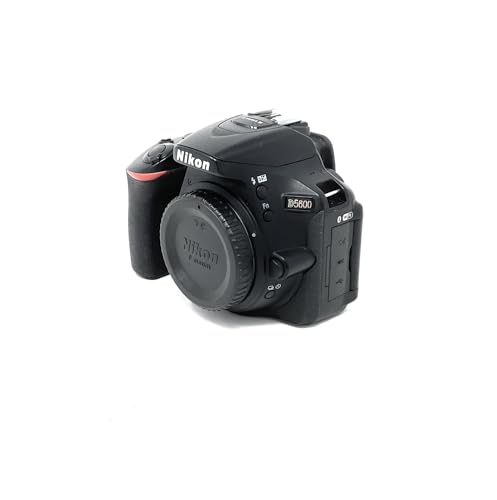
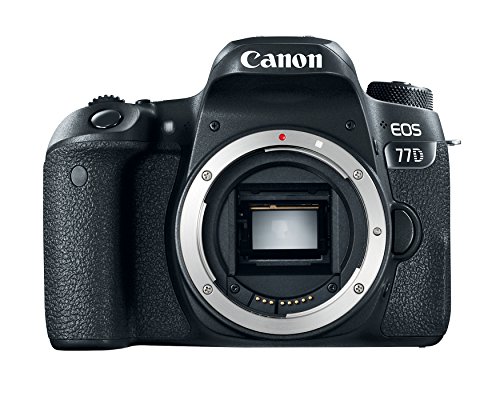
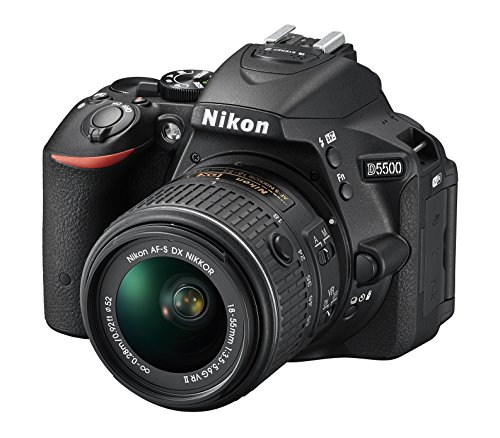
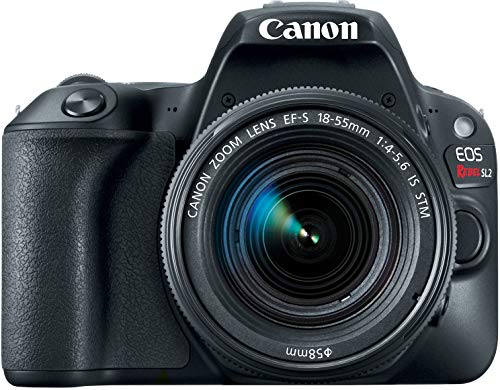
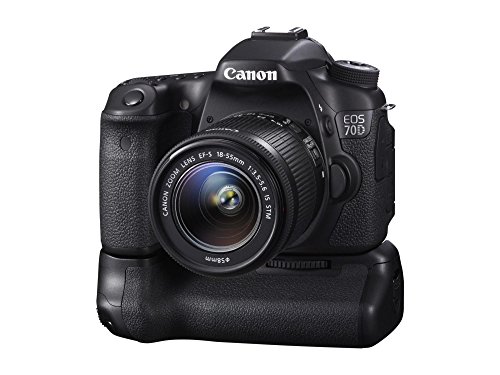
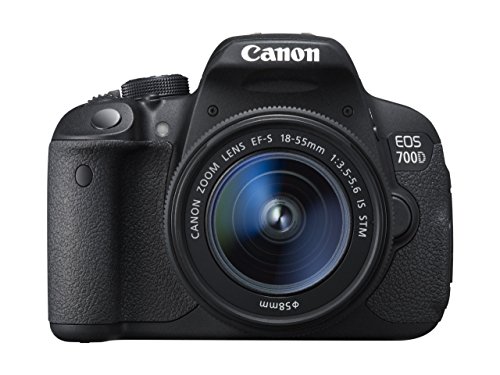
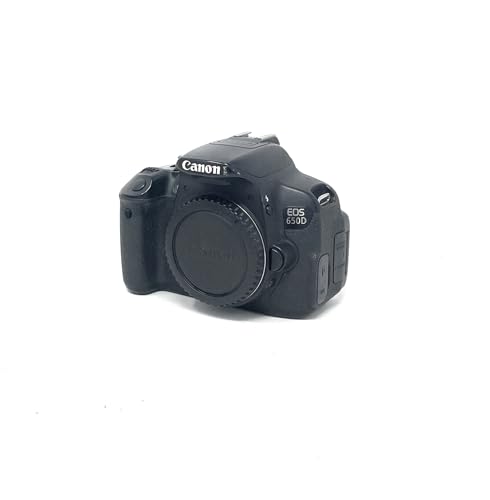
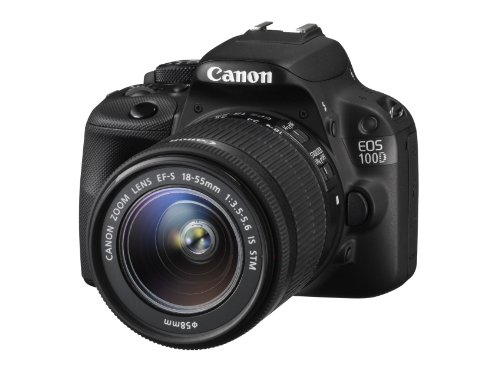
A good DSLR camera for a beginner combines an APS-C sensor, clear physical controls, dependable viewfinder autofocus, and a light stabilized kit lens. It should make automatic shooting easy while giving direct access to aperture, shutter speed, ISO, and focus settings as the photographer learns.
APS-C is usually the most practical starting format because bodies and lenses are smaller and less expensive than full-frame equivalents, while image quality is still strong enough for large prints and low-light family photography. Around 20–26 MP is ample; a comfortable grip, a visible mode dial, at least one command dial, and an optical viewfinder with clear focus-point feedback matter more to a beginner than extreme resolution.
The complete kit should remain manageable. Entry-level bodies often weigh roughly 450–600 g, and a stabilized 18–55 mm lens commonly adds about 200–300 g, producing a kit that can be carried for a day without the bulk of a professional full-frame setup. Look for reliable face detection in live view, roughly 5 fps continuous shooting, and a battery rating of at least about 500 shots so the camera remains useful for children, pets, trips, and school events rather than only static practice.
How easy are DSLR cameras for beginners to learn?
DSLR cameras are reasonably easy for beginners to learn because their automatic modes work immediately and their physical controls make the relationship between shutter speed, aperture, and ISO visible. A beginner can start in Program or aperture-priority mode, then add one manual control at a time instead of moving directly to full manual exposure.
The optical viewfinder is simple and lag-free, but autofocus behaves differently through the viewfinder and in live view. Viewfinder phase-detection is usually faster for moving subjects, while live view may provide easier face detection and touchscreen focus but can be slower on older bodies. Learning which system is active prevents the common mistake of assuming the camera has the same focusing performance in every mode.
A clear quick menu, dedicated ISO and exposure-compensation buttons, and one or two command dials reduce menu dependence. Models with on-screen explanations and guided modes can help during the first weeks, but a comfortable grip and controls that remain accessible as skills improve are more valuable over several years.
What kit lens is best on a DSLR camera for beginners?
For most beginners using an APS-C DSLR, a stabilized 18–55 mm f/3.5–5.6 kit lens is the best starting choice. It covers a field of view similar to roughly 27–88 mm on Nikon or Pentax and about 29–88 mm on Canon, which is useful for landscapes, everyday photographs, groups, and portraits while staying light and inexpensive.
Choose a version with optical stabilization—usually marked VR on Nikon or IS on Canon—unless the camera body provides sensor-shift stabilization. The modest f/3.5–5.6 aperture is the main limitation: indoors it may require higher ISO or slower shutter speeds, and it will not blur backgrounds as strongly as a brighter lens. A 35 mm f/1.8 or 50 mm f/1.8 prime is therefore a sensible second lens after the beginner understands which focal lengths are used most.
An 18–135 mm or 18–140 mm stabilized zoom is better when one-lens travel convenience matters more than minimum weight. It adds useful telephoto reach but is typically larger, heavier, and more expensive, so the basic 18–55 mm remains the more balanced learning lens for a first DSLR.