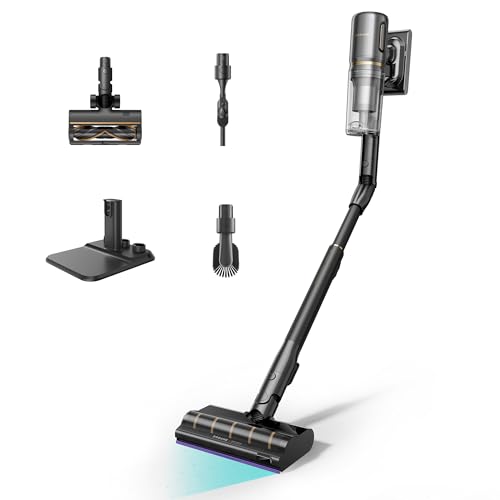
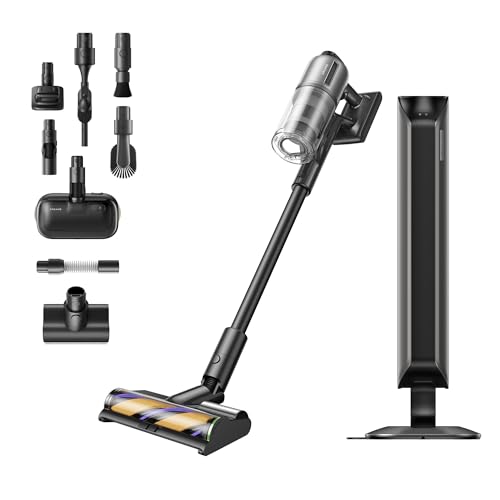
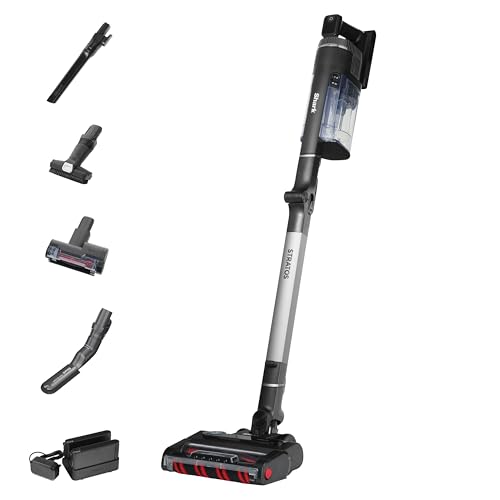
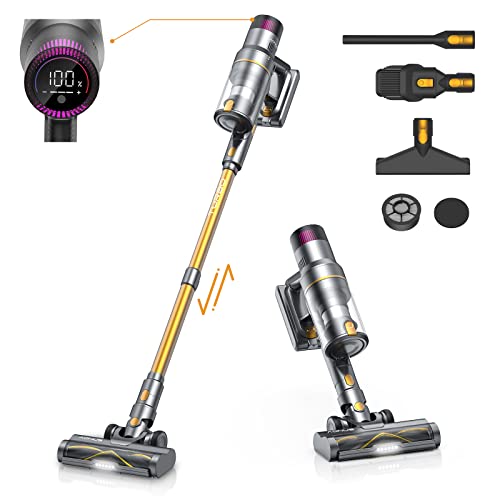
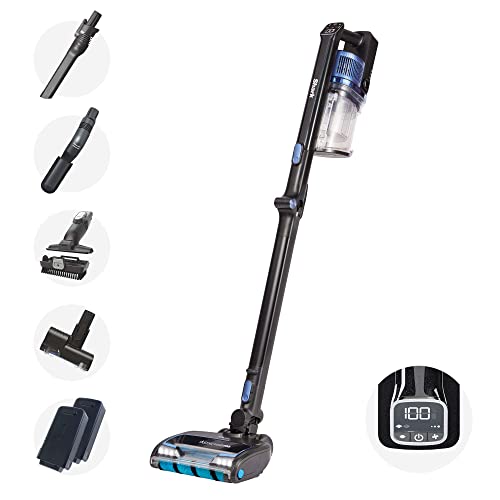
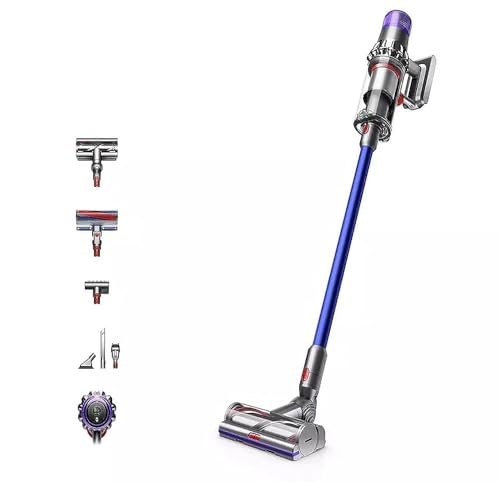
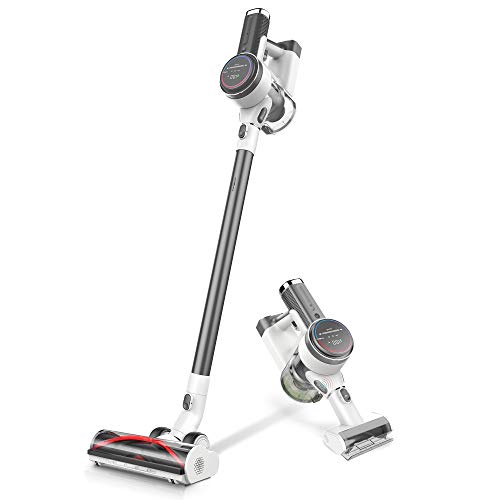
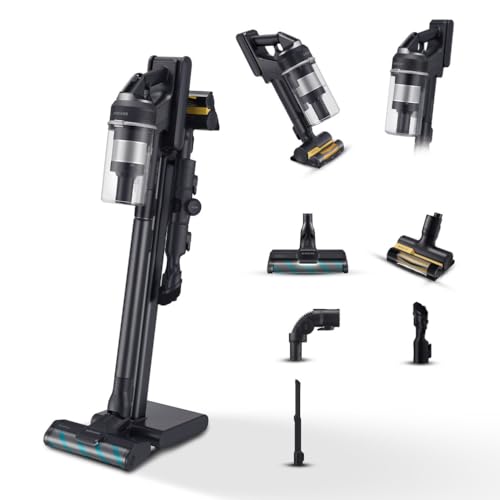
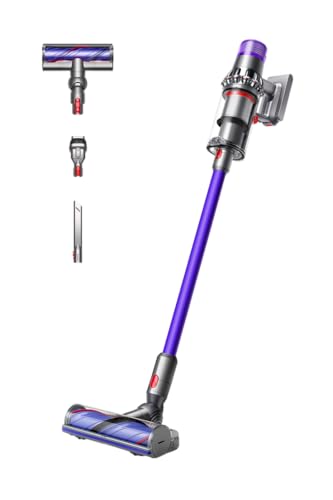
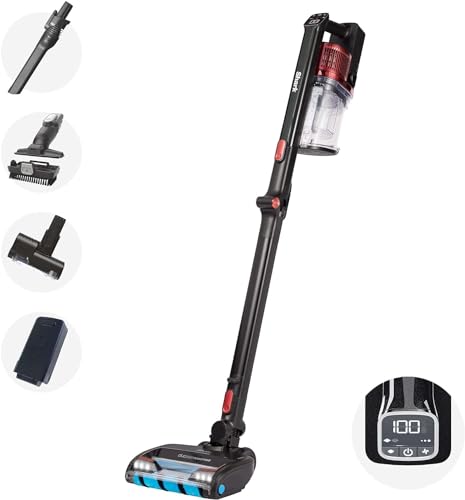
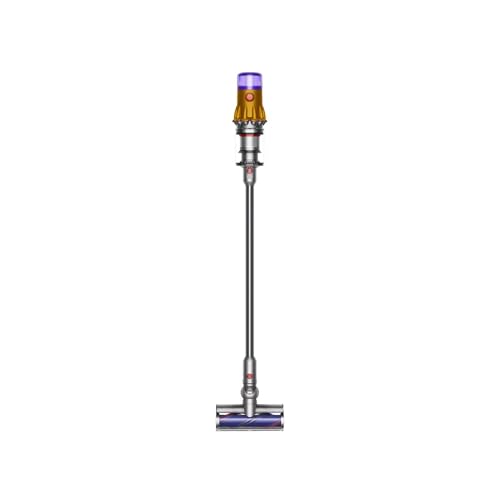
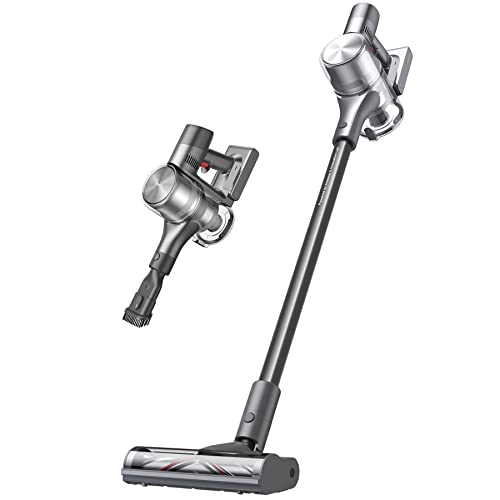
Which brands make the best powerful bagless vacuums in 2026?
The best powerful bagless-vacuum brands in 2026 are ranked below:
- Dreame (Average overall score: 8.5)
- LG (Average overall score: 8.2)
- Shark (Average overall score: 8.1)
- Rowenta (Average overall score: 8.1)
- Cecotec (Average overall score: 7.9)
The chart below ranks powerful bagless-vacuum brands by average overall score.
[horizontal-chart-17830508924255119756162773262265269496930228475777]
When should you consider buying a powerful bagless vacuum?
You should consider a powerful bagless vacuum if you often remove embedded carpet dirt, pet hair or heavier debris and want to empty a reusable bin instead of buying bags. Output above 150 AW is most useful when the floorhead also agitates carpet effectively and maintains a controlled seal on hard floors.
Cordless sticks suit frequent whole-home cleaning when a removable battery provides about 50–70 minutes in a lower mode and at least 8–15 minutes at maximum power. A corded canister is the stronger fit for long sessions because it can maintain its selected setting without a battery limit, although the body and hose require more storage space.
High output is unnecessary for light crumbs on hard floors if it makes the head difficult to push or increases noise and weight. An adjustable suction control, automatic floor detection or bypass vent is valuable when the same vacuum must handle delicate rugs as well as dense carpet.
How much do powerful bagless vacuums cost?
Powerful bagless vacuums generally cost about £200-£500, although simpler corded models and older cordless designs can start near £40-£170. The middle of the market is around £260, where powered floorheads, stronger filtration and more usable controls become common.
Premium cordless systems and high-specification canisters can reach approximately £600-£900. Compare the included battery, charger, floorheads and motorised tools because a lower body price can become less competitive when essential accessories or a replacement battery must be purchased separately.
The chart below shows the price distribution of powerful bagless vacuums.
[vertical-chart-03180211076030138252035429219246412026850525886456]
What should you check before buying a powerful bagless vacuum?
You should check the following factors before buying a powerful bagless vacuum:
- Suction output: Treat 150 AW as the entry point for this guide, with roughly 180–250 AW representing strong household output and 300–422 AW the upper end. Compare air watts at the same measurement point and mode; kilopascals describe pressure, airflow describes air volume and motor watts describe electricity use.
- Airflow and cyclone sealing: Around 20–40 L/s can support debris transport after suction lifts it, but published airflow coverage is less consistent than AW. Check whether the hose, bin seals and filter housing remain airtight and whether performance falls sharply as the bin fills.
- Runtime or cord reach: For cordless models, around 50–70 minutes usually refers to a lower mode, while maximum power often lasts only 8–15 minutes; a full charge near four hours is common. For corded models, a 6–8 m cable plus the hose and wand provides more useful reach than cable length alone.
- Bin capacity and emptying: Around 0.6–1 L suits most cordless sticks, while 1.5–3 L reduces interruptions on canisters. Check the maximum-fill line, whether compacted hair releases without hand contact and whether the cyclone assembly can be cleaned without damaging seals.
- Weight and cleaning width: About 2.5–3.5 kg and a 240–280 mm floorhead balance coverage with manoeuvrability for a stick vacuum. Heavier canisters keep most mass on the floor, so also compare hose flexibility, wheel movement and carrying weight on stairs.
- Filtration, noise and service parts: A sealed HEPA or HEPA 13 path is more meaningful than a filter label on an unsealed body, and washable pre-filters reduce routine cost. Around 75–80 dB is common in this high-output group, while 85 dB or more is loud; verify local availability of filters, rollers, batteries and bin seals.
The chart below shows the air-watt distribution of powerful bagless vacuums.
[vertical-chart-16453666425945012468087041940501684699453433995246]