
When should you consider buying a Dyson bagless vacuum?
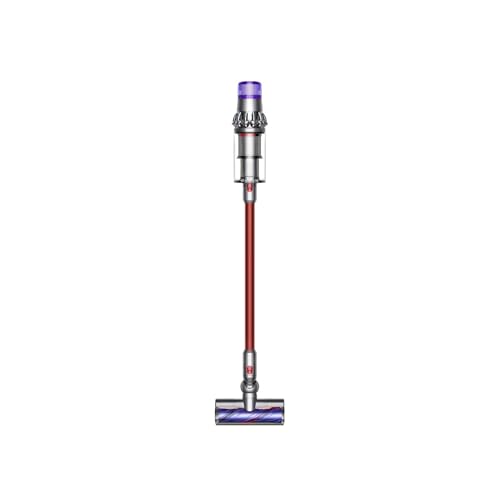
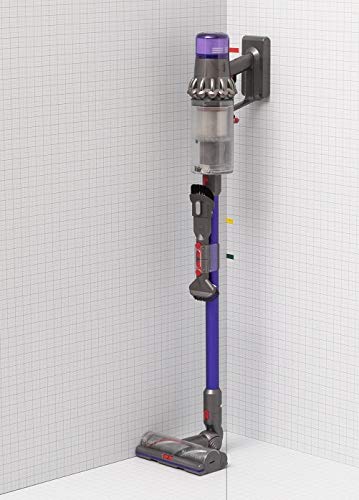
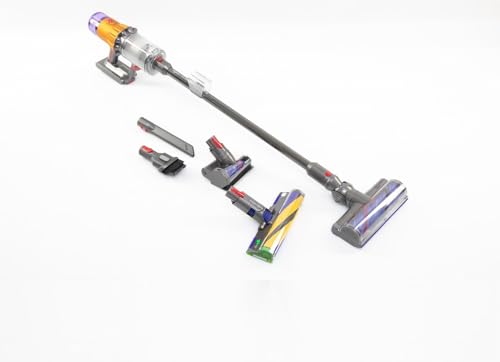
You should consider buying a Dyson bagless vacuum when avoiding replacement dust bags and seeing the fill level matter more than sealed disposable containment. Cordless V-series models suit frequent short sessions, while Ball and Big Ball provide larger bins and continuous corded cleaning.
Dyson bagless systems work well for mixed debris when the cyclone, shroud and cleaner head are kept clear. The hygienic ejector on many models helps push compacted dust from the bin, but it does not eliminate contact with fine particles completely.
A bagged vacuum may be preferable for allergy-sensitive users who want to remove a closed bag, or for homes where a 0.35–0.8 L stick bin would fill repeatedly. Bagless ownership also requires filter washing, drying and periodic cleaning around the shroud and seals.

Which Dyson vacuum series are bagless?
The main bagless Dyson vacuum series are as follows:
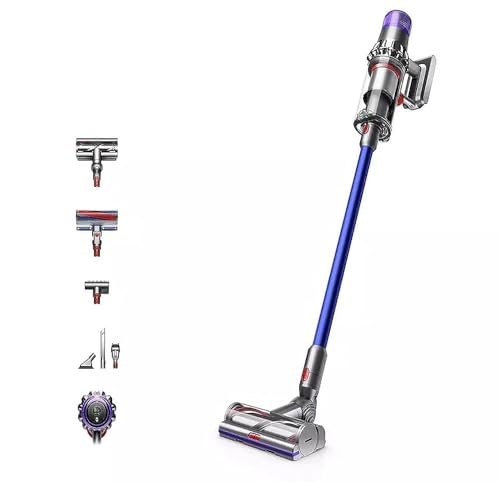
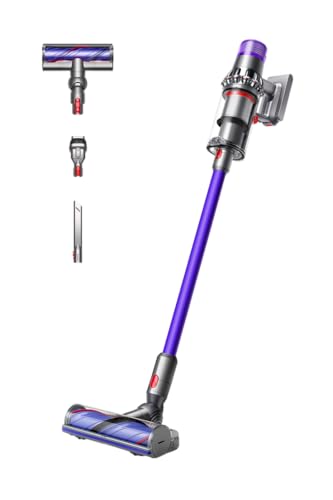
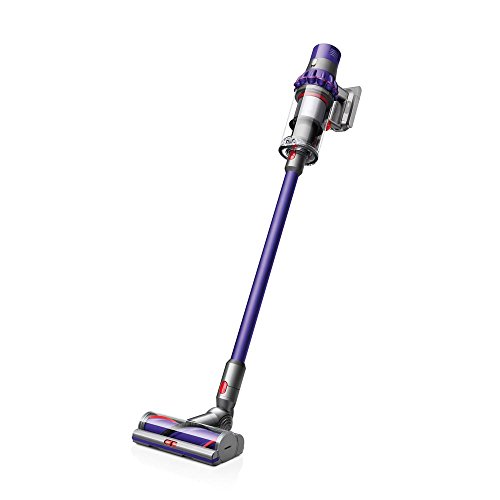
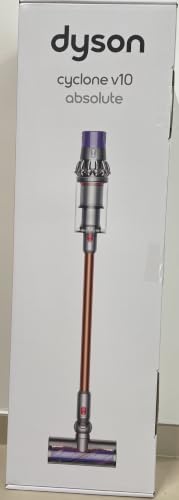
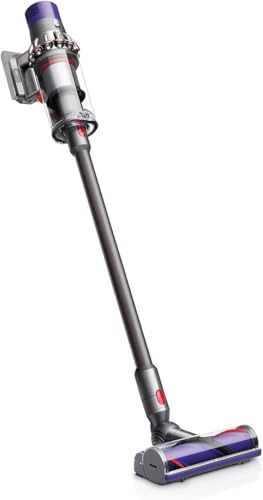
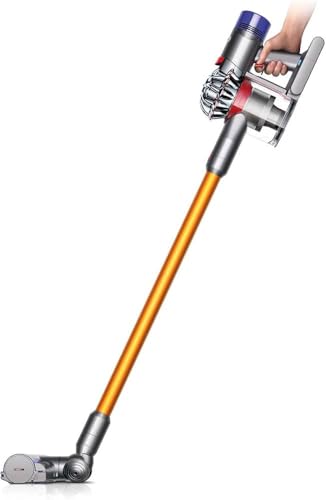
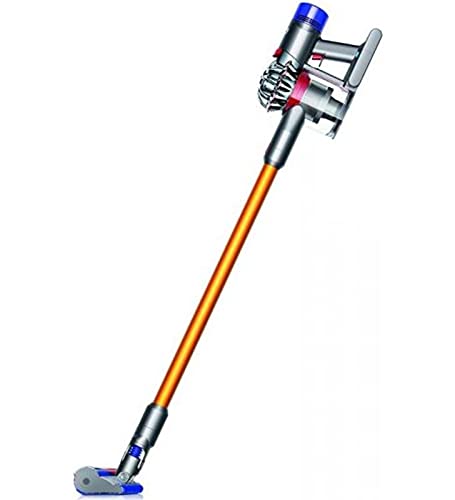
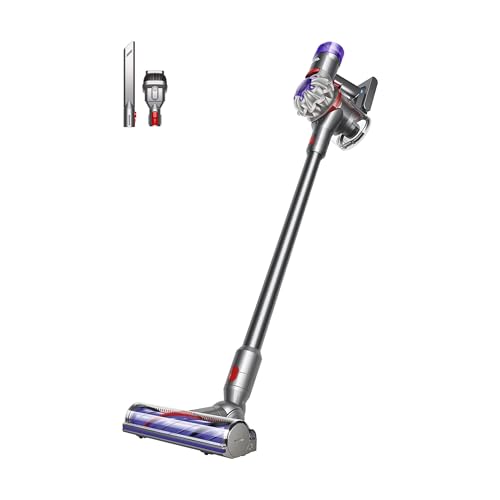
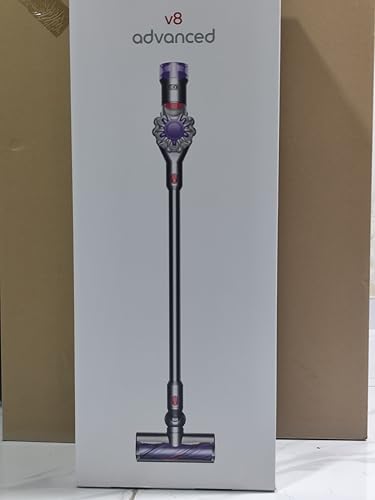
- V7, V8, Cyclone V10 and V11: These families cover Dyson’s entry and established midrange cordless progression. Bin capacity generally rises from roughly 0.5 L on compact models to about 0.75 L on V10 and V11.
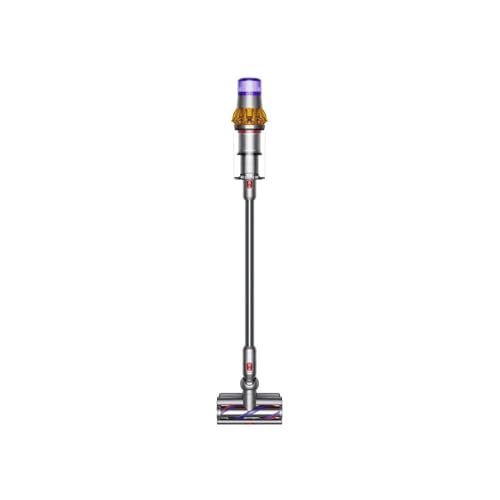
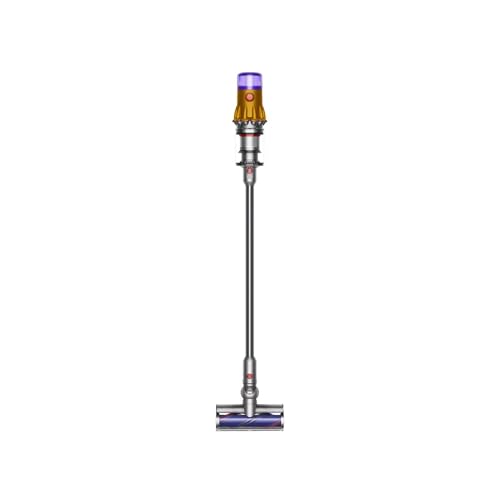
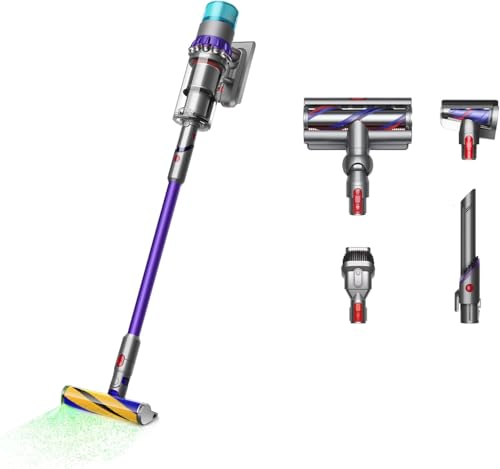
- V12 Detect Slim, V15 Detect and Gen5detect: These newer cordless families add lower weight or stronger output and sensing. V12 is the light option, while V15 and Gen5detect target heavier pickup and more advanced floor detection.
- Outsize and PencilVac: Outsize expands capacity to approximately 1.9 L for large homes, while PencilVac uses an exceptionally small 0.08 L bin for slim hard-floor cleaning. Their buyer fit is very different despite both being cordless.
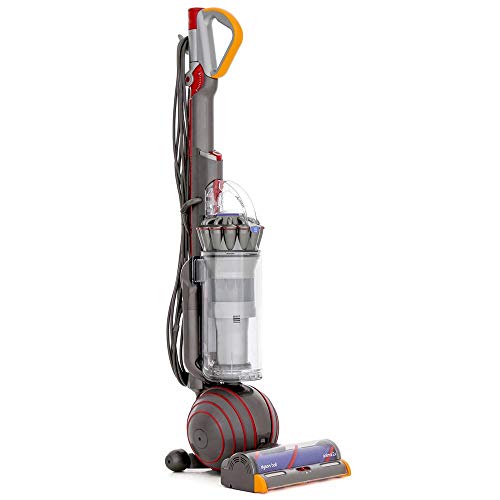
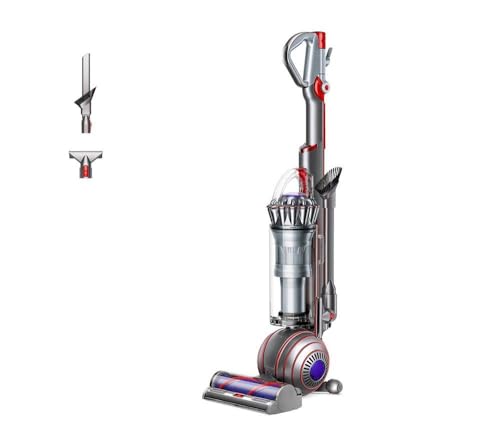
- Ball: Ball is the bagless corded upright family, using powered carpet heads and roughly 1–2 L bins. Animal and Multi Floor packages change the tools and head.
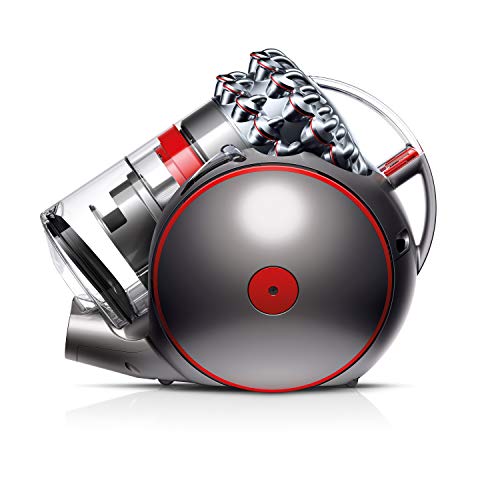
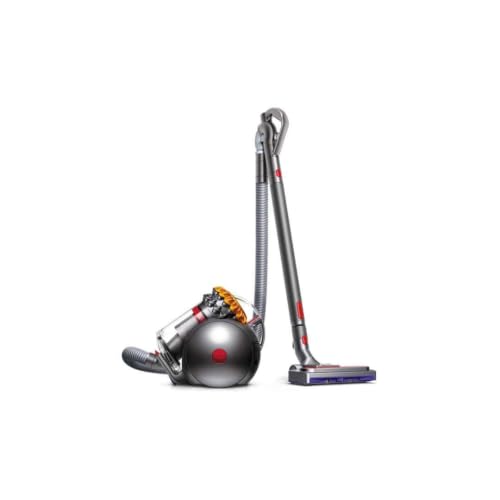
- Big Ball and Cinetic Big Ball: These are bagless corded canisters with approximately 1.5–1.6 L bins. Cinetic versions add finer cyclone tips intended to reduce filter maintenance.
How much do Dyson bagless vacuums cost?
New Dyson bagless vacuums generally cost about £300-£800, with most models between roughly £300 and £520. Older V7 or V8 sticks and basic corded Ball models form the entry tier near £300-£300.
Around £300-£500 covers many V10, V11, V12, V15 and Big Ball packages. Compare bin capacity, cleaner heads, battery design and filter maintenance because all Dyson vacuums are bagless and the label alone does not explain their value.
Gen5detect, Outsize and premium bundles can reach approximately £600-£800. A larger bin, 240–280 AW output, longer battery or useful additional head should justify the higher price.
The chart below shows the price distribution of Dyson bagless vacuums.
[vertical-chart-02098624200174806931166900441942395127341268684067]
What should you check before buying a Dyson bagless vacuum?
You should check the following factors before buying a Dyson bagless vacuum:
- Cordless or corded format: Choose a V-series stick for quick handling and stairs, Outsize for a larger cordless bin, Ball for open carpet or Big Ball for pull-behind cleaning. The format determines runtime, weight and storage before smaller feature differences matter.
- Bin capacity: V12 holds roughly 0.35–0.4 L, V10, V11 and V15 about 0.75 L, Outsize around 1.9 L and corded models about 1.5–2 L. Select enough usable capacity to avoid repeated emptying, especially with pet hair.
- Suction and floorhead: Around 100–150 AW suits hard floors and routine rugs, 180–220 AW is a stronger mixed-floor target, and 240–280 AW gives more carpet headroom when measured comparably. Match Fluffy-style rollers to hard floors and Motorbar-style agitation to carpet.
- Emptying and cyclone access: Test whether the ejector clears hair without reaching into the bin and whether the shroud can be brushed clean safely. Never overfill beyond the marked line, because blocked cyclone inlets and filters restrict airflow.
- Filtration and maintenance: Require a sealed path and correctly fitted final filter, then follow the wash-and-dry interval. Cinetic corded models reduce filter maintenance, but the bin, seals and cleaner head still require regular cleaning.
- Runtime, weight or reach: For cordless use, aim for 50–60 minutes in a lower mode and around 10 minutes at high power; weights range from about 2.2 to 3.6 kg. For corded models, expect 7–8 kg and prefer a cable near 9–10 m when fewer socket changes matter.
- Package and parts: Verify the exact Fluffy, Motorbar, pet tool, battery and charger included with Absolute, Animal, Origin or Plus versions. Confirm local prices and compatibility for replacement filters, rollers, batteries and seals.
The chart below shows the dust-capacity distribution of Dyson bagless vacuums.
[vertical-chart-14100358341935578500129816195238605838860867286040]