
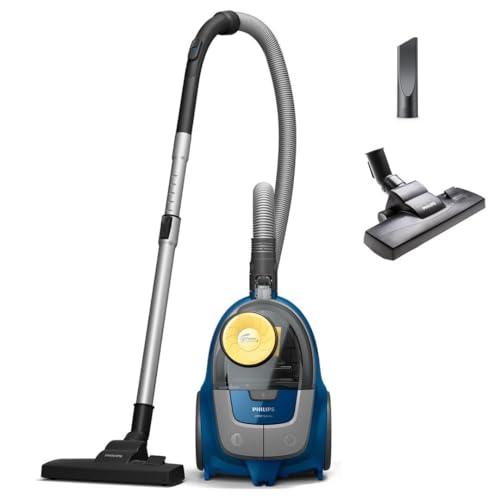
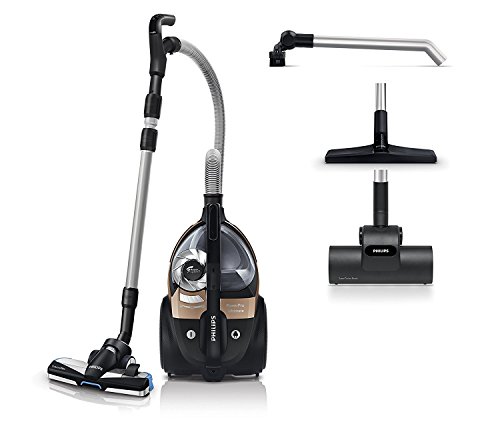
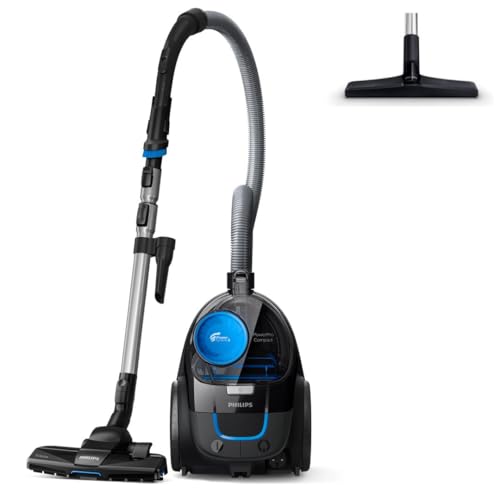
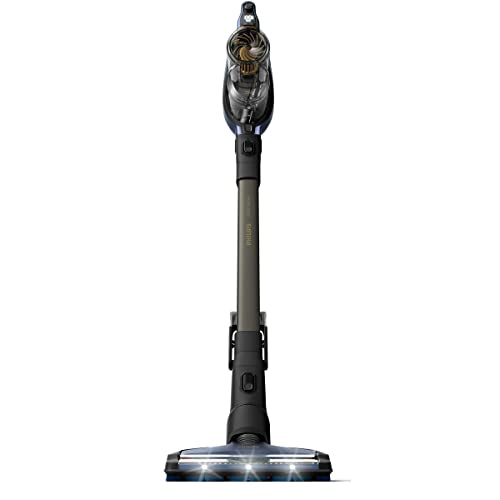
When should you consider buying a Philips bagless vacuum?
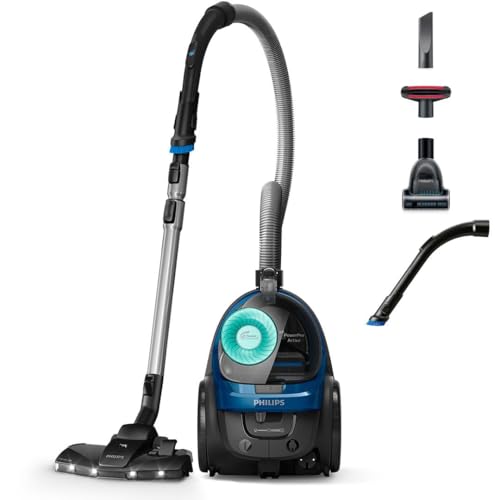
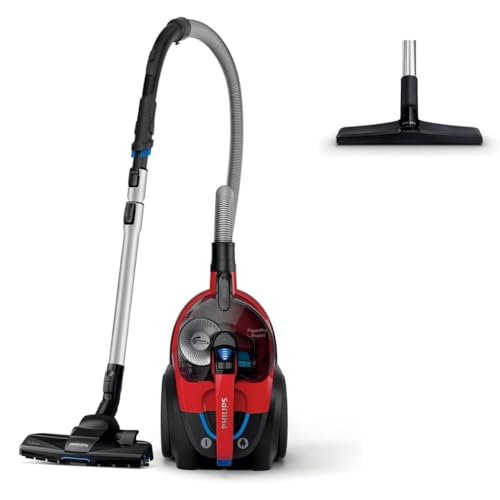
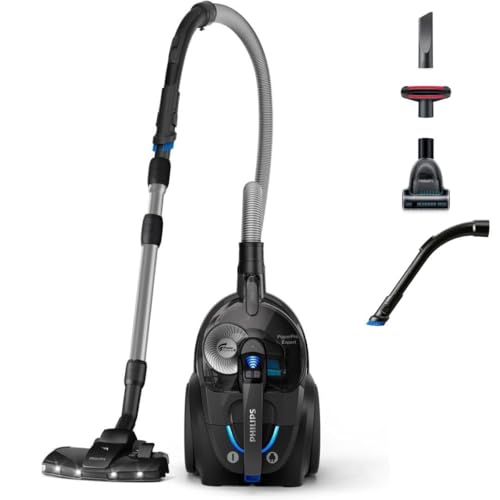
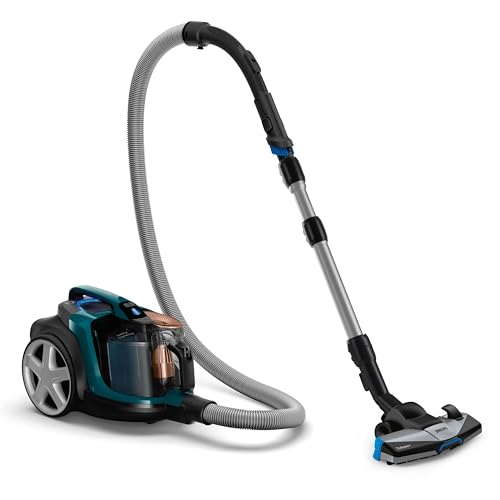
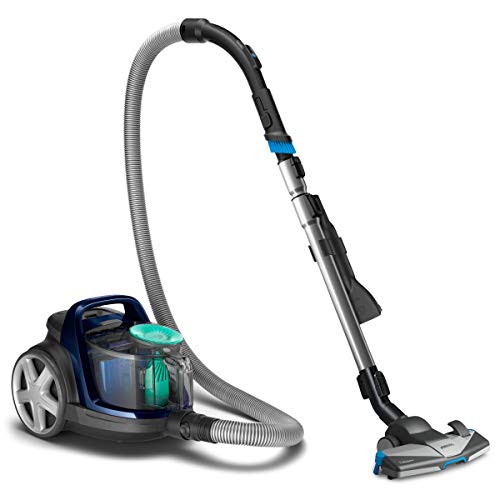
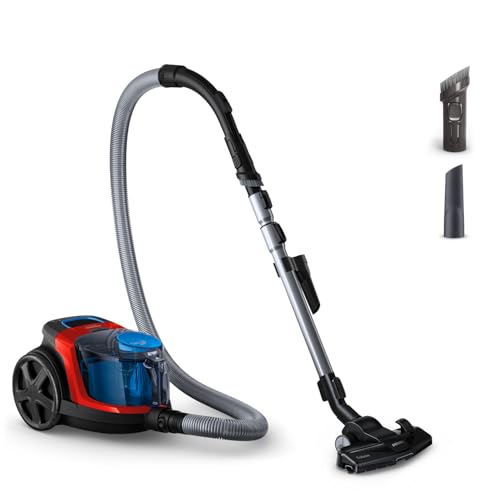
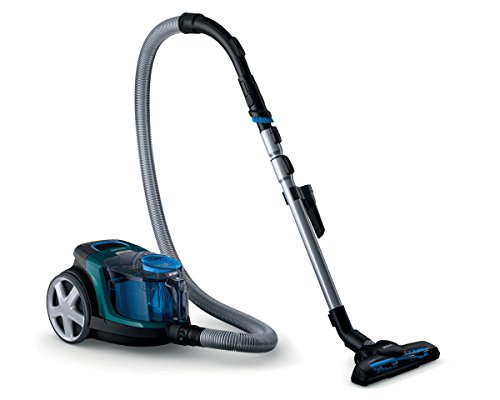
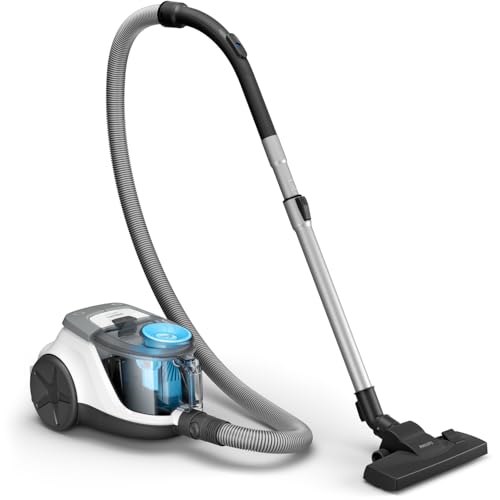
A Philips bagless vacuum is worth considering when avoiding replacement bags and seeing the collected debris matter more than the cleanest disposal. PowerPro canisters suit longer sessions, mixed floors and users who prefer the motor weight on the floor rather than at the wrist.
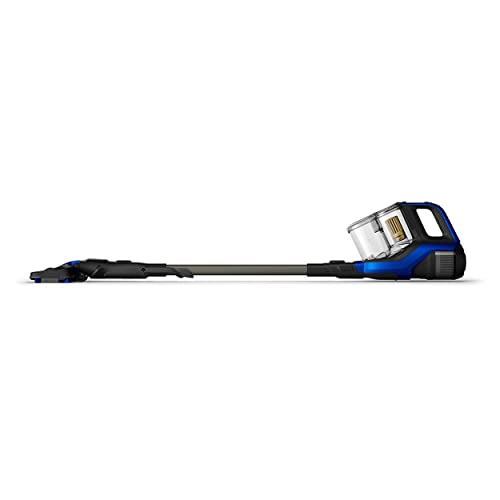
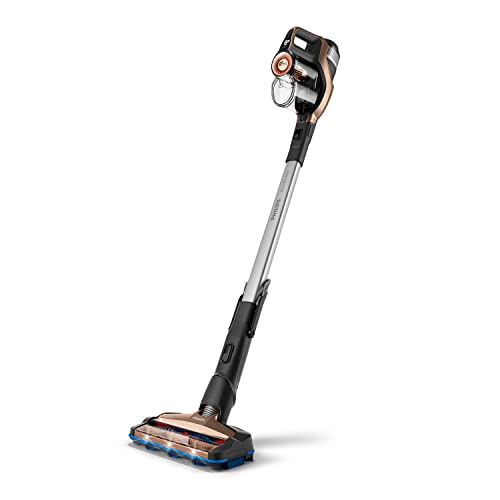
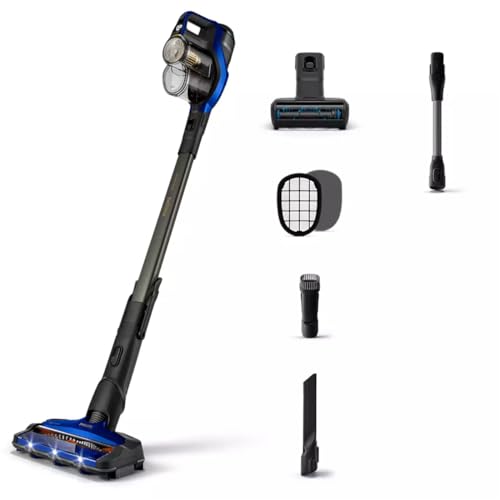
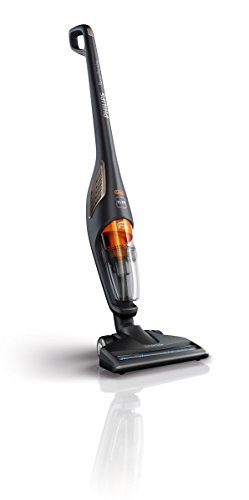
SpeedPro is better for stairs, quick cleaning and small storage spaces. Entry models provide around 40 minutes in a lower mode, while 8000 Series versions can reach 70–80 minutes in Eco and about 28 minutes in Turbo.
Choose a bagged PowerGo or Performer instead if dust clouds during emptying are a concern. A reusable bin saves bags but exposes the user to more direct contact with the container, cyclone and filters.
Which Philips vacuum series are bagless?
The main bagless Philips vacuum series are as follows:
- PowerPro Compact 2000 and 3000: These compact canisters use PowerCyclone 4 or 5, roughly 1.3–1.5 L bins and 9 m-class operating radii. They suit smaller homes and straightforward floor cleaning.
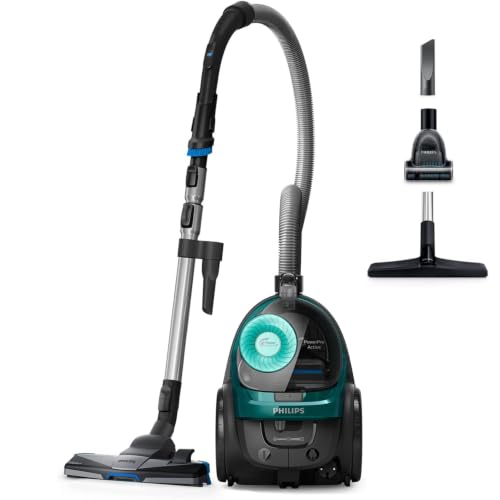
- PowerPro Active 5000: This midrange family advances to PowerCyclone 7 and often adds TriActive+ or illuminated heads. It is the step up for broader tool and floor coverage.
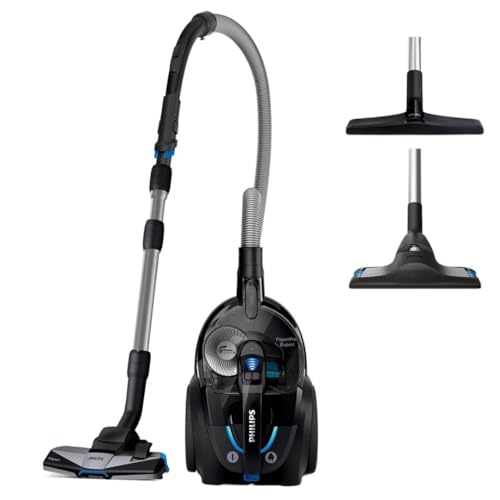
- PowerPro Expert 7000 and Ultimate: Expert uses PowerCyclone 8, a roughly 2 L bin, Allergy H13 filtration and about 10 m reach. Ultimate sits above it with a larger body and more premium controls.
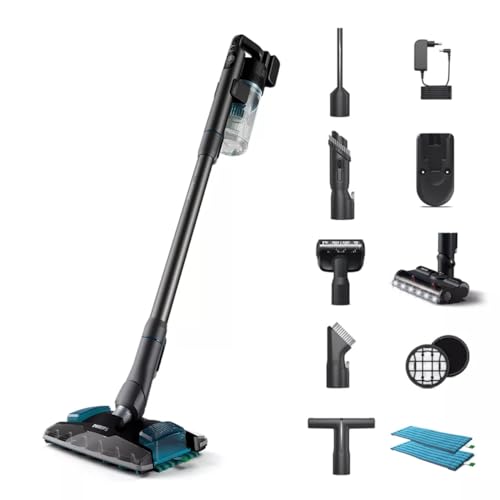
- SpeedPro and SpeedPro Max: These bagless cordless sticks use 180- or 360-degree illuminated heads and roughly 0.4–0.6 L bins. Aqua and Aqua Plus packages add wiping equipment, not a full extraction system.
How much do Philips bagless vacuums cost?
Philips bagless vacuums generally cost about £90-£390. PowerPro Compact models are usually £90-£120, PowerPro Active and Expert roughly £140-£200, and PowerPro Ultimate can approach £340.
Cordless SpeedPro versions begin around £130 and rise to £390 for 8000 Series packages. Decide first whether the premium is paying for battery mobility or a better canister head; these solve different problems despite sharing a bagless filter.
The chart below shows the price distribution of Philips bagless vacuums.
[vertical-chart-15196585583602929195111170825006647732741346264631]
What should you check before buying a Philips bagless vacuum?
Consider the following factors before buying a Philips bagless vacuum:
- Corded or cordless: PowerPro offers continuous power and 1.3–2.2 L capacity; SpeedPro is easier on stairs but holds only about 0.4–0.6 L.
- Airflow and pressure: Compact PowerPro models publish around 17 kPa and 28 L/s, while selected Expert models reach about 33 L/s. Compare only figures measured at similar points and modes.
- Cyclone generation: PowerCyclone 4/5 serves compact models, 7 the mid-range and 8 higher tiers. A newer cyclone still needs clean filters and an unobstructed bin.
- Nozzle: TriActive heads suit mixed floors, turbo tools handle pet hair and SpeedPro 180/360-degree heads improve side pickup. Check the exact package rather than the series alone.
- Capacity and emptying: Choose 1.3–1.5 L for compact use or 2 L for longer canister sessions. Inspect one-handed emptying and whether fine dust collects around the shroud.
- Filtration: Allergy H13 captures fine particles only when the housing seals and filter are correctly maintained. Wash and dry reusable elements according to the manual.
- Runtime or radius: For SpeedPro, compare Eco and Turbo duration; for PowerPro, 9–10 m operating radius is a more useful number than cable length by itself.
The chart below shows the dust-capacity distribution of Philips bagless vacuums.
[vertical-chart-17159571911522834229072348151300008169693526159196]