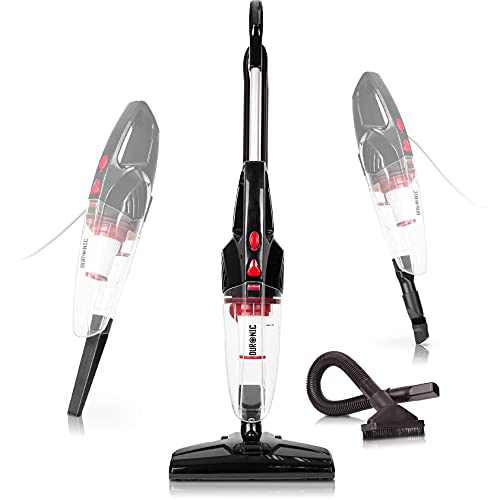
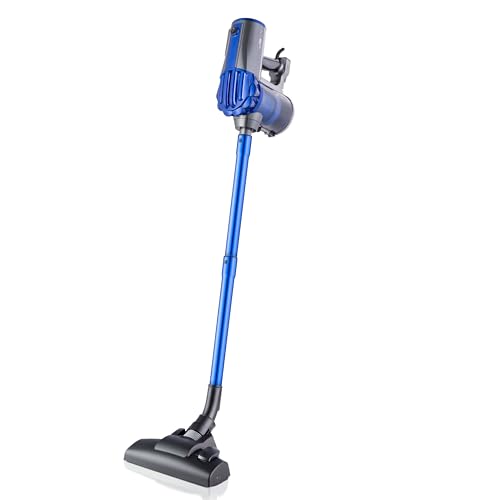
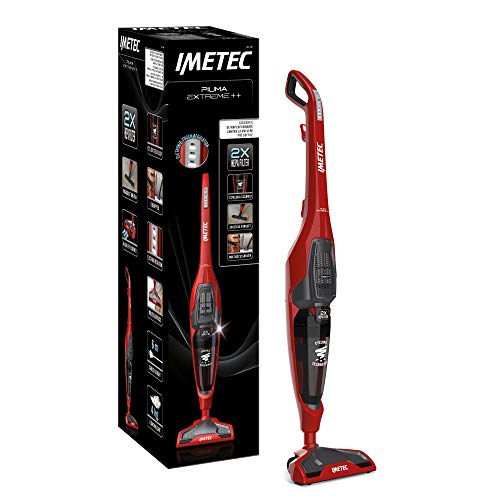
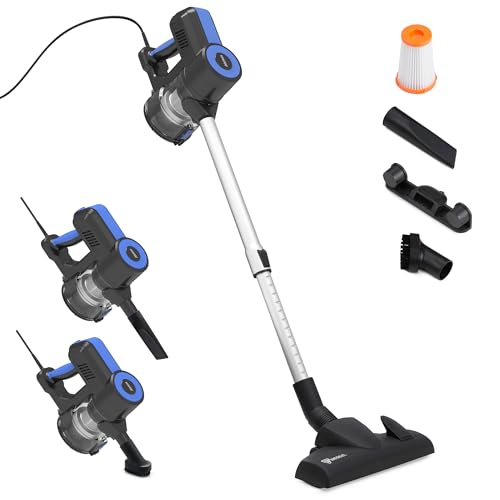
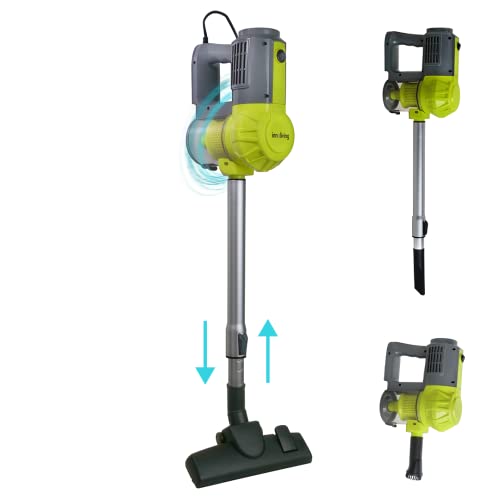
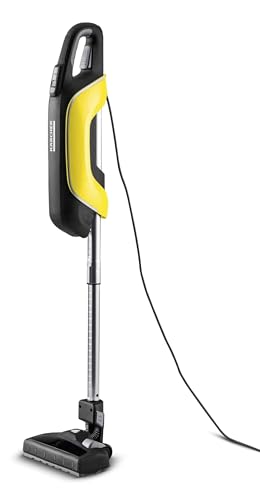
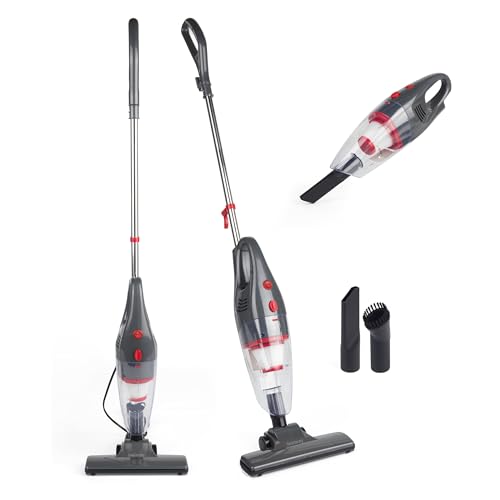
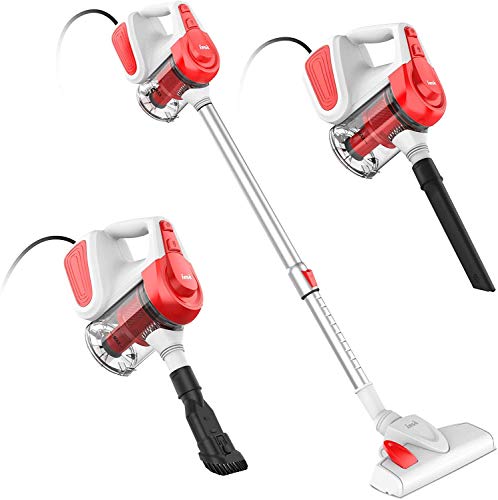
Which brands make the best corded stick vacuums in 2026?
The best corded stick-vacuum brands in 2026 are ranked below:
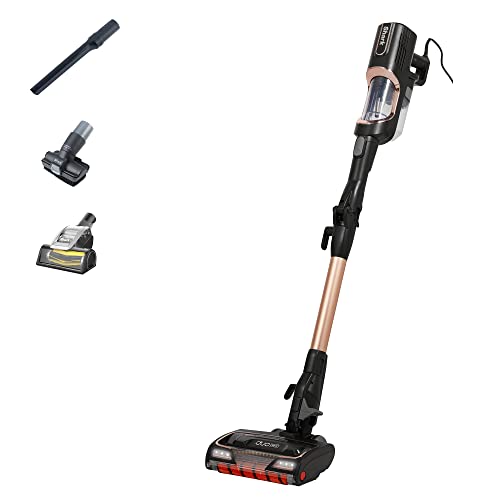
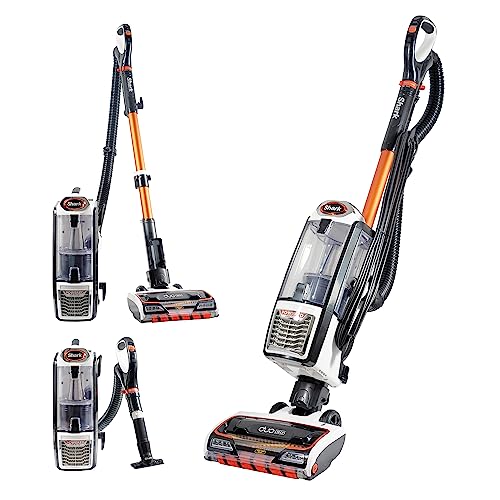
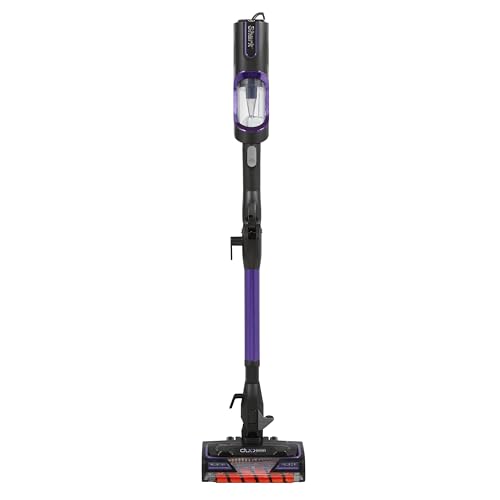
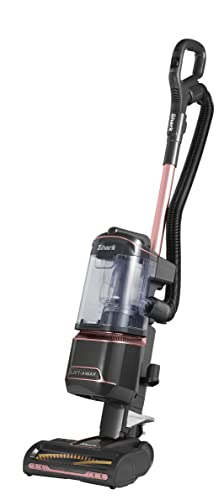
- Shark (Average overall score: 7.3)
- Rowenta (Average overall score: 7.3)
- Ariete (Average overall score: 6.6)
The chart below ranks corded stick-vacuum brands by average overall score.
[horizontal-chart-16171923818476190662044689403965035957801037292943]
When should you consider buying a corded stick vacuum?
You should consider a corded stick vacuum if you often clean for longer than one battery cycle and want a lightweight machine that delivers continuous power. It is especially practical for smaller homes where a well-placed socket and a sufficiently long cable can cover most rooms.
A corded stick also suits frequent carpet cleaning when consistent floorhead performance matters more than cable-free movement. Choose a cordless model instead if stairs, several floors, or quick car cleaning would make plugging in and managing the cable a regular nuisance.
How much do corded stick vacuums cost?
Corded stick vacuums generally cost about £40-£260, with many straightforward models priced between £40 and £130.
Around £40, expect a basic floorhead, shorter cable, smaller tool set, or simpler filtration. These models can still work well for hard floors and quick cleaning when the roller and filters are easy to maintain.
Models around £130-£260 more often add stronger powered heads, anti-hair-wrap features, larger bins, longer cables, or lift-away flexibility. The premium is worthwhile when those features improve carpet, pet-hair, or above-floor cleaning rather than merely increasing motor wattage.
The chart below shows the price distribution of corded stick vacuums.
[vertical-chart-04750390637920301623073120840133173433991248216445]
What should you check before buying a corded stick vacuum?
You should check the following factors before buying a corded stick vacuum:
- Suction power and airflow: Figures around 100–150 AW or 15–20 kPa can indicate useful mid-range output, but compare air watts only with air watts and kilopascals only with kilopascals measured in a similar mode. Motor input around 500–700 W describes electricity use rather than suction, so it cannot rank cleaning performance by itself.
- Cable length and operating radius: A 6 m cord is typical, while 7–10 m reduces socket changes in larger rooms. Check the complete operating radius as well, because the cable, body, and any hose or wand determine how far the floorhead reaches from one socket.
- Cleaning-head width and design: A path around 230–270 mm balances room coverage with access around furniture; a wider head reduces passes, while a narrower one turns more easily. For carpet, check for a powered brush roll and adjustable suction or a bypass vent so the head does not clamp to thick pile.
- Weight and balance: About 2–3 kg is manageable for routine floor cleaning, while models above 4 kg are harder to lift onto stairs. Total mass does not show wrist load, so also check motor position, handle balance, and handheld weight.
- Bin and filtration: A capacity around 0.5–1 L limits interruptions without making the body bulky. For allergy control, require a sealed exhaust path and accessible filters, then confirm the washing and drying schedule.
- Noise and servicing: Around 70–75 dB is relatively comfortable for a vacuum, whereas approximately 80 dB is noticeably louder; compare figures in the same power mode and at a similar measurement distance. Also verify that filters, brush rolls, belts, and floorheads are available locally.
The chart below shows the power-cord-length distribution of corded stick vacuums.
[vertical-chart-17726763818671357452058522583731886909131842230895]