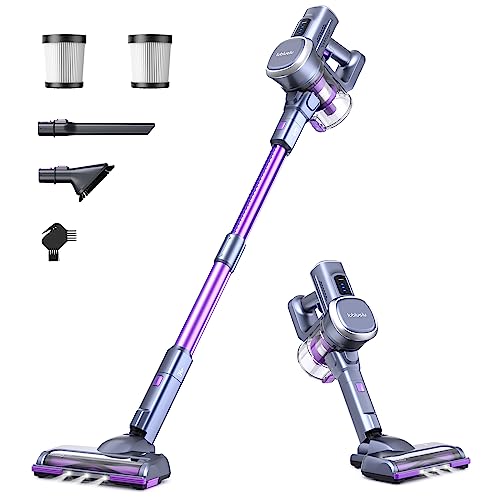
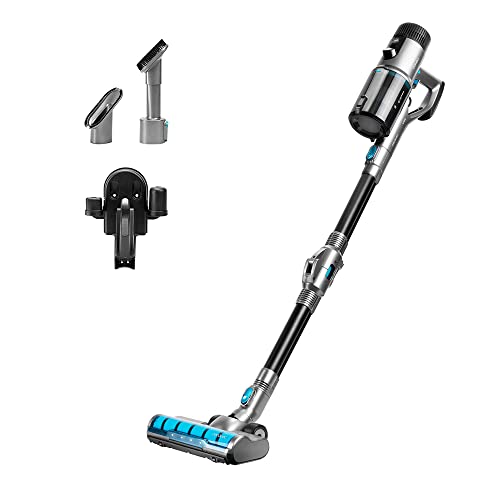
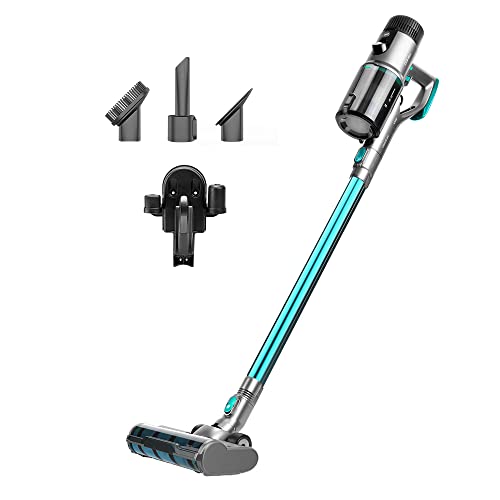
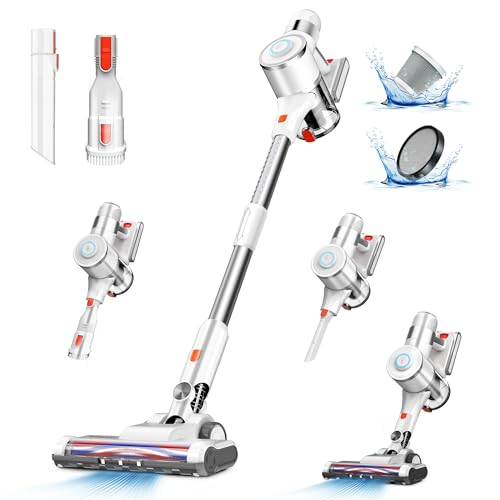
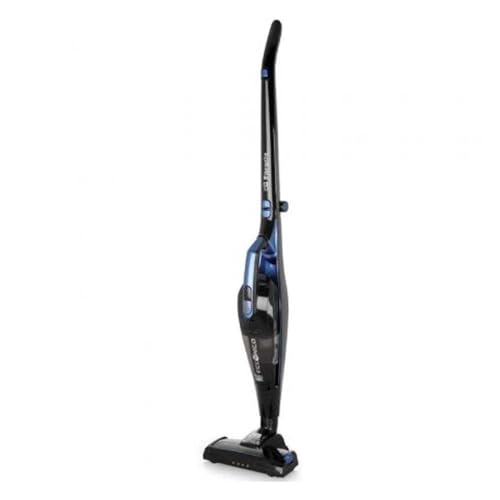
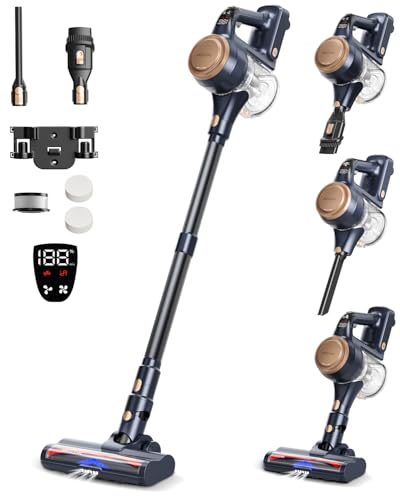
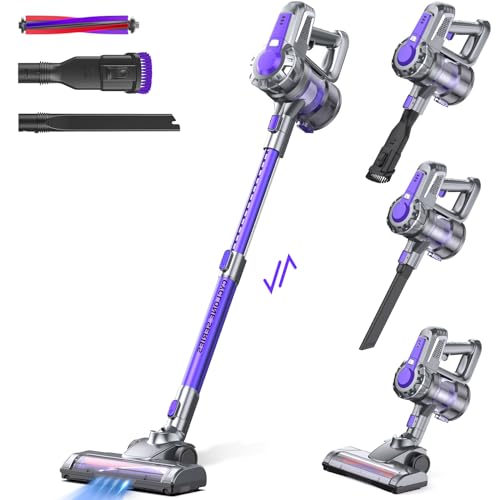
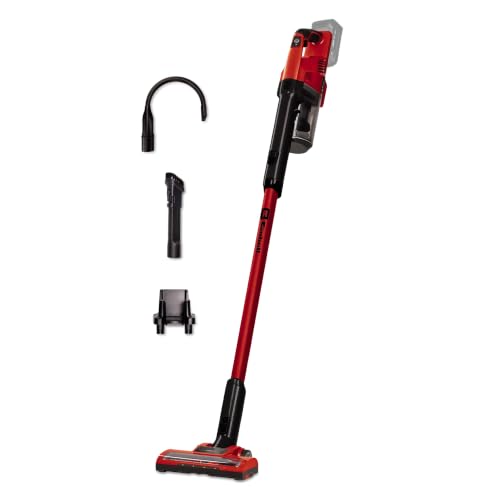
Which brands make the best cheap bagless vacuums in 2026?
The best cheap bagless-vacuum brands in 2026 are ranked below:
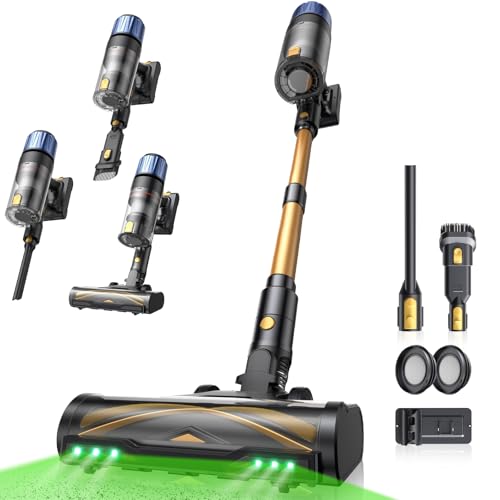
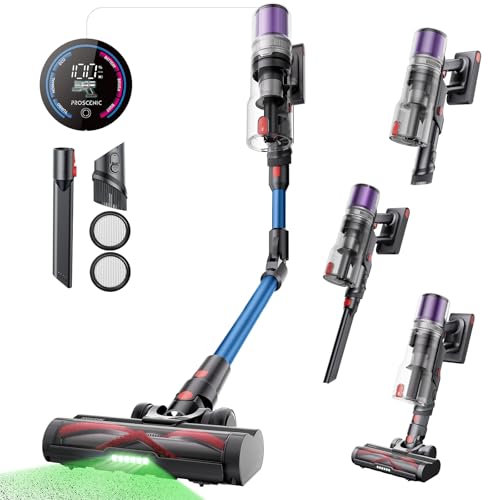
- Proscenic (Average overall score: 8.5)
- Vax (Average overall score: 7.2)
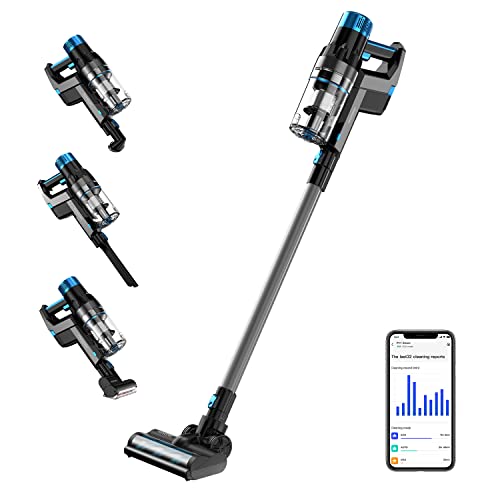
- INSE (Average overall score: 7.1)
- Bosch (Average overall score: 7)
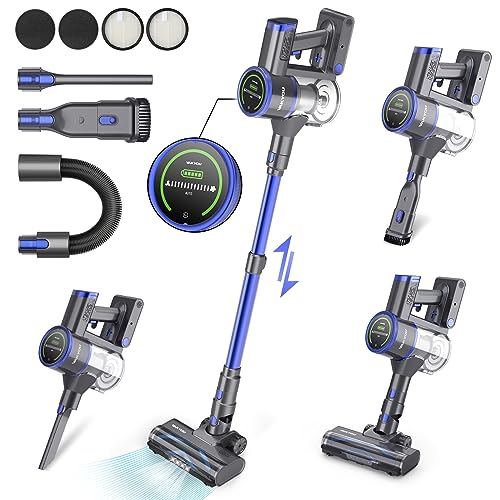
- VYTRONIX (Average overall score: 7)
The chart below ranks cheap bagless-vacuum brands by average overall score.
[horizontal-chart-17455263333229100873066759604130120479414102101533]
When should you consider buying a cheap bagless vacuum?
You should consider a cheap bagless vacuum if you often clean a small home, hard floors, stairs or everyday debris and want to avoid replacement bags. A well-designed model under £100 can be a sensible main vacuum for light use or a convenient second machine beside a stronger cleaner.
Choose the format around the job. A corded canister offers continuous power and a larger bin, a stick is easier to store and steer, and an upright can provide stronger carpet agitation but takes more floor space.
This price range is less suitable for large areas of thick carpet or heavy pet hair unless the vacuum includes a powered brush roll, usable suction control and readily available filters. A very low purchase price is poor value when the floorhead clogs easily or a sealed battery cannot be replaced.
How much do cheap bagless vacuums cost?
Cheap bagless vacuums cost about £20-£90, with many practical household models concentrated near £40-£90. Products below roughly £40 are commonly handheld vacuums or very simple corded designs, while the upper part of the range is more likely to include a powered floorhead, automatic cord rewind or a broader tool set.
Compare the complete package and ongoing maintenance. A washable filter reduces routine expense, but replacement filters, brush rolls or batteries can erase a small initial saving if they are difficult to source or unusually expensive.
The chart below shows the price distribution of cheap bagless vacuums.
[vertical-chart-01525900166395474825032259727787504441832956648051]
What should you check before buying a cheap bagless vacuum?
You should check the following factors before buying a cheap bagless vacuum:
- Vacuum format and power source: Choose a corded canister for uninterrupted cleaning, a stick for compact storage or an upright for carpet agitation. For cordless models, confirm that the battery and charger are included and that a replacement battery is actually sold for the exact model.
- Suction and floorhead: Around 100–150 AW or 15–20 kPa can be useful in this price range, but the two metrics cannot be converted directly. Check brush agitation, head sealing and edge pickup because a moderate-output motor with an effective floorhead can outperform a stronger but poorly controlled design.
- Runtime or cord length: Affordable cordless models often provide about 35–45 minutes in a lower mode but only 10–20 minutes at maximum power, with charging near four hours. For corded models, about 6 m is typical and 7–9 m reduces socket changes; include the hose and wand when judging reach.
- Bin capacity and emptying: Around 0.5–1 L suits sticks and compact machines, while 1.5–2.5 L is more practical on canisters and uprights. Check the maximum-fill line, whether hair wraps around the cyclone and whether the bin can be emptied without touching compacted debris.
- Weight and cleaning width: About 2–3 kg and a 230–270 mm head are manageable for a stick, whereas a canister keeps more of its 4–6 kg body weight on the floor. Check balance in handheld use, stair carrying and whether the head fits between the furniture in your home.
- Filtration, noise and parts: Look for a sealed exhaust path, a washable pre-filter and clear replacement intervals rather than relying only on a HEPA label. Noise around 75–80 dB is common and more than 85 dB is loud; verify local availability of filters, belts, rollers, batteries and bin seals.
The chart below shows the dust-capacity distribution of cheap bagless vacuums.
[vertical-chart-14112230461338555391161559646398711202403546430074]