
Are BLACK+DECKER vacuum cleaners good?
BLACK+DECKER vacuum cleaners have an average overall score of 6.8, ranking #35 among comparable vacuum-cleaner brands, and a user rating of 8.4, placing them at #25 based on user reviews.
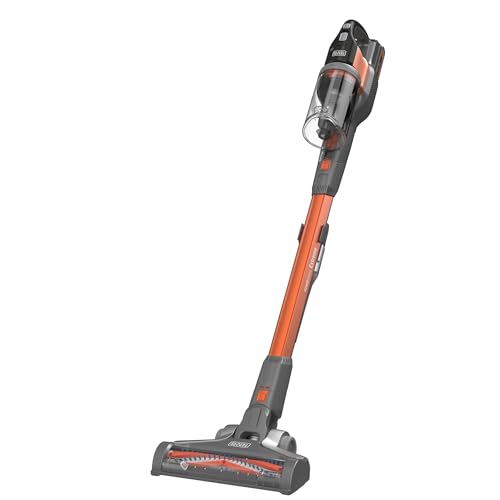
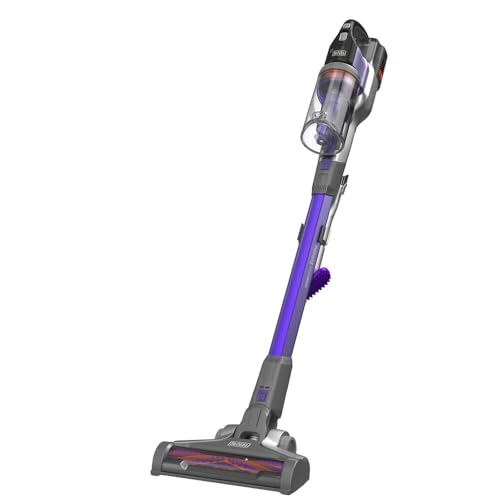
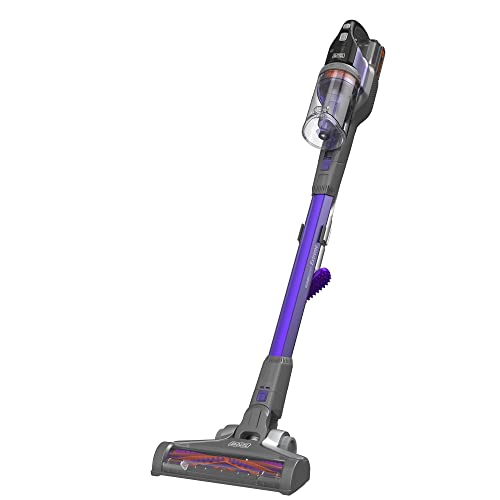
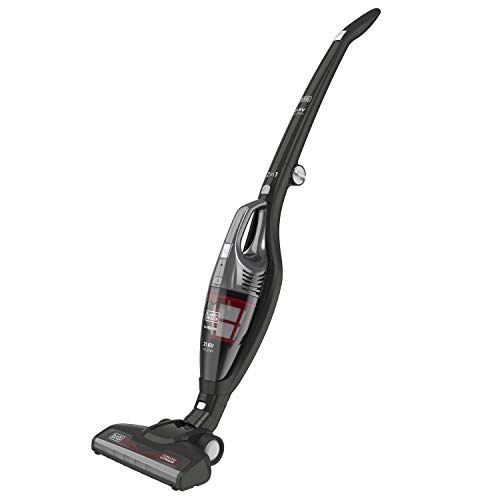
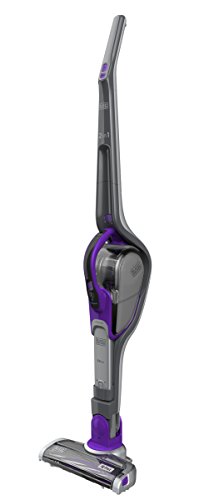
BLACK+DECKER vacuum cleaners are a sensible option for quick hard-floor cleaning, stairs and buyers who value a familiar removable-battery platform. POWERSERIES Extreme models add an anti-tangle powered head and 0.65–0.75 L bins, while simpler 2-in-1 sticks prioritise price and handheld conversion.
BLACK+DECKER vacuum cleaners are less suitable when deep-carpet pickup or an hour of strong suction is required. Most published output figures are below 60 AW, and low-cost models may offer only 15–30 minutes, so the exact workload matters more than the brand's tool heritage.
The chart below compares vacuum-cleaner brands by average overall score.
[horizontal-chart-05060405232908929908180547999782892589572867802681]
What are the main advantages of BLACK+DECKER vacuum cleaners?
The main advantages of BLACK+DECKER vacuum cleaners are as follows:
- Accessible prices: Several cordless and corded models cost about £50-£170, making the brand useful for a second vacuum, small flat or limited budget.
- Convertible designs: Many sticks detach into a handheld unit for stairs, cars and furniture. Some include onboard tools or stand upright without a wall dock.
- Removable batteries on selected models: POWERSERIES machines can use replaceable 18 V or 36 V packs, reducing the risk that normal battery ageing ends the life of the whole vacuum.
- Practical bin sizes: Capacities around 0.5–0.75 L are larger than some slim cordless competitors, and selected lift-off models reach 1 L.
- Hair-oriented heads: POWERSERIES Extreme and pet packages use powered anti-tangle rollers or mini tools that make them more useful for upholstery and surface hair than basic suction-only sticks.
What are the main disadvantages of BLACK+DECKER vacuum cleaners?
The main disadvantages of BLACK+DECKER vacuum cleaners are as follows:
- Modest suction on many sticks: Published figures commonly fall between about 16 and 60 AW. That is adequate for surface debris but below the output of many premium cordless models.
- Runtime varies widely: Some models last only about 16 minutes, while the best lower-mode claims reach 60 minutes. Voltage and amp-hour capacity alone do not reveal runtime with the powered head.
- Long charging on older designs: Recharge times can reach 5–10 hours, which makes a depleted fixed battery inconvenient for a second cleaning session.
- Mixed product codes: Names such as POWERSERIES, 2-in-1 and 4-in-1 sit alongside long codes. Filters, chargers and heads should be matched by the complete code, not by appearance.
- Limited high-end filtration detail: Some models include HEPA or anti-allergen filtration, but sealing and filter grade are not consistent across the range. Allergy-sensitive buyers need model-specific evidence.

Who makes BLACK+DECKER vacuum cleaners?
BLACK+DECKER is a brand of Stanley Black & Decker, the US tool and hardware company created through the combination of Stanley and Black & Decker. Vacuum production is part of its consumer-appliance licensing and international sourcing, so the manufacturing country differs by product.
The familiar 18 V battery language can be useful, but compatibility should never be assumed across every BLACK+DECKER appliance or region. Connector, charger and battery-series details must match.
For replacement filters, rollers or batteries, use the full code printed on the rating label, such as BHFEV or BDPSE followed by its regional suffix. This avoids confusing visually similar models.
What are the main series of BLACK+DECKER vacuum cleaners?
The main BLACK+DECKER vacuum-cleaner series are as follows:
- POWERSERIES Extreme: This is the main performance-oriented cordless family. The 18 V versions produce roughly 40 AW with 0.65 L bins, while 36 V pet packages increase battery capacity and may extend runtime.
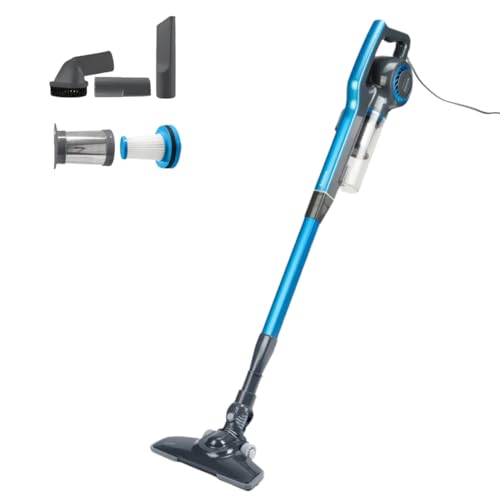
- SV and NSVA: These are compact two-in-one or four-in-one sticks for lighter jobs. They suit quick floor and handheld cleaning rather than deep carpet work.
- CUA: The CUA line uses a lift-off body and can provide a larger 1 L container with longer runtime. It is the more versatile upright-style cordless option.
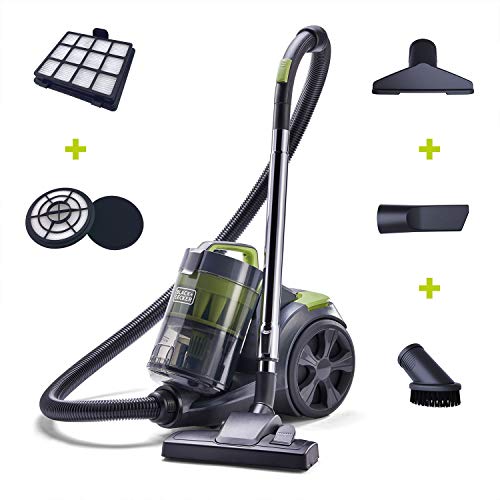
- BXVMS and BDXCAV: BXVMS sticks and BDXCAV canisters are corded families with capacities from about 0.8 L to 3 L. They trade battery freedom for continuous operation.
How much do BLACK+DECKER vacuum cleaners cost?
BLACK+DECKER vacuum cleaners generally cost about £50-£390, with most models between roughly £90 and £220. Basic corded sticks and light cordless models sit near £50-£110, while 18 V POWERSERIES packages commonly occupy the £110-£170 range.
Higher-capacity 36 V, pet or lift-off models can cost about £170-£390. At those prices, compare suction, battery capacity, included head and parts support with stronger mid-range alternatives rather than paying for voltage alone.
The chart below shows the price distribution of BLACK+DECKER vacuum cleaners.
[vertical-chart-05426470405709641729006628398481555889552559776264]
How do BLACK+DECKER vacuum cleaners compare with Dirt Devil?
BLACK+DECKER and Dirt Devil both focus on affordable, convenient cleaning, but BLACK+DECKER offers more removable-battery sticks and a broader tool-battery connection. Dirt Devil leans more toward low-cost corded uprights, canisters and compact cordless models.
Based on our research, BLACK+DECKER averages roughly £150, compared with about £90 for Dirt Devil. Published BLACK+DECKER cordless output commonly sits around 20–60 AW, while Dirt Devil's available air-watt figures can be higher on corded products; the measurement and floorhead must be comparable.
Choose BLACK+DECKER for a convertible stick, accessible battery or anti-tangle POWERSERIES head. Choose Dirt Devil when the lowest price, a traditional corded format or a larger upright bin matters more.
What should you check before buying a BLACK+DECKER vacuum cleaner?
Consider the following factors before buying a BLACK+DECKER vacuum cleaner:
- Format: A cordless stick suits quick cleaning and stairs; a corded stick or canister is better when continuous operation and a larger bin matter.
- Suction: Roughly 15–30 AW is light-duty territory, while 40–60 AW is more useful on rugs. Do not treat 18 V or 36 V as a direct measure of pickup.
- Runtime and charging: Models range from about 16 to 60 minutes, often in a lower mode, and can take 4–10 hours to charge. Check the powered-head and maximum-mode figures.
- Battery: Confirm whether the pack is removable, its amp-hour rating, the compatible charger and the price of a genuine replacement. Similar voltage does not guarantee a matching connector.
- Bin and head: Capacities usually fall around 0.4–1 L for cordless models. Check anti-tangle performance, edge pickup and whether the bin empties without removing the filter.
- Filtration: Look for a sealed path and a stated filter standard if allergies matter. A washable filter still needs replacement when damaged or permanently loaded with fine dust.
- Full model code: Verify tools, battery count, warranty and regional suffix. BDPSE, BHFEV, SV and CUA families differ enough that a shared brand name is not a compatibility guide.