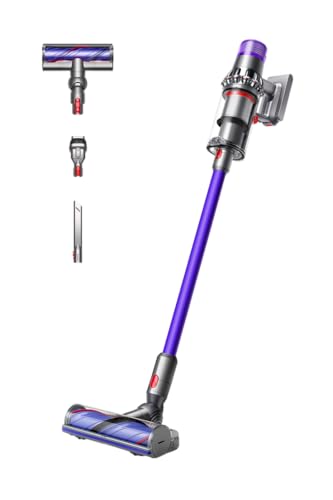

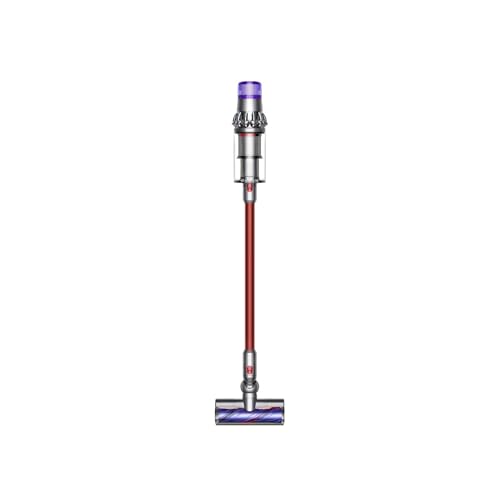
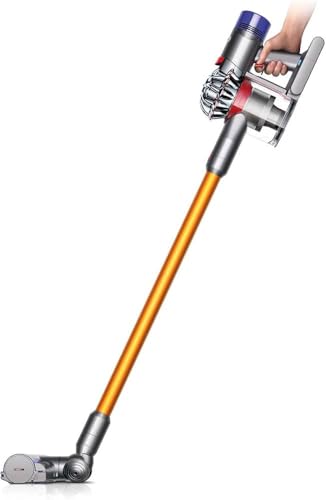
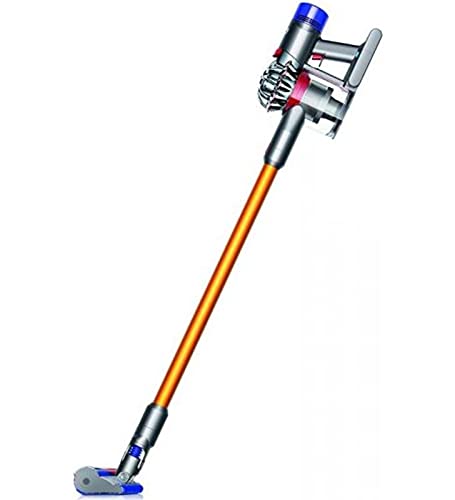
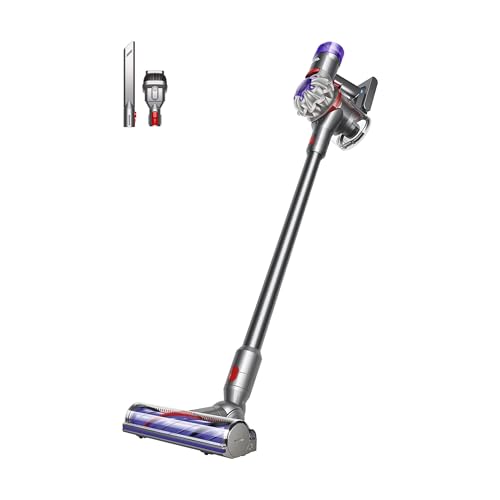
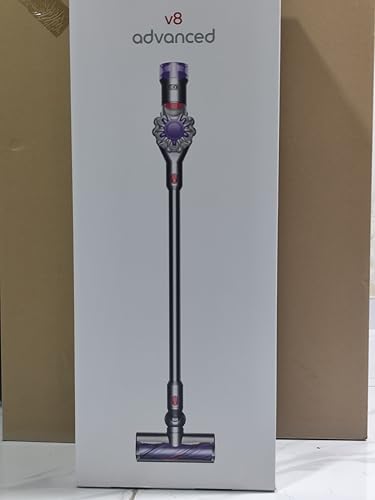
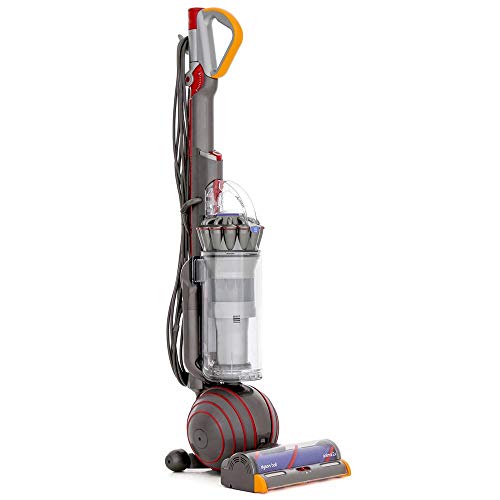
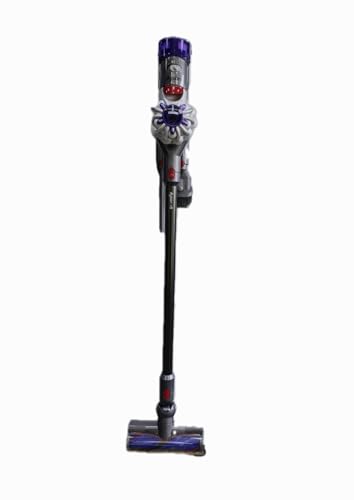
When should you consider buying a Dyson budget vacuum?
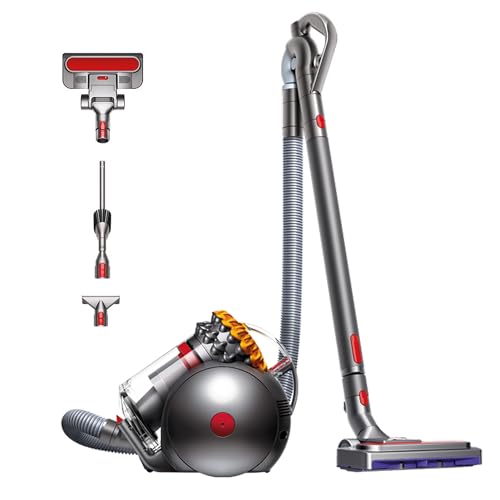
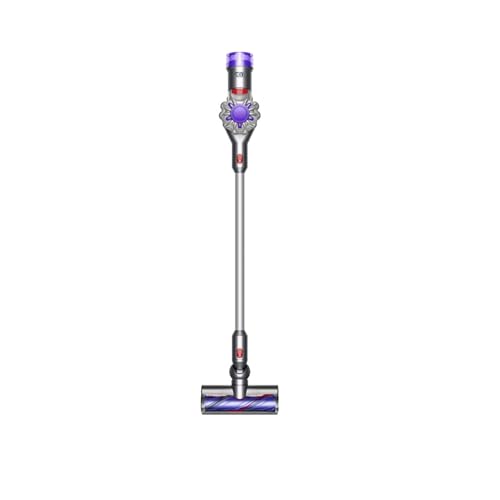
You should consider buying a budget Dyson when proven floorheads, readily available parts and a simpler older platform matter more than the latest display or particle sensor. V8 remains useful for quick hard-floor and rug cleaning, while a Ball or Big Ball can cover longer carpet sessions without charging.
The lower price usually means an older battery, less suction or a basic tool package. V7 and V8 offer roughly 100–130 AW and 30–40 minutes in a lower mode, whereas discounted corded models trade portability for bigger bins and continuous use.
Compare a new budget model with a refurbished higher series only when warranty and battery condition are clear. A cheap body becomes poor value if it needs an expensive battery, cleaner head or charger immediately.

Which Dyson vacuum series include models under £340?
The Dyson vacuum series that commonly include models under £340 are as follows:
- V7 and V8: These are the main cordless families found below £340. V8 generally provides about 115–130 AW, a 0.54 L bin and roughly 40 minutes in a lower mode.
- V12 and newer discounted models: Promotions can occasionally bring newer cordless families into this price range. Check the supplied head, battery, warranty and condition rather than assuming a discounted package matches the standard version.
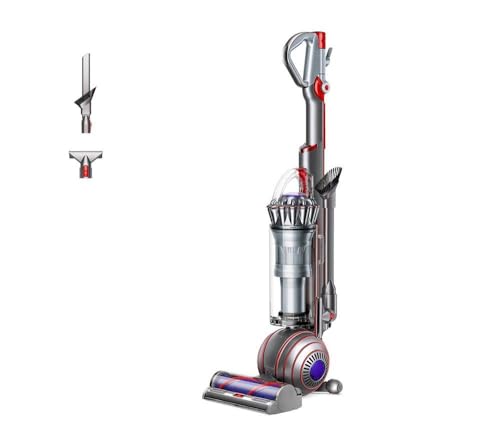
- Ball Animal and Ball Multi Floor: These corded uprights often appear below £340 and provide continuous operation with much larger bins than cordless sticks. They suit carpeted homes that can accept the extra weight and cable.
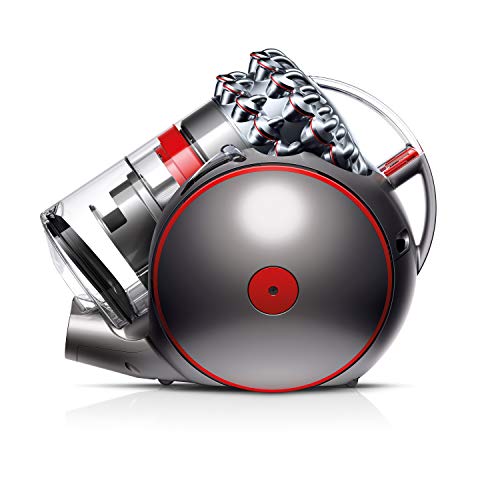
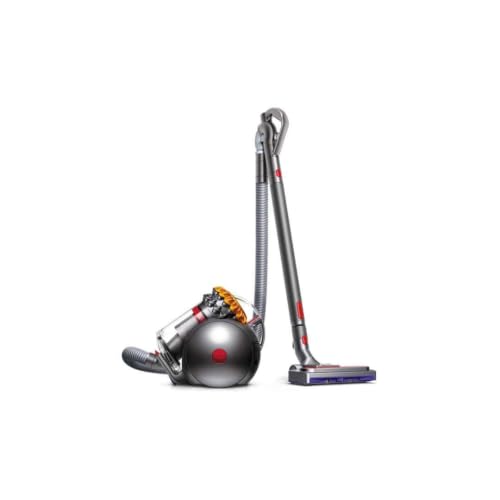
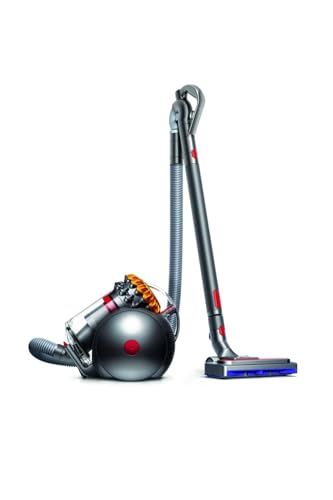
- Big Ball and Cinetic Big Ball: These canisters may also fall below £340, especially in simpler Multifloor or Allergy packages. Animal, Origin, Multifloor and Absolute suffixes identify different tool bundles.
How much do Dyson budget vacuums cost?
Dyson budget vacuums generally cost roughly £220-£340. Corded Ball and Big Ball models begin near £220-£300, while V7 and V8 cordless packages commonly sit around £300-£300.
Within this narrow range, value depends more on condition and included tools than on a small price difference. A £300 package with the correct carpet or hard-floor head can be better than a £260 body that needs another £90 of accessories.
The chart below shows the price distribution of Dyson vacuums under £340.
[vertical-chart-00677658372214715631065961027070644974073359835336]
What should you check before buying a Dyson budget vacuum?
You should check the following factors before buying a budget Dyson vacuum:
- New, refurbished or used condition: Confirm whether the price includes a full retailer warranty and return rights. For refurbished cordless models, ask about battery testing and whether worn parts were replaced.
- Cordless or corded format: V7 and V8 suit quick cleaning and stairs, while Ball or Big Ball provides continuous power and a 1.5–2 L bin. Choose the format before comparing model numbers.
- Battery health: A V8 should provide roughly 40 minutes in a lower mode when healthy, but an aged pack can fall far below that. Check replacement-battery price and whether the model uses a screw-in or click-in pack.
- Suction and floorhead: Roughly 100–130 AW is normal for budget Dyson sticks, while corded models can provide stronger continuous pickup. The correct Fluffy, Motorbar, turbine or combination head matters more than an empty-tool count.
- Bin and filters: Cordless bins near 0.5 L need frequent emptying, whereas corded versions offer around 1.5–2 L. Inspect the bin seal, shroud and washable filter for damage or embedded dust.
- Weight and storage: V7 and V8 weigh about 2.3–2.6 kg; corded models are closer to 7–8 kg and need room for hose and cable. Test stairs, wall-mount position and under-furniture reach.
- Missing parts: Verify the charger, docking bracket, wand, main head and any pet tool. Replacing one proprietary component can erase the saving from a low advertised price.