Are Canon compact cameras good?
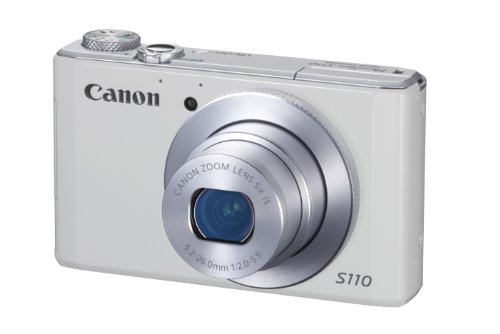
Canon compact cameras are good when a fixed lens, straightforward controls, and a genuinely portable package matter more than interchangeable-lens flexibility. Premium models such as the G7 X Mark III use a 1-inch-type sensor and a bright zoom to deliver better low-light quality and background separation than a basic small-sensor pocket camera, while SX models provide optical zoom ranges that a phone cannot match.
Canon compacts are approachable through touch controls, familiar color, stabilization, and tilting or flip screens. The G7 X Mark III adds 4K video and microphone input, while long-zoom SX740 HS and SX70 HS models favor travel, wildlife, and distant subjects over shallow-depth-of-field portraits. Availability is the main limitation: Canon’s compact range is much smaller than before, so many models are discontinued and new stock is irregular. Small sensors also struggle more in low light, and autofocus or video quality varies by generation. Compare any premium compact near £860 with a small EOS R kit and phone.
What are the main Canon compact camera series?
The main Canon compact series and models are as follows:
- PowerShot G7 X: The G7 X family combines a 1-inch-type sensor with a bright, pocketable zoom and a tilting touchscreen. The G7 X Mark III is particularly oriented toward travel and creators through 4K recording, vertical-friendly handling, and microphone input, but it has no built-in electronic viewfinder and its short zoom is not intended for distant wildlife.
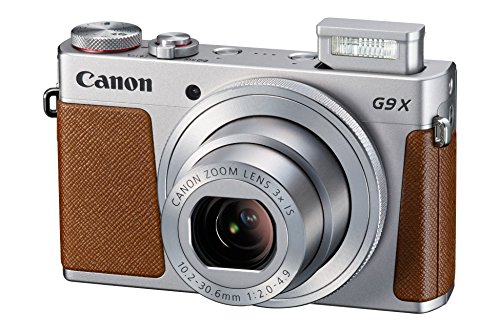
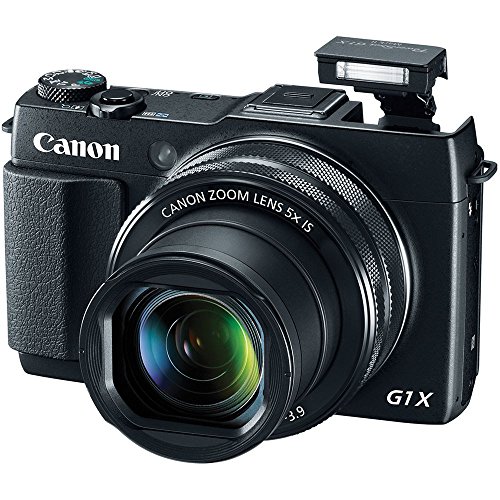
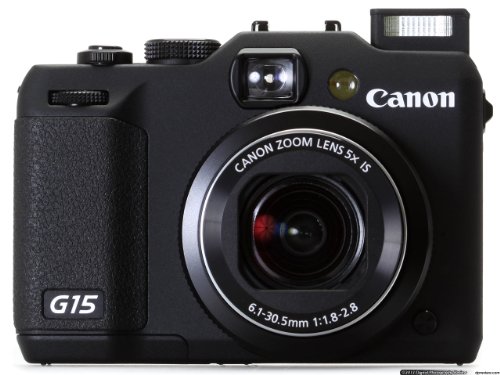
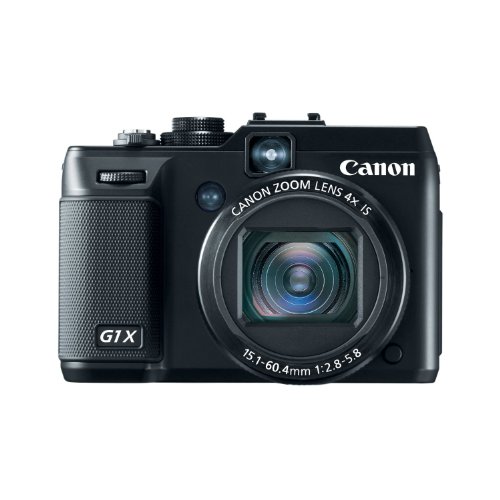
- PowerShot G5 X, G3 X, and G1 X: These premium G-series branches trade pocketability for stronger handling, viewfinders on selected models, longer zooms, or larger sensors. The G1 X Mark III uses an APS-C sensor, the G3 X emphasizes telephoto reach, and the G5 X line balances a 1-inch-type sensor with enthusiast controls; generation and availability differ because these are not all current product lines.
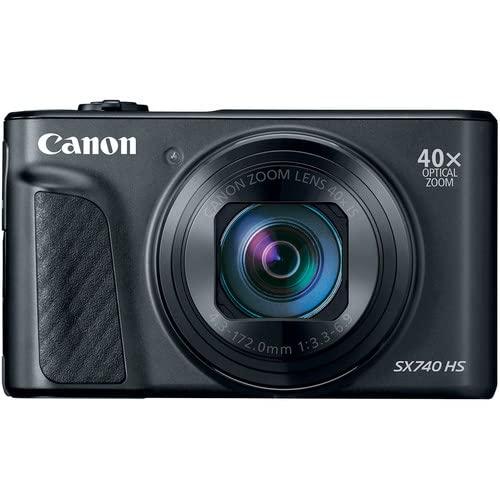
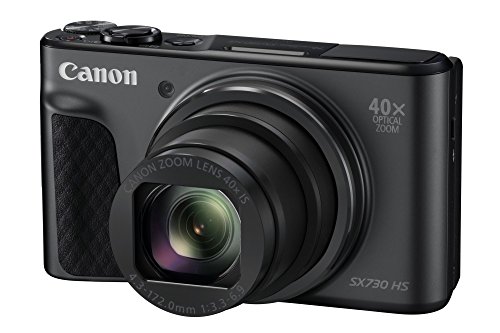
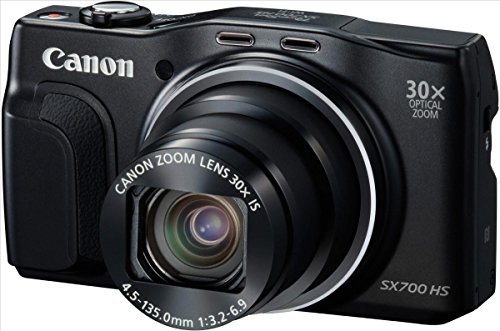
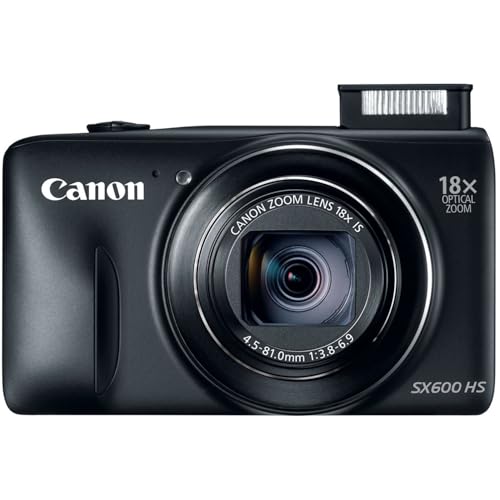
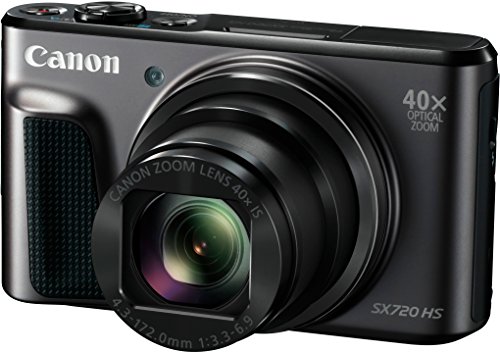
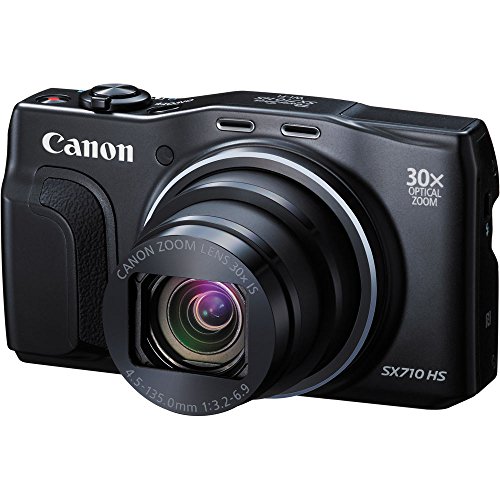
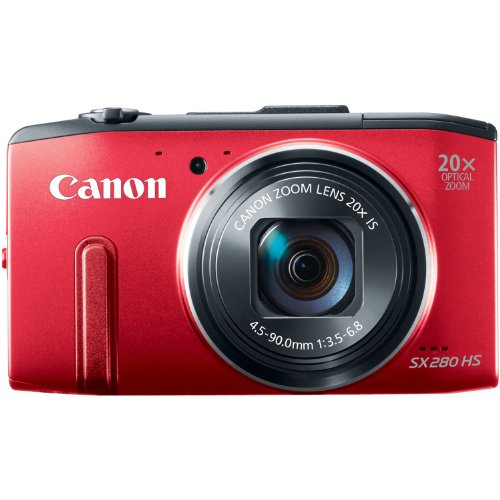
- PowerShot SX travel zooms: Models such as the SX740 HS place a long optical zoom in a compact body, making them useful for daylight sightseeing, landmarks, and occasional distant subjects. Their small sensors and relatively slow lenses limit low-light quality, and the compact grip and screen-based composition are less comfortable than a bridge camera at the long end.
- PowerShot SX bridge cameras: The SX70 HS and earlier SX models use DSLR-shaped bodies with electronic viewfinders, deep grips, and very long integrated zoom lenses. They are convenient for travel and casual wildlife without lens changes, but the small sensor cannot match an APS-C camera for high ISO, dynamic range, or subject isolation.
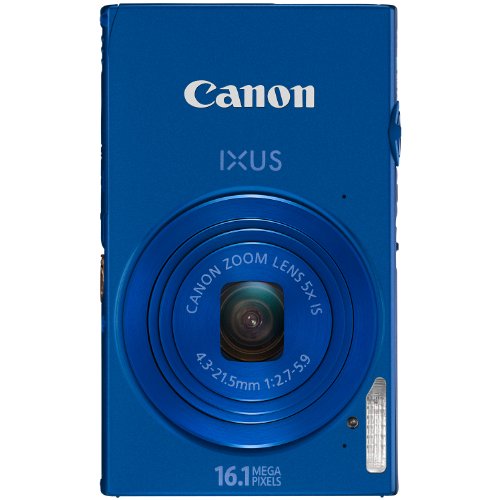
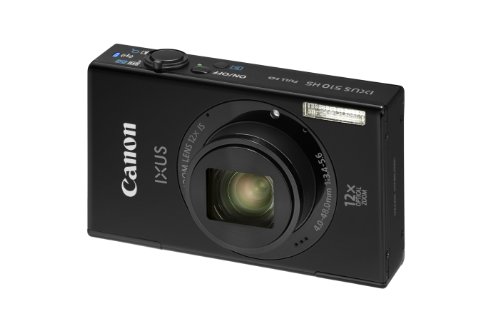
- IXUS and ELPH: IXUS in Europe and ELPH in North America identify Canon's slim point-and-shoot family, designed around simplicity and pocket size. These cameras suit basic daylight snapshots and optical zoom beyond a phone's main lens, but many generations predate modern subject detection, 4K video, and advanced connectivity.
- PowerShot V creator models: The V10 uses an unconventional upright body and integrated stand for simple self-recording, while the newer V1 is a more advanced fixed-lens video-first compact with a larger sensor, wide zoom, improved autofocus, and active cooling. They prioritize vlogging and content production rather than traditional optical-viewfinder photography or long telephoto reach.

How much do Canon compact cameras cost?
Current new Canon compact cameras generally cost about £300-£950, although availability varies by model and country because Canon's compact range is much smaller than its historical catalogue. Basic pocket models and remaining IXUS/ELPH-style stock occupy the lower end, while premium G-series and creator-focused V-series cameras approach or exceed the price of an entry EOS R kit.
A simple pocket compact with modest optical zoom may cost roughly £300-£430. Long-zoom travel models such as the SX740 HS can fall around £400-£600, while the larger SX70 HS bridge-camera tier is commonly around £500-£700. These cameras charge for optical reach and self-contained convenience rather than a large sensor or especially bright lens.
Premium models cost more: a G7 X Mark III typically sits around £730-£860, while a video-focused PowerShot V1-class camera occupies roughly the £860 tier. Compare autofocus, sensor size, lens aperture and zoom, microphone support, cooling, and stabilization with a Sony compact and a small interchangeable-lens Canon kit. The built-in zoom removes a separate lens budget, but a spare battery, fast card, charger or USB power supply, wind protection, microphone, and grip can add £100-£300. Check that the exact battery and accessories remain normally stocked, especially for an older generation.
How do Canon compact cameras compare with Sony compact models?
Canon compact cameras generally emphasize simple touch operation, articulated screens, and creator-friendly autofocus, while Sony compacts offer the broader premium range, stronger high-speed features, and options such as the RX100 VII’s electronic viewfinder and 24–200 mm-equivalent zoom.
Canon’s current compact range is usually about £300-£950, versus roughly £400-£900 for mainstream Sony compacts; Sony’s specialist full-frame RX1R sits far above that range. Canon is attractive for a G7 X- or V-series workflow, while Sony is stronger when a longer pocket zoom, pop-up viewfinder, or more advanced slow motion justifies the price.
What should you consider while choosing the best Canon compact camera?
Consider the following points while choosing a Canon compact camera:
- Confirm that the model is current and normally supplied: Canon's compact catalogue contains many discontinued generations with similar names, while the current new-product range is much smaller. Verify the exact Mark version, regional name, Canon support page, battery availability, warranty, and normal retail supply before comparing price or specifications.
- Start with sensor size: A 1-inch-type G-series sensor gives better low-light quality and background separation than the small sensors used in most SX and IXUS/ELPH models, while the G1 X Mark III uses an even larger APS-C sensor. Larger sensors usually require shorter zoom ranges or a larger body, so choose image quality or reach deliberately.
- Read the lens specification in full: Compare 35 mm-equivalent focal range, maximum aperture at both wide and telephoto ends, minimum focus distance, optical stabilization, and built-in neutral-density filter where available. A zoom may sound impressive by ratio alone yet become very slow at the long end, raising ISO and reducing image quality.
- Match zoom reach to the subject: A G7 X-class lens suits everyday travel, people, and indoor work, while SX travel and bridge cameras extend much farther for landmarks, wildlife, and daylight sport. At extreme telephoto settings, hand movement, atmospheric haze, slower autofocus, and small maximum apertures can limit the practical detail gained.
- Check autofocus generation: Older Canon compacts may use basic contrast-detection autofocus, while newer creator models add stronger subject and eye tracking. Verify focus behavior in both photos and video, touch tracking, minimum light sensitivity, and whether continuous autofocus remains reliable at the chosen frame rate.
- Inspect video details: Confirm 4K crop, frame rates, recording duration, heat management, stabilization crop, microphone input, headphone monitoring, and USB power support. A flip screen alone does not make a camera suitable for long-form video if it lacks reliable autofocus, clean audio options, or enough cooling.
- Decide whether a viewfinder is necessary: Pocket models such as the G7 X Mark III and SX740 HS rely primarily on the rear screen, which can be difficult in bright sunlight. A bridge model such as the SX70 HS includes an electronic viewfinder, while some older premium G models offer pop-up or fixed viewfinders at the cost of added size.
- Check portability with the lens deployed: Compare body weight, thickness, grip depth, lens extension, charging method, and whether the camera still fits the intended pocket or bag. Long-zoom compacts can be small when switched off yet awkward to hold steadily at maximum zoom without a grip or viewfinder.
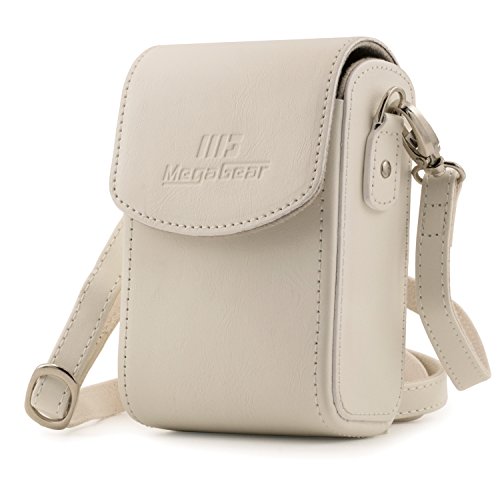
- Budget for the complete creator or travel kit: Include spare batteries, memory cards, a protective case, wrist grip, USB power, and—where supported—microphone and wind protection. Because the lens is permanently built in, make sure its range and aperture cover the real job; a compact cannot solve a lens mismatch through a later lens purchase.