


Are Canon bridge cameras good?
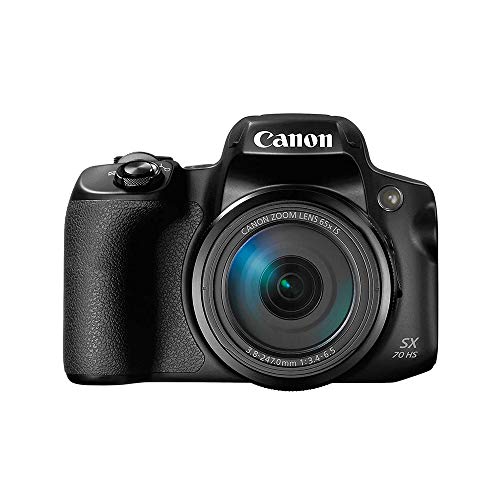
Canon bridge cameras are good when extreme optical zoom and an all-in-one body matter more than large-sensor image quality or interchangeable lenses. The PowerShot SX70 HS combines a 65× zoom covering roughly 21–1,365 mm equivalent, an electronic viewfinder, a fully articulating screen, optical stabilization, RAW capture, and 4K video. That range is useful for travel, distant wildlife, aircraft, the moon, and daylight sport without carrying multiple telephoto lenses.
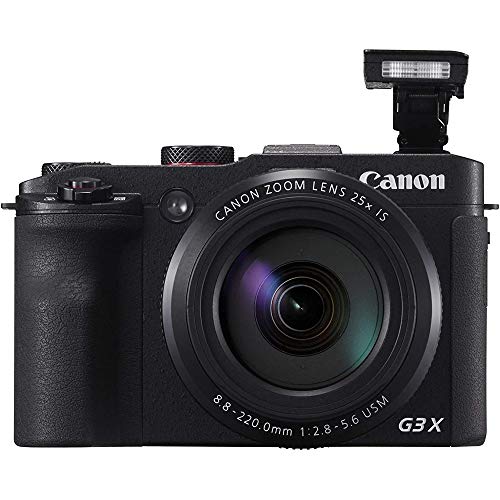
The 1/2.3-inch-type sensor and slow telephoto aperture are the main compromises. The SX70 performs best in bright light; at high ISO or maximum zoom, slow shutter speeds, haze, and less reliable focus reduce detail, while background separation remains weaker than with an APS-C camera and bright telephoto lens. Canon’s bridge range is also limited: older SX models have weaker viewfinders, processors, video, or autofocus, and the larger-sensor 25× G3 X is no longer a mainstream current line. Choose a Canon bridge camera as a reach-first tool, not a mirrorless replacement.
What are the main Canon bridge camera series?
The main Canon bridge series and models are as follows:
- PowerShot SX70 HS: This is the most relevant Canon bridge camera for a current new purchase, combining a 65× 21–1,365 mm-equivalent zoom with a 1/2.3-inch-type sensor, electronic viewfinder, articulating screen, RAW files, and 4K video. It suits daylight travel and distant subjects, but its f/3.4–6.5 lens and small sensor limit low-light quality and shallow depth of field.
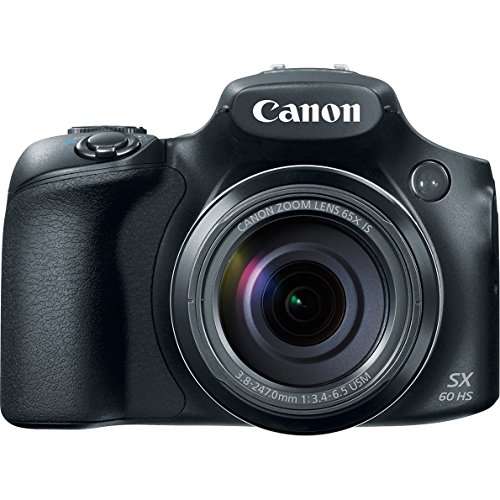
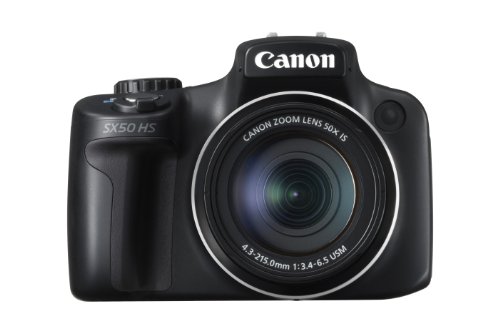
- PowerShot SX60 HS and SX50 HS: These earlier enthusiast superzooms established the long-zoom, viewfinder-equipped PowerShot bridge format before the SX70. The SX60 reaches 65× and the SX50 50×, but their older processors, autofocus, displays, video modes, and connectivity make them generation-specific choices rather than equivalents to the current model.
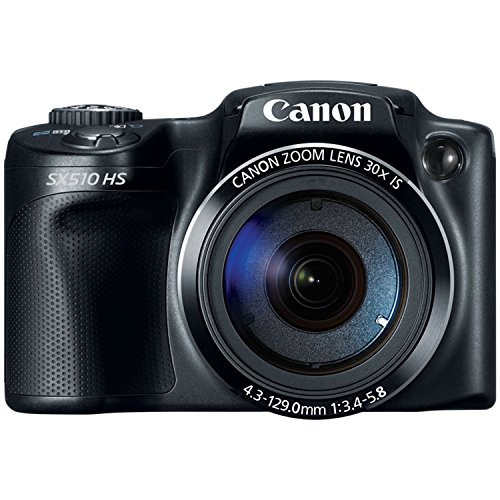
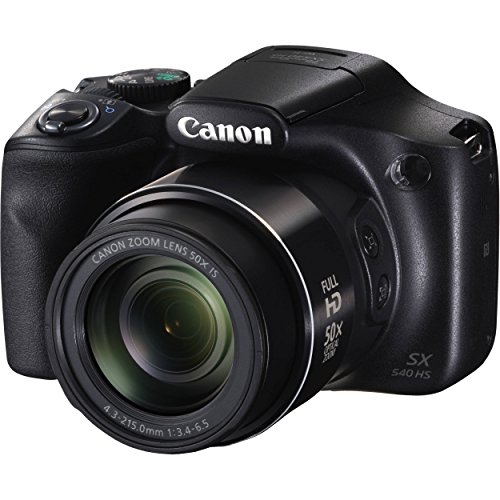
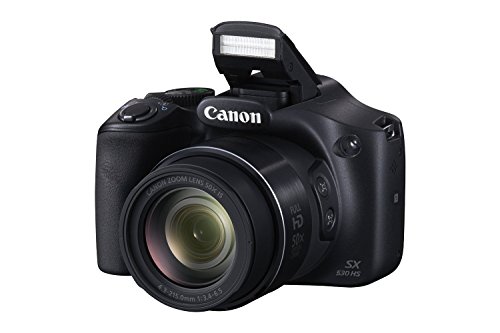
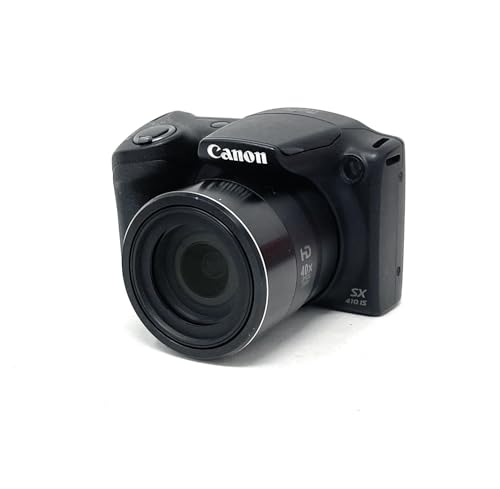
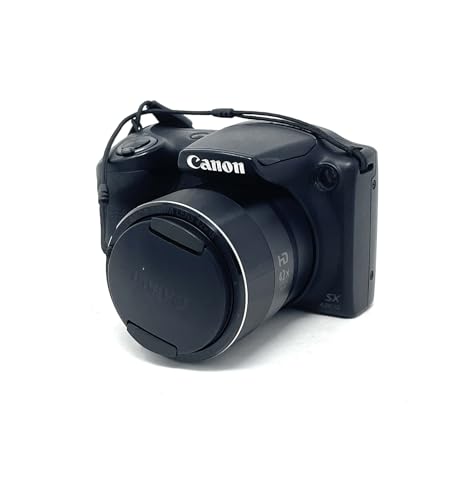
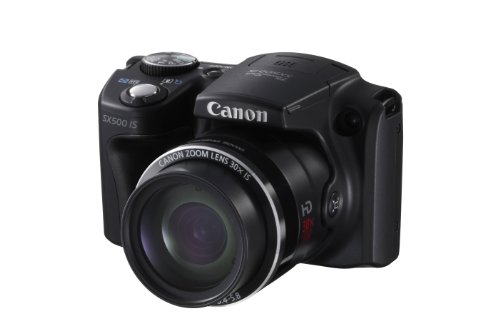
- PowerShot SX4xx and SX5xx families: Models such as the SX420 IS, SX410 IS, SX500 IS, SX510 HS, SX530 HS, and SX540 HS offer substantial fixed-lens zoom in simpler, lower-cost bodies. Several omit the higher-grade viewfinder, RAW, control, or video features associated with the SX60/SX70 tier, so their DSLR-like shape should not be mistaken for enthusiast-level operation.
- PowerShot G3 X: The G3 X takes a different premium-bridge approach with a larger 1-inch-type sensor and a 25× 24–600 mm-equivalent lens. It provides better image-quality potential than the small-sensor SX superzooms and a useful microphone input, but its shorter reach, optional rather than integrated viewfinder, and discontinued status make it a distinct historical branch rather than Canon's current superzoom line.