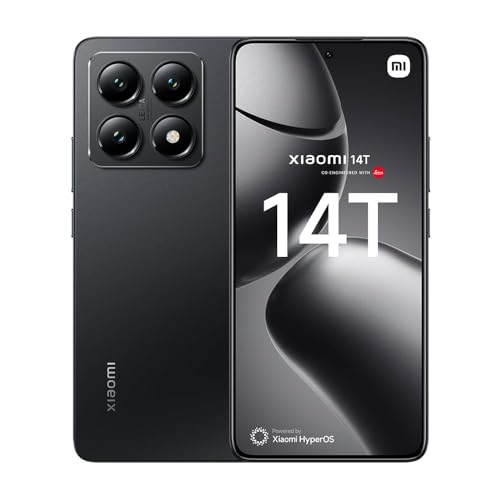
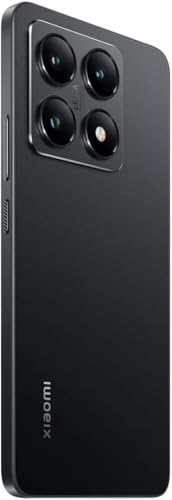
Xiaomi 14T (12GB + 256GB) review. Compare 197 technical specifications and user reviews to see how this product ranks in the Smartphones category and whether it is worth buying.
Overall score
What it is: An overall evaluation of the smartphone's quality, based on technical analyses and user reviews.
When it matters: When you need a quick reference to identify the best smartphones on the market.
Score components:
90.0%
Technical Score
10.0%
User score
Technical Score
What it is: An assessment of the smartphone's technical performance, covering eight key areas: performance & hardware, software, camera, connectivity, display, battery, audio, and design.
When it matters: When you want to compare smartphones based on technical performance and available features.
Score components:
25.0%
Performance & Hardware
18.0%
Camera
15.0%
Display
15.0%
Battery
10.0%
Software
10.0%
Connectivity
4.0%
Audio
3.0%
Design
User score
What it is: A rating that combines user reviews and the total number of reviews received by the smartphone
When it matters: When you want to know how a smartphone handles daily tasks and how reliable it remains over time according to user feedback.
Score components:
70.0%
User reviews
30.0%
Popularity

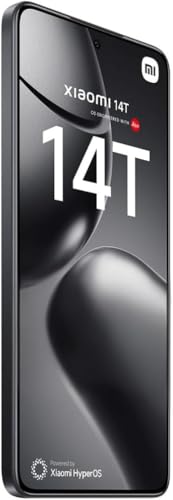
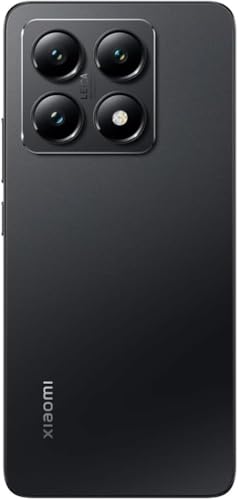
#41 (#29) in Best Value Smartphones
#58 (#14) in Best Smartphones Under £400
#60 (#11) in Best Xiaomi Phones
#103 (#21) in Best Smartphones Under £500
What it is: An assessment of the smartphone's technical performance, covering eight key areas: performance & hardware, software, camera, connectivity, display, battery, audio, and design.
When it matters: When you want to compare smartphones based on technical performance and available features.
Score components:
25.0%
Performance & Hardware
18.0%
Camera
15.0%
Display
15.0%
Battery
10.0%
Software
10.0%
Connectivity
4.0%
Audio
3.0%
Design
What it is: A rating that combines user reviews and the total number of reviews received by the smartphone
When it matters: When you want to know how a smartphone handles daily tasks and how reliable it remains over time according to user feedback.
Score components:
70.0%
User reviews
30.0%
Popularity
What it is: An indicator that combines the smartphone's overall rating with its cost.
When it matters: When you are looking for a smartphone with a good balance between quality and price.
Score components:
60.0%
Overall score
40.0%
Price
Importance: LOW
Importance: HIGH
Importance: HIGH
Good value: >12 GB
Importance: MEDIUM
Good value: >256 GB
Importance: MEDIUM
Good value: >3.2 GHz
Importance: LOW
Importance: MEDIUM
Good value: >1500
Importance: LOW
Good value: >4000
Importance: LOW
Good value: 8+
Importance: LOW
Importance: LOW
Good value: >950 MHz
Importance: LOW
Good value: >700
Importance: LOW
Good value: >1000
Importance: LOW
Good value: >2500
Importance: MEDIUM
Good value: >6000
Importance: LOW
Good value: >8000
Importance: MEDIUM
Good value: >12000
Importance: LOW
Good value: >5000
Importance: LOW
Good value: >1800
Importance: LOW
Good value: >3200 MHz
Importance: LOW
Good value: 5
Importance: LOW
Good value: > 50 GB/s
Importance: LOW
Good value: 4
Importance: LOW
Good value: >16 GB
Importance: MEDIUM
Good value: <6 nm
Importance: MEDIUM
Good value: >9 W
Importance: LOW
Importance: LOW
Good value: >8192 KB
Importance: LOW
Good value: >2048 KB
Importance: LOW
Good value: >512 KB
Importance: LOW
Good value: >100000 million
Importance: LOW
Good value: 3.3
Importance: LOW
Good value: 3.2
Importance: LOW
Good value: 2.0/3.0
Importance: LOW
Importance: LOW
Importance: LOW
Importance: MEDIUM
Importance: LOW
Importance: LOW
Importance: LOW
Importance: LOW
Importance: LOW
Importance: LOW
Importance: LOW
Importance: LOW
Importance: LOW
Importance: LOW
Importance: LOW
Importance: LOW
Importance: LOW
Importance: LOW
Importance: LOW
Importance: LOW
Importance: LOW
Importance: LOW
Importance: LOW
Importance: LOW
Importance: LOW
Importance: LOW
Importance: LOW
Importance: LOW
Importance: LOW
Importance: LOW
Importance: LOW
Importance: LOW
Importance: LOW
Importance: LOW
Importance: LOW
Importance: LOW
Importance: LOW
Importance: MEDIUM
Good value: >50 MP
Importance: MEDIUM
Importance: HIGH
Good value: >60
Importance: LOW
Good value: ≥1.2 µm
Importance: MEDIUM
Good value: >2.5x
Importance: MEDIUM
Importance: LOW
Importance: LOW
Importance: LOW
Importance: LOW
Good value: ≥2
Importance: LOW
Importance: LOW
Importance: LOW
Importance: LOW
Good value: >16 MP
Importance: LOW
Importance: LOW
Importance: LOW
Importance: LOW
Importance: MEDIUM
Importance: LOW
Importance: LOW
Importance: LOW
Importance: LOW
Importance: LOW
Importance: LOW
Importance: LOW
Importance: LOW
Importance: LOW
Importance: LOW
Importance: LOW
Importance: LOW
Importance: LOW
Importance: LOW
Importance: LOW
Importance: LOW
Importance: LOW
Importance: LOW
Importance: LOW
Importance: LOW
Importance: LOW
Good value: >130
Importance: LOW
Good value: >120
Importance: LOW
Good value: ≥2
Importance: LOW
Importance: LOW
Importance: LOW
Importance: LOW
Importance: LOW
Importance: LOW
Good value: >5.2
Importance: LOW
Importance: LOW
Importance: LOW
Importance: LOW
Good value: 3.1/3.2
Importance: LOW
Importance: LOW
Importance: LOW
Good value: ≥2
Importance: LOW
Importance: LOW
Importance: LOW
Importance: LOW
Importance: LOW
Importance: LOW
Importance: LOW
Importance: LOW
Importance: LOW
Importance: LOW
Importance: LOW
Importance: LOW
Importance: LOW
Importance: LOW
Importance: LOW
Importance: LOW
Good value: ≥6.6 inches
Importance: MEDIUM
Importance: LOW
Good value: >400 ppi
Importance: MEDIUM
Importance: MEDIUM
Good value: ≥120 Hz
Importance: LOW
Importance: LOW
Good value: >300 Hz
Importance: LOW
Good value: >800 nits
Importance: LOW
Good value: >1300 nits
Importance: LOW
Good value: >1000 nits
Importance: LOW
Importance: LOW
Importance: LOW
Importance: LOW
Importance: LOW
Importance: LOW
Importance: LOW
Importance: LOW
Importance: HIGH
Good value: >5000 mAh
Importance: MEDIUM
Good value: >60 W
Importance: LOW
Importance: LOW
Good value: <45 min
Importance: LOW
Importance: LOW
Good value: >40 W
Importance: LOW
Importance: LOW
Good value: >10 W
Importance: LOW
Importance: LOW
Importance: MEDIUM
Importance: LOW
Good value: >800
Importance: LOW
Importance: LOW
Importance: LOW
Importance: LOW
Importance: LOW
Good value: ≥3
Importance: LOW
Importance: LOW
Importance: LOW
Importance: LOW
Importance: LOW
Importance: LOW
Importance: LOW
Good value: <162 mm
Importance: LOW
Good value: <75 mm
Importance: LOW
Good value: <8 mm
Importance: LOW
Good value: <190 g
Importance: LOW
Good value: <98cm³
Importance: LOW
Importance: LOW
Importance: LOW
Importance: LOW
Importance: LOW
Importance: LOW
Good value: ≥1.5 m
Importance: LOW
Importance: LOW
Good value: >8
Importance: LOW
Importance: LOW
Importance: MEDIUM
Importance: LOW
Importance: MEDIUM
Good value: >3.2 GHz
Importance: LOW
Good value: >1300 nits
Importance: MEDIUM
Good value: >2.5x
Importance: MEDIUM
Good value: >6000
Importance: LOW
Good value: >800 nits
Importance: HIGH
Good value: >12 GB
Importance: LOW
Importance: LOW
Importance: LOW
Importance: LOW
Importance: LOW
Importance: LOW
Good value: >16 GB
What it is: An overall evaluation of the smartphone's quality, based on technical analyses and user reviews.
When it matters: When you need a quick reference to identify the best smartphones on the market.
no rating assigned
?The Xiaomi 14T is reviewed as a mid-range device featuring an excellent 6.67-inch, 144Hz AMOLED display and a durable IP68-rated design, though it struggles to compete with rivals like the Pixel 8a. While the MediaTek Dimensity 8300 Ultra offers solid, if not top-tier, performance and useful AI features like Circle to Search, the overall value is hampered by average battery life,...Read more
no rating assigned
?The Xiaomi 14T is presented as a professional "flagship killer" emphasizing core performance with a premium "Titan" design and a 6.67-inch AMOLED display. Pros include the exceptional build quality, smooth performance from the MediaTek Dimensity 8300-Ultra chipset, IP68 water resistance, and a Leica-powered camera excelling in low light. Cons include the absence of a charging brick,...Read more
no rating assigned
?The Xiaomi 14T camera exhibits strong overall performance in bright conditions, capturing natural skin tones, accurate white balance, and fine detail with a wide depth of field. However, it struggles in low light with unstable exposure and color casts, unnatural bokeh effects, and a live preview that doesn't match the final image's dynamic range. Video recording shows effective...Read more
no rating assigned
?According to a Niuxtech review, the Xiaomi 14T is positioned as a "flagship killer" around €400, featuring a bright 4000-nit AMOLED 144Hz display and a MediaTek Dimensity 8300 Ultra chipset that handles daily tasks and most games smoothly. Key pros include a Leica-engineered triple camera with a 50MP telephoto lens and 32MP selfie camera, a 5000mAh battery lasting over 25 hours, a...Read more
no rating assigned
?The Xiaomi 14T is presented as a "sub-flagship" offering strong performance with a 144Hz AMOLED display and MediaTek Dimensity 8300-Ultra chip. Its advantages include IP68 water resistance, stereo sound, a versatile Leica-branded triple camera, long battery life with 67W fast charging, and the customizable HyperOS with AI features. However, the device has a slippery plastic frame,...Read more
no rating assigned
?According to TechStomper, the Xiaomi 14T is a "Flagship Chaser" noted for its premium build, elegant design, and an exceptional 6.67-inch AMOLED display with a 144Hz refresh rate and 4,000 nits peak brightness. Powered by the MediaTek Dimensity 8300 Ultra and 12GB RAM, it offers reliable gaming performance and all-day battery life, complemented by 67W fast charging. However, the...Read more
no rating assigned
?The Xiaomi 14T features a design similar to its Pro counterpart, highlighted by a 6.67-inch AMOLED display with a 144Hz refresh rate and exceptional brightness. While it includes a premium build and IP68 rating, it uses a MediaTek Dimensity 8300-Ultra chip, which exhibits slight hesitation in demanding tasks compared to the Pro model. The Leica-co-developed camera system performs...Read more
no rating assigned
?TechRadar reviews the Xiaomi 14T as a solid mid-range phone with features approaching flagship models, highlighting its excellent display, reliable performance, and premium design as strengths. While it offers great value, its main compromises are in certain camera aspects and durability. The review details pros like the vibrant 6.67-inch AMOLED 144Hz display, the snappy MediaTek...Read more
no rating assigned
?The CharlesTech review highlights the Xiaomi 14T as a high-performance "flagship killer" featuring an elegant, durable design with slim bezels. Its 6.67-inch AMOLED display offers a 144Hz refresh rate, 1.5K resolution, and impressive 4,000 nits peak brightness. Performance is driven by the MediaTek Dimensity 8300-Ultra, capable of handling demanding gaming and multitasking, while...Read more
no rating assigned
?The Google Pixel 7a offers a high-value, mid-range experience featuring the Tensor G2 chip, a 90Hz OLED display, and a 64MP main sensor that excels in low-light and detailed photography. Key pros include the advanced camera capabilities, clean software, wireless charging, and IP67 durability, while the design uses a durable composite back rather than glass to reduce costs. Cons...Read more
no rating assigned
?The Xiaomi 14T, as tested by the Leclaireur Fnac lab, is a well-balanced mid-range phone with a high-quality build and a 6.67-inch AMOLED screen hitting 4,000 nits, though it lacks LTPO technology for more efficient refresh rates. The MediaTek Dimensity 8300 Ultra ensures high performance, complemented by a Leica-engineered 50MP camera that delivers excellent color accuracy and...Read more
no rating assigned
?The Journal du Geek review describes the Xiaomi 14T as a compelling "accessible flagship" that bridges the gap between mid-range pricing and high-end performance. A major highlight is the 6.67-inch AMOLED display, which offers a 144Hz refresh rate and up to 4,000 nits peak brightness, while the MediaTek Dimensity 8300-Ultra delivers snappy, high-end daily performance. The...Read more
no rating assigned
?The Phonandroid review positions the Xiaomi 14T as a high-performance "flagship killer" featuring a premium aluminium-alloy design, an IP68 rating, and a 6.67-inch AMOLED display with a 144Hz refresh rate and 4,000 nits peak brightness. Powered by the MediaTek Dimensity 8300-Ultra and 12GB of RAM, the device delivers strong performance, while the 5,000mAh battery supports 67W fast...Read more
no rating assigned
?The Xiaomi 14T, as analyzed in the Les Numériques review, is a "flagship killer" offering premium features like a 6.67-inch 1.5K 144Hz OLED screen (4,000 nits peak) and an IP68 rating at a mid-range price point. Performance is solid, driven by the MediaTek Dimensity 8300-Ultra and 12GB RAM, though the device has a 5,000mAh battery that can drain quickly in certain scenarios, and it...Read more
no rating assigned
?Frandroid reviews the Xiaomi 14T as a high-performance device bridging the gap between mid-range and flagship, highlighted by a bright 6.67-inch 144Hz AMOLED display and the capable MediaTek Dimensity 8300-Ultra chipset. The camera system features a strong 50MP Leica-tuned main sensor, complemented by a rare-for-the-price telephoto lens, though the, ultra-wide and selfie cameras are...Read more
no rating assigned
?The Xiaomi 14T is a "flagship killer" offering a 6.67-inch, 144Hz AMOLED display and IP68 water resistance for approximately €649. It features the MediaTek Dimensity 8300-Ultra chipset, providing strong performance for gaming, alongside 67W charging. While the Leica-tuned 50MP main camera produces detailed images, the ultra-wide and 2x telephoto sensors are less impressive. Key pros...Read more
no rating assigned
?The Xiaomi 14T, reviewed by Androidworld, positions itself as a "Fan Edition" alternative, delivering high-end features like a 6.67-inch, 144Hz AMOLED display with 4,000 nits peak brightness, and an IP68-rated, 195-gram design. While powered by the capable MediaTek Dimensity 8300-Ultra and featuring a Leica-engineered 50MP main camera, the device sometimes struggles with heavy...Read more
no rating assigned
?The Xiaomi 14T offers a compelling mix of premium features at a mid-range price point of approximately €450 to €550, highlighted by a vibrant 6.67-inch, 144Hz AMOLED display and solid performance from the MediaTek Dimensity 8300-Ultra chip. Key advantages include the co-engineered Leica cameras with impressive color styles, 67W fast charging, IP68 resistance, and a reliable 5,000mAh...Read more
no rating assigned
?The Xiaomi 14T serves as an accessible "flagship killer," featuring a premium 6.67-inch 144Hz AMOLED display with slim bezels and a high 4,000-nit peak brightness. Performance is driven by the MediaTek Dimensity 8300-Ultra chipset, offering smooth multitasking and gaming, paired with Leica-tuned cameras. The device runs on HyperOS with deep AI integration, including Circle to...Read more
no rating assigned
?The Xiaomi 14T acts as a premium mid-range device featuring a 6.67-inch 144Hz AMOLED display with high peak brightness and a durable IP68-rated design. Powered by the MediaTek Dimensity 8300-Ultra, it offers strong performance, complemented by a Leica-tuned 50MP main camera that excels in color and low-light scenarios. However, the device compromises with a slow USB 2.0 port, lack...Read more
no rating assigned
?The Galaxus review identifies the Xiaomi 14T as an average upper-mid-range device, featuring a quality 6.67-inch, 144Hz AMOLED display and a functional, simple design. Despite these strengths, the device is held back by poor battery life, lasting only 8 hours and 33 minutes in tests, and a disappointing camera system. While the MediaTek Dimensity 8300 Ultra provides capable...Read more
no rating assigned
?The Xiaomi 14T is positioned as a strong upper mid-range smartphone featuring a premium, waterproof (IP68) design and a 6.67-inch 144Hz AMOLED display capable of reaching 4,000 nits peak brightness. Powered by the MediaTek Dimensity 8300-Ultra, the device delivers high-end performance, complemented by a Leica-tuned 50MP main camera that excels in varied lighting conditions. Despite...Read more
no rating assigned
?The Xiaomi 14T is positioned as a high-value "upper-class" smartphone featuring a 6.67-inch, 144 Hz AMOLED display with exceptional brightness and an IP68-certified, premium build. Performance is driven by the MediaTek Dimensity 8300-Ultra and 12 GB of RAM, providing a smooth experience, complemented by a long-term software commitment of four OS upgrades and five years of security...Read more
no rating assigned
?The ChinaMobileMag review positions the Xiaomi 14T as a compelling "flagship killer" featuring a premium, IP68-rated design and a bright 6.67-inch, 144Hz AMOLED display. Performance is driven by the MediaTek Dimensity 8300-Ultra, which provides a fast, smooth user experience suitable for gaming. The camera system, optimized by Leica, features a strong 50MP main sensor capable of...Read more
no rating assigned
?The Xiaomi 14T and 14T Pro offer a premium, IP68-rated design featuring 6.67-inch, 144Hz AMOLED screens with 4,000 nits peak brightness, though the design is noted as somewhat generic. Performance is high-end, with the 14T Pro utilizing the MediaTek Dimensity 9300+ and the standard 14T the Dimensity 8300-Ultra, both handling demanding games well, though they lack the emulation...Read more
no rating assigned
?The Xiaomi 14T delivers a high-performance, premium mid-range experience, highlighted by a 6.67-inch, 144Hz AMOLED display capable of 4,000 nits peak brightness. Driven by the MediaTek Dimensity 8300-Ultra, the device offers excellent, responsive performance for gaming and everyday tasks. Its design features a durable aluminum-alloy chassis with an IP68 rating, complemented by a...Read more
no rating assigned
?The Xiaomi 14T, reviewed by Digitec, is a 6.67-inch "flagship killer" featuring a high-quality 144Hz AMOLED display with 4,000 nits peak brightness and IP68 water resistance. However, the Leica-branded camera system receives significant criticism for producing images with a distracting yellow tint and poor performance in high-contrast scenes. While the device offers solid...Read more
no rating assigned
?The Macitynet review positions the Xiaomi 14T as a "flagship killer" balancing mid-range pricing with premium features, including a 6.67-inch, 144Hz AMOLED display peaking at 4,000 nits and IP68 water resistance. Powered by the MediaTek Dimensity 8300-Ultra, the device delivers high-end, fluid performance paired with a versatile Leica-tuned camera system, though the 12MP ultra-wide...Read more
no rating assigned
?The Xiaomi 14T positions itself as a "flagship killer" featuring a 6.67-inch 144Hz AMOLED display with 4,000 nits peak brightness, housed in a durable IP68-rated, premium-designed chassis. Pros include excellent display performance and solid build quality, though the large, 6.67-inch size may make one-handed use difficult. Powered by the MediaTek Dimensity 8300-Ultra, the device...Read more
no rating assigned
?The Xiaomi 14T is reviewed as a mid-range device featuring an excellent 6.67-inch, 144Hz AMOLED display and a durable IP68-rated design, though it struggles to compete with rivals like the Pixel 8a. While the MediaTek Dimensity 8300 Ultra offers solid, if not top-tier, performance and useful AI features like Circle to Search, the overall value is hampered by average battery life,...Read more
no rating assigned
?The Xiaomi 14T is presented as a professional "flagship killer" emphasizing core performance with a premium "Titan" design and a 6.67-inch AMOLED display. Pros include the exceptional build quality, smooth performance from the MediaTek Dimensity 8300-Ultra chipset, IP68 water resistance, and a Leica-powered camera excelling in low light. Cons include the absence of a charging brick,...Read more
no rating assigned
?The Xiaomi 14T camera exhibits strong overall performance in bright conditions, capturing natural skin tones, accurate white balance, and fine detail with a wide depth of field. However, it struggles in low light with unstable exposure and color casts, unnatural bokeh effects, and a live preview that doesn't match the final image's dynamic range. Video recording shows effective...Read more
no rating assigned
?According to a Niuxtech review, the Xiaomi 14T is positioned as a "flagship killer" around €400, featuring a bright 4000-nit AMOLED 144Hz display and a MediaTek Dimensity 8300 Ultra chipset that handles daily tasks and most games smoothly. Key pros include a Leica-engineered triple camera with a 50MP telephoto lens and 32MP selfie camera, a 5000mAh battery lasting over 25 hours, a...Read more
no rating assigned
?The Xiaomi 14T is presented as a "sub-flagship" offering strong performance with a 144Hz AMOLED display and MediaTek Dimensity 8300-Ultra chip. Its advantages include IP68 water resistance, stereo sound, a versatile Leica-branded triple camera, long battery life with 67W fast charging, and the customizable HyperOS with AI features. However, the device has a slippery plastic frame,...Read more
no rating assigned
?According to TechStomper, the Xiaomi 14T is a "Flagship Chaser" noted for its premium build, elegant design, and an exceptional 6.67-inch AMOLED display with a 144Hz refresh rate and 4,000 nits peak brightness. Powered by the MediaTek Dimensity 8300 Ultra and 12GB RAM, it offers reliable gaming performance and all-day battery life, complemented by 67W fast charging. However, the...Read more
no rating assigned
?The Xiaomi 14T features a design similar to its Pro counterpart, highlighted by a 6.67-inch AMOLED display with a 144Hz refresh rate and exceptional brightness. While it includes a premium build and IP68 rating, it uses a MediaTek Dimensity 8300-Ultra chip, which exhibits slight hesitation in demanding tasks compared to the Pro model. The Leica-co-developed camera system performs...Read more
no rating assigned
?TechRadar reviews the Xiaomi 14T as a solid mid-range phone with features approaching flagship models, highlighting its excellent display, reliable performance, and premium design as strengths. While it offers great value, its main compromises are in certain camera aspects and durability. The review details pros like the vibrant 6.67-inch AMOLED 144Hz display, the snappy MediaTek...Read more
no rating assigned
?The CharlesTech review highlights the Xiaomi 14T as a high-performance "flagship killer" featuring an elegant, durable design with slim bezels. Its 6.67-inch AMOLED display offers a 144Hz refresh rate, 1.5K resolution, and impressive 4,000 nits peak brightness. Performance is driven by the MediaTek Dimensity 8300-Ultra, capable of handling demanding gaming and multitasking, while...Read more
no rating assigned
?The Google Pixel 7a offers a high-value, mid-range experience featuring the Tensor G2 chip, a 90Hz OLED display, and a 64MP main sensor that excels in low-light and detailed photography. Key pros include the advanced camera capabilities, clean software, wireless charging, and IP67 durability, while the design uses a durable composite back rather than glass to reduce costs. Cons...Read more
no rating assigned
?The Xiaomi 14T, as tested by the Leclaireur Fnac lab, is a well-balanced mid-range phone with a high-quality build and a 6.67-inch AMOLED screen hitting 4,000 nits, though it lacks LTPO technology for more efficient refresh rates. The MediaTek Dimensity 8300 Ultra ensures high performance, complemented by a Leica-engineered 50MP camera that delivers excellent color accuracy and...Read more
no rating assigned
?The Journal du Geek review describes the Xiaomi 14T as a compelling "accessible flagship" that bridges the gap between mid-range pricing and high-end performance. A major highlight is the 6.67-inch AMOLED display, which offers a 144Hz refresh rate and up to 4,000 nits peak brightness, while the MediaTek Dimensity 8300-Ultra delivers snappy, high-end daily performance. The...Read more
no rating assigned
?The Phonandroid review positions the Xiaomi 14T as a high-performance "flagship killer" featuring a premium aluminium-alloy design, an IP68 rating, and a 6.67-inch AMOLED display with a 144Hz refresh rate and 4,000 nits peak brightness. Powered by the MediaTek Dimensity 8300-Ultra and 12GB of RAM, the device delivers strong performance, while the 5,000mAh battery supports 67W fast...Read more
no rating assigned
?The Xiaomi 14T, as analyzed in the Les Numériques review, is a "flagship killer" offering premium features like a 6.67-inch 1.5K 144Hz OLED screen (4,000 nits peak) and an IP68 rating at a mid-range price point. Performance is solid, driven by the MediaTek Dimensity 8300-Ultra and 12GB RAM, though the device has a 5,000mAh battery that can drain quickly in certain scenarios, and it...Read more
no rating assigned
?Frandroid reviews the Xiaomi 14T as a high-performance device bridging the gap between mid-range and flagship, highlighted by a bright 6.67-inch 144Hz AMOLED display and the capable MediaTek Dimensity 8300-Ultra chipset. The camera system features a strong 50MP Leica-tuned main sensor, complemented by a rare-for-the-price telephoto lens, though the, ultra-wide and selfie cameras are...Read more
no rating assigned
?The Xiaomi 14T is a "flagship killer" offering a 6.67-inch, 144Hz AMOLED display and IP68 water resistance for approximately €649. It features the MediaTek Dimensity 8300-Ultra chipset, providing strong performance for gaming, alongside 67W charging. While the Leica-tuned 50MP main camera produces detailed images, the ultra-wide and 2x telephoto sensors are less impressive. Key pros...Read more
no rating assigned
?The Xiaomi 14T, reviewed by Androidworld, positions itself as a "Fan Edition" alternative, delivering high-end features like a 6.67-inch, 144Hz AMOLED display with 4,000 nits peak brightness, and an IP68-rated, 195-gram design. While powered by the capable MediaTek Dimensity 8300-Ultra and featuring a Leica-engineered 50MP main camera, the device sometimes struggles with heavy...Read more
no rating assigned
?The Xiaomi 14T offers a compelling mix of premium features at a mid-range price point of approximately €450 to €550, highlighted by a vibrant 6.67-inch, 144Hz AMOLED display and solid performance from the MediaTek Dimensity 8300-Ultra chip. Key advantages include the co-engineered Leica cameras with impressive color styles, 67W fast charging, IP68 resistance, and a reliable 5,000mAh...Read more
no rating assigned
?The Xiaomi 14T serves as an accessible "flagship killer," featuring a premium 6.67-inch 144Hz AMOLED display with slim bezels and a high 4,000-nit peak brightness. Performance is driven by the MediaTek Dimensity 8300-Ultra chipset, offering smooth multitasking and gaming, paired with Leica-tuned cameras. The device runs on HyperOS with deep AI integration, including Circle to...Read more
no rating assigned
?The Xiaomi 14T acts as a premium mid-range device featuring a 6.67-inch 144Hz AMOLED display with high peak brightness and a durable IP68-rated design. Powered by the MediaTek Dimensity 8300-Ultra, it offers strong performance, complemented by a Leica-tuned 50MP main camera that excels in color and low-light scenarios. However, the device compromises with a slow USB 2.0 port, lack...Read more
no rating assigned
?The Galaxus review identifies the Xiaomi 14T as an average upper-mid-range device, featuring a quality 6.67-inch, 144Hz AMOLED display and a functional, simple design. Despite these strengths, the device is held back by poor battery life, lasting only 8 hours and 33 minutes in tests, and a disappointing camera system. While the MediaTek Dimensity 8300 Ultra provides capable...Read more
no rating assigned
?The Xiaomi 14T is positioned as a strong upper mid-range smartphone featuring a premium, waterproof (IP68) design and a 6.67-inch 144Hz AMOLED display capable of reaching 4,000 nits peak brightness. Powered by the MediaTek Dimensity 8300-Ultra, the device delivers high-end performance, complemented by a Leica-tuned 50MP main camera that excels in varied lighting conditions. Despite...Read more
no rating assigned
?The Xiaomi 14T is positioned as a high-value "upper-class" smartphone featuring a 6.67-inch, 144 Hz AMOLED display with exceptional brightness and an IP68-certified, premium build. Performance is driven by the MediaTek Dimensity 8300-Ultra and 12 GB of RAM, providing a smooth experience, complemented by a long-term software commitment of four OS upgrades and five years of security...Read more
no rating assigned
?The ChinaMobileMag review positions the Xiaomi 14T as a compelling "flagship killer" featuring a premium, IP68-rated design and a bright 6.67-inch, 144Hz AMOLED display. Performance is driven by the MediaTek Dimensity 8300-Ultra, which provides a fast, smooth user experience suitable for gaming. The camera system, optimized by Leica, features a strong 50MP main sensor capable of...Read more
no rating assigned
?The Xiaomi 14T and 14T Pro offer a premium, IP68-rated design featuring 6.67-inch, 144Hz AMOLED screens with 4,000 nits peak brightness, though the design is noted as somewhat generic. Performance is high-end, with the 14T Pro utilizing the MediaTek Dimensity 9300+ and the standard 14T the Dimensity 8300-Ultra, both handling demanding games well, though they lack the emulation...Read more
no rating assigned
?The Xiaomi 14T delivers a high-performance, premium mid-range experience, highlighted by a 6.67-inch, 144Hz AMOLED display capable of 4,000 nits peak brightness. Driven by the MediaTek Dimensity 8300-Ultra, the device offers excellent, responsive performance for gaming and everyday tasks. Its design features a durable aluminum-alloy chassis with an IP68 rating, complemented by a...Read more
no rating assigned
?The Xiaomi 14T, reviewed by Digitec, is a 6.67-inch "flagship killer" featuring a high-quality 144Hz AMOLED display with 4,000 nits peak brightness and IP68 water resistance. However, the Leica-branded camera system receives significant criticism for producing images with a distracting yellow tint and poor performance in high-contrast scenes. While the device offers solid...Read more
no rating assigned
?The Macitynet review positions the Xiaomi 14T as a "flagship killer" balancing mid-range pricing with premium features, including a 6.67-inch, 144Hz AMOLED display peaking at 4,000 nits and IP68 water resistance. Powered by the MediaTek Dimensity 8300-Ultra, the device delivers high-end, fluid performance paired with a versatile Leica-tuned camera system, though the 12MP ultra-wide...Read more
no rating assigned
?The Xiaomi 14T positions itself as a "flagship killer" featuring a 6.67-inch 144Hz AMOLED display with 4,000 nits peak brightness, housed in a durable IP68-rated, premium-designed chassis. Pros include excellent display performance and solid build quality, though the large, 6.67-inch size may make one-handed use difficult. Powered by the MediaTek Dimensity 8300-Ultra, the device...Read more

Compare