The main microphone types and their best uses are as follows:
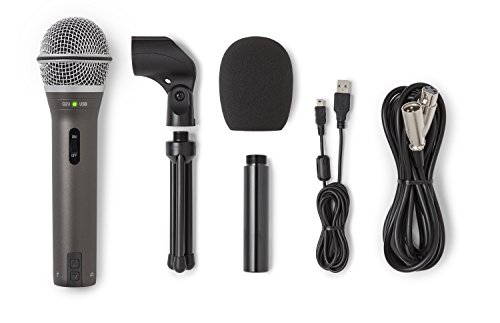
- USB microphones: Best for straightforward PC or Mac recording, gaming, calls, podcasting, and streaming without a separate interface. They combine the capsule, preamp, and digital converter in one unit, so setup is simple but future signal-chain upgrades are limited.
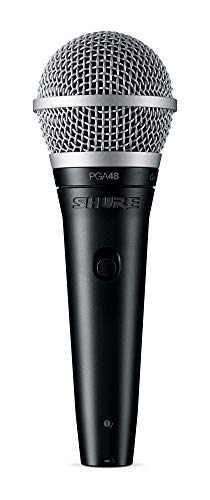
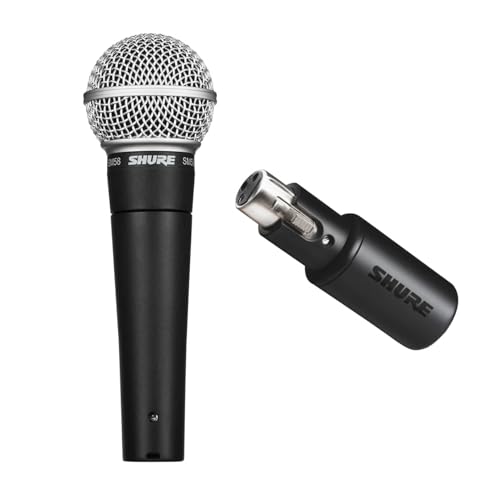
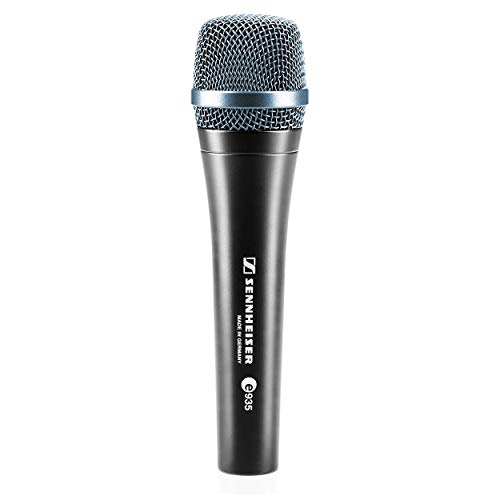
- XLR microphones: Best for studios, live vocals, broadcast chains, and buyers who want to choose their own preamp or audio interface. They are more flexible and easier to integrate into professional systems, but they require extra hardware and more setup knowledge.
- Hybrid USB/XLR microphones: Best for users who want immediate USB convenience with the option to move into an XLR setup later. They are particularly useful for podcasting and streaming because one microphone can serve both beginner and more advanced workflows.
- Condenser microphones: Best for detailed vocals, acoustic instruments, voice-over, and controlled studio rooms. Their sensitivity captures nuance well, but it also exposes room reflections, keyboard noise, traffic, and poor placement more readily.
- Dynamic microphones: Best for live vocals, untreated rooms, loud sources, and close-miked speech. They are durable and usually reject more surrounding sound, although some models need more clean preamp gain than a typical USB input can provide.
- Wireless microphones: Best for presentations, mobile video, interviews, and performance situations where cable freedom matters. Wireless reliability, battery management, operating band, receiver compatibility, and latency should be checked before purchase.
Are USB or XLR microphones better for most users?
USB microphones are better for most users who want a simple desk setup, while XLR microphones are better for buyers who want an expandable or professional recording chain.
A USB microphone contains its own preamp and analog-to-digital converter, so it can connect directly to a compatible computer or mobile device. That makes it the easier choice for gaming, calls, streaming, podcasting, and home voice-over, especially when direct monitoring, mute, and gain controls are built into the microphone. The limitation is that the internal electronics define the available conversion quality and upgrade path.
An XLR microphone sends an analog signal to an external interface, mixer, or preamp. This adds cost and complexity, and condenser models may also need 48 V phantom power, but it lets you select better preamps, add multiple microphones, route signals more flexibly, and replace one component without replacing the whole setup.
For most first-time buyers, USB is the more practical answer. XLR becomes the better investment when room treatment, recording technique, multiple inputs, live use, or long-term expansion matter more than plug-and-play convenience; a hybrid USB/XLR model can bridge both paths.