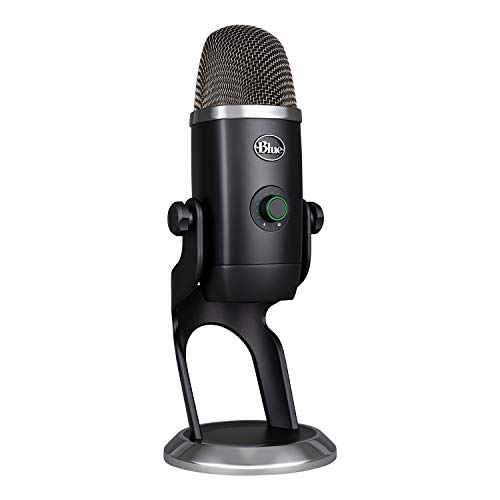
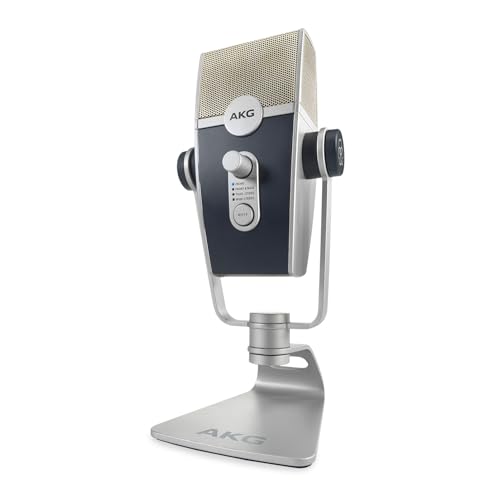
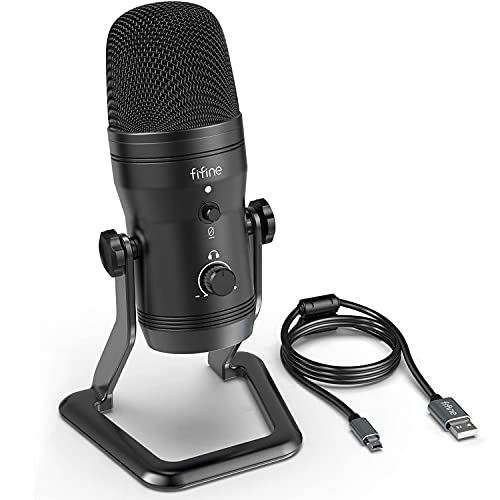
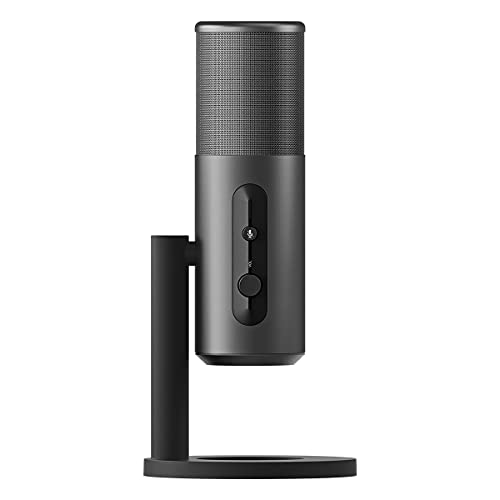
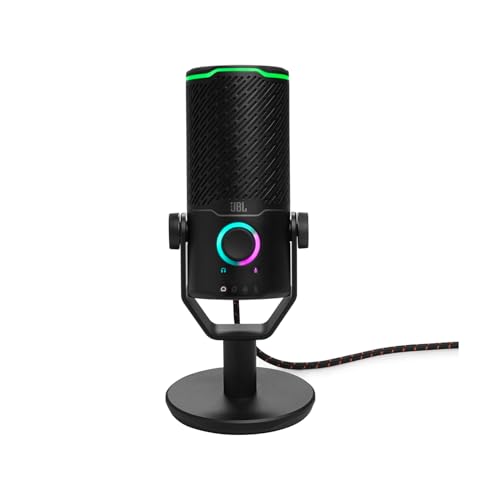
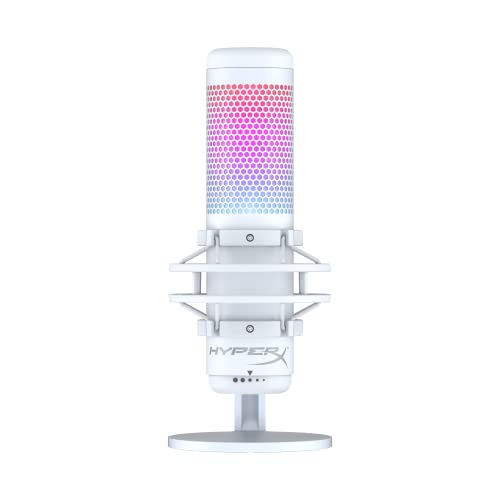
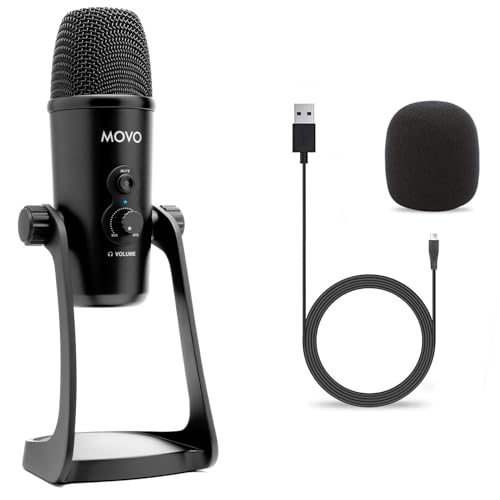
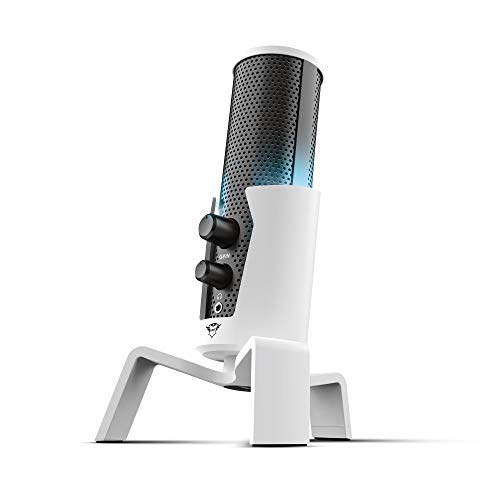
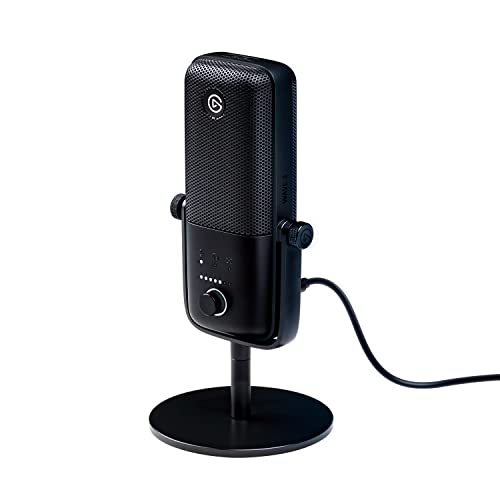
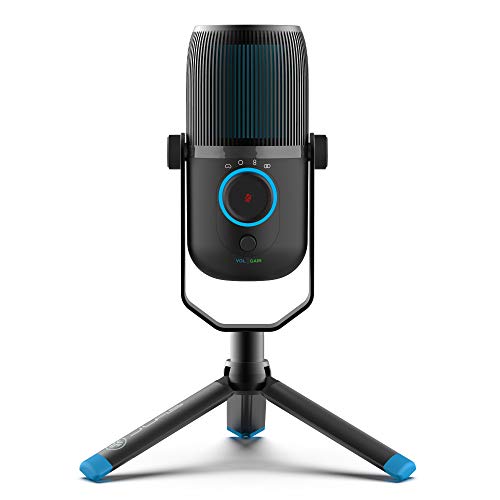
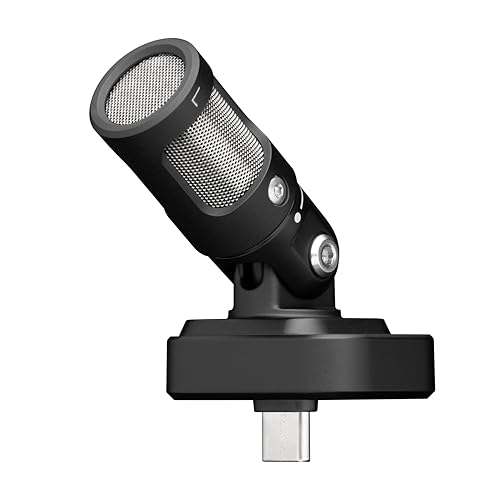
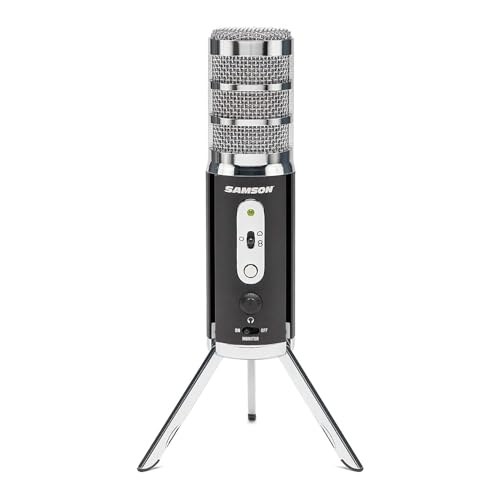
Which brands make the best condenser microphones?
The condenser microphone brands with the highest average overall scores are as follows.
- HyperX (Average overall score: 8.3)
- JLab Audio (Average overall score: 8.1)
- Blue (Average overall score: 8)
The chart below compares condenser microphone brands by average overall score.
[horizontal-chart-01711890670526705401020518595395524980253381998963]
What is a condenser microphone?
A condenser microphone uses a very light, electrically charged diaphragm and backplate to turn sound pressure into an electrical signal. Because the diaphragm responds to tiny changes in air movement, the microphone can capture vocal texture, fast instrument transients, and room ambience with more fine detail than many moving-coil designs.
The capsule needs power for its internal electronics. Most studio XLR condensers receive 48 V phantom power from an interface or mixer, electret capsules hold a permanent charge and may run from plug-in power or a battery, and USB models draw power through their digital connection. This sensitivity produces an open, polished sound in a controlled space, but it also reveals reflections, fans, traffic, and inconsistent technique more readily than a close-address dynamic microphone.
How do condenser microphones differ from dynamic microphones?
Condenser microphones are usually more sensitive and revealing; dynamic microphones are generally tougher and better at keeping a noisy room out of the recording. Neither type is automatically better for every source.
The difference starts at the capsule. A condenser uses an exceptionally light diaphragm and active electronics, so it follows small pressure changes quickly and normally delivers a strong output. A moving-coil dynamic capsule has more mass and typically produces less output, but it tolerates hard handling and very loud sources well.
For studio vocals, acoustic instruments, and voice-over in a controlled space, the extra high-frequency detail and sense of air from a condenser can be valuable. Put the same microphone beside a computer, in a reflective bedroom, or on a loud stage and it may capture more ambience than the recording needs. A cardioid dynamic used close to the mouth can then sound cleaner, even if it captures less fine detail.
The supporting equipment differs too. Most XLR condensers need 48 V phantom power but relatively little preamp gain, whereas many broadcast-style dynamics need no power and may benefit from a high-gain interface or inline booster.
What are condenser microphones best suited for?
Condenser microphones are best suited to the following recording jobs:
- Studio vocals and voice-over: Large-diaphragm cardioid condensers capture breath, articulation, and tonal detail well when the room is controlled. A pop filter and consistent 15-25 cm working distance help manage plosives and level changes.
- Acoustic instruments: Small- and large-diaphragm models can reproduce guitar, piano, strings, and percussion with fast transient response. Placement matters because moving only a few centimetres can change brightness, body, and room balance.
- Stereo and ensemble recording: Matched small-diaphragm pairs work well for XY, ORTF, and spaced techniques. Consistent capsules and careful phase alignment are more important than choosing the largest diaphragm.
- Streaming and podcasting in quiet rooms: USB condensers provide an integrated preamp, converter, monitoring output, and convenient desk controls. They are easy to operate, but a close keyboard and reflective walls can become clearly audible.
- Drum overheads and detailed amplifier capture: Condensers can preserve cymbal shimmer, attack, and room character. Check maximum SPL and use a pad where available before placing a sensitive capsule near a very loud source.
How much do condenser microphones cost?
Condenser microphones generally cost about £30-£260, although basic desktop models can cost less and flagship studio designs can exceed £860.
At roughly £20-£70, expect entry-level USB or electret-condenser microphones aimed at calls, gaming, and first recordings. Useful models exist here, but compromises often appear in self-noise, stand stability, monitoring, bundled accessories, or consistency between units. A complete USB package may still be better value than a cheap XLR microphone once the price of an interface and stand is included.
The strongest home-studio selection sits around £100-£300, where established XLR large-diaphragm condensers and polished USB models become common. This tier brings quieter electronics, sturdier mounting, and extras such as selectable polar patterns, pads, or high-pass filters. From about £430 upward, the improvements become more source-specific and depend heavily on room acoustics, preamp quality, and placement. Spend at that level only after the rest of the recording chain is good enough to expose the difference.
The chart below shows the price distribution of condenser microphones.
[vertical-chart-01834382941286935878101445834356489700460135564919]
How good is sound quality on condenser microphones?
A good condenser microphone can deliver detailed, open, studio-grade sound when its voicing suits the source and the room is controlled. Its light diaphragm preserves subtle attacks and upper-frequency information that add clarity to speech and realism to acoustic instruments.
For quiet voice-over, soft vocals, and delicate instruments, self-noise deserves close attention; about 10–16 dBA is a useful target. At the other extreme, a maximum level around 120–140 dB SPL provides practical headroom for powerful singers, drums, and amplifiers, especially when a pad is available.
Frequency response is about fit rather than width alone. A presence rise can help a dark voice cut through but can sharpen sibilance, while extended bass adds weight yet may become boomy at close distance because of proximity effect.
Room and placement often matter more than the jump between price tiers. A carefully positioned mid-priced condenser with controlled early reflections can outperform a premium microphone in a bare room, so stable mounting, pop protection, shock isolation, and basic absorption belong to the sound-quality budget.
What power and connection options do condenser microphones need?
The main condenser microphone power and connection options are as follows:
- XLR with phantom power: Most studio condensers use a balanced three-pin XLR output and need 48 V phantom power from an audio interface, mixer, recorder, or external preamp. Confirm that the input supplies phantom power and can disable it when connecting equipment that does not need it.
- USB: A USB condenser includes its own preamp and analog-to-digital converter and normally draws power from the host. Check whether it uses USB-C or USB-A, whether the supplied cable carries data, and whether the microphone supports the operating system and recording software.
- Hybrid USB and XLR: Hybrid models can connect directly to a computer today and enter an interface-based setup later. Verify whether both outputs work simultaneously and whether onboard monitoring and controls remain available in XLR mode.
- Electret and mobile connections: Compact electret models may use 3.5 mm TRS, TRRS, Lightning, USB-C, or a proprietary camera receiver. Connector shape alone does not guarantee compatibility, so check plug wiring, required bias voltage, adapter support, and whether the device accepts an external microphone.
- Battery-powered operation: Some camera, field, and wireless condensers use internal or replaceable batteries. Check the real recording runtime, charging method, automatic power behavior, and whether audio stops when the battery is charging.
What should you check before buying a condenser microphone?
The main points to check before buying a condenser microphone are as follows:
- Intended source and room: Choose the capsule for the voice, instrument, distance, and acoustic environment. A sensitive large-diaphragm condenser can excel on close vocals in a treated room but become frustrating beside a computer fan or reflective walls.
- Polar pattern: Cardioid is the safest general choice, while omnidirectional and figure-eight modes suit room sound, group pickup, interviews, and mid-side recording. Multi-pattern flexibility does not replace careful placement.
- Self-noise, sensitivity, and SPL: Quiet voice-over and acoustic recording benefit from self-noise around 10–16 dBA and enough sensitivity to avoid excessive preamp gain. Loud drums, amplifiers, and vocals instead require strong maximum SPL and, where useful, a pad.
- Diaphragm design: Large-diaphragm condensers often give close vocals a fuller presentation, while small-diaphragm models commonly provide more consistent off-axis response and fast transient capture. Treat diaphragm size as a source-matching choice rather than a quality ladder.
- Power, interface, and host: Confirm 48 V phantom power and suitable input gain for XLR, or exact operating-system, mobile-device, connector, adapter, and power support for USB models. Check monitoring latency when the microphone will be used for performance or overdubbing.
- Frequency response, filter, and pad: Choose a response that complements the source rather than the widest advertised range. A high-pass filter controls rumble and proximity buildup, while a pad protects the input stage on loud sources.
- Mounting and plosive control: Match the stand or boom arm to the microphone weight and thread, use shock isolation where desk or floor vibration is likely, and add an effective pop filter or windscreen for close vocals. Stable placement preserves the detail a condenser is bought to capture.