
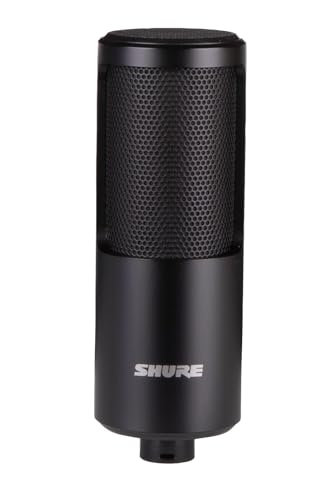
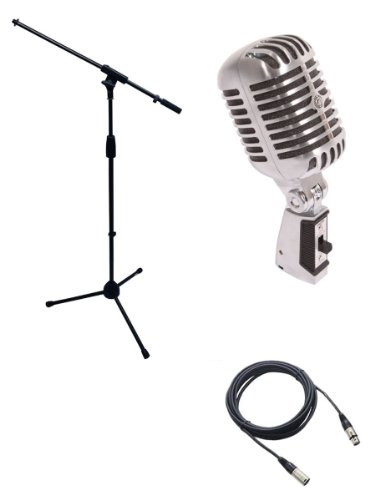
Are Shure microphones good?
Shure microphones have an average overall score of 7.5, ranking #9 among comparable microphone brands, and a user rating of 9.6, placing them at #2 based on user reviews.
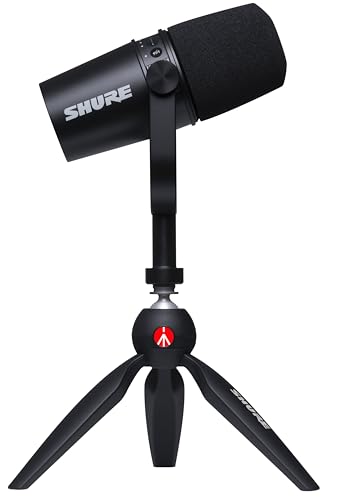
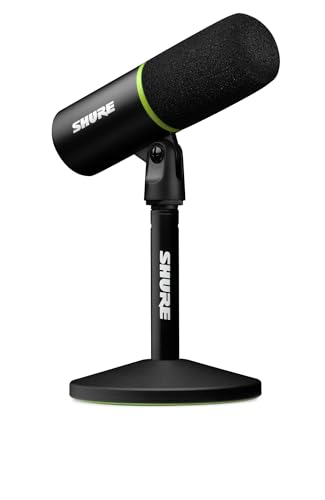
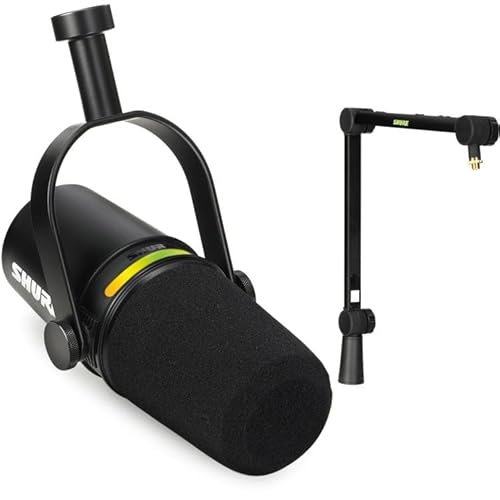
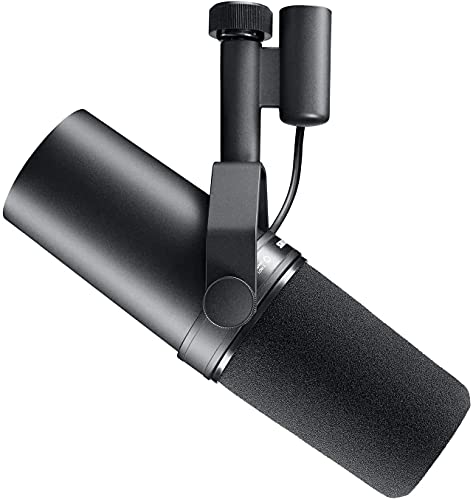
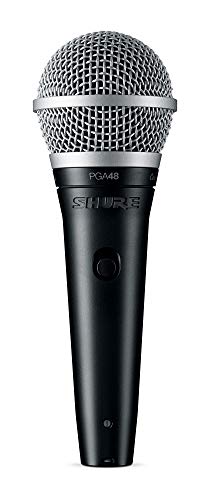
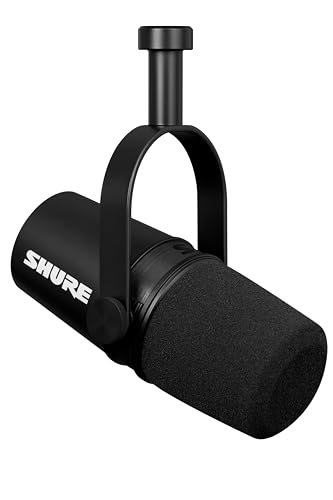
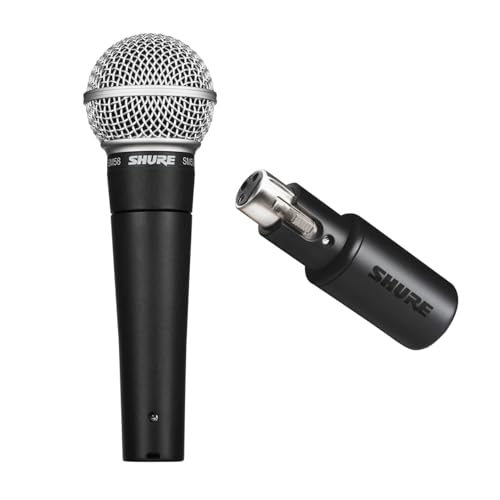
Shure microphones are very good when matched to the intended source and signal path. The SM58 and PGA48 cover rugged handheld vocals, SM7B and the MV7 family focus on close spoken word, SM4 serves detailed studio recording, and MOTIV models add USB or mobile conversion, monitoring, mute, loopback, or hybrid USB/XLR operation. Traditional XLR dynamics remain durable and predictable but need a suitable interface, and low-output models such as SM7B benefit from ample clean gain.
Shure is less compelling when the priority is the lowest price, many switchable patterns, or a complete accessory kit. Most models use focused cardioid pickup and may still require a stand, interface, pop protection, or preamp; the premium makes sense when build, service life, and a clearly defined professional workflow matter.
The chart below ranks microphone brands by average overall score.
[horizontal-chart-17722261969187988942009596606811630445561412665918]
Who should consider buying Shure microphones?
The following users are especially well suited to Shure microphones:
- Live singers and presenters: SM58 and PGA48 are handheld cardioid dynamics built for close use, stage handling, and high sound levels.
- Podcasters and streamers: MV6 and the MV7 family focus on speech, close placement, headphone monitoring, mute, and computer-friendly recording.
- Broadcasters and voice-over artists: SM7B suits a treated or controlled spoken-word chain with a capable XLR preamp, while MV7 models provide a simpler digital route.
- Home and project studios: SM4 is the range's conventional XLR condenser for vocals and instruments when detail and a wider 20 Hz–20 kHz response are useful.
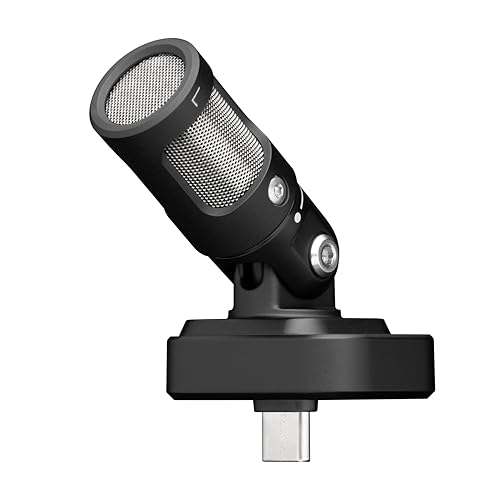
- Mobile journalists and musicians: MV88 is compact, iOS-compatible, and offers cardioid plus bidirectional pickup for portable stereo or mid-side style capture.
- Buyers building an XLR system: SM58, SM7B, SM4, MV7X, PGA48, and 55SH Series II integrate with mixers and interfaces without tying the setup to one computer platform.
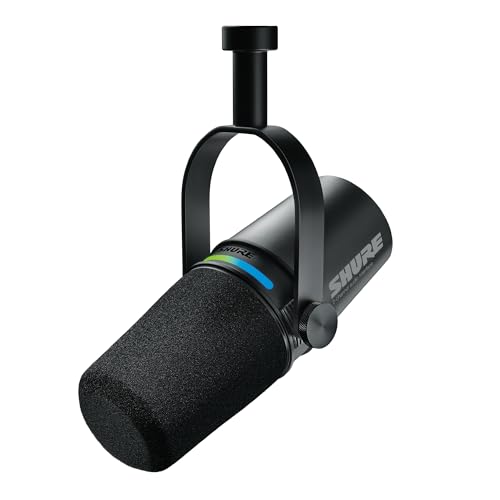
- Hybrid creators: MV7 and MV7 Plus combine USB convenience with balanced XLR, allowing the same microphone to move between a solo desk and a hardware studio chain.

How do Shure microphones differ from other microphones?
Shure differs from many microphone brands by maintaining strong, distinct product paths for stage, broadcast, studio, mobile, and USB use. The classic XLR models keep controls and electronics minimal: SM58, PGA48, 55SH Series II, MV7X, SM4, and SM7B depend on the mixer or interface for gain and monitoring. In return, they fit established professional signal chains, use balanced outputs, and are not made obsolete by a computer connector or companion application.
The MOTIV digital models bring more of the recording chain into the microphone. Most record at 24-bit/48 kHz, run from USB, and add features such as direct headphone monitoring, mute, loopback, touch controls, or mobile support. MV7 and MV7 Plus are particularly flexible because USB and XLR can serve different workflows, while MV7i goes further by acting as a compact interface for an added input.
Shure also tends to tune and package each model around one dominant use. The SM58 emphasises live vocal durability, SM7B close spoken-word control, SM4 studio detail, MV88 portability, and MV6 straightforward desktop speech. Competing ranges may offer more polar patterns, decorative lighting, or lower entry prices, but Shure's appeal is the consistency between physical design, pickup behaviour, and the job named for the model.
What are the main series of Shure microphones?
The main Shure microphone series and families are as follows:
- SM family: SM58 is the durable handheld dynamic for live vocals and speech, SM7B is the high-gain broadcast and studio dynamic, and SM4 is a cardioid XLR condenser for detailed vocal and instrument recording. The letters do not imply one shared capsule; select within the family by source, working distance, and preamp requirements.
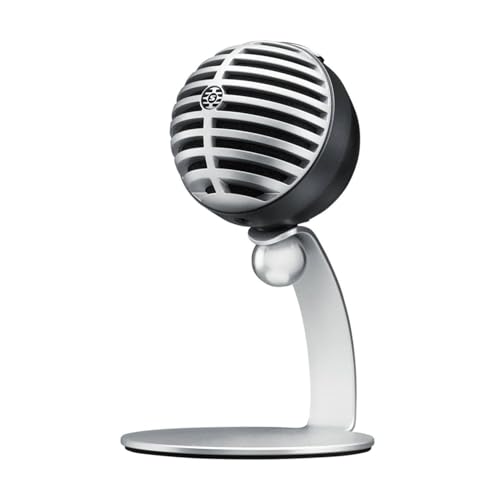
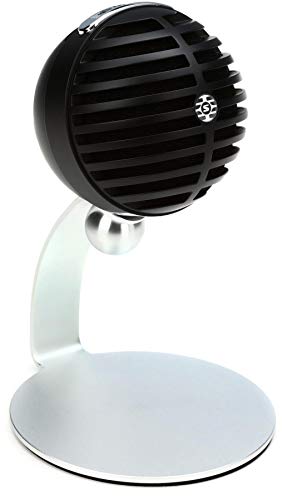
- MOTIV and MV family: MV5, MV5C, MV51, MV6, MV7, MV7 Plus, MV7i, and MV88 combine a microphone with digital conversion for USB or mobile use. MV7 and MV7 Plus also offer XLR, MV7X is the XLR-only member aimed at podcast and voice chains, and MV7i adds interface-style expansion for a second source.
- PGA family: PGA48 is the entry-level handheld dynamic for vocals, speeches, rehearsal, and basic live systems. It uses balanced XLR and does not need phantom power, making it a simple match for mixers, portable PA systems, and beginner interfaces.
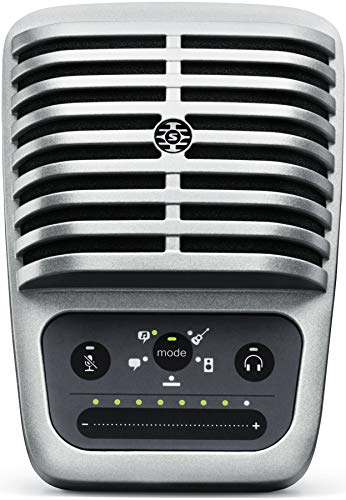
- Classic family: 55SH Series II uses the familiar chrome Unidyne-style body and a cardioid dynamic capsule for stage vocals, public speaking, and visually prominent installations. Its appeal is the combination of traditional appearance, an integrated swivel mount, and standard XLR operation rather than modern USB features.
How much do Shure microphones cost?
Shure microphones generally cost about £40-£360. MV5C and PGA48 occupy the entry level at roughly £40-£50, while MV5, SM58, and MV7X sit around £90-£120. These models keep the package focused: the USB MV5C adds digital convenience, SM58 supplies proven stage utility, and MV7X provides an XLR voice microphone without USB electronics.
The middle tier runs from about £130 to £260 and includes MV6, MV88, 55SH Series II, MV51, SM4, MV7, and MV7 Plus. Prices rise for hybrid USB/XLR operation, mobile recording, headphone monitoring, touch or software control, studio condenser hardware, and more complete accessories. SM7B and MV7i reach roughly £340-£360; the first pays for a specialised broadcast dynamic design, while the second combines a voice microphone with interface functions. Add the cost of a suitable stand, interface, preamp, cables, or pop protection when these are not included.
The chart below shows how Shure microphone prices are distributed.
[vertical-chart-03799273792038906421145071580757232442913188357691]
What should you consider while choosing Shure microphones?
The main points to consider while choosing a Shure microphone are as follows:
- Intended source and working distance: Pick SM58 or PGA48 for close handheld vocals, SM7B or MV7-family dynamics for close spoken word, SM4 for detailed studio vocals and instruments, and MV88 for compact mobile capture. A microphone designed for 5–15 cm speech use behaves very differently from a condenser placed across a room.
- Connection, gain, and phantom power: XLR models need an interface, mixer, or recorder, while USB models contain their own converter. Dynamic models do not require phantom power but SM7B can demand substantial clean gain; SM4 is a condenser and requires an interface that supplies phantom power.
- Pickup pattern and room noise: Nearly all these models use cardioid pickup, which helps when the rear of the microphone faces the main noise source. Cardioid does not remove keyboard, fan, or room reflections by itself, so close placement and sensible gain remain essential.
- Digital audio and platform support: Shure USB models commonly record at 24-bit/48 kHz and support several computer or mobile platforms. Check the physical connector, mobile power demand, application routing, and whether required DSP settings work on the actual device.
- Monitoring, controls, and software: Headphone monitoring, loopback, hardware mute, gain, metering, touch controls, and DSP differ sharply across the MV range. Verify which functions work directly on the microphone, which require Shure software, and what remains available over XLR.
- Mounting and isolation: Handheld models, yoke-mounted broadcast microphones, desktop models, and mobile microphones need different stands and wind or vibration control. Check thread adapters, boom-arm load, pop-filter coverage, and the accessories included for the intended setup.