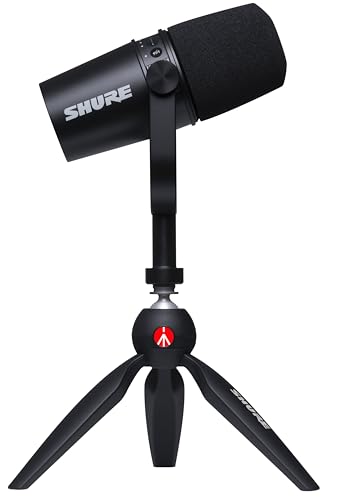
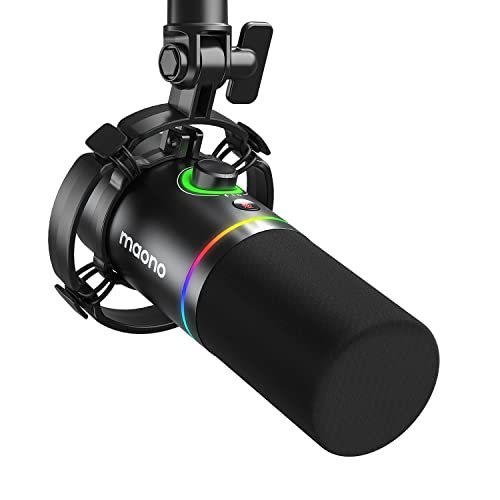
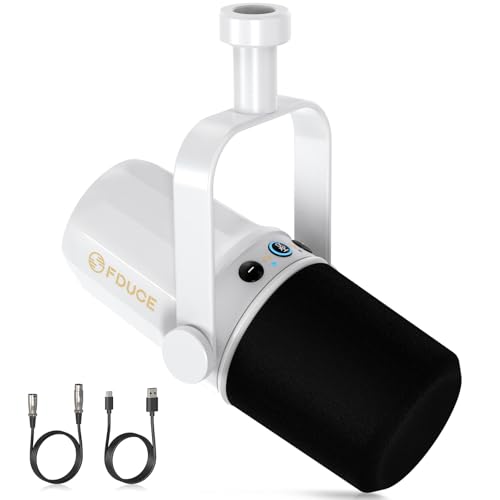
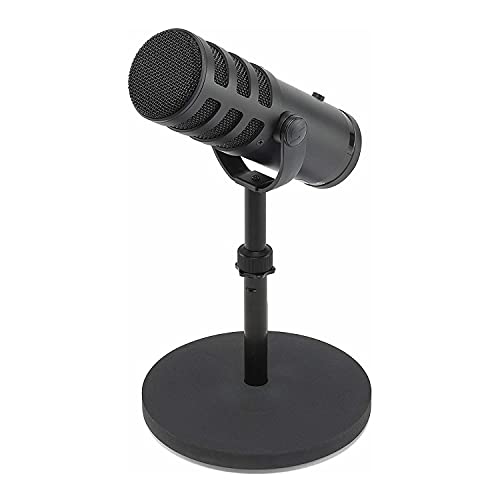
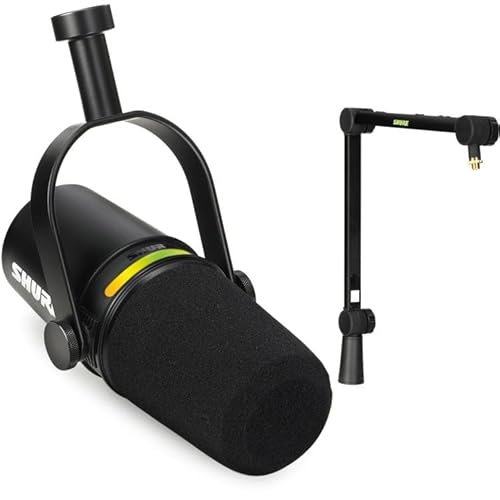
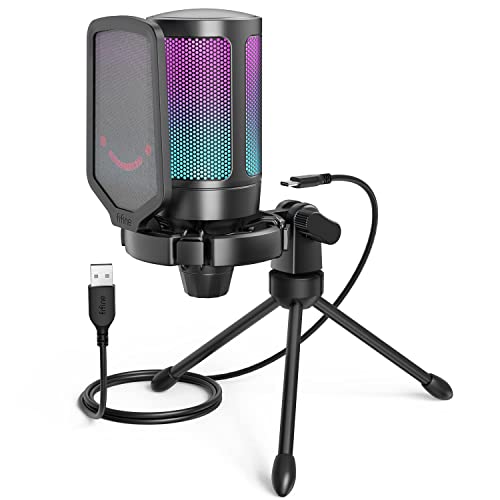
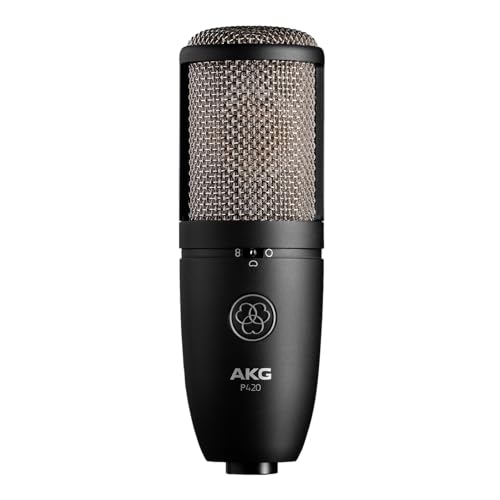
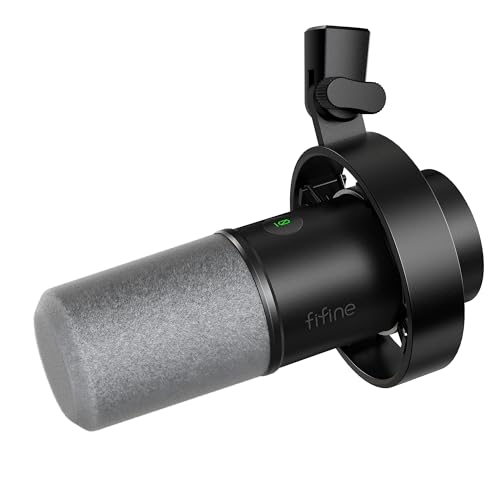
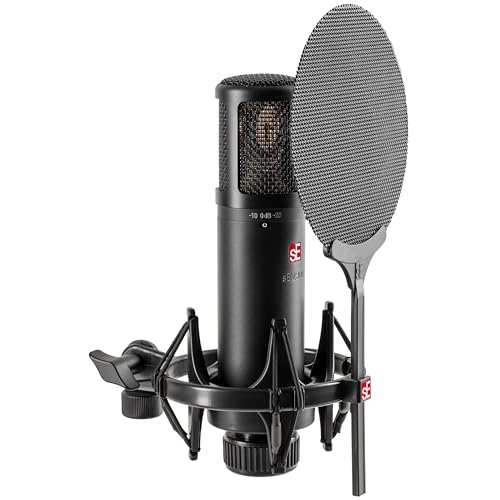
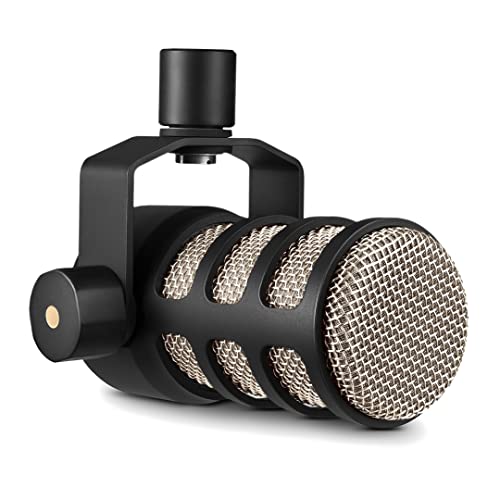
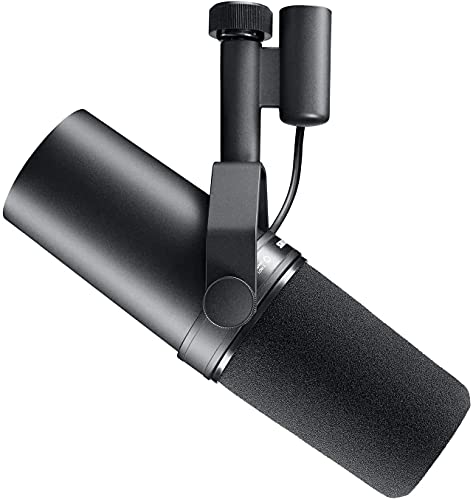
Which brands make the best microphones for singing?
The microphone brands with the highest average overall scores for singing are as follows.
- HyperX (Average overall score: 8.3)
- JLab Audio (Average overall score: 8.1)
- Blue (Average overall score: 8)
The chart below compares microphone brands by average overall score.
[horizontal-chart-17722261969187988942009596606811630445561412665918]
What makes a microphone suitable for singing?
A microphone is suitable for singing when it suits the voice, controls unwanted sound, and stays clean at the singer’s normal working distance. That means tonal balance and polar pattern matter as much as headline frequency range: a bright presence boost may help a dark voice cut through, yet make a naturally sharp or sibilant singer sound tiring.
On stage, a durable cardioid or supercardioid dynamic microphone often makes sense because it tolerates close, powerful vocals and limits spill from monitors and instruments. In a quiet studio, a low-noise condenser can reveal more breath, transient detail, and subtle changes in delivery, provided the room is controlled and the capsule has enough headroom for loud passages. Whichever design you choose, stable distance, sensible gain, a secure stand, pop protection, and clear monitoring have a larger practical effect than a small advantage on a specification sheet.
Are dynamic or condenser microphones better for singing?
Dynamic microphones are usually the better choice for live singing and untreated rooms; condensers are usually better when a controlled studio calls for finer vocal detail.
A stage dynamic rewards close technique, withstands handling, and tends to pick up less distant room sound. It is also less demanding of the recording chain, although low-output models may need plenty of clean preamp gain.
A condenser normally captures more breath, upper-frequency detail, and small changes in phrasing, but it will also expose reflections, computer noise, and careless placement. Most XLR condensers require 48 V phantom power. The usual rule can still reverse: a smooth dynamic may tame a sharp voice, while a restrained condenser can give a soft or dark vocal the clarity it lacks.
How important are feedback rejection and handling noise?
Feedback rejection and handling-noise control are crucial for live singing because they set the practical limit on volume, movement, and monitor level.
The printed polar pattern is only the starting point. Cardioid microphones reject most strongly from the rear, whereas supercardioid and hypercardioid models move their deepest rejection toward the sides and retain a small rear pickup lobe.
That geometry changes monitor placement. A wedge directly behind a cardioid may work well; the same position can feed the rear lobe of a supercardioid. Loud side fills, reflective walls, and a singer who wanders away from the capsule can further reduce gain before feedback.
Handling noise is a separate mechanical problem. Grip changes, cable knocks, stand vibration, and contact with the grille can travel into the capsule, so effective internal suspension and a secure connector matter. Cupping the grille is especially harmful because it alters the polar response as well as the tone.
For a stand-mounted studio vocal, these concerns recede and room isolation becomes more important. For a handheld stage vocal, good rejection and quiet handling can matter more than a little extra frequency extension.
How much do good microphones for singing cost?
Good microphones for singing generally cost around £70-£260, with capable entry-level models near £30-£60 and specialist studio or wireless systems reaching £430 to well above £860.
Below £90, wired dynamic microphones offer the safest value, while basic USB condensers can work well for home recording if the room is quiet. The £100-£260 range is the broad sweet spot: it includes established stage vocal designs and serious studio condensers with more predictable polar patterns, better internal isolation, lower noise, stronger accessories, and easier long-term support.
Spending more should buy a specific advantage rather than prestige alone. Premium money can bring refined studio voicing, selectable patterns, active electronics, tougher touring hardware, or a dependable wireless transmitter and receiver. Compare the whole signal chain too, including the interface, cable, stand, pop filter, monitoring, spare batteries, and any acoustic treatment.
The chart below shows the price distribution of microphones suitable for singing.
[vertical-chart-08798437857279293318037040075312113098464171666265]
How good is vocal sound quality on microphones for singing?
A well-matched singing microphone can deliver fully professional vocal sound. The limiting factor is rarely frequency range alone; it is whether the microphone balances the particular voice, distance, room, and monitoring setup.
A gentle presence rise can improve diction and help a stage vocal sit above guitars or keyboards, while restrained low frequencies keep proximity effect from turning warmth into boom. In the studio, a condenser may reveal more air and transient detail. A dynamic often gives a denser, more controlled result that needs less repair in lively acoustics.
Headroom matters for powerful close vocals, and a maximum SPL around 120–140 dB is normally sufficient. Quiet performances expose a different set of limits: capsule self-noise, preamp hiss, computer fans, room reflections, and noise outside the recording space. Poor gain staging can also distort or add noise even when the microphone itself is operating comfortably.
Technique can outweigh small specification differences. Holding a stable distance, turning slightly across the capsule when plosives become severe, and using realistic headphone or monitor levels will usually improve the take more than chasing extreme high-frequency extension.
Are wired or wireless microphones better for singing?
Wired microphones are better for reliability, simplicity, and value; wireless microphones are better when freedom of movement genuinely improves the performance. A balanced XLR connection needs no batteries or radio coordination, introduces no wireless dropouts, and remains the sensible choice for studios, rehearsals, and singers who stay near the stand.
A professional wireless system can sound excellent, but it adds a transmitter, receiver, antennas, operating frequencies, and battery management. It costs more, must comply with local spectrum rules, and needs frequency planning when several systems share a stage; Bluetooth is generally unsuitable for serious live vocals because its latency and connection behavior are less predictable. Choose wireless for performers who move through the venue or would be restricted by a cable, and keep a wired backup ready for important shows.
What should you check before buying a microphone for singing?
The main points to check before buying a microphone for singing are as follows:
- Performance setting: Decide whether the microphone is mainly for a live stage, rehearsal, studio vocals, home recording, or wireless movement. The room, monitor system, working distance, and handling requirements determine which design is practical.
- Voice match: Compare the microphone with the actual singer. A presence boost can add clarity to a dark voice but exaggerate sibilance in a bright voice, while strong proximity effect can add warmth or become boomy at very close range.
- Capsule type: Dynamic models are durable and controlled for close live vocals, whereas condensers reveal more detail in quiet treated rooms. Neither type is universally better; choose according to stage level, room noise, desired detail, and available preamp.
- Polar pattern and feedback: Cardioid, supercardioid, and hypercardioid designs place their rejection nulls differently. Match those nulls to monitor and speaker positions, maintain consistent microphone technique, and avoid cupping the grille.
- Headroom and sensitivity: Strong singers need clean maximum-SPL capability, commonly around 120–140 dB SPL, without harsh distortion. Quiet studio vocals also benefit from low self-noise and enough sensitivity to avoid unnecessary preamp hiss.

- Handling and mounting: Check internal shock isolation, grille strength, weight, clip or yoke design, stand compatibility, and handling noise. Studio vocals usually need a pop filter, while outdoor performance needs wind protection that remains secure during movement.
- Connection, power, and monitoring: Passive XLR dynamics may require substantial clean gain, XLR condensers normally need 48 V phantom power, and USB or wireless models add compatibility and battery requirements. Confirm that the interface, receiver, headphones, or stage monitors provide the singer with a stable low-latency cue mix.