
Are FIFINE microphones good?
FIFINE microphones have an average overall score of 7.4, ranking #10 among comparable microphone brands, and a user rating of 9.3, placing them at #6 based on user reviews.
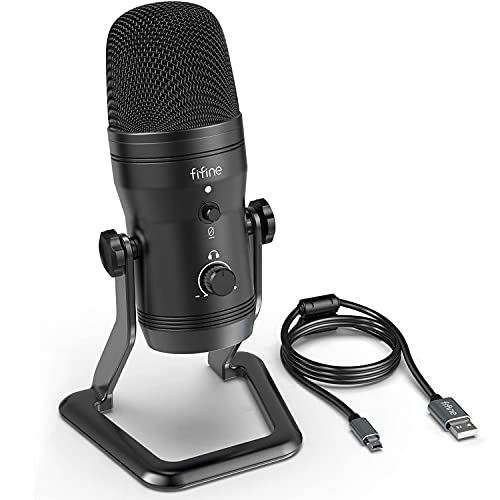
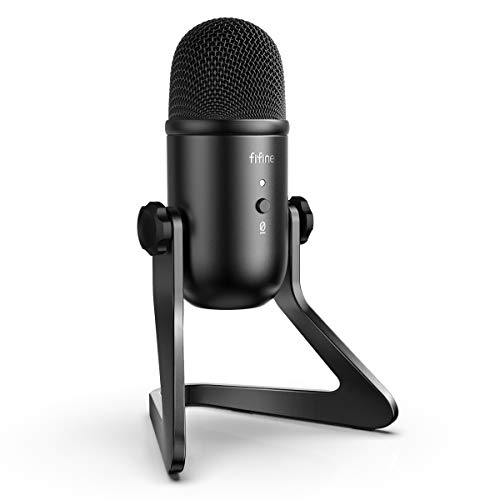
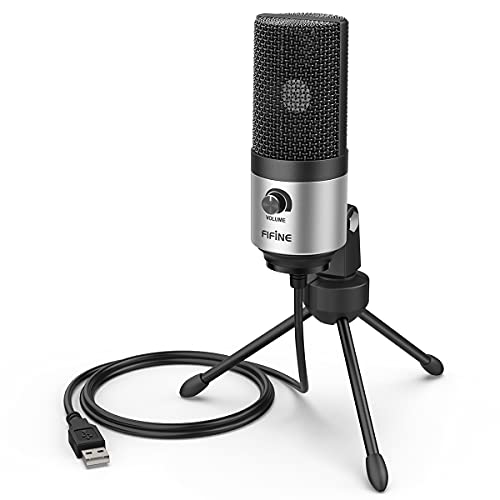
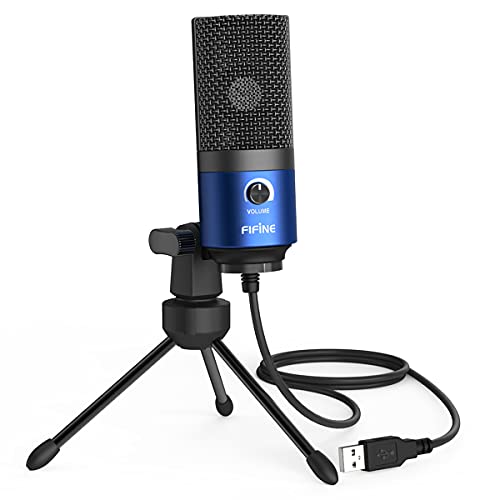
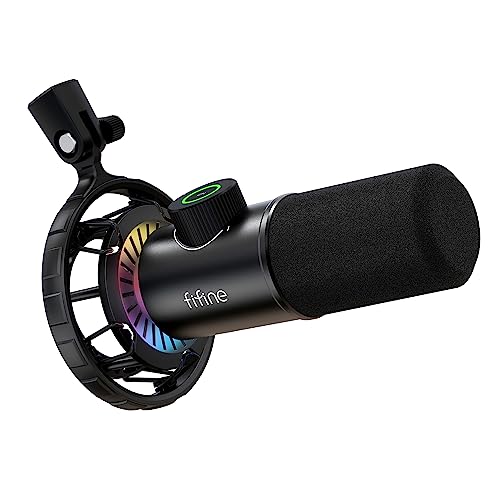
FIFINE microphones are good when value, simple USB operation, and useful hardware controls matter more than a polished software ecosystem or uniform premium construction. K669B and T669 cover inexpensive cardioid speech recording, K683A and T683 add high-resolution USB audio, mute, gain, and monitoring, while K690 supplies four pickup patterns for interviews or room recording.
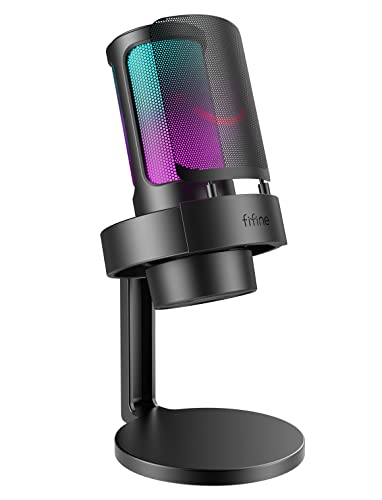
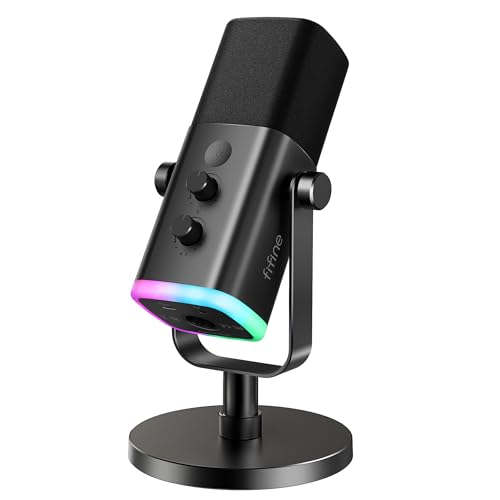
The newer dynamic models strengthen the range in untreated spaces. K658 favors a direct USB broadcast-style setup, K688 combines USB-C and XLR with monitoring and gain, and AmpliGame AM8 adds the same upgrade path to a gaming-focused body with RGB and touch mute. These models are better close to the mouth than the sensitive entry condensers and give buyers a realistic route from plug-and-play use to an interface.
The limitations vary enough that model selection requires care. Several older K-series microphones have fixed or unusual cables, many condenser kits lack monitoring or mute, inexpensive stands and arms can transmit vibration, and RGB-heavy models sometimes use more plastic. Noise reduction, ChatMix, lighting, and high sample-rate modes are also model-specific rather than shared brand features, so they should be verified instead of inferred from the AmpliGame or K-series name.
The chart below ranks microphone brands by average overall score.
[horizontal-chart-17722261969187988942009596606811630445561412665918]
Who should consider buying FIFINE microphones?
The following users are the strongest fit for FIFINE microphones:
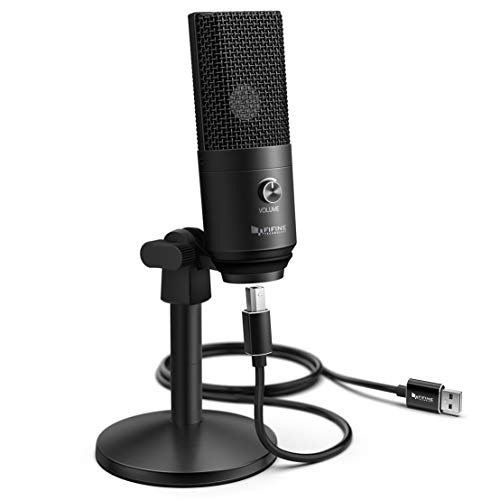
- First-time streamers and podcasters: K669B, T669, K683A, and T683 provide straightforward cardioid USB recording at modest prices, with different levels of gain, mute, monitoring, and mounting support.
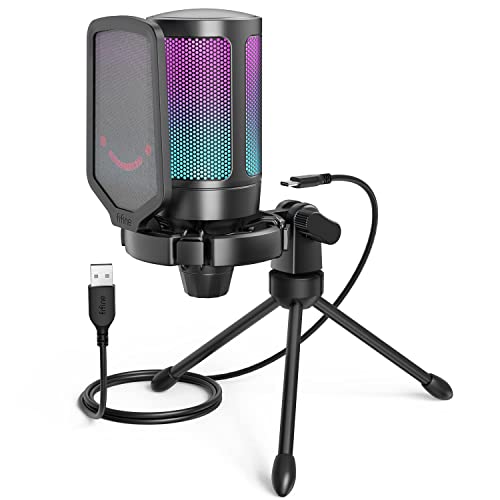
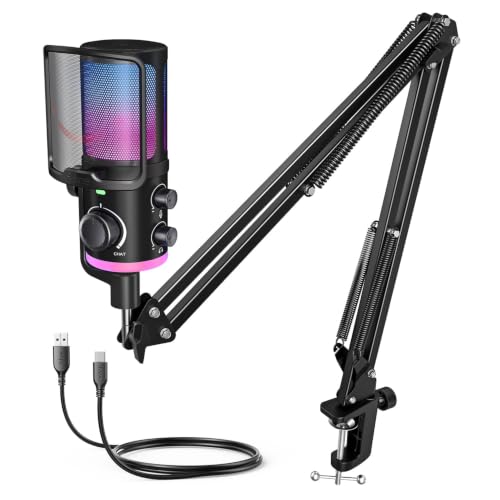
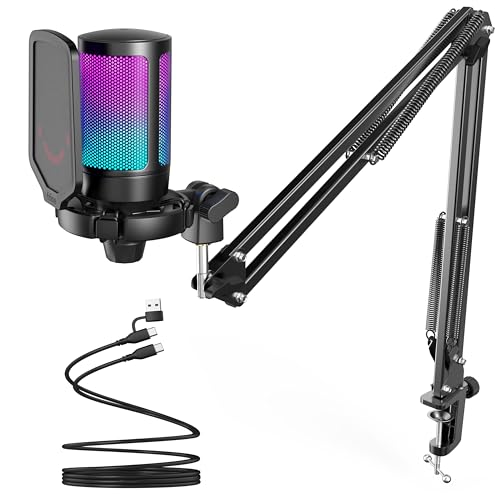
- Gamers who want visible controls: AmpliGame A6T and A8 combine touch mute and RGB with simple USB operation, while AM6 adds ChatMix and basic noise reduction for a more game-focused desk.
- Buyers recording in untreated rooms: K651, K658, K688, and AM8 use dynamic capsules for closer speech and stronger rejection of keyboard, fan, and room sound than the sensitive condensers.
- Users planning an XLR upgrade: K688 and AM8 can begin over USB and later feed an interface through XLR, preserving the microphone while the rest of the signal chain expands.
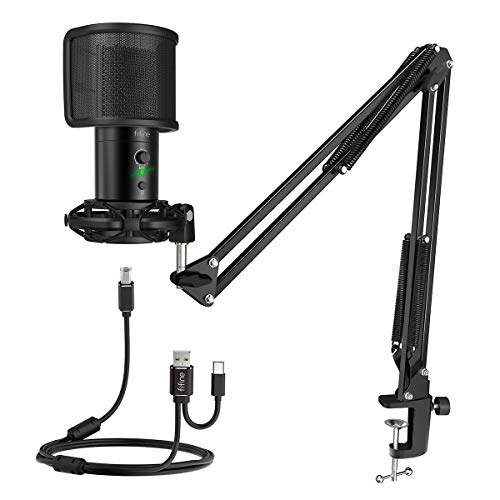
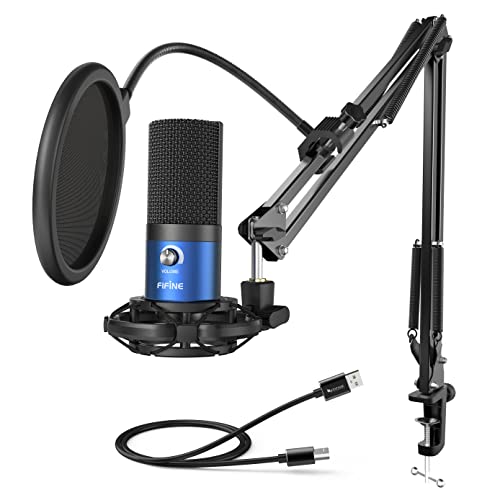
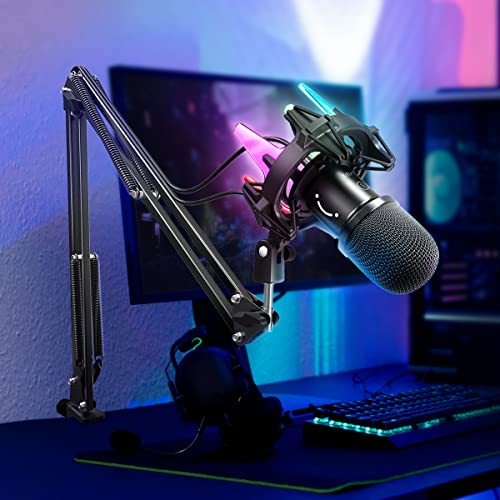
- Buyers who need a complete desk rig: T669, T732, T683, K780A, A6T, and selected AmpliGame packages include a boom arm, shock mount, or pop protection rather than only a microphone and small tripod.
- Two-person or flexible-format recorders: K690 is the specialist option with cardioid, omnidirectional, bidirectional, and stereo pickup; most other FIFINE models remain fixed-pattern microphones for one close speaker.

How do FIFINE microphones differ from other microphones?
FIFINE differs from many microphone brands by concentrating most of its range between £30 and £80 while still offering distinct condenser, dynamic, gaming, kit, and USB/XLR options. Entry K-series and T-series condensers emphasize plug-and-play recording, AmpliGame models add RGB and touch controls, K690 supplies unusual four-pattern flexibility at this price, and K688 or AM8 provides an upgrade path that inexpensive USB-only rivals often lack.
The range is also less standardized than a single-family desktop brand. Audio formats vary from 16-bit/44.1 kHz to 24-bit/192 kHz, some models include monitoring while others do not, and cables range from fixed USB to USB-C and hybrid XLR. Condenser models can be very revealing of untreated rooms, while the newer dynamics prioritize close voice and rejection; choosing the correct capsule and control set matters more than simply moving to the next FIFINE model number.
FIFINE's value comes partly from putting practical hardware into affordable packages: gain knobs, touch mute, headphone outputs, boom arms, pop filters, shock mounts, and lighting appear widely. The compromise is that stand quality, plastic content, cable serviceability, noise floor, and software depth can trail more expensive systems, so the strongest FIFINE purchase is the model whose included controls remove a real problem rather than the one with the longest feature list.
The chart below shows the transducer types used across FIFINE microphones.
[pie-chart-17804489462935725065152152076131223108331349920126]
What are the main series of FIFINE microphones?
The main FIFINE microphone series and model families are as follows:
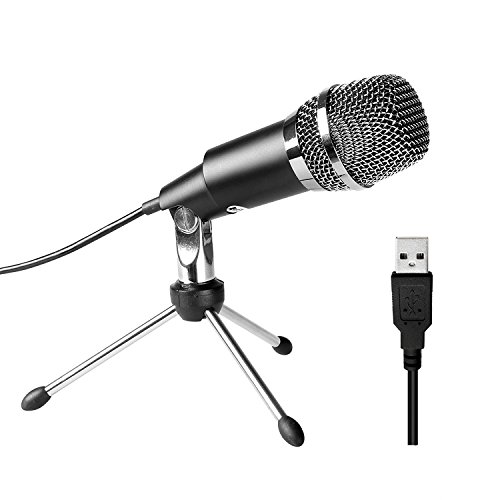
- Entry K-series USB condensers: K668 is the simple omnidirectional starter, while K669 and K669B move to cardioid pickup and add an onboard gain knob. K670 adds direct headphone monitoring, and K056 is the karaoke-oriented outlier with echo and volume controls plus a proprietary four-pin-to-USB cable; these models suit buyers who value low cost over mute, software, or cable flexibility.
- Feature-rich K-series desktop models: K678 and K683A add front-panel mute, gain, and monitoring to a compact cardioid format, with K683A also supporting USB-A/USB-C and up to 24-bit/192 kHz. K690 is the range's multi-pattern specialist, using a three-capsule array for cardioid, omnidirectional, bidirectional, and stereo recording, but its desk stand and older mini-USB connection need careful handling.
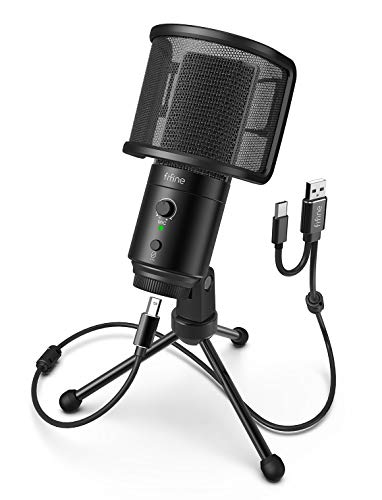
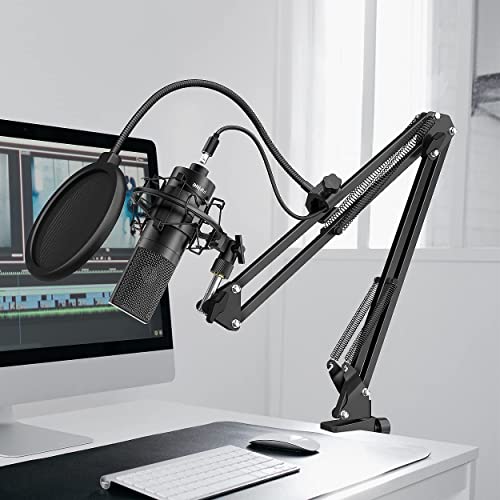
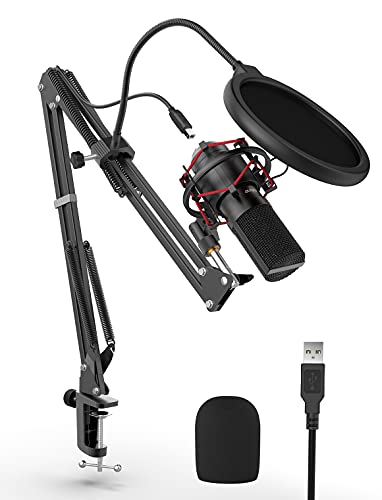
- T-series and recording kits: T669, T732, and K780A package cardioid USB condensers with boom arms, shock mounts, and pop filters for a ready-made desk. T683 is the more capable kit model with 24-bit/192 kHz audio, USB-A/USB-C, gain, mute, and zero-latency monitoring; the less expensive kits omit some of those body controls.
- AmpliGame gaming microphones: A6T and A8 combine RGB, touch mute, cardioid condenser pickup, and bundled pop or shock control, while AM6 adds ChatMix and one-button noise reduction. AM8 is the important dynamic USB/XLR model in the family, offering close-talk room rejection, monitoring, gain and volume knobs, RGB, and a later interface path.
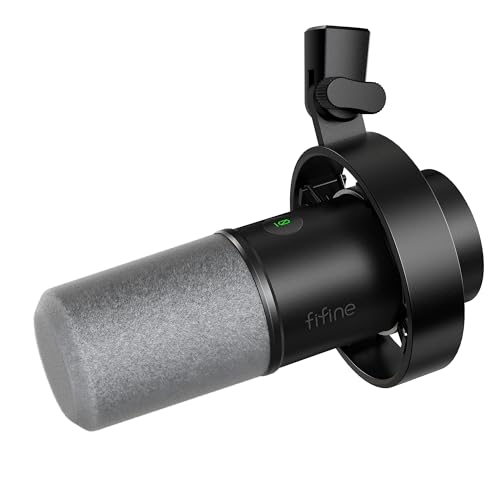
- Dynamic speech models: K651 is a simple USB dynamic kit with a boom arm and RGB shock mount but no gain or monitoring, while K658 adds gain, touch mute, headphone monitoring, and a sturdier broadcast-style body. K688 is the more flexible metal USB/XLR dynamic with onboard shock isolation and USB controls, making it the strongest non-RGB option for podcast or voice work in an untreated room.
How much do FIFINE microphones cost?
FIFINE microphones generally cost about £30-£80. K056, K668, and K669B occupy the £30 entry point; around £30-£40, K669, K683A, A8, A6T, AM6, AM8, and T669 add different combinations of cardioid pickup, gain, mute, RGB, monitoring, accessories, or USB/XLR operation. This lower half of the range contains many of the brand's strongest value choices.
Around £50-£70, buyers move into larger recording kits, monitored desktop models, and close-talk dynamics such as K651, K670, K678, K688, K658, and T683. K690 reaches roughly £80 because its three-capsule array supplies four patterns rather than the fixed cardioid or omnidirectional pickup used by nearly every other model. Spend more within the range for the exact control, capsule, connection, or mounting improvement you need, not merely a higher model number.
The chart below shows the price distribution of FIFINE microphones.
[vertical-chart-08626291990646454664089174245774184416603252564933]
What should you consider while choosing FIFINE microphones?
The main points to consider while choosing a FIFINE microphone are as follows:
- Model family and use: Choose entry K-series models for simple calls and speech, T-series or K780A kits for a supplied desk rig, AmpliGame for gaming controls and RGB, or K651, K658, K688, and AM8 for close dynamic voice capture. Do not assume adjacent model numbers share the same capsule or controls.
- Condenser or dynamic capsule: FIFINE condensers capture more detail but reveal keyboard, fan, and room sound when placed far away. The dynamic models work best close to the mouth and are usually the stronger choice for untreated streaming or podcast rooms.
- USB or USB/XLR connection: Most models are USB-only; K688 and AM8 add XLR for use with an interface later. Confirm whether mute, monitoring, gain, lighting, and other USB electronics remain relevant after moving to XLR.
- Gain, mute, and monitoring: K669B may provide only gain, some kits provide none of these controls, and monitored models such as K678, K683A, K688, K658, T683, A8, AM6, and AM8 differ in knob placement and mute behavior. Choose the controls that must be reachable during a live session.
- Recording format and special functions: Sample formats range from basic 16-bit/44.1 kHz to 24-bit/192 kHz, but close placement and a quiet signal matter more than the highest rate. ChatMix, noise reduction, RGB modes, and multi-pattern pickup are limited to particular models rather than standard FIFINE features.
- Pattern, address direction, and mounting: Most FIFINE microphones are cardioid and need the active side or end aimed toward the mouth; K668 is omnidirectional and K690 is the four-pattern exception. Match microphone weight to the supplied tripod or boom arm and use shock isolation when desk vibration is audible.
- Cable and platform compatibility: Older models may use fixed USB leads, mini-USB, or the K056 proprietary four-pin cable, while newer units use USB-C or USB-A/USB-C combinations. Confirm cable replacement, phone or console support, available USB power, and Xbox limitations before purchase.