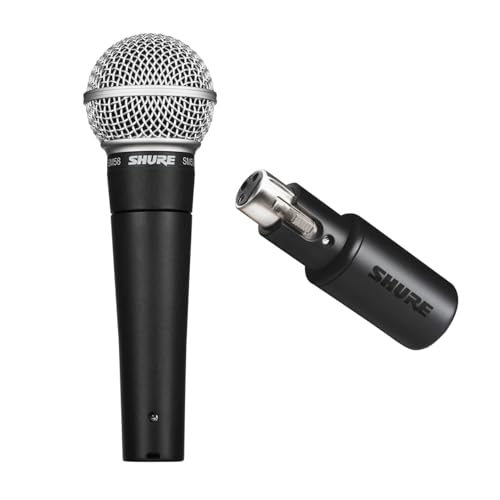
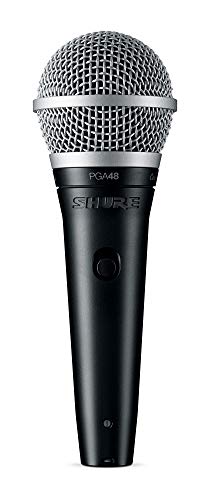
Shure SM58 Review | 76 Data compared

double-arrow
  • Avg. price in UK: ~£110
  • Avg. price in US: ~$100
  • Connection type: XLR
  • Transducer type: dynamic
  • Max SPL: 160 dB SPL
  • Supported sample rates: N/A kHz
  • Output connector type: XLR

Shure SM58 review. Compare 76 technical specifications and user reviews to see how it ranks among microphones and if it is worth buying.

6.6

Overall score

What it is: An overall evaluation of the microphone's quality, based on technical analyses and user reviews.

When it matters: When you need a quick reference to identify the best microphones on the market.

Score components:

75.0%

5.6

Technical Score

25.0%

9.7

User score

Good
5.6

Technical Score

What it is: An assessment of the microphone's technical performance, covering eight key areas: sound quality, sensitivity, pickup pattern, connectivity, onboard controls, accessories, compatibility, and design.

When it matters: When you want to compare microphones based on technical performance and available features.

Score components:

20.0%

8.2

Audio Performance

20.0%

4.0

Recording

16.0%

3.2

Pickup Patterns

16.0%

3.9

Controls & Features

10.0%

7.0

Power

7.0%

8.7

Compatibility

5.0%

5.2

Connectivity

3.0%

6.9

Design

3.0%

8.3

Accessories

Good
9.7

User score

What it is: A rating that combines user reviews and the total number of reviews received by the microphone.

When it matters: When you want to know how a microphone performs in real use and how reliable it remains over time according to user feedback.

Score components:

70.0%

9.6

User reviews

30.0%

10

Popularity

User score:
United Kingdom
amazon
4.7
(10211)
amazon
4.7
(3996)
amazon
4.7
(3962)
amazon
4.7
(1347)
amazon
4.8
(159)
amazon
4.5
(42)
amazon
4.3
(5)
amazon
2.7
(2)
United States
Amazon_logo.png
4.8
(14415)
Amazon_logo.png
4.8
(3994)
Amazon_logo.png
4.6
(1338)
Amazon_logo.png
4.8
(161)
Amazon_logo.png
4.4
(5)

(Reviews last updated: July 2026)

Exceptional
  • 3.4
    Gaming

    Score components:

    25.0%

    4.0

    Zero-latency monitoring

    25.0%

    4.0

    Onboard gain control

    20.0%

    4.0

    Mute function

    20.0%

    1.0

    Volume control levels

    10.0%

    4.0

    RGB lighting

  • 6.9
    Podcasting

    Score components:

    25.0%

    10

    Cardioid pattern

    20.0%

    4.0

    Zero-latency monitoring

    20.0%

    4.0

    Onboard gain control

    20.0%

    ?

    Audio interface bit depth

    15.0%

    ?

    Audio interface sample rate

  • 7.1
    Vocal recording

    Score components:

    40.0%

    10

    Max SPL

    20.0%

    1.0

    Highest frequency

    20.0%

    4.6

    Lowest frequency

    20.0%

    10

    Cardioid pattern

  • 3.6
    Streaming

    Score components:

    25.0%

    4.0

    Loopback support

    25.0%

    4.0

    Zero-latency monitoring

    20.0%

    4.0

    Onboard gain control

    15.0%

    4.0

    Mute function

    15.0%

    1.0

    Volume control levels

  • 8.3
    Camera use

    Score components:

    30.0%

    9.8

    Weight

    25.0%

    4.0

    Windscreen included

    25.0%

    10

    Shock mount included

    10.0%

    8.9

    Height

    10.0%

    9.7

    Width

  • shure-sm58
  • shure-sm58
  • shure-sm58
  • shure-sm58
  • shure-sm58
  • shure-sm58
  • shure-sm58
  • shure-sm58
  • shure-sm58
  • shure-sm58
  • shure-sm58
  • shure-sm58
shure-sm58
shure-sm58
shure-sm58
shure-sm58
shure-sm58
shure-sm58
shure-sm58
shure-sm58
shure-sm58
shure-sm58
shure-sm58
shure-sm58

Best prices in UK

Best rankings

?

Available: ranking among products currently available (including other versions of this product).
All: ranking among all products in the database.

Verdict

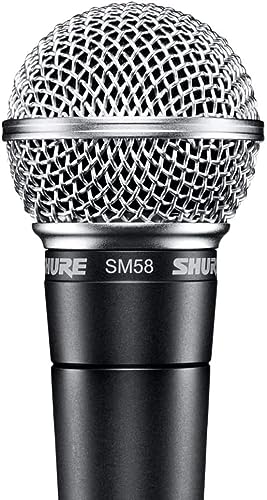
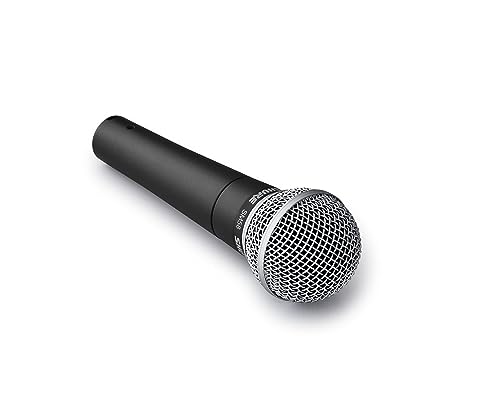
The Shure SM58 is a legendary unidirectional dynamic cardioid microphone specifically tailored for live vocal performance, featuring a frequency response of 50 Hz to 15,000 Hz and a sensitivity of -54.5 dBV/Pa. Its main characteristics include a presence peak in the midrange for vocal clarity, a low-frequency roll-off to control the proximity effect, and a built-in spherical wind and pop filter to minimize plosives. Key pros are its legendary 'built-like-a-tank' durability, an integrated pneumatic shock-mount system that virtually eliminates handling noise, and high gain-before-feedback. However, its cons include a limited frequency range compared to modern condensers, which may lack high-end 'air' or deep bass detail, and its relatively low sensitivity might require significant gain from a preamp for quieter sources.

Technical Specifications of Shure SM58

Technical Score

What it is: An assessment of the microphone's technical performance, covering eight key areas: sound quality, sensitivity, pickup pattern, connectivity, onboard controls, accessories, compatibility, and design.

When it matters: When you want to compare microphones based on technical performance and available features.

Score components:

20.0%

8.2

Audio Performance

20.0%

4.0

Recording

16.0%

3.2

Pickup Patterns

16.0%

3.9

Controls & Features

10.0%

7.0

Power

7.0%

8.7

Compatibility

5.0%

5.2

Connectivity

3.0%

6.9

Design

3.0%

8.3

Accessories

5.6
Shure SM58 has a technical score of 5.58 points, which is lower than 93% of microphones.
User score

What it is: A rating that combines user reviews and the total number of reviews received by the microphone.

When it matters: When you want to know how a microphone performs in real use and how reliable it remains over time according to user feedback.

Score components:

70.0%

9.6

User reviews

30.0%

10

Popularity

User score:
United Kingdom
amazon
4.7
(10211)
amazon
4.7
(3996)
amazon
4.7
(3962)
amazon
4.7
(1347)
amazon
4.8
(159)
amazon
4.5
(42)
amazon
4.3
(5)
amazon
2.7
(2)
United States
Amazon_logo.png
4.8
(14415)
Amazon_logo.png
4.8
(3994)
Amazon_logo.png
4.6
(1338)
Amazon_logo.png
4.8
(161)
Amazon_logo.png
4.4
(5)

(Reviews last updated: July 2026)

9.7
Shure SM58 has a user score of 9.69 points, which is higher than 99% of microphones.
Popularity
What it is: An indicator based on the number of reviews received by the microphone.
When it matters: When you prefer to buy a product chosen and reviewed by many other consumers.
10
Shure SM58 has a popularity of 10 points, which is higher than 69.9% of products in this category.
Ratio quality/price

What it is: An indicator that combines the microphone's overall rating with its cost.

When it matters: When you are looking for a microphone with a good balance between quality and price.

Score components:

60.0%

6.6

Overall score

40.0%

9.9

Price

7.6
Shure SM58 has a quality-to-price ratio of 7.6 points, which is lower than 68.3% of products in this category.
Microphone type
What it is: The overall microphone class intended for uses such as studio work, lavalier recording, handheld speech, or instrument capture.
When it matters: When you are choosing the right microphone style for studio work, interviews, streaming, or instruments.

Importance: LOW

handheld
Transducer type
What it is: The transducer technology used to convert sound into an electrical signal.
When it matters: When you are choosing between condenser, dynamic, or ribbon behavior for your room and voice.

Importance: LOW

dynamic
Diaphragm size
What it is: The diameter of the microphone diaphragm that reacts to incoming sound pressure.
When it matters: When you compare small and large diaphragm microphones for vocal detail, room tone, or transient response.

Importance: LOW

?
Capsule type
What it is: The capsule construction used inside the microphone to capture sound.
When it matters: When you compare different capsule designs for tone, detail, or recording style.

Importance: LOW

single
Sensitivity
What it is: The output level produced by the microphone for a given sound pressure reference.
When it matters: When you need enough output level without driving your preamp too hard.

Importance: LOW

-54.5 dBV/Pa
Show more
Connection type
What it is: The connection standard used to link the microphone with recorders, mixers, phones, or computers.
When it matters: When you need the microphone to plug directly into the device you actually record with.

Importance: LOW

XLR
Output connector type
What it is: The type of output connector used by the microphone for sending its audio signal.
When it matters: When you need the microphone to connect to a specific kind of input on your gear.

Importance: LOW

XLR
Headphone output
What it is: Indicates whether the microphone has a headphone output for direct monitoring.
When it matters: When you want to hear your own voice directly while recording or streaming.

Importance: LOW

no
Shure SM58 does not include a headphone output. 63.5% of microphones include this output.
3.5 mm audio jack
What it is: Indicates whether a 3.5 mm audio jack is available for monitoring or direct connection.
When it matters: When you want to plug headphones or a cable directly into a standard 3.5 mm socket.

Importance: LOW

no
Shure SM58 does not include a 3.5 mm jack. 63.3% of microphones include this connector.
6.35 mm audio jack connector
What it is: Indicates whether a 6.35 mm audio jack connector is present on the microphone or included interface.
When it matters: When your headphones, mixer, or instrument chain relies on a 6.35 mm jack connection.

Importance: LOW

no
Shure SM58 does not include a 6.35 mm jack. 2% of microphones include this connector.
Show more
Supported sample rates
What it is: The digital sample rates supported by the microphone for recording or monitoring.
When it matters: When you need the microphone to support the sample rates used in your recording workflow.

Importance: LOW

N/A
Supported bit depths
What it is: The digital bit depth values supported by the microphone for audio capture.
When it matters: When you want more digital recording resolution for editing or processing later.

Importance: LOW

N/A
Audio interface sample rate
What it is: The audio interface sample rates supported by the microphone for digital capture or monitoring.
When it matters: When you need the microphone interface to support the sample rate used by your recording or streaming setup.

Importance: MEDIUM

N/A
Audio interface bit depth
What it is: The audio interface bit depths supported by the microphone for digital recording quality.
When it matters: When you want the microphone interface to support the bit depth used in your recording chain.

Importance: LOW

N/A
Signal-to-noise ratio (DAC)
What it is: The signal to noise ratio of the integrated DAC or headphone interface stage.
When it matters: When you monitor through the microphone headphone output and want that digital path to stay quiet.

Importance: MEDIUM

N/A
Show more
N. of polar patterns
What it is: The number of selectable pickup patterns available for different recording situations.
When it matters: When one microphone has to cover solo voice, room sound, and interview style setups.

Importance: MEDIUM

1
The number of selectable polar patterns offered by Shure SM58 is 1, which is lower than that of 24.6% of microphones and equal to that of 75.4% of microphones.
Cardioid pattern
What it is: Indicates whether the microphone offers a cardioid pickup pattern for front focused capture.
When it matters: When you want to isolate one speaker in front of the microphone for podcasts, calls, or streaming.

Importance: MEDIUM

yes
Shure SM58 supports a cardioid pickup pattern. 91% of microphones support this pattern.
Omnidirectional pattern
What it is: Indicates whether the microphone offers an omnidirectional pickup pattern for 360 degree capture.
When it matters: When you want to capture everyone around the microphone instead of one voice from the front.

Importance: MEDIUM

no
Shure SM58 does not support an omnidirectional pickup pattern. 26.1% of microphones support this pattern.
Hypercardioid pattern
What it is: Indicates whether the microphone offers a hypercardioid pickup pattern with narrower front focus.
When it matters: When you want stronger rejection of sounds coming from the sides in a noisy room.

Importance: LOW

no
Shure SM58 does not support a hypercardioid pickup pattern. 1.5% of microphones support this pattern.
Bidirectional pattern
What it is: Indicates whether the microphone offers a bidirectional pickup pattern for front and rear capture.
When it matters: When you record two people facing each other with one microphone between them.

Importance: LOW

no
Shure SM58 does not support a bidirectional pickup pattern. 17.1% of microphones support this pattern.
Mute function
What it is: Indicates whether the microphone has a built in mute control for quickly silencing the signal.
When it matters: When you need to silence the microphone instantly during live calls, streams, or meetings.

Importance: MEDIUM

no
Shure SM58 does not include a mute function. 68.3% of microphones include this control.
Onboard gain control
What it is: Indicates whether the microphone provides a built in control for adjusting input gain.
When it matters: When different speakers or scenes need fast gain changes without touching the interface.

Importance: MEDIUM

no
Shure SM58 does not include onboard gain control. 51.5% of microphones include this control.
Volume control levels
What it is: The available volume level or volume adjustment provided directly on the microphone or its interface.
When it matters: When you want direct volume adjustment on the microphone or its built in interface.

Importance: LOW

0
Shure SM58 offers volume output of 0 which is lower than that of 65.1% of microphones and equal to that of 34.9% of microphones.
Flat DSP mode
What it is: Indicates whether the microphone provides a flat DSP mode without tonal processing.
When it matters: When you want a neutral sound profile before adding your own EQ or processing.

Importance: LOW

no
Shure SM58 does not support a flat DSP mode. 25.5% of microphones offer this processing option.
DSP presets
What it is: The number of built in DSP preset modes available for different sound profiles.
When it matters: When you want quick tone changes for voice, streaming, or different recording scenes.

Importance: LOW

0
Shure SM58 offers 0 DSP presets, which is fewer than 16.6% of microphones and equal to 83.4% of microphones.
Show more
Phantom power required
What it is: Indicates whether the microphone needs external phantom power to operate normally.
When it matters: When you use the microphone with an interface or mixer that may not provide phantom power.

Importance: MEDIUM

no
Shure SM58 does not require phantom power. 90.4% of microphones also operate without phantom power.
Phantom power voltage
What it is: The phantom power voltage required by the microphone for proper operation.
When it matters: When you must confirm that your power supply matches what the microphone actually expects.

Importance: LOW

N/A
USB bus-powered
What it is: Indicates whether the microphone can be powered directly through its USB connection.
When it matters: When you want the microphone to run from a laptop or phone without a separate power supply.

Importance: MEDIUM

no
Shure SM58 does not support USB bus power. 86.4% of microphones support USB-powered operation.
Battery life
What it is: The expected operating time on battery power during portable or wireless use.
When it matters: When you use the microphone away from wall power for events, field work, or mobile video.

Importance: LOW

N/A
Height
What it is: The overall height of the microphone body, stand, or supplied desktop structure.
When it matters: When the microphone has to fit under a monitor, inside a booth, or into a limited desk space.

Importance: LOW

162 mm
Shure SM58 is 162 mm tall, which is shorter than 70.8% of microphones and equal in height to 2.1% of microphones.
Width
What it is: The overall width of the microphone body or its integrated base.
When it matters: When the microphone must fit between monitors, on a narrow desk, or inside a compact rig.

Importance: LOW

51 mm
Shure SM58 is 51 mm wide, which is narrower than 71.9% of microphones and equal in width to 3.1% of microphones.
Thickness
What it is: The overall depth or front to back thickness of the microphone unit.
When it matters: When front to back depth decides whether the microphone clears your screen or keyboard area.

Importance: LOW

51 mm
Shure SM58 is 51 mm thick, which is thinner than 69.5% of microphones and equal in thickness to 3.2% of microphones.
Weight
What it is: The total mass of the microphone with its included or attached parts.
When it matters: When you mount the microphone on a small arm, pack it for travel, or hold it for long sessions.

Importance: LOW

298 g
Shure SM58 weighs 298 g, which is lighter than 81.4% of microphones.
Body material
What it is: The main material used for the microphone body or housing.
When it matters: When you care about how sturdy, premium, or lightweight the microphone body feels over time.

Importance: LOW

metal
Show more
Included accessories
What it is: The accessories supplied in the box with the microphone for mounting, protection, or immediate use.
When it matters: When you want the box to include the accessories needed to set up and use the microphone right away.

Importance: LOW

mount adapter; carrying case
Shock mount included
What it is: Indicates whether a shock mount is included to reduce vibration and handling noise.
When it matters: When desk vibrations or boom arm movement would otherwise travel into the recording.

Importance: LOW

yes
Shure SM58 includes a shock mount. 49.5% of microphones include this accessory.
Pop filter included
What it is: Indicates whether a pop filter is included to reduce plosive sounds during speech recording.
When it matters: When you record speech up close and want to reduce strong p and b bursts.

Importance: LOW

yes
Shure SM58 includes a pop filter. 60.9% of microphones include this accessory.
Windscreen included
What it is: Indicates whether a windscreen is included to reduce wind and breath noise.
When it matters: When you record outdoors or close to the mouth and want less wind or breath noise.

Importance: LOW

no
Shure SM58 does not include a windscreen. 31.8% of microphones include this accessory.
Cable length
What it is: The length of the included or attached audio cable supplied with the microphone.
When it matters: When the microphone has to reach your desk, camera rig, or interface without extension cables.

Importance: LOW

N/A
Android compatibility
What it is: Indicates whether the microphone can work properly with Android phones or tablets.
When it matters: When you plan to use the microphone with an Android phone or tablet without trial and error.

Importance: LOW

yes
Shure SM58 is compatible with Android. 65.8% of microphones are compatible with Android.
iOS compatibility
What it is: Indicates whether the microphone can work properly with iPhone or iPad devices.
When it matters: When you want the microphone to work properly with an iPhone or iPad setup.

Importance: LOW

no
Shure SM58 is not compatible with iOS. 61.8% of microphones are compatible with iOS.
Windows compatibility
What it is: Indicates whether the microphone can work properly with Windows computers.
When it matters: When your recording or streaming setup runs on a Windows computer.

Importance: LOW

yes
Shure SM58 is compatible with Windows. 100% of microphones are compatible with Windows.
Requires audio interface.
macOS compatibility
What it is: Indicates whether the microphone can work properly with macOS computers.
When it matters: When your audio setup depends on a Mac or MacBook as the main recording machine.

Importance: LOW

yes
Shure SM58 is compatible with macOS. 99.5% of microphones are compatible with macOS.
Requires audio interface.
Xbox compatibility
What it is: Indicates whether the microphone is explicitly compatible with Xbox consoles or controllers.
When it matters: When you want to connect and use the microphone with an Xbox console or controller.

Importance: LOW

?
Show more

Shure SM58 vs the average microphone

  • 38 dB SPL higher limit
    Shure SM58 has a higher max SPL than the average microphone (160 dB SPL vs 122 dB SPL). The average microphone handles a max SPL of 122 dB SPL.
    What it is: The highest sound pressure level the microphone can handle before severe distortion occurs.
    When it matters: When the microphone has to survive loud vocals, drums, brass, or close guitar cabinets.

    Importance: MEDIUM

    Shure SM58 has a higher max SPL than the average microphone (160 dB SPL vs 122 dB SPL). The average microphone handles a max SPL of 122 dB SPL.160 dB SPL vs 122 dB SPL
  • Supports balanced output
    Shure SM58 supports balanced output, the average microphone does not.
    What it is: Indicates whether the microphone provides a balanced audio output connection for cleaner signal transfer.
    When it matters: When you need a cleaner signal path over longer cable runs to an interface or mixer.

    Importance: LOW

    Shure SM58 supports balanced output, the average microphone does not.
  • Includes shock mount
    Shure SM58 includes a shock mount, the average microphone does not.
    What it is: Indicates whether a shock mount is included to reduce vibration and handling noise.
    When it matters: When desk vibrations or boom arm movement would otherwise travel into the recording.

    Importance: LOW

    Shure SM58 includes a shock mount, the average microphone does not.
  • 48% lighter
    Shure SM58 is lighter than the average microphone (298 g vs 573 g). The average microphone weighs 573 g.
    What it is: The total mass of the microphone with its included or attached parts.
    When it matters: When you mount the microphone on a small arm, pack it for travel, or hold it for long sessions.

    Importance: LOW

    Shure SM58 is lighter than the average microphone (298 g vs 573 g). The average microphone weighs 573 g.298 g vs 573 g
  • 21.1% higher user score
    Shure SM58 has a higher user score than the average microphone (9.69 vs 8).
    What it is: A rating that combines user reviews and the total number of reviews received by the microphone.
    When it matters: When you want to know how a microphone performs in real use and how reliable it remains over time according to user feedback.
    Shure SM58 has a higher user score than the average microphone (9.69 vs 8).9.69 vs 8
  • 23 mm shorter body
    Shure SM58 is shorter than the average microphone (162 mm vs 185 mm). The average microphone has a height of 185 mm.
    What it is: The overall height of the microphone body, stand, or supplied desktop structure.
    When it matters: When the microphone has to fit under a monitor, inside a booth, or into a limited desk space.

    Importance: LOW

    Shure SM58 is shorter than the average microphone (162 mm vs 185 mm). The average microphone has a height of 185 mm.162 mm vs 185 mm
  • 38 dB SPL higher limit
    Shure SM58 has a higher max SPL than the average microphone (160 dB SPL vs 122 dB SPL). The average microphone handles a max SPL of 122 dB SPL.
  • Supports balanced output
    Shure SM58 supports balanced output, the average microphone does not.
  • 48% lighter
    Shure SM58 is lighter than the average microphone (298 g vs 573 g). The average microphone weighs 573 g.
  • 23 mm shorter body
    Shure SM58 is shorter than the average microphone (162 mm vs 185 mm). The average microphone has a height of 185 mm.
  • Includes shock mount
    Shure SM58 includes a shock mount, the average microphone does not.
  • 5000 Hz lower high-frequency limit
    Shure SM58 has a lower high-frequency limit than the average microphone (15000 Hz vs 20000 Hz). By comparison, the average microphone has a high-frequency limit of 20000 Hz.
  • 30 Hz higher low-frequency limit
    Shure SM58 has a higher low-frequency cutoff than the average microphone (50 Hz vs 20 Hz). By comparison, the average microphone has a low-frequency limit of 20 Hz.
  • No headphone output
    Shure SM58 does not include a headphone output, the average microphone does.
  • No 3.5 mm jack
    Shure SM58 does not include a 3.5 mm jack, the average microphone does.
  • No zero-latency monitoring
    Shure SM58 does not support zero-latency monitoring, the average microphone does.
  • No gain control
    Shure SM58 does not include onboard gain control, the average microphone does.
  • No on-device controls
    Shure SM58 does not place key controls on the device, the average microphone does. 79.5% of microphones place key controls on the device.
  • No mute function
    Shure SM58 does not include a mute function, the average microphone does.
  • No USB bus power
    Shure SM58 does not support USB bus power, the average microphone does.
  • 54 older release date
    Shure SM58 is older than the average microphone (1966 vs 2020). The average microphone was released in 2020.
  • Not compatible with iOS
    Shure SM58 is not compatible with iOS, the average microphone is.
  • No zero-latency monitoring
    Shure SM58 does not support zero-latency monitoring, the average microphone does.
    What it is: Indicates whether the microphone supports direct zero latency monitoring of its own signal.
    When it matters: When you want to hear yourself in real time without the delay that makes speaking awkward.

    Importance: MEDIUM

    Shure SM58 does not support zero-latency monitoring, the average microphone does.
  • No gain control
    Shure SM58 does not include onboard gain control, the average microphone does.
    What it is: Indicates whether the microphone provides a built in control for adjusting input gain.
    When it matters: When different speakers or scenes need fast gain changes without touching the interface.

    Importance: MEDIUM

    Shure SM58 does not include onboard gain control, the average microphone does.
  • No on-device controls
    Shure SM58 does not place key controls on the device, the average microphone does. 79.5% of microphones place key controls on the device.
    What it is: Indicates whether the microphone has its control panel or main buttons placed on the device body.
    When it matters: When you prefer the main controls to be reachable directly on the microphone body during use.

    Importance: MEDIUM

    Shure SM58 does not place key controls on the device, the average microphone does. 79.5% of microphones place key controls on the device.
  • No mute function
    Shure SM58 does not include a mute function, the average microphone does.
    What it is: Indicates whether the microphone has a built in mute control for quickly silencing the signal.
    When it matters: When you need to silence the microphone instantly during live calls, streams, or meetings.

    Importance: MEDIUM

    Shure SM58 does not include a mute function, the average microphone does.
  • 5000 Hz lower high-frequency limit
    Shure SM58 has a lower high-frequency limit than the average microphone (15000 Hz vs 20000 Hz). By comparison, the average microphone has a high-frequency limit of 20000 Hz.
    What it is: The highest sound frequency the microphone can capture.
    When it matters: When you need extra top end detail from breath, cymbals, or bright room ambience.

    Importance: LOW

    Shure SM58 has a lower high-frequency limit than the average microphone (15000 Hz vs 20000 Hz). By comparison, the average microphone has a high-frequency limit of 20000 Hz.15000 Hz vs 20000 Hz
  • 30 Hz higher low-frequency limit
    Shure SM58 has a higher low-frequency cutoff than the average microphone (50 Hz vs 20 Hz). By comparison, the average microphone has a low-frequency limit of 20 Hz.
    What it is: The lowest sound frequency the microphone can capture.
    When it matters: When you want the microphone to capture more low end from deep voices or instruments.

    Importance: LOW

    Shure SM58 has a higher low-frequency cutoff than the average microphone (50 Hz vs 20 Hz). By comparison, the average microphone has a low-frequency limit of 20 Hz.50 Hz vs 20 Hz
  • No USB bus power
    Shure SM58 does not support USB bus power, the average microphone does.
    What it is: Indicates whether the microphone can be powered directly through its USB connection.
    When it matters: When you want the microphone to run from a laptop or phone without a separate power supply.

    Importance: MEDIUM

    Shure SM58 does not support USB bus power, the average microphone does.
  • Not compatible with iOS
    Shure SM58 is not compatible with iOS, the average microphone is.
    What it is: Indicates whether the microphone can work properly with iPhone or iPad devices.
    When it matters: When you want the microphone to work properly with an iPhone or iPad setup.

    Importance: LOW

    Shure SM58 is not compatible with iOS, the average microphone is.

Graphic comparison of Shure SM58 and

Attribute category
Attribute
No results found

Third-party reviews

What customers like about Shure SM58?

  • World-standard durability, often described as 'indestructible' or 'built like a tank'
  • Excellent value for the price, providing professional-level performance for roughly $100
  • Tailored vocal response that provides warm, clear sound suitable for a wide range of voices
  • Superior background noise and feedback rejection, making it ideal for loud live stages
  • Integrated pneumatic shock-mount system significantly reduces handling noise
  • Built-in spherical pop filter effectively minimizes wind and breath plosives
  • Highly versatile; while primarily for vocals, it performs well on guitar amps and drums

What customers dislike about Shure SM58?

  • Lacks the high-end detail and depth found in more expensive studio condenser microphones
  • The warm 'presence boost' can sound muffled or muddy on voices that are already very deep or dark
  • Standard model (SM58-LC) lacks an integrated on/off switch, which some users prefer for live use
  • Low sensitivity compared to condenser mics may result in a higher noise floor when used with lower-quality preamps
  • As one of the most popular microphones in the world, it is frequently counterfeited

Expert reviews

S
soundguys.com
18/03/2022
Summary of the review
M
musicradar.com
20/04/2021
Summary of the review
M
mixdownmag.com.au
08/03/2021
Summary of the review
B
bestmicrophones.net
26/04/2026
Summary of the review
B
behindthemixer.com
20/10/2008
Summary of the review
P
podcastage.com
25/07/2025
Summary of the review
T
thepodcasthost.com
07/09/2020
Summary of the review
W
wired.com
09/12/2025
Summary of the review
S
shure.com
30/11/2016
Summary of the review
D
delamar.de
25/07/2016
Summary of the review
S
sound-check.de
12/03/2026
Summary of the review
J
jp-popgesang.de
25/07/2016
Summary of the review
B
bonedo.de
27/01/2012
Summary of the review
F
fr.audiofanzine.com
25/07/2024
Summary of the review
S
studio-microphone.com
Non daté
Summary of the review
G
guitar.vanlochem.be
11/01/2014
Summary of the review
F
fr.audiofanzine.com
25/07/2024
Summary of the review
B
bax-shop.nl
14/03/2026
Summary of the review
S
shure.com
20/10/2016
Summary of the review
S
shure.com
19/02/2026
Summary of the review

Video reviews

Compare Shure SM58 with

VS
VS

Compare