
Are Rode microphones good?
RØDE microphones are good choices when the model is matched carefully to the source, room, and connection. The range is strongest for podcasting, streaming, voice-over, vocals, and small-studio recording, with metal construction and focused designs that often compete well above their price tier.
The studio condensers are technically serious rather than decorative desktop products. NT1-A combines 5 dBA self-noise with a 137 dB maximum SPL, making it useful for quiet vocals and acoustic instruments, while NT2-A adds cardioid, omnidirectional, and figure-eight patterns, switchable high-pass filters, and a pad for more demanding sources. Both require an XLR interface with 48 V phantom power and expose room reflections more readily than a close dynamic.
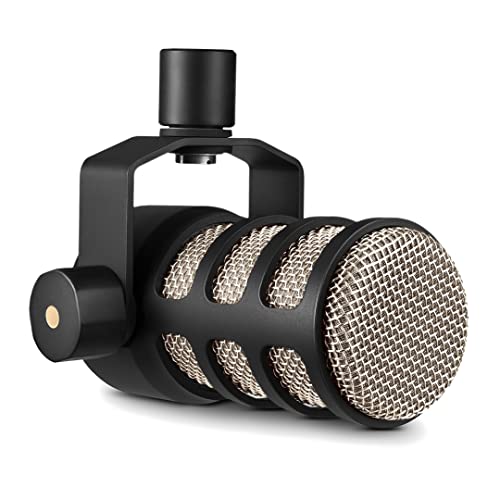
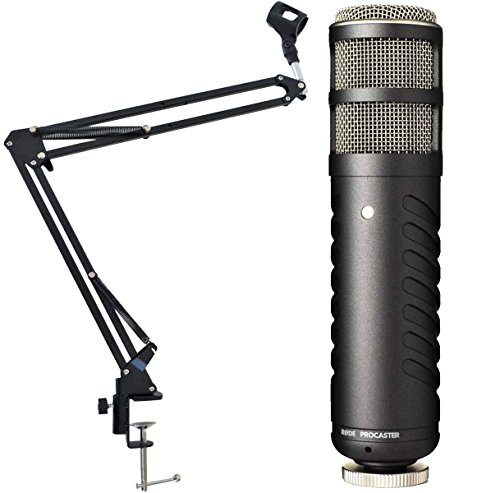
RØDE is equally credible for speech. PodMic and Procaster use close end-address dynamic capsules, internal pop control, and robust housings for podcast or broadcast work; NT-USB Mini, NT-USB+, XDM-100, and XCM-50 add direct monitoring and computer connectivity, with RØDE Connect or UNIFY expanding routing and APHEX processing on supported models. This gives the brand unusually coherent options from a simple single-mic desk to a RØDECaster-based production.
The limitations are model-specific and important. PodMic and Procaster are relatively low-output and heavy, so weak preamps or light boom arms are poor partners. NT1-A and NT2-A can sound bright or sibilant on some voices, sensitive USB condensers still capture keyboards and untreated rooms, and several USB models reserve gain, mute, DSP, or routing functions for software rather than providing every control on the body.
Who should consider buying Rode microphones?
The following users are the strongest fit for RØDE microphones:
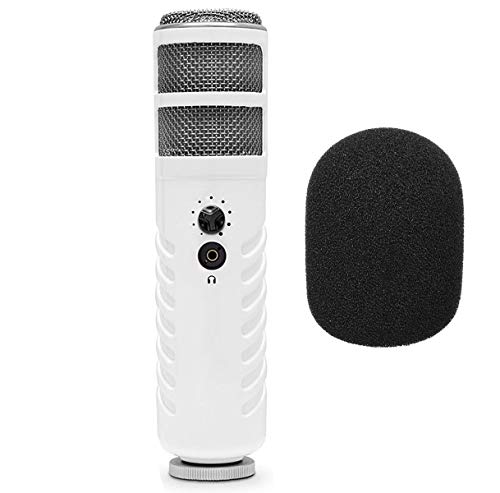
- Podcasters and broadcasters: PodMic and Procaster suit close speech through an XLR interface or RØDECaster, while Podcaster provides a self-contained USB route with direct headphone monitoring.
- Streamers and gamers: XDM-100 favors close dynamic pickup in a lively room; XCM-50 offers a smaller detailed condenser, and both integrate with UNIFY and APHEX processing.
- Voice-over and narration users: NT1-A serves quiet treated spaces through XLR, while NT-USB+ provides a simpler USB-C chain with monitoring and supported software processing.
- Vocalists and acoustic musicians: NT1-A is the low-noise cardioid workhorse; NT2-A adds multiple patterns, filters, and a pad for stereo methods, room pickup, or louder instruments.
- Mobile and compact-desk users: NT-USB Mini uses a small magnetic stand and swing mount while retaining 24-bit/48 kHz audio and direct monitoring.
- Buyers building a RØDE production system: The speech models integrate naturally with RØDECaster hardware, while RØDE Connect and UNIFY support software-based mixing for compatible USB microphones.
How do Rode microphones differ from other microphones?
RØDE differs from many microphone brands by maintaining credible XLR studio, broadcast, and USB ranges under one ecosystem instead of concentrating on a single desktop format. Its catalog moves from 5 dBA studio condensers and multi-pattern recording tools to close-talk broadcast dynamics and USB-C models with direct monitoring, RØDE Connect, UNIFY, or APHEX processing. Internal pop filters, capsule isolation, metal bodies, and yoke or swing mounts also appear repeatedly on the speech-focused models.
That breadth creates real choices but not interchangeable ones. RØDE's XLR condensers need phantom power and a controlled room; its broadcast dynamics trade room rejection for higher gain demand; and its USB models simplify conversion while making some processing and routing software-dependent. Compared with brands built around one common chassis, RØDE rewards choosing by family and signal path rather than assuming every model shares the same controls, tone, or upgrade route.
The chart below shows the connection types used across RØDE microphones.
[pie-chart-13857448302309829445006305170485691274041704948976]
What are the main series of Rode microphones?
The main RØDE microphone series and families are as follows:
- NT studio condensers: NT1-A is the fixed-cardioid low-noise workhorse, with 5 dBA self-noise and 137 dB SPL handling for vocals and acoustic instruments in controlled rooms. NT2-A is the more flexible studio model, adding cardioid, omnidirectional, and figure-eight patterns, selectable high-pass filtering, and a pad for louder or more varied sources.
- NT-USB microphones: NT-USB Mini is the compact 24-bit/48 kHz desk model with a magnetic stand, swing mount, and direct monitoring. NT-USB and NT-USB+ are larger side-address vocal and instrument microphones; the Plus modernizes the chain with USB-C, 24-bit conversion, a stronger preamp, headphone output, and supported APHEX processing.
- Broadcast and podcast microphones: PodMic is the affordable XLR dynamic built around close speech and RØDECaster use, while Procaster is the heavier dedicated broadcast dynamic with strong ambient rejection and substantial gain requirements. Podcaster uses a related end-address speech concept but adds USB conversion and direct headphone monitoring for a simpler computer setup.
- RØDE X streaming microphones: XDM-100 is the close-talk dynamic USB-C model for stronger room-noise control, supplied with shock and pop protection. XCM-50 is the smaller condenser alternative for more detail; both use 24-bit/48 kHz audio and integrate with UNIFY for routing and APHEX voice processing.
How much do Rode microphones cost?
RØDE microphones in this range generally cost about £80-£280. NT-USB Mini and PodMic sit near £80, giving buyers either a compact monitored USB condenser or a rugged XLR speech dynamic; XDM-100 is around £90, and XCM-50 around £100 for the RØDE X software-linked streaming path.
Around £130-£160, the choice widens to Podcaster, NT-USB, NT1-A, Procaster, and NT-USB+. The price difference reflects the signal path more than a simple quality ladder: USB models include conversion and monitoring, NT1-A spends the budget on a low-noise XLR capsule, and Procaster emphasizes close broadcast speech and durable mechanics.
NT2-A reaches roughly £280 because it adds a dual-diaphragm multi-pattern design, switchable filters, a pad, 7 dBA self-noise, and very high SPL handling. Before moving up the range, decide whether those controls or patterns solve a real recording need; a less expensive PodMic or NT-USB Mini can be the better tool for close spoken voice.
The chart below shows the price distribution of RØDE microphones.
[vertical-chart-05328684175438799270078017261793101231761004790289]
What should you consider while choosing Rode microphones?
The main points to consider while choosing a RØDE microphone are as follows:
- Family and recording job: Choose PodMic, Procaster, or Podcaster for close speech; NT1-A or NT2-A for studio vocals and instruments; NT-USB models for direct computer recording; or XDM-100 and XCM-50 for a UNIFY-based streaming workflow. Start from source and room rather than price.
- Dynamic or condenser capsule: RØDE dynamics tolerate close use and reject more room sound but need consistent technique and, on XLR models, ample clean gain. The condensers capture more detail and acoustic nuance while exposing reflections, keyboards, fans, and sibilance more readily.
- USB or XLR path: USB models include conversion and usually headphone monitoring, while XLR separates the microphone from the interface and supports hardware expansion. Confirm whether RØDE Connect, UNIFY, APHEX processing, mute, mix, or gain functions depend on USB software.
- Gain and phantom power: NT1-A and NT2-A require 48 V phantom power; PodMic and Procaster are passive but relatively gain-hungry. Check interface gain and noise before adding an inline booster, and do not confuse low output with a defective microphone.
- Monitoring and controls: NT-USB, NT-USB Mini, NT-USB+, Podcaster, XDM-100, and XCM-50 provide headphone monitoring, but their gain, mute, mix, and software controls differ. Decide which adjustments must be reachable on the body during a live session.
- Address direction and mounting: NT studio and NT-USB condensers are side-address, while the broadcast dynamics and RØDE X models are used end-address. PodMic, Procaster, and XDM-100 are heavy enough to require a sturdy arm or stand, and correct distance matters more than cosmetic desk placement.
- Pattern, filter, and source level: Most models are fixed cardioid, whereas NT2-A adds omnidirectional and figure-eight pickup plus filters and a pad. Pay for those options only when room recording, stereo methods, two-sided pickup, or loud sources genuinely require them.