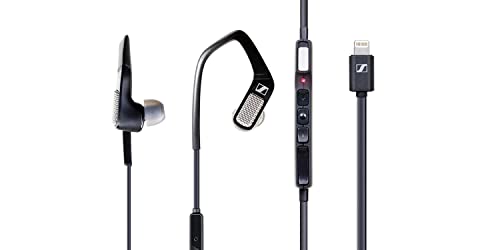
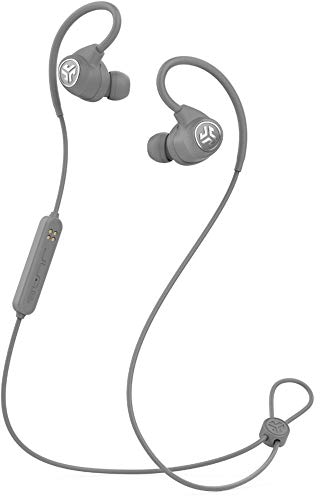
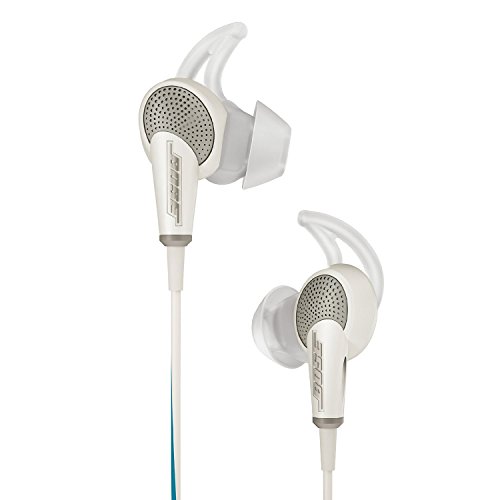
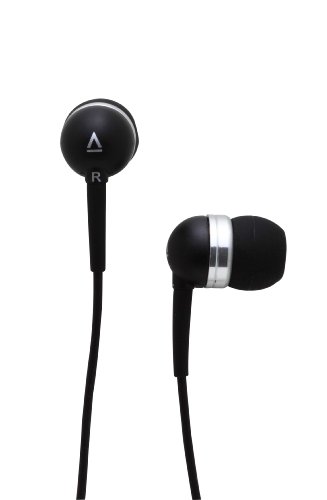
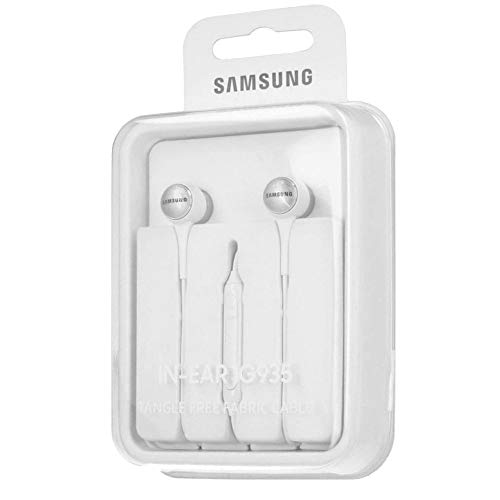
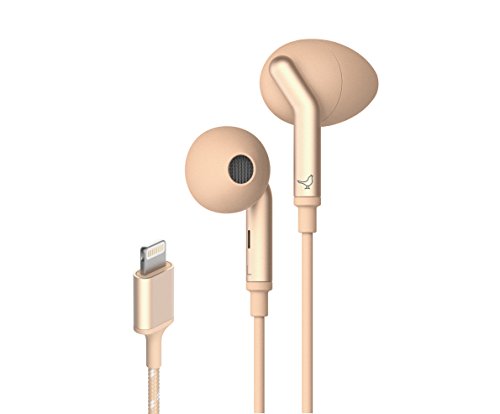
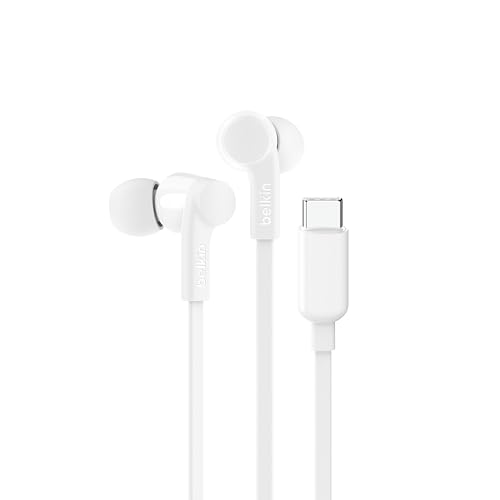
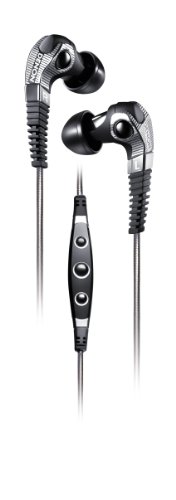
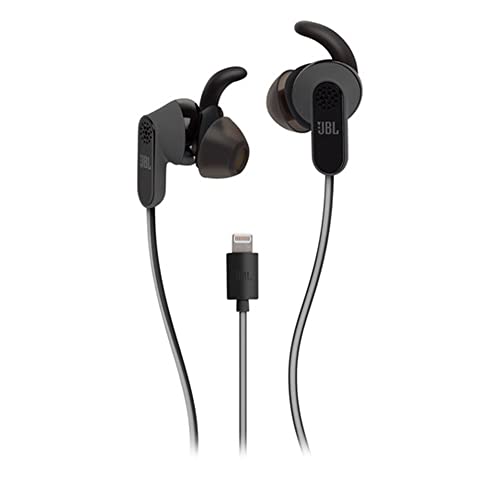
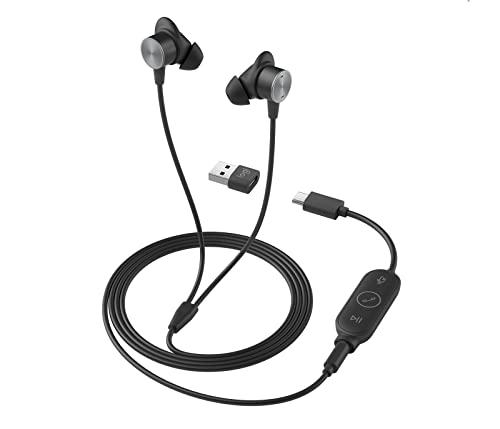
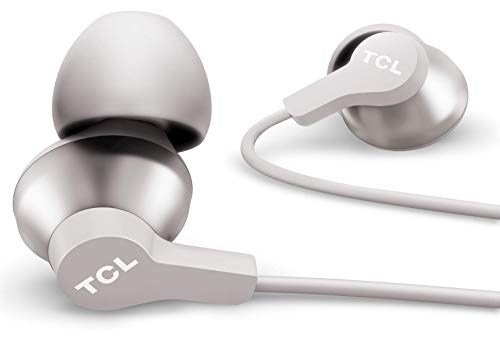
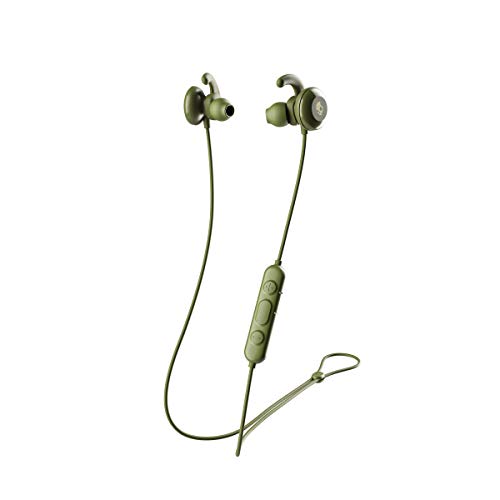
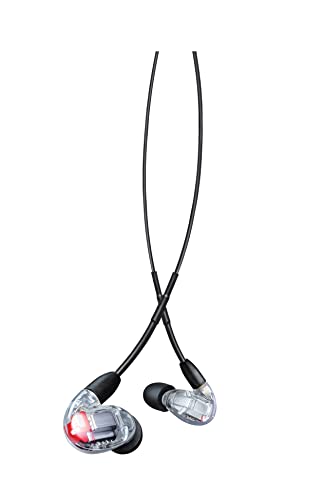
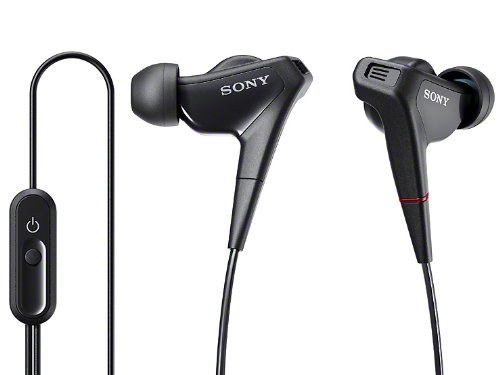
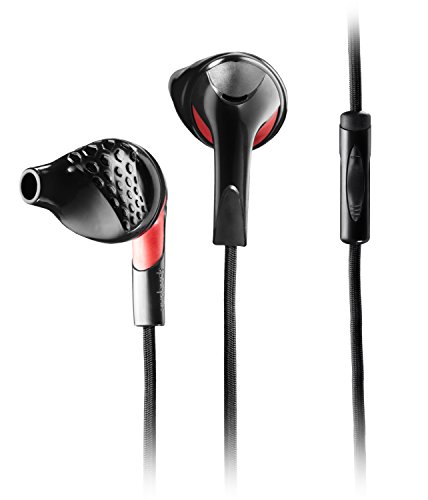
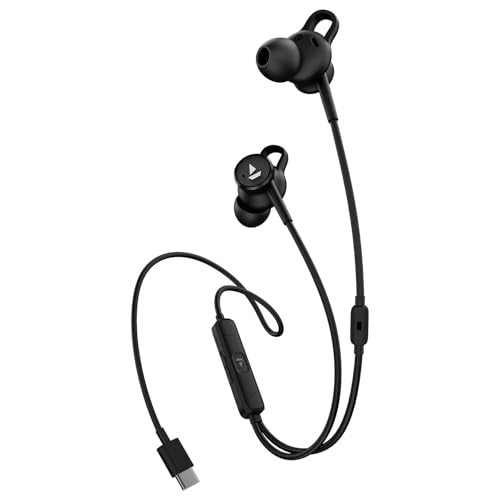
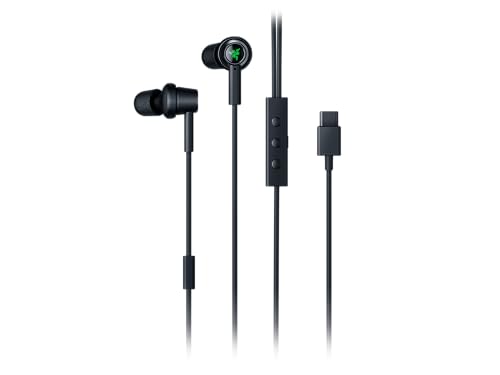
In-ear headphones are worth buying because they offer the most compact mix of portability, seal, and everyday convenience in the broader headphone market.
In-ear designs are easy to carry, easy to use on the move, and usually much less bulky than on-ear or over-ear alternatives. A good seal can also give them surprisingly strong passive isolation, which is one of the main reasons they work so well for commuting, walking, and general phone-first listening.
The tradeoff is that fit matters much more here than it does on larger headphones. If the tip shape, insertion depth, or housing design does not suit your ears, sound quality, comfort, and isolation can all fall off quickly.
How good is noise isolation on in-ear headphones?
Noise isolation on in-ear headphones is usually very good when the eartips seal properly, and that seal often matters more than the driver or the brand name.
A well-fitted in-ear headphone can block a surprising amount of outside noise because the tip physically closes the ear canal. Tip size, tip material, and insertion depth all change the result, which is why the same model can feel excellent for one user and mediocre for another.
The weak point is consistency. If the seal breaks while walking, talking, or exercising, both isolation and bass response usually drop immediately, so fit quality is inseparable from sound quality on in-ear designs.