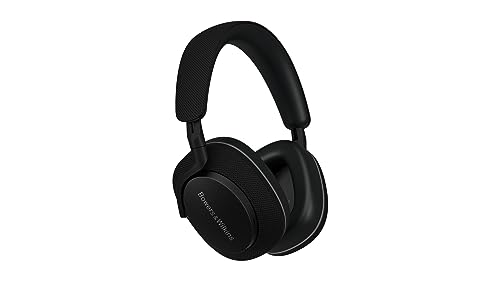
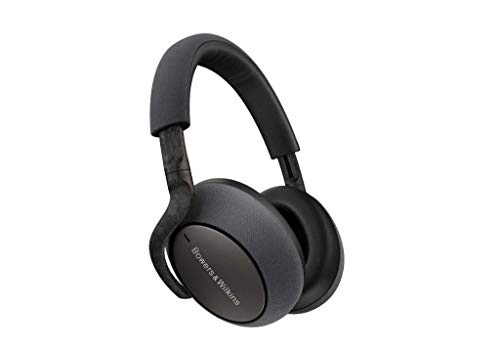
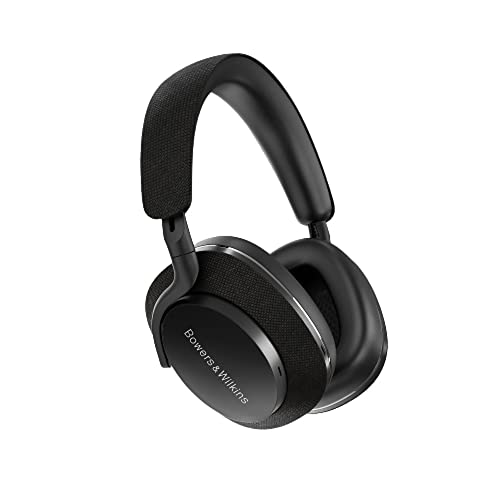
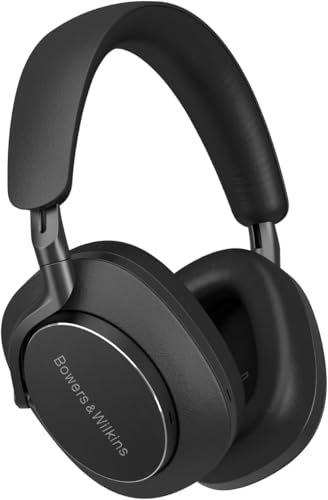
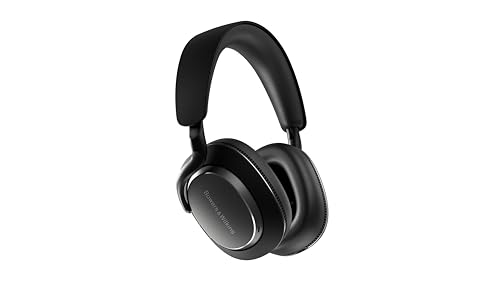
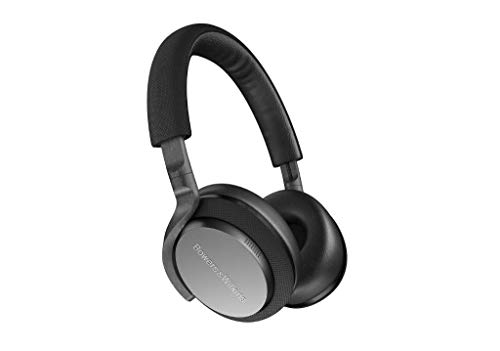
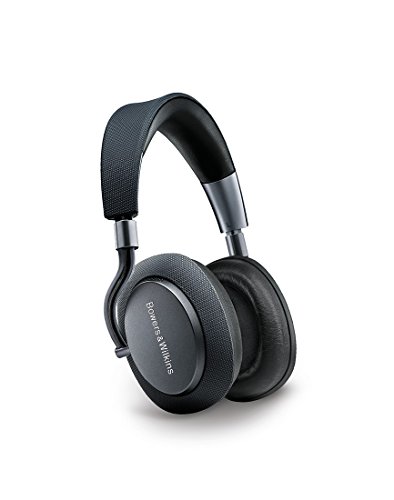
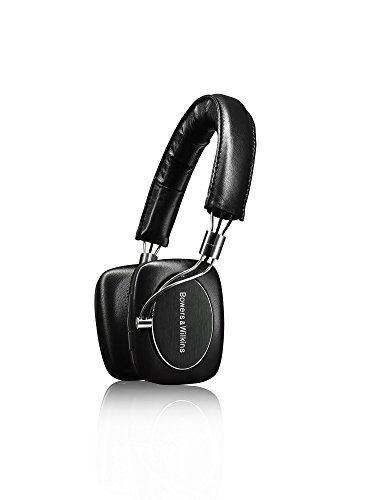
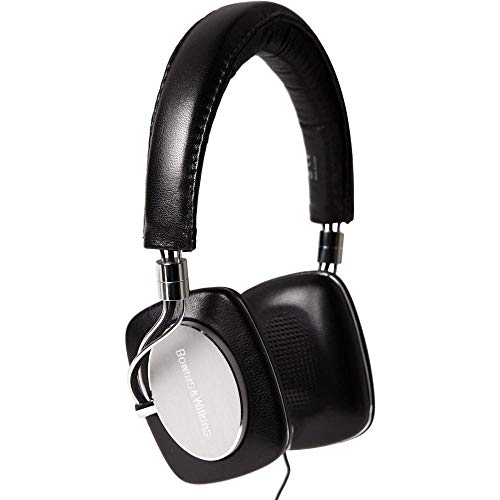
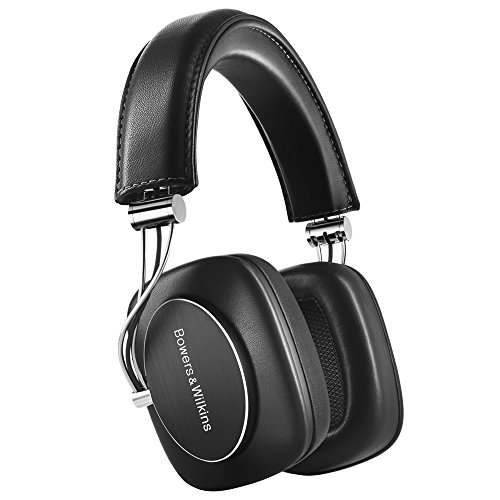
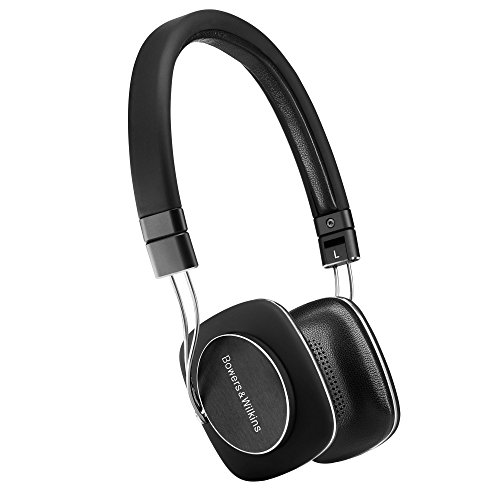
Are Bowers & Wilkins headphones good?
Bowers & Wilkins headphones have an average overall score of 7.3, ranking #9 among all headphone brands, and a user rating of (?), placing them at #(?) based on user reviews.
Bowers & Wilkins stands out for building a compact lineup that feels intentionally premium rather than broad for its own sake. The brand covers elegant on-ear designs, more serious over-ear travel models, and a few higher-end wired products, so the range feels curated rather than crowded.
The tradeoff is that Bowers & Wilkins is not a value-first choice. Prices start high relative to mass-market brands, the in-ear branch is small, and feature depth is concentrated mainly in the newer PX and PX7 generations rather than being spread evenly across every older model.
Bowers & Wilkins headphones make the most sense for buyers who care about premium finish, strong industrial design, and a more luxurious travel or home-listening experience than the average midrange Bluetooth brand provides.
The best Bowers & Wilkins headphones are as follows:
- Bowers & Wilkins PX7 S2e (Overall score: 8.73)
- Bowers & Wilkins PX8 S2 (Overall score: 8.47)
- Bowers & Wilkins PX7 S2 (Overall score: 7.96)
The chart below ranks headphone brands by average overall score and shows where Bowers & Wilkins stands.
[horizontal-chart-07651949361052647855064281883428571797840542035701]
What are the main advantages of Bowers & Wilkins headphones?
The main advantages of Bowers & Wilkins headphones are as follows.
- Premium sound tuning: Bowers & Wilkins is a strong option for buyers who want a more refined, upscale, and music-focused presentation than typical consumer ANC brands.
- High-end materials: Metal-rich construction and luxury finishing give the better models a more expensive and polished feel than mainstream plastic travel headphones.
- Serious wireless over-ear branch: The brand is relevant in premium everyday Bluetooth listening instead of living only in speaker or home-audio reputation.
- Distinctive alternative to Bose and Sony: For buyers who want strong wireless performance without the most common mainstream look and tuning, Bowers & Wilkins offers a more individual premium option.
- Strong design consistency: The range feels more coherent than larger catalogs because the brand keeps a tighter focus on upscale wireless listening.

What are the main disadvantages of Bowers & Wilkins headphones?
The main disadvantages of Bowers & Wilkins headphones are as follows.
- Premium sound tuning: Bowers & Wilkins is a strong option for buyers who want a more refined, upscale, and music-focused presentation than typical consumer ANC brands.
- High-end materials: Metal-rich construction and luxury finishing give the better models a more expensive and polished feel than mainstream plastic travel headphones.
- Serious wireless over-ear branch: The brand is relevant in premium everyday Bluetooth listening instead of living only in speaker or home-audio reputation.
- Distinctive alternative to Bose and Sony: For buyers who want strong wireless performance without the most common mainstream look and tuning, Bowers & Wilkins offers a more individual premium option.
- Strong design consistency: The range feels more coherent than larger catalogs because the brand keeps a tighter focus on upscale wireless listening.

Who makes Bowers & Wilkins headphones?
Bowers & Wilkins headphones are made by Bowers & Wilkins, the British audio brand long associated with premium speakers and upscale consumer audio design. That speaker heritage helps explain why the headphone range is positioned more like a luxury extension of a hi-fi brand than like a mass-market accessory line.
Bowers & Wilkins does not compete mainly through catalog size or bargain pricing. The company focuses on a smaller set of premium products where design, finish, and perceived quality carry as much weight as raw feature count.
In market terms, Bowers & Wilkins sits between mainstream premium travel-audio brands and higher-end specialist hi-fi names. Buyers usually come to the brand for luxury materials, elegant styling, and a more refined brand image than standard wireless-headphone labels provide.
What are the main Bowers & Wilkins headphone series?
The main Bowers & Wilkins headphone series are as follows.
- PX and PX7: These are the main modern premium travel families. They are the clearest place to start if you want wireless over-ear headphones with ANC and a current mainstream flagship feel.
- PX8: PX8 sits as the more luxurious upper branch above much of the standard PX7 lane, aimed at buyers who want stronger materials and a more elevated premium presentation.
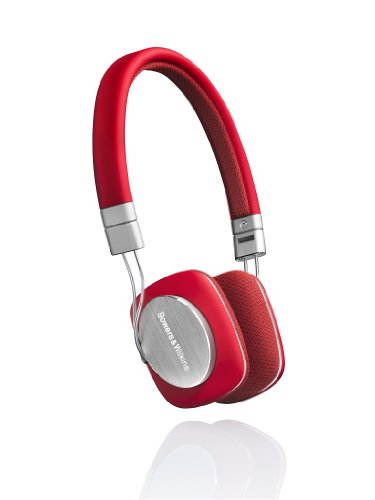
- P3 and P5: These are lighter on-ear or smaller premium lifestyle models that matter most for buyers who prefer portability and a more compact luxury design.
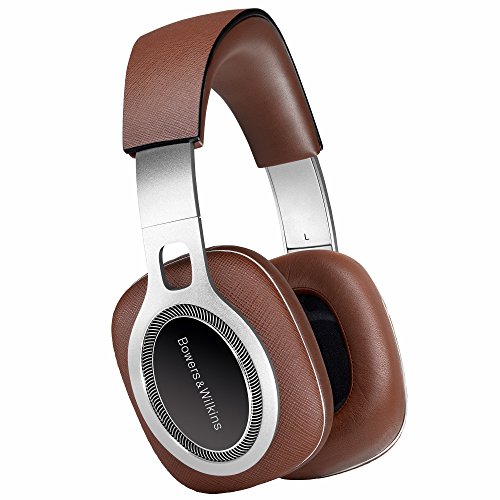
- P7 and P9: These are larger premium full-size branches, including more ambitious wired or wireless models for buyers who want a stronger home-and-travel statement product.
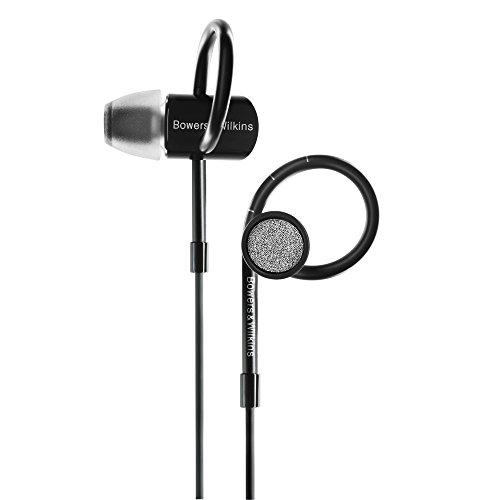
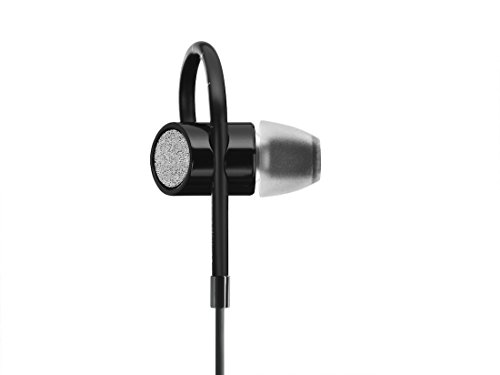
- C-series in-ear models: C-series products such as C5 cover the small in-ear side of the lineup, but they play a much smaller role than the brand's over-ear and on-ear products.
- Older wireless and legacy names: A few older PX and P-series generations still show up in the broader range history, which is why buyers should pay attention to the exact revision rather than only the family name.
How much do Bowers & Wilkins headphones cost?
Bowers & Wilkins headphones usually cost about 150-£800, with most realistic buying choices sitting around 250-£340. That middle premium band is where the main PX5, PX7, and several P-series models live, and it is also where the brand feels most competitive as a luxury-oriented headphone maker.
Price differences inside Bowers & Wilkins mostly follow form factor, generation, and how premium the branch is. On-ear and small in-ear models occupy the lower end, mainstream premium wireless over-ear models fill the middle, and halo products such as PX8 S2 or P9 Signature push much higher.
For most buyers, the value point is in the central premium zone rather than at the edges. The lowest-priced models are older or smaller designs, while the most expensive products make sense mainly if you specifically want a flagship luxury over-ear model or a collector-style top-tier branch.
This chart visualizes Bowers & Wilkins headphone prices.
[vertical-chart-14225236673047507923034276238247955883491265140988]
How do Bowers & Wilkins headphones compare with Bang & Olufsen headphones?
Bowers & Wilkins headphones usually compare with Bang & Olufsen headphones as the slightly more focused travel-and-premium-headphone lineup, while Bang & Olufsen stretches further into luxury pricing and broader design-led experimentation. Bowers & Wilkins has a tighter premium band centered around roughly 250-£340, whereas Bang & Olufsen climbs higher more often and pushes further into luxury showpiece territory.
Bang & Olufsen is usually the better choice if you want the most design-forward flagship feel, broader app and ANC coverage, or are comfortable paying much more for a luxury lifestyle-audio experience. Bowers & Wilkins usually makes more sense if you want a curated premium shortlist with stronger price discipline, a clearer PX-series travel focus, and a balance between luxury presentation and mainstream practicality.
What should you consider while choosing Bowers & Wilkins headphones?
When you choose Bowers & Wilkins headphones, you should focus on the following key aspects:
- Form factor: Start by choosing the shape that fits how you will use the headphones. Bowers and Wilkins buying usually centers on premium wireless over-ears and a smaller earbud lane, so the real comfort decision is often between larger headband isolation and more compact daily carry. The brand is much thinner in specialist branches than broader rivals like Sony or JBL.
- Sound profile: Think about the sound you actually want, not just the brand name. The brand usually aims for a refined, detailed, and more upscale presentation than bass-heavy mainstream wireless competitors. That is a strength if music quality matters as much as convenience, but it is less ideal for buyers who want a very forgiving or strongly boosted signature.
- ANC quality: If you travel or work in noisy places, put ANC near the top of your list. ANC matters in the wireless travel branch, but Bowers and Wilkins is often chosen because buyers want sound and build quality at the same time. In practice, you should weigh the isolation performance against the sonic step-up, not view ANC as the only reason to buy.
- Wireless features: Look closely at the extra wireless features if you will use them every day. Codec support, multipoint behavior, microphone quality, and app control deserve attention because premium positioning alone does not guarantee the most complete feature stack. This is one of the brands where the software side can matter more than expected.
- Materials or weight: Look at build quality, but remember that heavier materials are not always better. Metal-heavy construction and dense build improve feel and perceived quality, but they can also add weight versus lighter travel-focused rivals. Long-session comfort should be judged with that tradeoff in mind.