

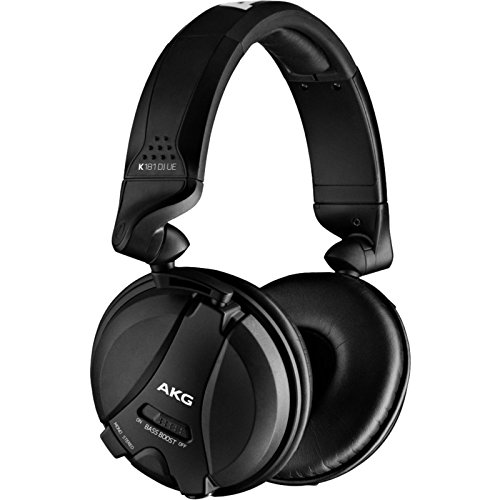
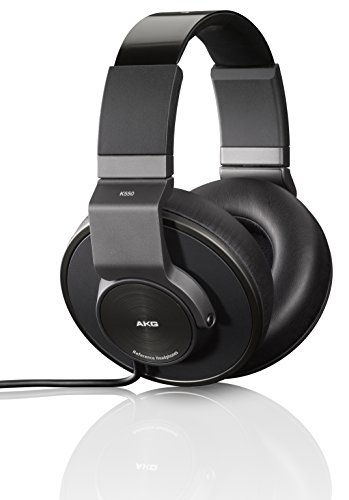
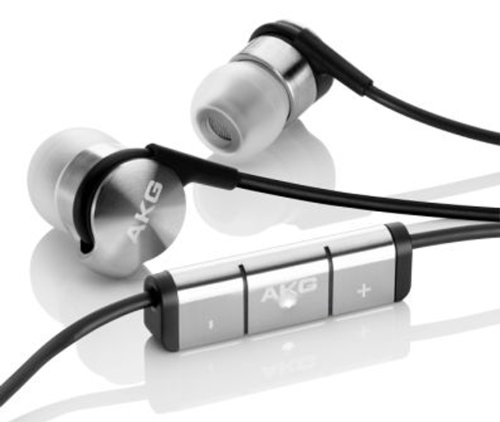
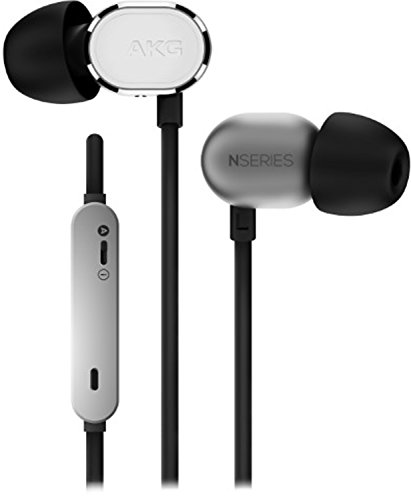
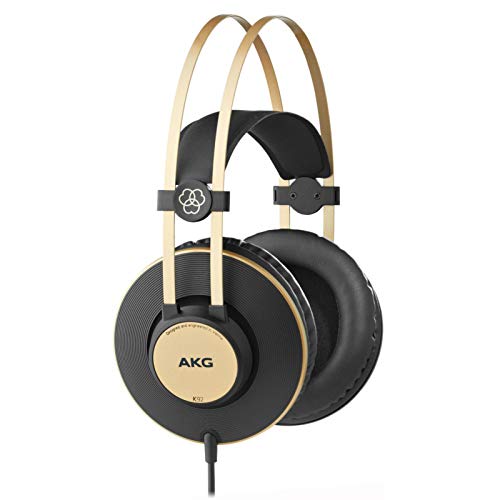
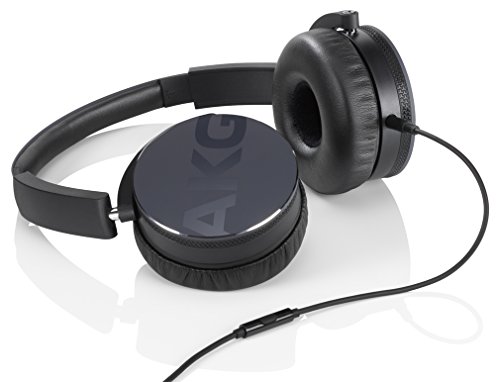
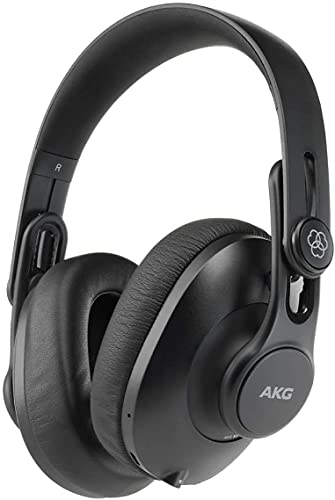
Are AKG headphones good?
AKG headphones have an average overall score of 6.7, ranking #19 among all headphone brands, and a user rating of 9, placing them at #13 based on user reviews.
AKG's main strengths in this category are clear listening-first credibility, strong over-ear depth, and a lineup that covers mainstream wired listening, monitoring-style use, and higher-end enthusiast products better than many broader consumer-tech brands do.
The main tradeoff is that AKG is not centered on the same kind of easy mass-market ANC and lifestyle positioning that stronger travel brands lean on. The lineup is dominated by non-ANC products and reaches into serious premium territory, so the catalog can feel more specialist and less simplified than mainstream wireless-first ranges.
AKG headphones make the most sense for buyers who want a genuine audio-specialist brand, especially if they care more about listening pedigree and range depth than about trend-led branding or a purely travel-ANC shopping experience.
The chart below ranks headphone brands by average overall score and shows where AKG stands.
[horizontal-chart-07651949361052647855064281883428571797840542035701]
What are the main advantages of AKG headphones?
The main advantages of AKG headphones are as follows.
- Strong wired depth: AKG remains more relevant than many consumer brands if you want full-size wired headphones for home listening, studio use, or desktop audio instead of a Bluetooth-first travel product.
- Open and closed families: The brand has real variety across open-back and closed-back models, so buyers can choose between wider soundstage listening and more isolated monitoring-style use.
- Comfortable over-ear focus: Large earcups, suspended headbands, and lighter clamp on many models make AKG attractive for long sessions at a desk or in a studio.
- Balanced sound profile: AKG often aims for clearer mids and a more controlled presentation than bass-heavy mainstream brands, which suits monitoring and more critical listening.
- Useful upgrade ladder: The catalog lets buyers start with simple wired models and move into more serious studio or home-listening headphones without changing brand philosophy completely.

What are the main disadvantages of AKG headphones?
The main disadvantages of AKG headphones are as follows.
- Strong wired depth: AKG remains more relevant than many consumer brands if you want full-size wired headphones for home listening, studio use, or desktop audio instead of a Bluetooth-first travel product.
- Open and closed families: The brand has real variety across open-back and closed-back models, so buyers can choose between wider soundstage listening and more isolated monitoring-style use.
- Comfortable over-ear focus: Large earcups, suspended headbands, and lighter clamp on many models make AKG attractive for long sessions at a desk or in a studio.
- Balanced sound profile: AKG often aims for clearer mids and a more controlled presentation than bass-heavy mainstream brands, which suits monitoring and more critical listening.
- Useful upgrade ladder: The catalog lets buyers start with simple wired models and move into more serious studio or home-listening headphones without changing brand philosophy completely.

Who makes AKG headphones?
AKG makes AKG headphones.
In practice, AKG is best known as an audio brand with deep roots in professional and enthusiast listening equipment rather than as a broad mainstream consumer-electronics company. That background matters here because the current Headphones slice clearly reflects a real audio-specialist identity.
What are the main AKG headphone series?
The main AKG headphone series are as follows.
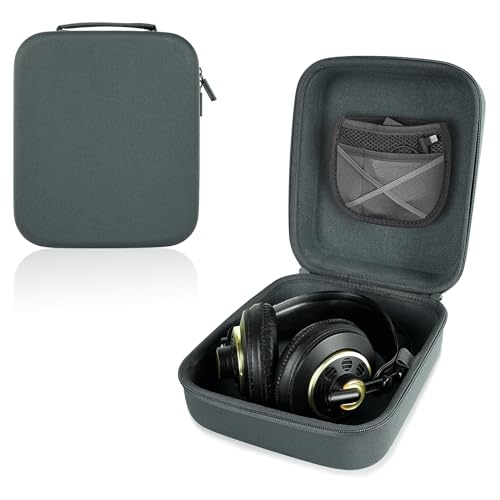
- K series: K is AKG's main over-ear and enthusiast branch, and it is the safest place to start if you want studio, home, or more audio-led listening. This family carries the clearest version of the brand's sound-first identity and is usually the branch most serious buyers mean when they talk about classic AKG headphones.
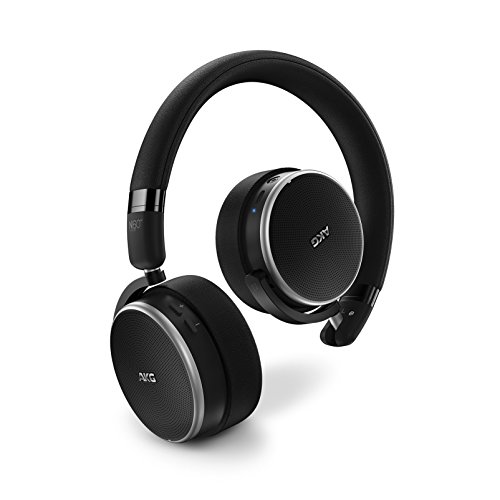
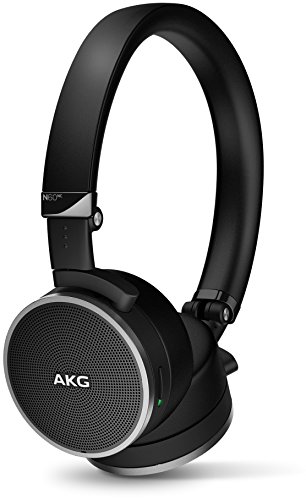
- N series: N is the more consumer-wireless and ANC-leaning branch. It matters more for portable convenience, everyday travel use, and modern wireless behavior than for the older studio-oriented side of the brand.
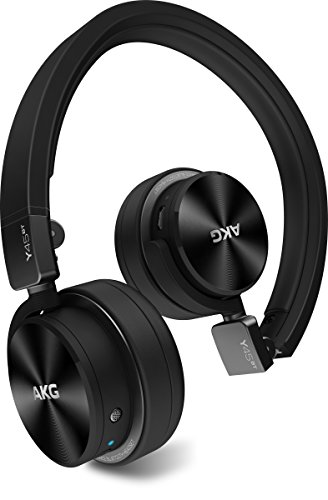
- Y series: Y is the lighter mainstream portable line. It suits buyers who want easier everyday listening and lower-cost consumer products rather than a more specialist full-size AKG experience.
- Q series: Q is the more style-conscious side branch, often tied to more distinctive presentation and higher-profile collaborations. It is less central than K, but it matters for buyers who want AKG with a more recognizable consumer-facing personality.
- K3003 and other specialist lines: These smaller products represent the more premium or unusual in-ear direction of the brand. They are not the core mass-market structure, but they help show that AKG's range is not limited only to straightforward over-ear consumer models.
How much do AKG headphones cost?
AKG headphones usually cost about 30-£340 in the practical mainstream range, with a real premium tier extending much higher than that.
That makes AKG one of the broader price-spread audio brands overall. The range starts accessibly, stays active through the mid-range, and then keeps going into serious enthusiast territory instead of ending where ordinary consumer pricing usually stops.
How do AKG headphones compare with Audio-Technica headphones?
AKG headphones usually compare with Audio-Technica models as another listening-first and audio-specialist option, while Audio-Technica often feels slightly more studio-monitoring-centered and AKG slightly broader across mainstream-to-premium headphone identity.
AKG is generally the better fit if you want a wide audio-specialist range with real higher-end depth and stronger broad headphone recognition. Audio-Technica is often the more obvious fit if you want a brand that feels even more explicitly rooted in monitoring and dedicated audio-hardware culture. This comparison is best read at brand level rather than as a strict model-for-model score comparison.
What should you consider while choosing AKG headphones?
When you choose AKG headphones, you should focus on the following key aspects:
- Product family: Start with the series or branch that fits your use. AKG makes the most sense once you separate its wired home-listening and studio families from the smaller wireless travel branch. K-series models usually matter most, with some lines leaning more toward monitoring and others toward wider, more relaxed listening.
- Acoustic design: Check whether you need open-back or closed-back design. AKG has real depth in both open-back and closed-back layouts, and that decision is bigger than any small spec difference. Open models give more width and air but leak heavily, while closed models isolate better and work more naturally for recording, shared rooms, or office use.
- Impedance: Match the headphones to the source you will actually use. AKG spans phone-friendlier models and more demanding studio headphones, with impedance stretching from common portable levels into pro-oriented designs above 100 ohms. If you will listen from a phone, laptop, or small dongle, source power matters more here than with mainstream Bluetooth brands.
- Comfort: If you will wear the headphones for hours, put comfort high on your list. Large earcups, suspended headbands, and lighter clamp are frequent AKG strengths, especially for long desk sessions. Buyers who want portable use should still check size and foldability, because some of the best-sounding AKG models are physically much better at home than on the move.
- Sound balance: Think about the sound you actually want, not just the brand name. AKG usually aims for cleaner mids, restrained bass bloom, and a more controlled presentation than fun-tuned consumer brands. That helps with speech, monitoring, and long listening, but listeners who want big impact or very warm tuning may find some AKG lines too polite.