
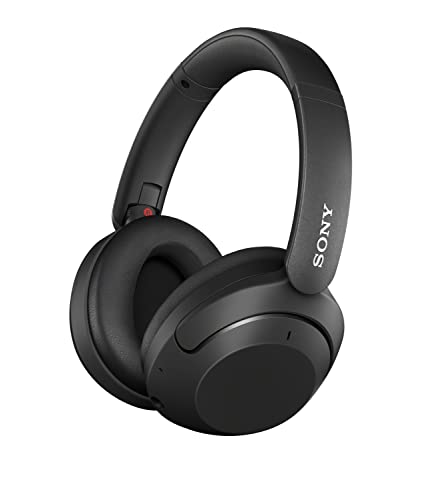
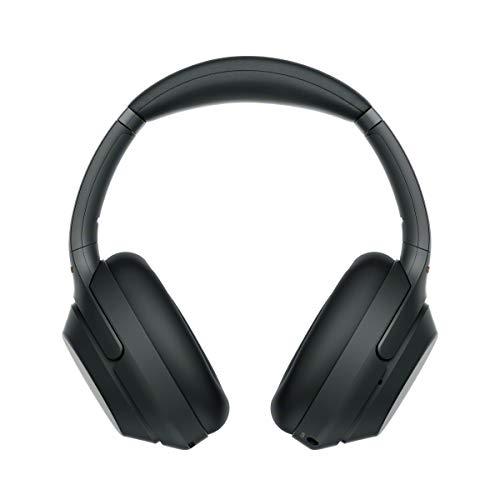
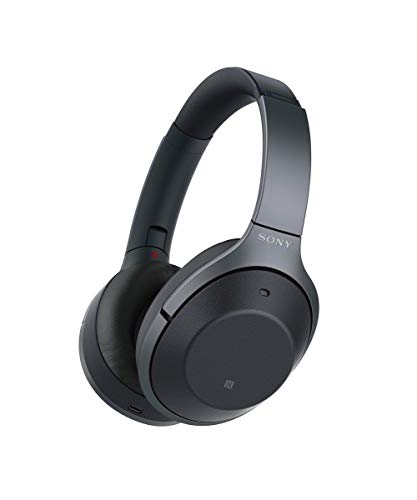
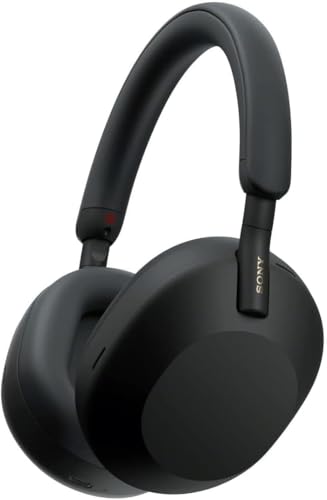
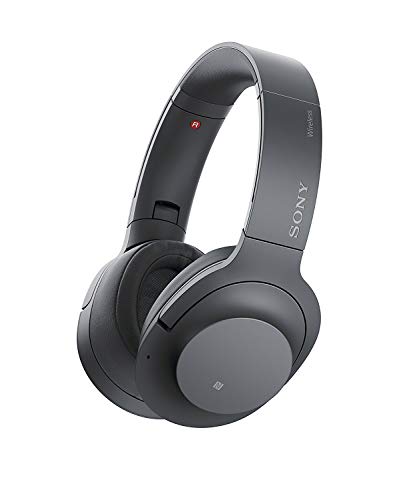
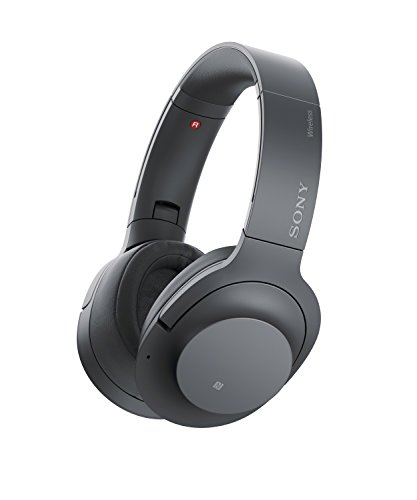
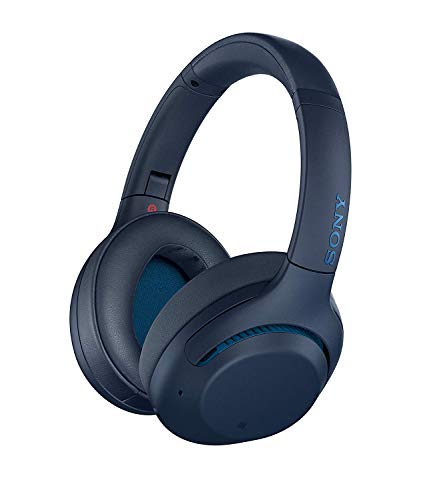
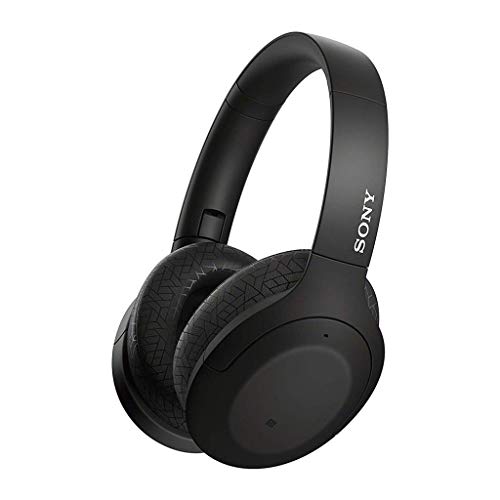
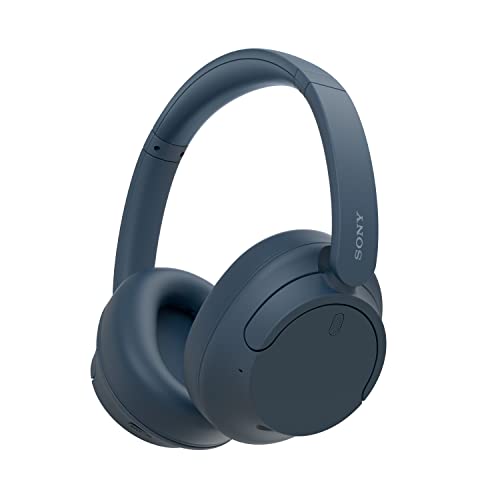
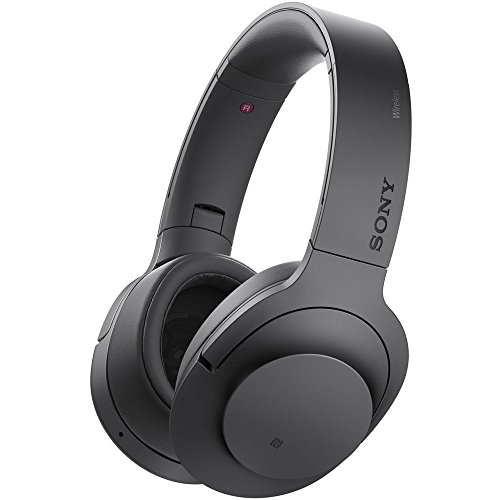
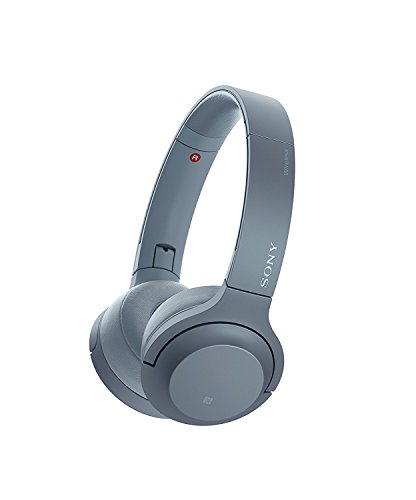
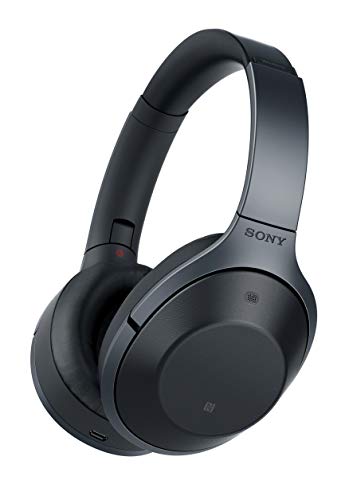
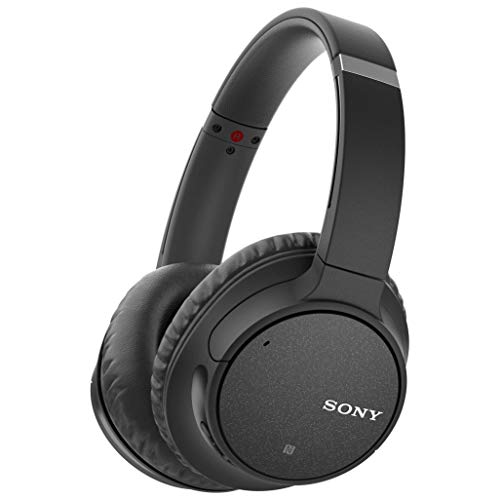
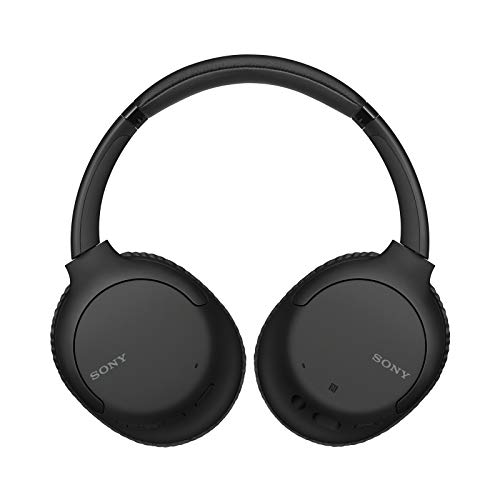
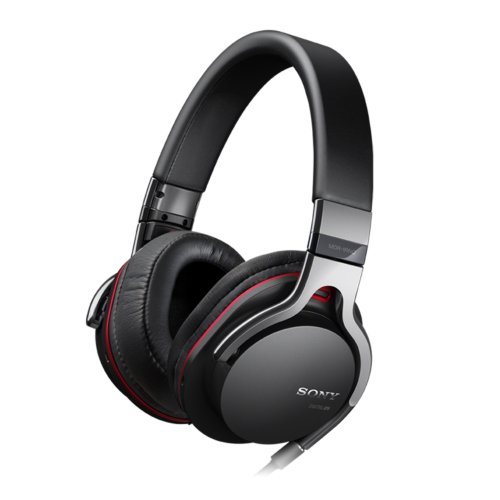
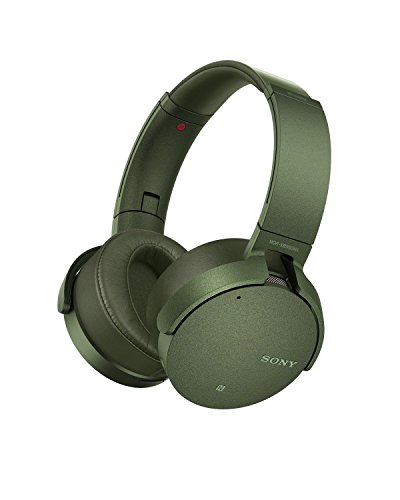
Are Sony headphones good?
Sony headphones have an average overall score of 8.3, ranking #1 among all headphone brands, and a user rating of 9.2, placing them at #4 based on user reviews.
Sony's biggest strength is range. The brand covers cheap wired models, mainstream wireless sets, premium ANC over-ears, bass-led consumer lines, and in-ear branches without forcing buyers into only one price tier or one listening style. That makes Sony easier to shop than brands that are strong only at the very top or only in a narrow niche.
Sony headphones are usually at their best when you want a familiar mainstream tuning, a lot of real model choice, and strong over-ear depth without giving up access to cheaper entry points. They make less sense only if you want the very smallest lineup to compare or if you already know you prefer a more specialized brand identity such as Apple's ecosystem focus or Bose's comfort-and-ANC-first reputation.
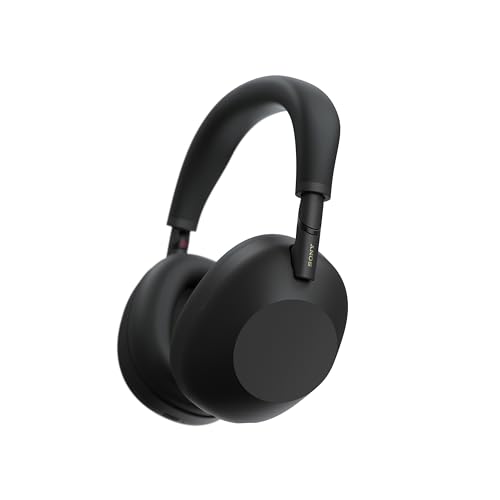
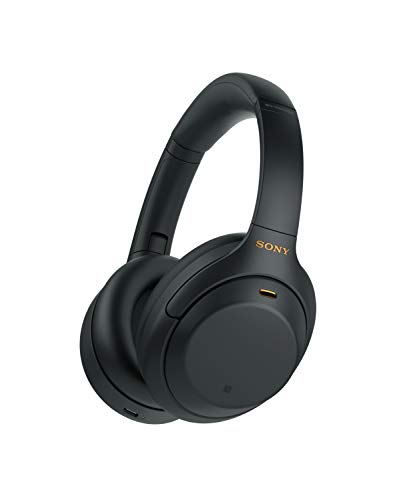
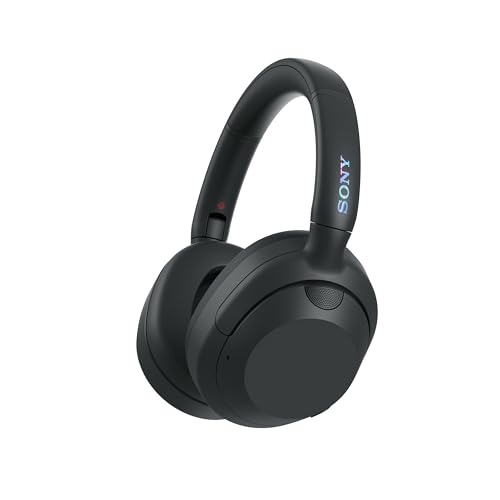
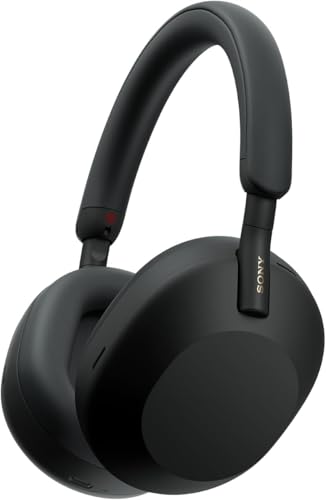
The best Sony headphones are as follows:
- Sony WH 1000XM4 (Overall score: 9.04)
- Sony WH 1000XM6 (Overall score: 8.97)
- Sony WH ULT900N (Overall score: 8.85)
The chart below ranks headphone brands by average overall score and shows where Sony stands.
[horizontal-chart-07651949361052647855064281883428571797840542035701]
What are the main advantages of Sony headphones?
The main advantages of Sony headphones are as follows.
- Class-leading wireless breadth: Sony covers premium over-ear travel headphones, mainstream Bluetooth models, and strong true wireless earbuds better than most single brands.
- Strong ANC performance: Noise cancellation is one of Sony's clearest advantages, especially in commuting and office use where the better models remain category leaders.
- Advanced app and codec support: Sony usually gives buyers more control over EQ, ambient modes, multipoint behavior, and higher-quality Bluetooth audio than simpler rivals.
- Reliable battery performance: The stronger Sony headphones combine long runtime with practical charging, which helps in flights, offices, and all-day daily use.
- Good upgrade ladder: Buyers can move from basic wireless models into clearly better premium branches without leaving the brand's main sound and feature ecosystem.

What are the main disadvantages of Sony headphones?
The main disadvantages of Sony headphones are as follows.
- Class-leading wireless breadth: Sony covers premium over-ear travel headphones, mainstream Bluetooth models, and strong true wireless earbuds better than most single brands.
- Strong ANC performance: Noise cancellation is one of Sony's clearest advantages, especially in commuting and office use where the better models remain category leaders.
- Advanced app and codec support: Sony usually gives buyers more control over EQ, ambient modes, multipoint behavior, and higher-quality Bluetooth audio than simpler rivals.
- Reliable battery performance: The stronger Sony headphones combine long runtime with practical charging, which helps in flights, offices, and all-day daily use.
- Good upgrade ladder: Buyers can move from basic wireless models into clearly better premium branches without leaving the brand's main sound and feature ecosystem.

Who makes Sony headphones?
Sony headphones are made by Sony, the Japanese electronics company best known for consumer audio, cameras, TVs, gaming hardware, and a wide range of mainstream technology products. That broader electronics background helps explain why Sony headphones usually mix audio priorities with practical consumer features rather than behaving like a niche audio-only brand.
Sony's scale also shows up in the range itself. The brand covers everything from simple wired headphones to premium wireless ANC models, gaming-oriented options, and compact in-ear products, which is why its headphone lineup feels much wider than the more tightly focused ranges from brands like Bose or Apple.
For buyers, the practical result is familiarity and continuity. Sony tends to keep recognizable consumer design language, broad retail availability, and regular updates to its main series, so the brand feels easy to find and compare even when the model tree gets large.
What are the main Sony headphone series?
The main Sony headphone series are as follows.
- WH: WH is Sony's core over-ear wireless family and the part of the lineup most closely tied to premium everyday listening and active noise cancellation.
- WF: WF covers Sony's mainstream true-wireless in-ear branch, aimed at buyers who want portable cable-free use in a smaller form factor.
- LinkBuds: LinkBuds is Sony's more lifestyle- and awareness-oriented branch, built around convenience and distinctive everyday wear concepts rather than only classic sealed listening.
- MDR and ZX: MDR and ZX cover many of Sony's older wired and lower-cost mainstream headphone products, which is why these names appear often in budget parts of the lineup.
- XB / Extra Bass: XB is the consumer branch for buyers who want a more obviously bass-forward Sony sound.
- INZONE and Pulse: These are the gaming-oriented branches, aimed more at console or gaming-headset buyers than at general travel or music-only use.
- IER: IER sits on the more specialist in-ear side of Sony's audio range and is less central to the mass-market headphone story than WH or WF.
How much do Sony headphones cost?
Sony headphones usually cost about 20-£310, but the full lineup stretches wider than that because the brand spans everything from very cheap wired models to premium flagships. Most mainstream Sony choices sit around 60-£220, which is where the core wireless on-ear, over-ear, and stronger everyday models become more visible.
At the bottom of the range, Sony still offers simple wired and entry-level headphones that keep the brand accessible. Moving higher usually buys better wireless convenience, stronger ANC, more polished comfort, or a clearer jump in overall finish rather than only a small tuning change.
That wide spread is one of Sony's main selling points. Buyers can stay inside the same brand whether they want a low-risk cheap pick, a midrange everyday wireless model, or a premium over-ear flagship, which is harder to do with narrower competitors like Apple.
This chart visualizes Sony headphone prices.
[vertical-chart-01873008482355778898108773187632208926873342983886]
How do Sony headphones compare with Apple and Bose headphones?
Sony headphones usually compare with Apple headphones as the broader and more flexible lineup, while Apple is the smaller ecosystem-led brand with far fewer real options across form factors and budgets. Sony also compares with Bose as the wider brand overall, while Bose is more tightly focused on comfort-led mainstream premium listening and noise cancelling.
Against Apple, Sony is usually the easier brand for buyers who want choice. Sony covers cheap wired sets, many mainstream wireless options, stronger over-ear depth, and more visible consumer sub-series, while Apple essentially asks buyers to choose between a few simple wired entries and one premium over-ear branch.
Against Bose, Sony feels less narrow and often more varied in tuning, form factor, and price. Bose is easier to understand if your shortlist is mainly premium comfort and travel ANC, but Sony gives buyers a broader path from cheap daily-use models up to premium over-ear flagships without leaving the brand.
What should you consider while choosing Sony headphones?
When you choose Sony headphones, you should focus on the following key aspects:
- Product family: Start with the series or branch that fits your use. Sony splits clearly between mainstream wireless travel headphones, lifestyle over-ears, strong earbuds, and a smaller wired side. The family name usually tells you whether the model is built for commuting, compact carry, or simpler everyday listening.
- ANC quality: If you travel or work in noisy places, put ANC near the top of your list. Noise cancellation is one of Sony's clearest strengths, but it is not equally strong in every branch. If commuting or office use matters, the shortlist should move quickly toward the better ANC families rather than the lower tiers.
- Codec support: Check whether your phone or laptop can actually use the better codecs on offer. Sony is one of the stronger brands for wireless features, with LDAC, multipoint, app EQ, ambient-mode tuning, and wear detection appearing on many serious models. If your source device supports the better codec path, this part of the spec sheet matters a lot.
- Battery life: Check the real battery figure for your kind of use, not just the best-case claim. Sony can range from roughly 6-12 hours on earbuds to 30-50 hours on stronger over-ear wireless models depending on ANC use. That spread is one of the reasons the product family matters so much before you compare details.
- Sound profile: Think about the sound you actually want, not just the brand name. Sony usually aims for a fuller and broadly consumer-friendly sound rather than a strict studio-neutral one. That works well for daily listening, but buyers who want flatter mids or a cooler reference presentation should compare carefully.