
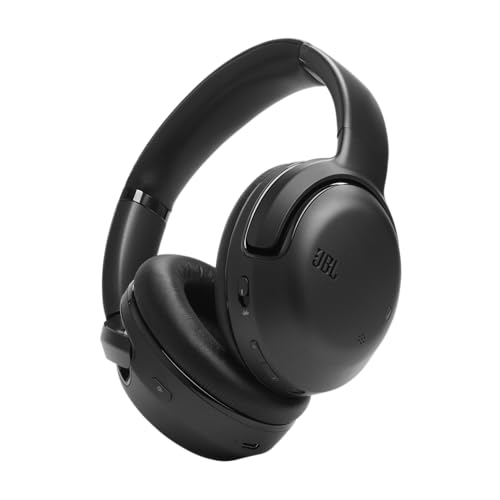
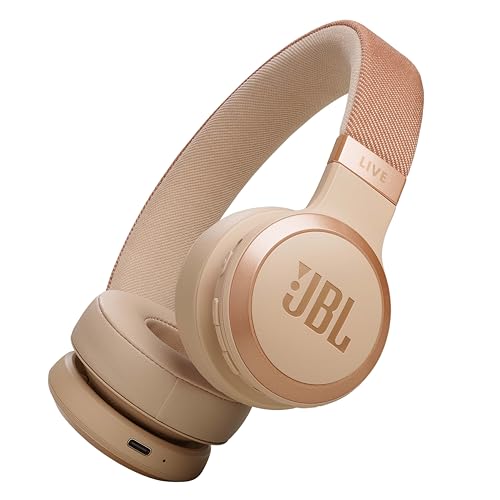
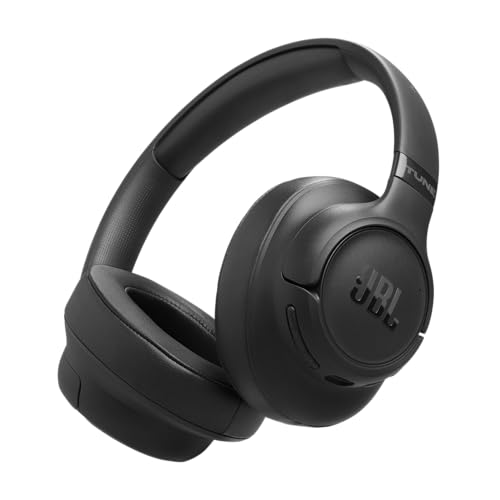
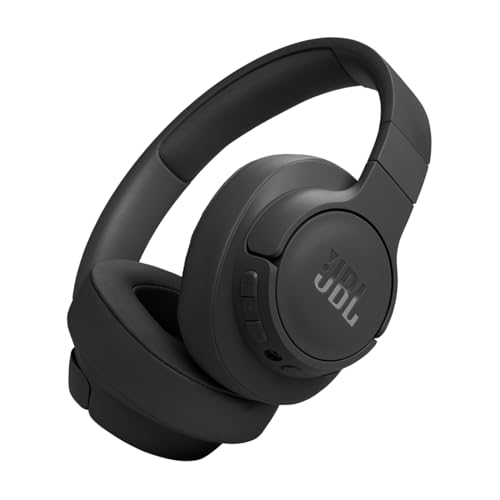
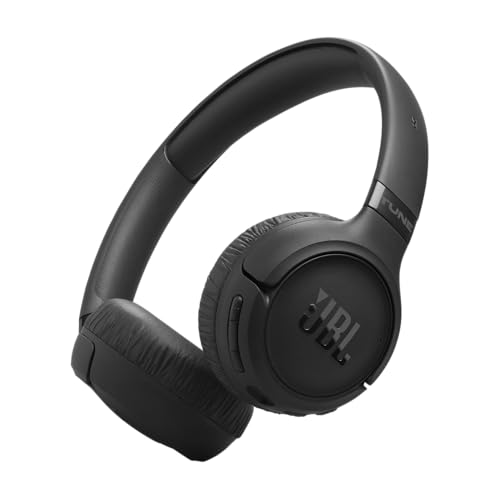
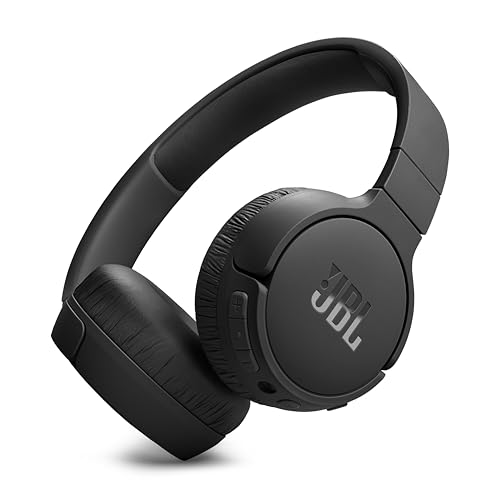
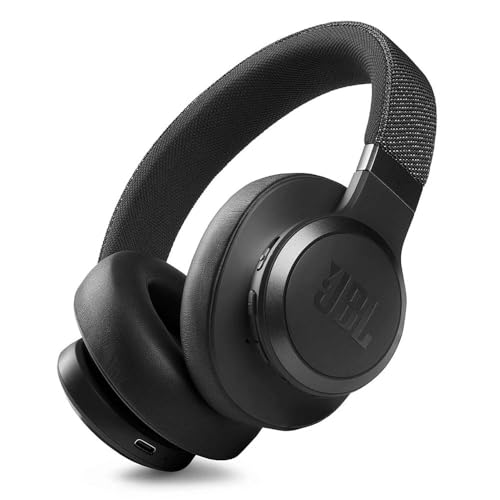
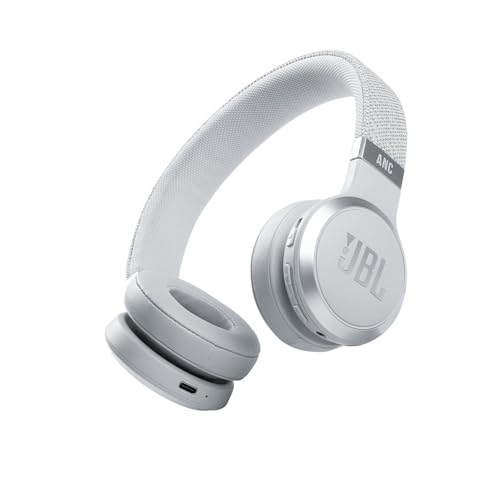
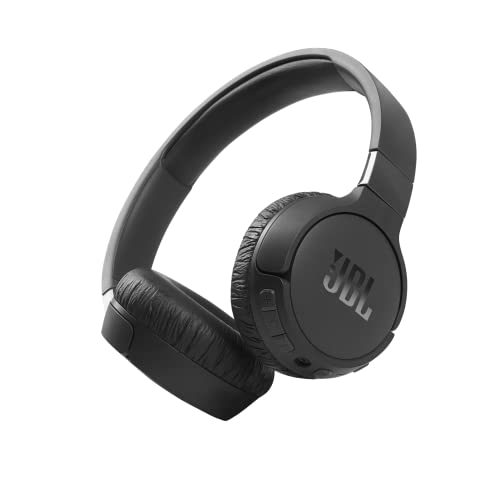
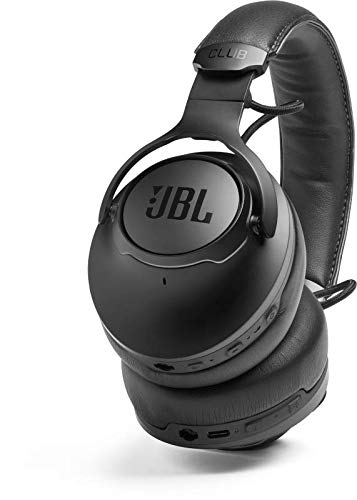
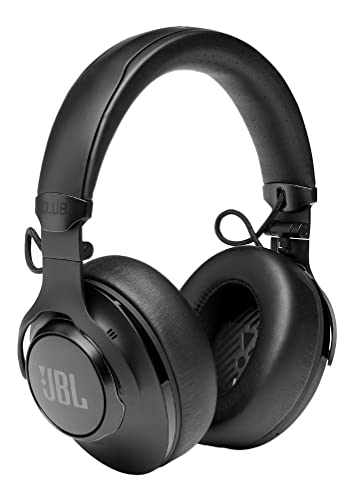
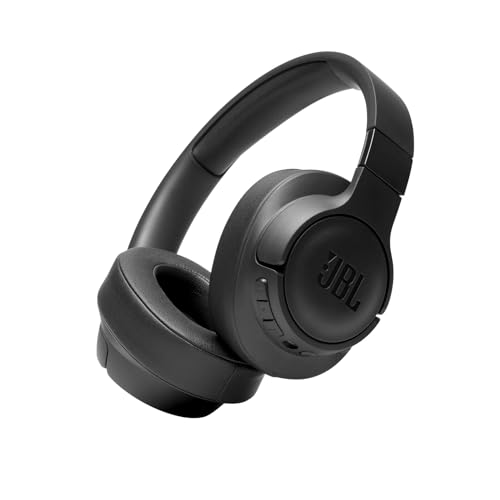
Are JBL headphones good?
JBL headphones have an average overall score of 8.2, ranking #2 among all headphone brands, and a user rating of 9.1, placing them at #9 based on user reviews.
JBL's biggest strength is range. The brand covers cheap wired basics, low-cost Bluetooth on-ear models, midrange over-ear ANC sets, kids models, and a few more premium travel headphones, so buyers can stay inside one brand without being pushed straight into high-end pricing.
The tradeoff is that JBL is not as uniformly premium as the strongest specialist rivals. A large part of the catalog skips ANC, USB-C, or app support, some older wired and legacy models remain in the broader lineup, and performance can vary more from family to family than it does with narrower premium brands.
JBL headphones make the most sense for buyers who want practical everyday features, strong value in the 30-£170 range, and enough lineup variety to match different use cases without overpaying for flagship branding.
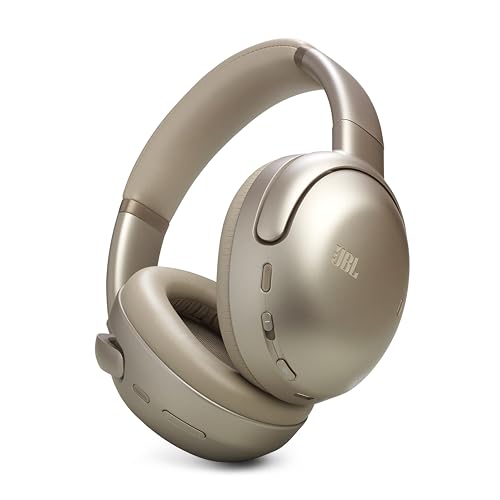
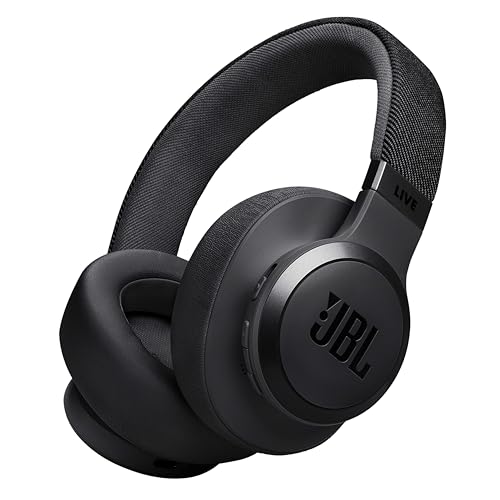
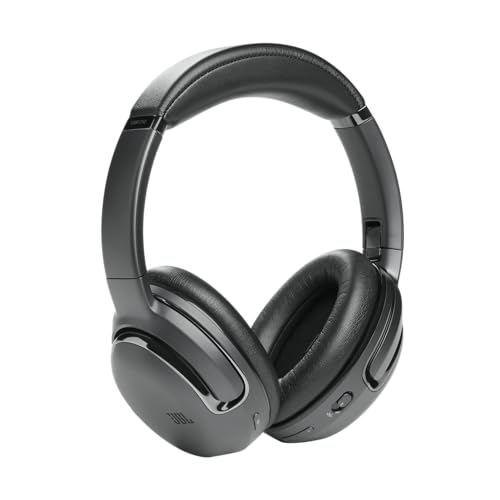
The best JBL headphones are as follows:
- JBL Tour One M3 (Overall score: 9.04)
- JBL Tour One (Overall score: 8.74)
- JBL Tour One M2 (Overall score: 8.7)
The chart below ranks headphone brands by average overall score and shows where JBL stands.
[horizontal-chart-07651949361052647855064281883428571797840542035701]
What are the main advantages of JBL headphones?
The main advantages of JBL headphones are as follows.
- Very broad consumer lineup: JBL covers earbuds, over-ears, sport-oriented products, and mainstream daily-use headphones better than many narrower brands.
- Fun and accessible tuning: The brand usually aims for lively bass and easy casual listening, which works well for pop, gym use, and everyday media.
- Strong battery focus: Battery life is a practical advantage across many JBL wireless products, especially in mainstream Bluetooth use.
- Useful everyday portability: The range includes many compact and foldable products that fit commuting, student use, and casual daily carry well.
- Good step-up coverage: Buyers can stay within JBL from simple entry models to stronger ANC branches without leaving the brand entirely.
What are the main disadvantages of JBL headphones?
The main disadvantages of JBL headphones are as follows.
- Very broad consumer lineup: JBL covers earbuds, over-ears, sport-oriented products, and mainstream daily-use headphones better than many narrower brands.
- Fun and accessible tuning: The brand usually aims for lively bass and easy casual listening, which works well for pop, gym use, and everyday media.
- Strong battery focus: Battery life is a practical advantage across many JBL wireless products, especially in mainstream Bluetooth use.
- Useful everyday portability: The range includes many compact and foldable products that fit commuting, student use, and casual daily carry well.
- Good step-up coverage: Buyers can stay within JBL from simple entry models to stronger ANC branches without leaving the brand entirely.
Who makes JBL headphones?
JBL headphones are made by JBL, an American audio brand originally founded by James Bullough Lansing. Today JBL operates as part of Harman, which in turn sits under Samsung's broader ownership, so the brand combines long audio heritage with the scale of a major global electronics group.
That background helps explain why JBL's headphone range is so broad. The company is not positioned only as a luxury travel-audio specialist. Instead, it plays across entry-level consumer gear, wireless everyday headphones, kids products, sports-oriented products, and more premium ANC models.
In market terms, JBL sits closer to mainstream value and mass-market audio than to niche audiophile branding. Buyers usually come to JBL for recognizable audio branding, accessible pricing, and wide product choice rather than for a single ultra-premium flagship identity.
What are the main JBL headphone series?
The main JBL headphone series are as follows.
- Tune: Tune is JBL's core mainstream family and the clearest place to start for buyers who want low-cost wireless headphones, affordable ANC variants, or simple everyday Bluetooth value.
- Live: Live sits above Tune as a more feature-conscious consumer line, usually with better travel focus, stronger battery positioning, and more ANC-oriented models.
- Tour: Tour is one of JBL's more premium travel branches. This is the family to check first if you want stronger flagship-style over-ear features and a more upscale full-size design.
- Club: Club is JBL's more style-conscious upper-midrange branch, aimed at buyers who want heavier feature sets, larger over-ear models, and a step up from entry-level pricing.
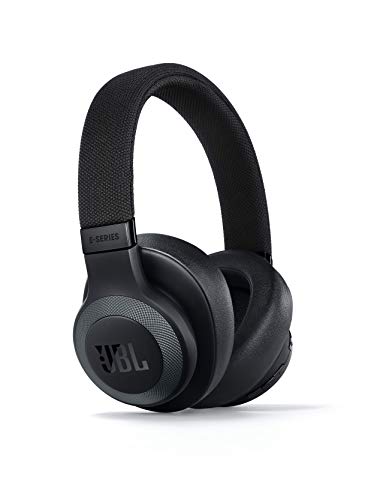
- Everest: Everest is an older premium-leaning family that still matters in the broader JBL lineup history, especially for wireless on-ear and over-ear models from earlier generations.
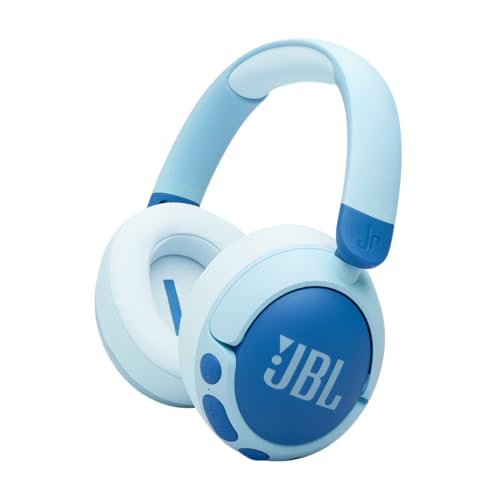
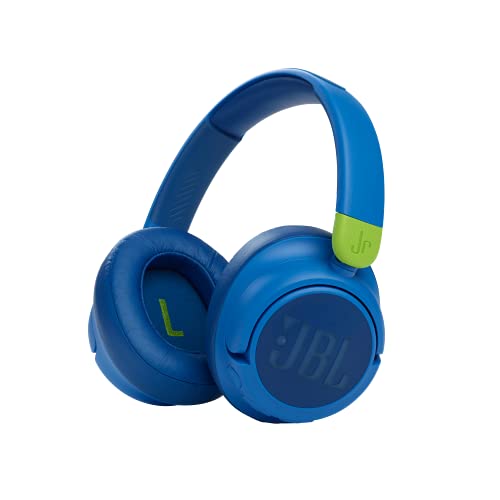
- Junior or JR: These are JBL's kids-focused lines, built for younger users who need smaller sizing, simpler controls, and lower-risk everyday prices.
- Synchros, Duet, and Free: These are smaller legacy branches that show up in older JBL ranges and help explain why the brand's catalog can feel wider and more fragmented than newer single-family lineups.
How much do JBL headphones cost?
JBL headphones usually cost about 10-£700, but most of the realistic buying choice sits far below the top end. The brand is strongest from about £30 to £170, where it offers cheap wired models, budget Bluetooth on-ear sets, and a wide middle band of wireless or ANC over-ear headphones.
Price differences inside JBL mostly follow form factor and features rather than status alone. On-ear models often stay around the lower middle of the range, over-ear ANC models move higher, and a few premium Tour, Club, or legacy flagship products push toward £260 and above.
For most buyers, the value sweet spot is the middle rather than the extremes. The very cheapest JBL headphones are usually basic wired or simpler portable models, while the most expensive outliers make sense mainly if you specifically want larger over-ear comfort, ANC, or one of the brand's rarer premium branches.
This chart visualizes JBL headphone prices.
[vertical-chart-15988975039128540376144575815665247030530266338411]
How do JBL headphones compare with Sony headphones?
JBL headphones usually compare with Sony headphones as the more budget-friendly and broader mainstream-value lineup, while Sony reaches further into premium travel and flagship territory. JBL's average price level is much lower, it has a dense cluster of options between roughly £30 and £170, and it is especially strong for buyers who want everyday Bluetooth features without paying for a top-tier brand premium.
Sony is usually the stronger choice if you want the highest-end over-ear ANC branch, a deeper premium lineup, or more willingness to pay for flagship refinement. JBL usually makes more sense if price discipline matters more, if you want a cheaper on-ear or midrange ANC option, or if you simply want more affordable variety across kids, wired, and casual wireless use cases.
What should you consider while choosing JBL headphones?
When you choose JBL headphones, you should focus on the following key aspects:
- Product family: Start with the series or branch that fits your use. JBL covers everyday earbuds, travel over-ears, youth-oriented models, and sport-friendly branches, so the family split usually matters more than the brand name by itself. Buyers should narrow by use case first, not by one universal JBL sound idea.
- Tuning style: Think about the sound you actually want, not just the brand name. JBL often aims for lively bass and easy casual listening rather than strict neutrality. That works well for mainstream music and gym use, but listeners who want flatter mids or calmer treble should match the line carefully.
- ANC quality: If you travel or work in noisy places, put ANC near the top of your list. ANC varies widely across the JBL range. The stronger travel models are much more serious commute products, while lower tiers can feel more like feature-rich casual headphones with lighter isolation.
- Battery life: Check the real battery figure for your kind of use, not just the best-case claim. Bluetooth endurance is one of JBL's practical strengths, with many wireless products landing comfortably in all-day territory. Still, case size, fast charging, and the drop in runtime with ANC turned on deserve a direct check.
- Portability: Foldability, ear-cup size, and earbud seal differ a lot inside the range, so portability should be checked almost as closely as features. Some JBL products are built for bags and commute, while others are more about relaxed indoor use.