
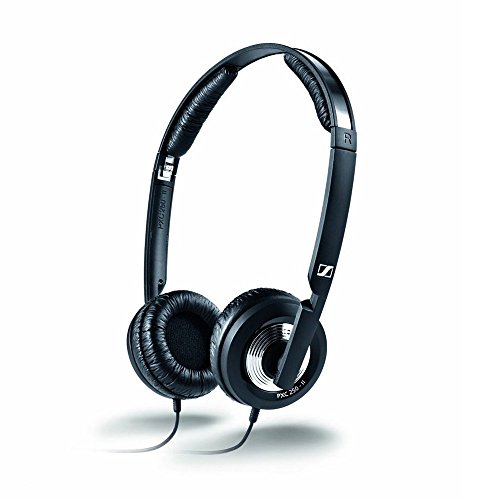
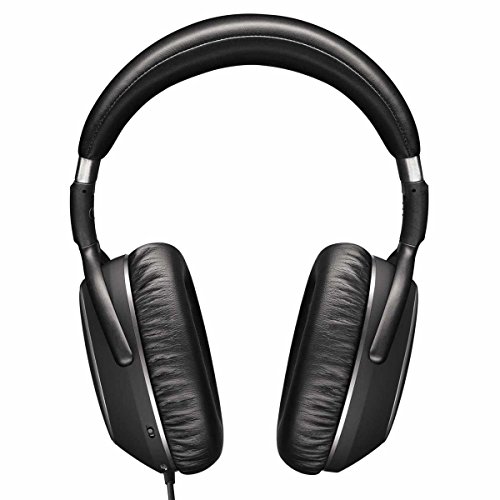
Are Sennheiser headphones good?
Sennheiser headphones have an average overall score of 8.1, ranking #4 among all headphone brands, and a user rating of 8.9, placing them at #19 based on user reviews.
Sennheiser's biggest strength is breadth with real depth behind it. The brand covers cheap wired earphones, travel-friendly wireless ANC models, studio-oriented options, classic audiophile over-ear designs, and premium in-ear products, so buyers can stay within one brand across very different listening goals.
The tradeoff is that Sennheiser is not a simple one-style brand. A large part of the catalog is still wired, premium models can become expensive very quickly, and the features buyers expect from mainstream travel headphones such as app support, USB-C, or spatial-audio-style extras are concentrated in a smaller part of the range instead of appearing everywhere.
Sennheiser headphones make the most sense for buyers who care about sound quality, lineup depth, and having both consumer and enthusiast options under one brand rather than only a narrow lifestyle or ANC-first identity.
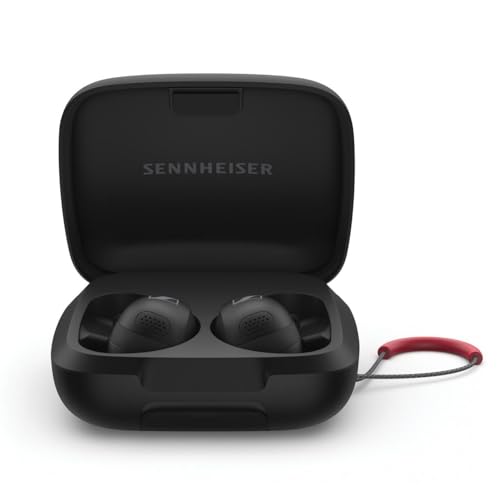
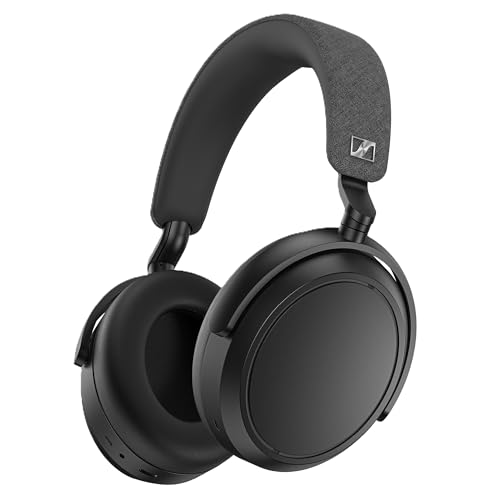
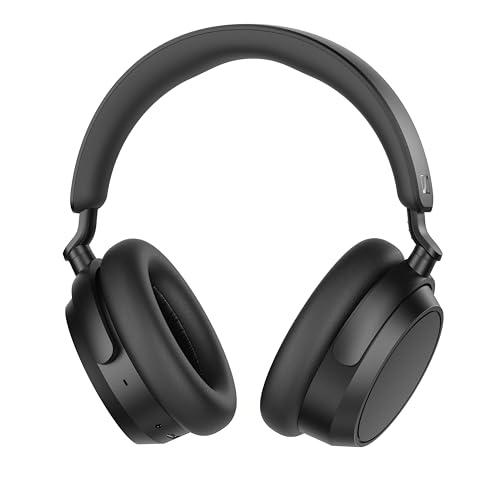
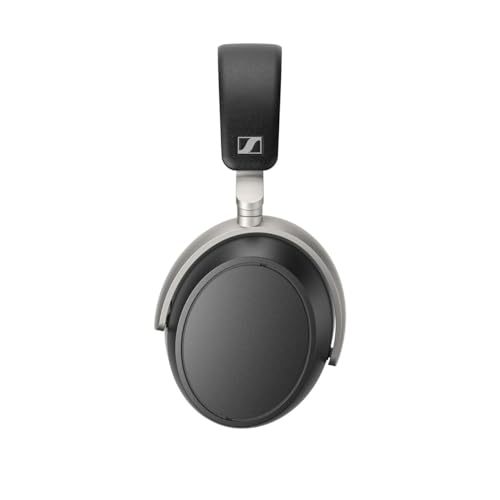
The best Sennheiser headphones are as follows:
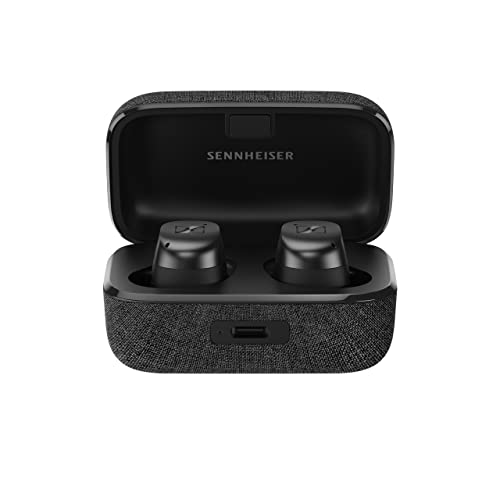
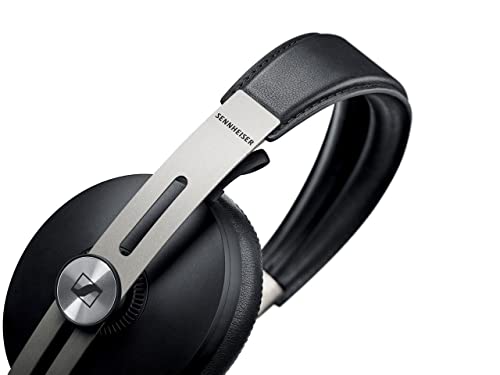
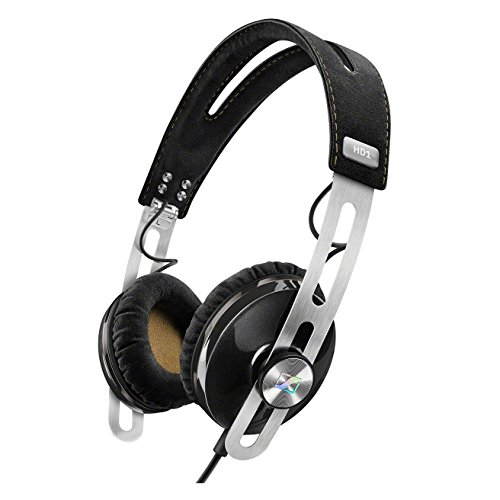
- Sennheiser Momentum (Overall score: 8.7)
- Sennheiser Hdb 630 (Overall score: 8.3)
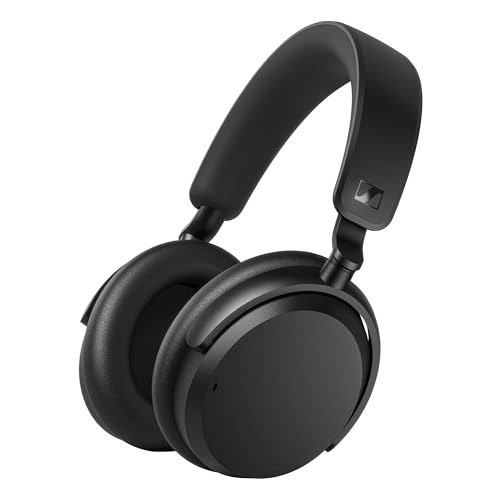
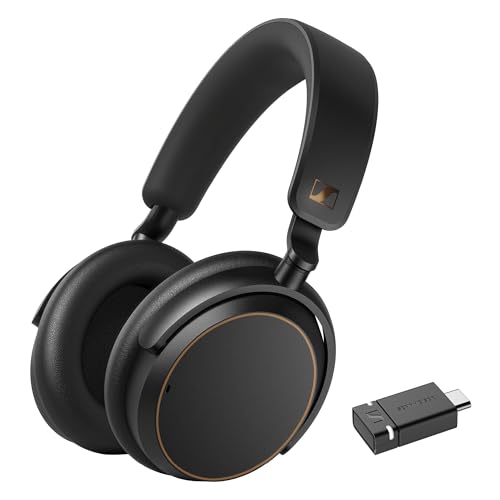
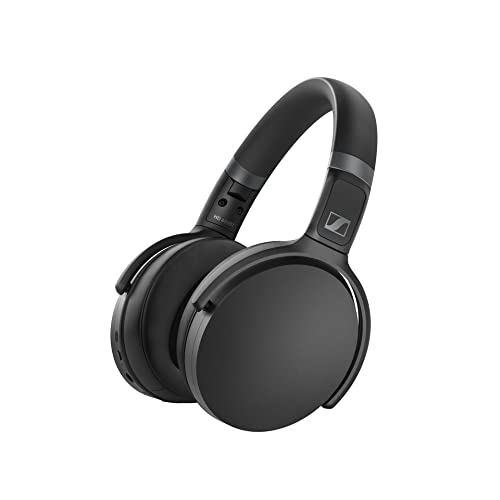
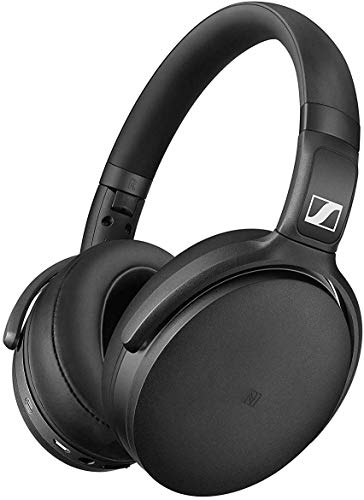
- Sennheiser Accentum Plus Wireless (Overall score: 8.3)
The chart below ranks headphone brands by average overall score and shows where Sennheiser stands.
[horizontal-chart-07651949361052647855064281883428571797840542035701]
What are the main advantages of Sennheiser headphones?
The main advantages of Sennheiser headphones are as follows.
- Strong wired and wireless breadth: Sennheiser is one of the more complete brands across travel wireless, wired enthusiast listening, studio-related use, and mainstream earbuds.
- Real home-audio depth: The brand has meaningful open-back and closed-back lines, which gives it much more credibility in serious listening than earbud-focused consumer rivals.
- Balanced sound reputation: Sennheiser often appeals to buyers who want a more refined and controlled presentation than bass-heavy mainstream alternatives.
- Useful premium travel branch: The wireless ANC side gives the brand relevance beyond home listening, especially for buyers who want one name that spans both worlds.
- Good upgrade ladder: You can move from simpler daily-use headphones into much stronger enthusiast branches without leaving the brand family entirely.

What are the main disadvantages of Sennheiser headphones?
The main disadvantages of Sennheiser headphones are as follows.
- Strong wired and wireless breadth: Sennheiser is one of the more complete brands across travel wireless, wired enthusiast listening, studio-related use, and mainstream earbuds.
- Real home-audio depth: The brand has meaningful open-back and closed-back lines, which gives it much more credibility in serious listening than earbud-focused consumer rivals.
- Balanced sound reputation: Sennheiser often appeals to buyers who want a more refined and controlled presentation than bass-heavy mainstream alternatives.
- Useful premium travel branch: The wireless ANC side gives the brand relevance beyond home listening, especially for buyers who want one name that spans both worlds.
- Good upgrade ladder: You can move from simpler daily-use headphones into much stronger enthusiast branches without leaving the brand family entirely.

Who makes Sennheiser headphones?
Sennheiser headphones are made by Sennheiser, the German audio company founded in 1945 and long associated with microphones, professional audio gear, and headphones across both consumer and specialist markets. That history is a large part of why the brand's headphone lineup is so broad.
Sennheiser is not positioned only as a fashion or travel-audio label. The company operates across consumer Bluetooth headphones, wired everyday products, studio-oriented tools, and enthusiast listening models, which gives the brand a different market profile from narrower ANC-first rivals.
In market terms, Sennheiser sits at the intersection of mainstream audio and enthusiast audio. Buyers often come to the brand for sound credibility, model depth, and long-running product families rather than for a single ultra-simplified lifestyle identity.
What are the main Sennheiser headphone series?
The main Sennheiser headphone series are as follows.
- HD: HD is Sennheiser's biggest over-ear family and includes everything from simple everyday wired models to more serious enthusiast and studio-oriented headphones.
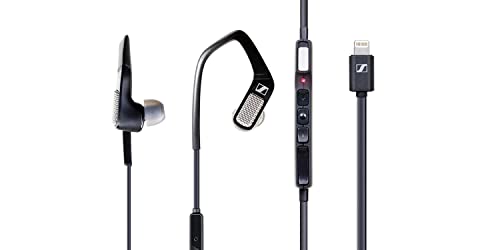
- IE: IE is the premium in-ear branch. This is the family to check first if you want higher-end Sennheiser earphones rather than full-size headphones.
- Momentum: Momentum is one of the main premium consumer families, covering wireless and style-conscious models with stronger everyday mainstream appeal.
- Accentum: Accentum is Sennheiser's newer consumer wireless value branch, aimed at buyers who want modern Bluetooth and ANC convenience without jumping straight into the brand's top premium tier.
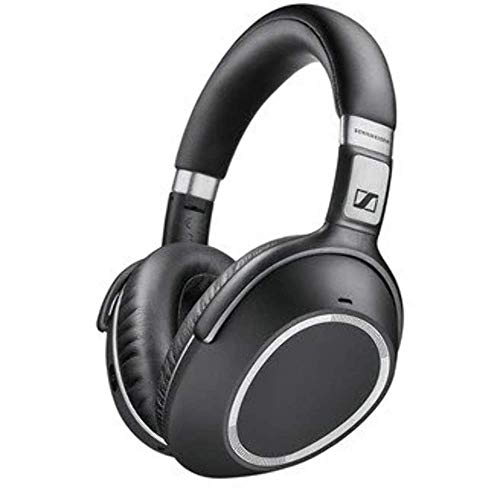
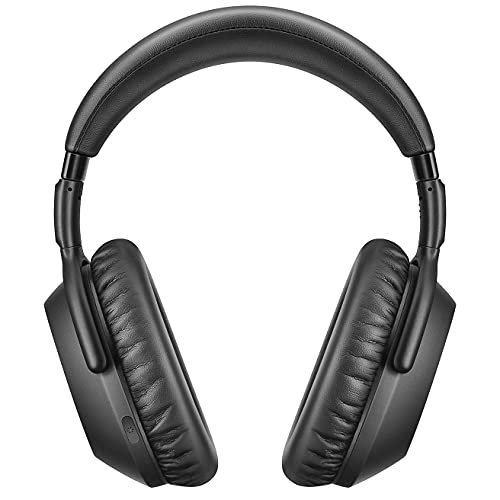
- PXC: PXC is the travel-oriented ANC line and the clearest legacy branch for buyers who want wireless commuting or flight-friendly isolation.
- CX and PX: CX usually covers more accessible in-ear products, while PX has been used for portable on-ear and compact travel styles across earlier generations.
- Other long-running branches: Lines such as RS and a few specialist studio or DJ names help explain why Sennheiser's catalog feels deeper and more fragmented than the range of a typical lifestyle brand.
How much do Sennheiser headphones cost?
Sennheiser headphones can cost anywhere from about £9 to far beyond mainstream premium territory, but most realistic buying choices sit much lower than the most extreme outliers. For most buyers, the practical Sennheiser range is roughly 50-£430, with a very dense middle band around 100-£260 covering consumer wireless models, classic wired over-ears, and many of the brand's strongest value points.
Pricing inside Sennheiser follows use case more than simple brand prestige. Cheap wired earphones and entry wired headphones sit at the bottom, wireless ANC and better consumer Bluetooth models fill the middle, and enthusiast over-ear or premium in-ear products push well beyond that.
The best value for most buyers is in the middle rather than at the edges. Very cheap Sennheiser products are often older wired basics, while the most expensive halo models are specialist products that should not be treated as the normal cost of choosing the brand.
This chart visualizes Sennheiser headphone prices.
[vertical-chart-00467200674680110893039798652792907121421797780760]
How do Sennheiser headphones compare with Bose headphones?
Sennheiser headphones usually compare with Bose headphones as the broader and more technically varied lineup, while Bose is the more focused premium travel-and-comfort brand. Sennheiser spans cheap wired earphones, wired over-ear classics, wireless ANC models, and enthusiast products, whereas Bose is far narrower and more concentrated around premium consumer convenience.
Bose is usually the simpler choice if you mainly want polished mainstream ANC headphones or a compact shortlist of comfort-led travel models. Sennheiser usually makes more sense if you want more form-factor variety, more wired options, more enthusiast depth, or a wider price ladder that stretches from low-cost basics into premium audiophile territory.
What should you consider while choosing Sennheiser headphones?
When you choose Sennheiser headphones, you should focus on the following key aspects:
- Product family: Start with the series or branch that fits your use. Sennheiser covers travel wireless headphones, wired enthusiast models, studio-related lines, and mainstream earbuds, so the series name usually reveals the intended job faster than the brand alone. Buyers should separate home-audio lines from commute lines immediately.
- Acoustic design: Check whether you need open-back or closed-back design. Open-back and closed-back branches behave very differently in Sennheiser, which makes leakage and room use a major filter rather than a minor preference. Open designs give width and air, while closed ones are much easier to use around other people.
- Connection role: Check how the headphones connect before you compare anything else. Sennheiser has real depth in both wired and wireless use, so buyers should decide early whether the headphone will live from an amp or DAC, from Bluetooth, or from both. That decision shapes the shortlist more than a small difference in driver spec.
- ANC or call quality: On the travel side, ANC quality and microphone behavior matter a lot, while on the wired home side they may matter almost not at all. The category mix is wide enough that these are effectively different product worlds.
- Sound profile: Think about the sound you actually want, not just the brand name. Sennheiser often aims for a balanced and refined presentation, but the families are not identical. Some branches are more relaxed and spacious, while others are more direct or more studio-oriented, so model family matters a lot.