
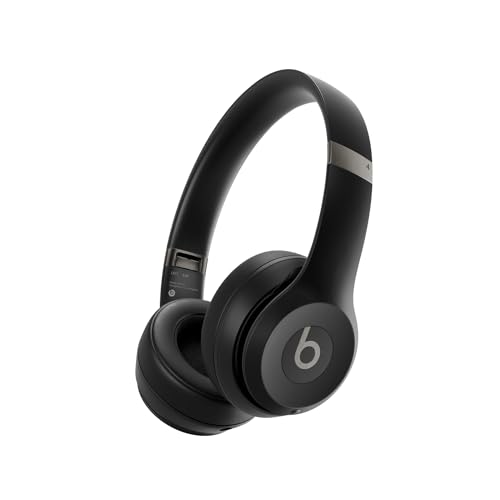
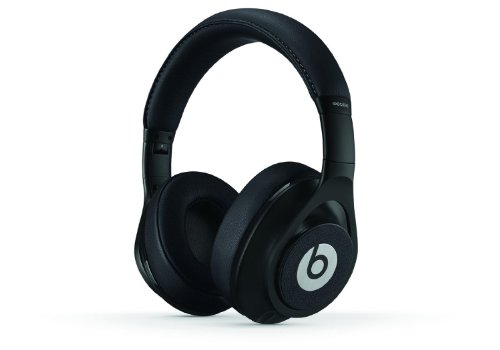
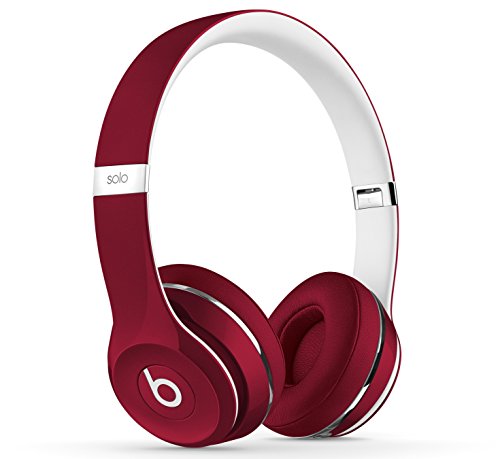
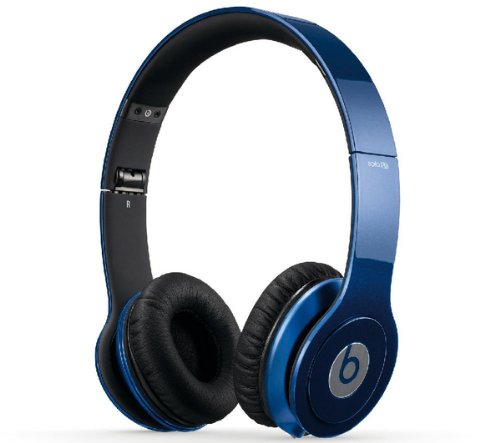
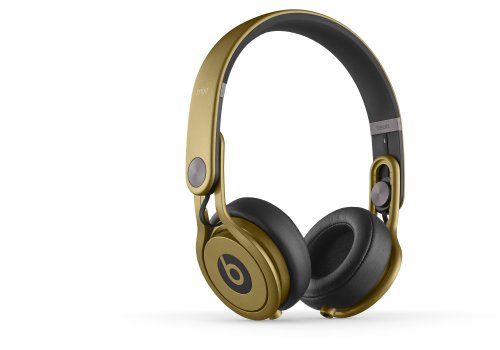
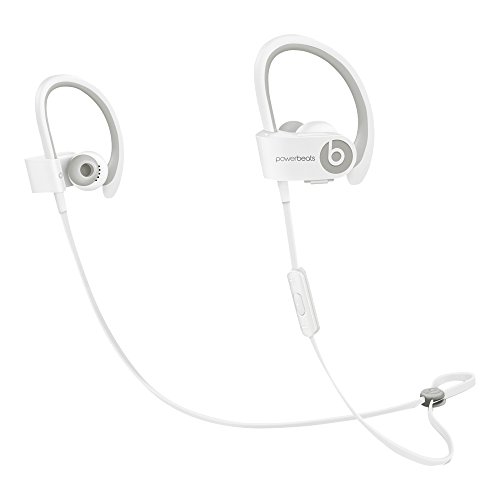
Are Beats headphones good?
Beats headphones have an average overall score of 6.9, ranking #15 among all headphone brands, and a user rating of 9.2, placing them at #5 based on user reviews.
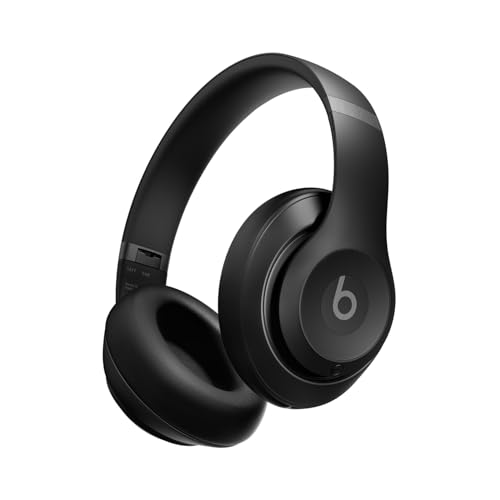
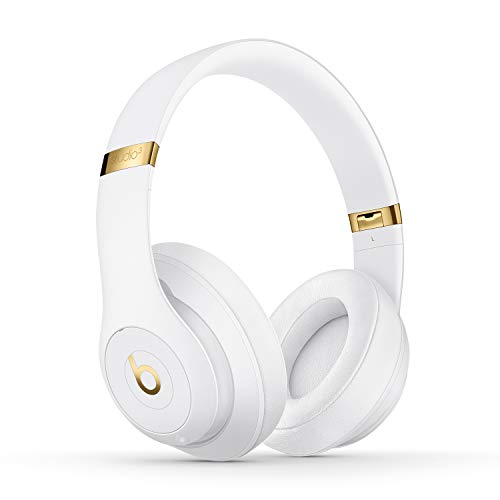
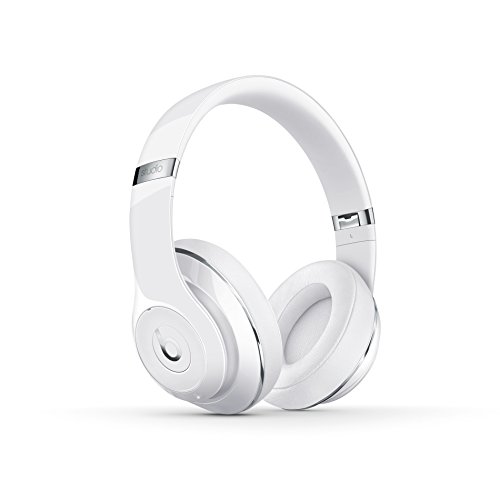
Beats headphones stand out for recognizable design, easy pairing, and a lineup that covers on-ear Solo models, over-ear Studio models, and workout-oriented Powerbeats earbuds. Newer wireless models also push battery life well beyond older Beats generations, with practical figures ranging from roughly low-20-hour ANC models to about 40-50-hour non-ANC designs.
The main tradeoff is that Beats is not the most neutral or value-maximized choice for every buyer. The brand still leans toward a bass-forward sound, several older models remain expensive for their age, and only a small part of the range adds workout-friendly water resistance or newer USB-C charging.
Beats headphones make the most sense for buyers who care more about everyday convenience, stronger visual identity, and energetic sound than about strict studio neutrality or the absolute best feature-per-euro value.
The best Beats headphones are as follows:
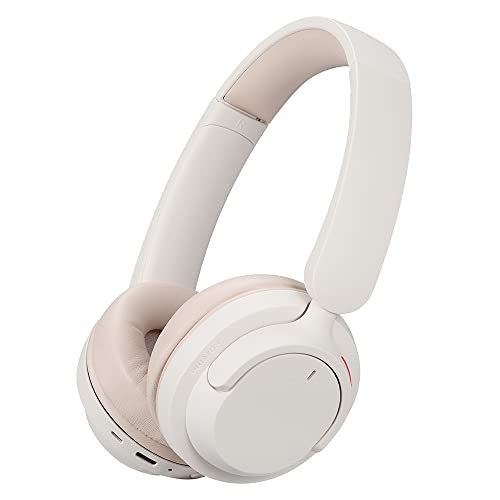
- Crossbeats Roar 2 0 (Overall score: 7.88)
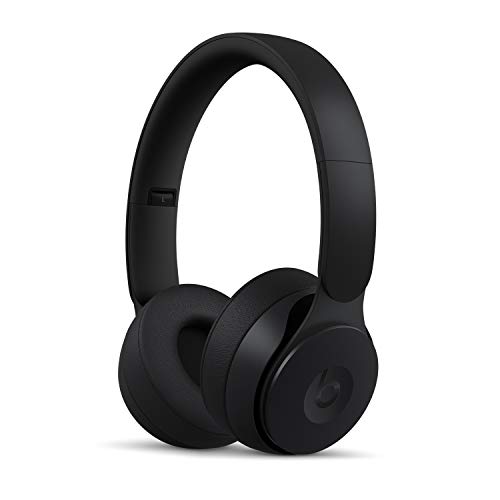
- Beats Solo Pro (Overall score: 7.83)
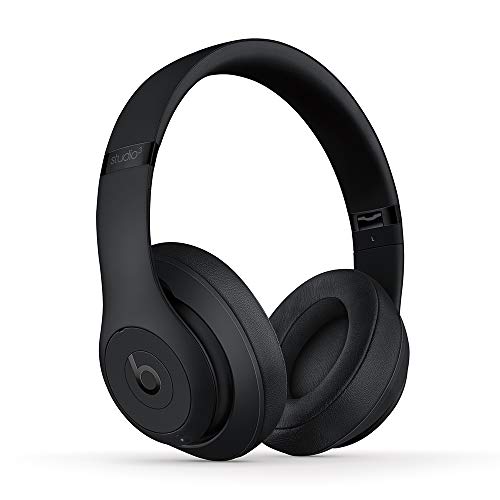
- Beats Studio3 Wireless Acw Edition (Overall score: 7.81)
The chart below ranks headphone brands by average overall score and shows where Beats stands.
[horizontal-chart-07651949361052647855064281883428571797840542035701]
What are the main advantages of Beats headphones?
The main advantages of Beats headphones are as follows.
- Strong Apple compatibility: Beats benefits heavily from Apple pairing, quick switching, and broader mobile integration, which makes it attractive for iPhone-centered use.
- Energetic mainstream tuning: The brand usually offers a more lively and immediate sound than flatter studio headphones, which many casual listeners prefer.
- Good portable variety: Beats has been relevant across earbuds, on-ear, and over-ear wireless formats, giving buyers more than one everyday carry style.
- Solid battery focus: The better wireless Beats models are usually easy to live with in daily use thanks to dependable battery life and quick charging.
- Style-led mainstream appeal: Compared with purely technical audio brands, Beats is often easier to recommend to buyers who want recognizable design and simple mobile use.

What are the main disadvantages of Beats headphones?
The main disadvantages of Beats headphones are as follows.
- Strong Apple compatibility: Beats benefits heavily from Apple pairing, quick switching, and broader mobile integration, which makes it attractive for iPhone-centered use.
- Energetic mainstream tuning: The brand usually offers a more lively and immediate sound than flatter studio headphones, which many casual listeners prefer.
- Good portable variety: Beats has been relevant across earbuds, on-ear, and over-ear wireless formats, giving buyers more than one everyday carry style.
- Solid battery focus: The better wireless Beats models are usually easy to live with in daily use thanks to dependable battery life and quick charging.
- Style-led mainstream appeal: Compared with purely technical audio brands, Beats is often easier to recommend to buyers who want recognizable design and simple mobile use.

Who makes Beats headphones?
Beats headphones are made by Beats Electronics, an American audio brand founded in 2006 by Dr. Dre and Jimmy Iovine in California. Apple acquired Beats in 2014, so the brand now sits inside Apple's broader hardware ecosystem even though it still keeps its own consumer-facing identity.
That ownership history explains a lot of the current product strategy. Beats started as a style-forward audio brand built around mainstream appeal and bass-heavy consumer tuning, then shifted further toward Apple-friendly wireless convenience, custom chips, and easier cross-device use after the acquisition.
In market terms, Beats is positioned between pure lifestyle branding and mainstream premium headphones. The company competes less like a studio-audio specialist and more like a broad consumer brand that mixes design, mobility, gym use, and simple phone integration across several price tiers.
What are the main Beats headphone series?
The main Beats headphone series are as follows.
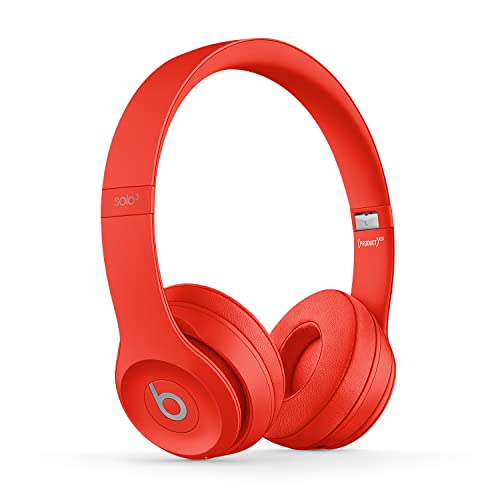
- Solo: Solo is Beats's main on-ear family. It is the clearest branch for buyers who want everyday portable headphones, long battery life on newer wireless versions, and the most recognizable mainstream Beats look.
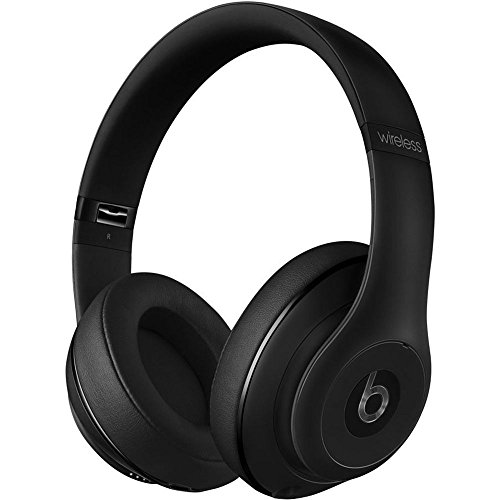
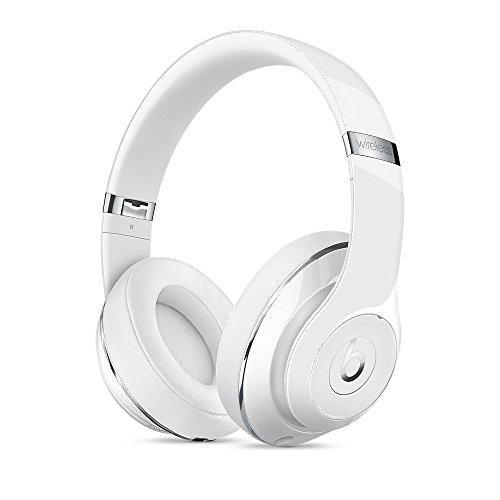
- Studio: Studio is the core over-ear line. This is where Beats focuses more heavily on ANC, larger earcups, and the brand's more premium travel-friendly full-size models.
- Powerbeats: Powerbeats is the sport-focused in-ear branch. It is the best fit for buyers who want secure hooks, workout use, and the clearest sweat-ready part of the Beats lineup.
- Tour or urBeats: These families cover simpler in-ear and wired earphone-style models. They matter more for lower-cost or older-school cable-first buyers than for the premium wireless lane.
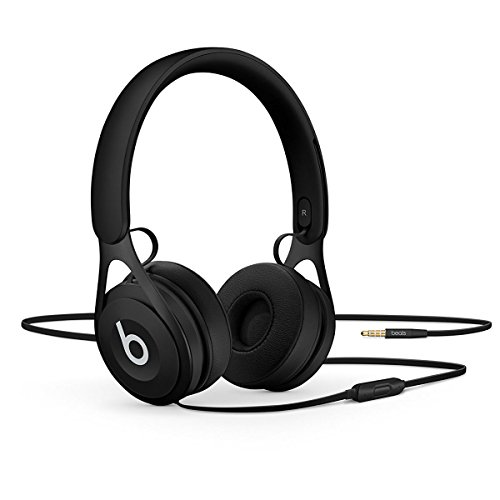
- EP, Pro, Mixr, and Executive: These are smaller or older side branches that still show up in the broader Beats history, usually as wired or more niche models rather than the brand's main current identity.
How much do Beats headphones cost?
The best Beats headphones usually cost about 50-£340, with most of the realistic buying choice sitting around 150-£260. The cheapest Beats options are mostly older wired or older on-ear models below £90, mainstream Solo and Powerbeats-style options tend to live around 150-£220, and premium over-ear Studio or legacy flagship models push toward 300-£340.
Price differences in Beats mostly follow form factor, wireless hardware, and how modern the feature set is. Over-ear Beats are the most expensive because ANC, larger batteries, and the brand's more premium travel-friendly tuning usually sit there, while wired earphones and simpler on-ear models stay lower unless they are older high-end releases.
For most buyers, the value sweet spot is in the middle rather than at the extremes. Very cheap Beats are usually older or simpler models, while the top-end prices only make sense if you specifically want premium over-ear comfort, ANC, or the newest Apple-era convenience features.
This chart visualizes Beats headphone prices.
[vertical-chart-16176561305573856071132649516456922200093303640007]
How do Beats headphones compare with Apple headphones?
Beats headphones usually compare with Apple headphones as the broader and more style-diverse lineup, while Apple stays much narrower and more ecosystem-pure. Beats gives you in-ear, on-ear, and over-ear choices from about £45 to £340, plus a clearer workout-oriented branch through Powerbeats, whereas Apple's slice here runs from simple wired EarPods-style products up to the premium AirPods Max with much less middle-ground variety.
The main buying difference is tuning and use case. Beats usually makes more sense if you want stronger bass, more visible design identity, or a wider spread of legacy wired and wireless models, while Apple is usually the cleaner choice if you want the simplest iPhone-centric experience and are happy with a far smaller, more tightly controlled headphone lineup.
What should you consider while choosing Beats headphones?
When you choose Beats headphones, you should focus on the following key aspects:
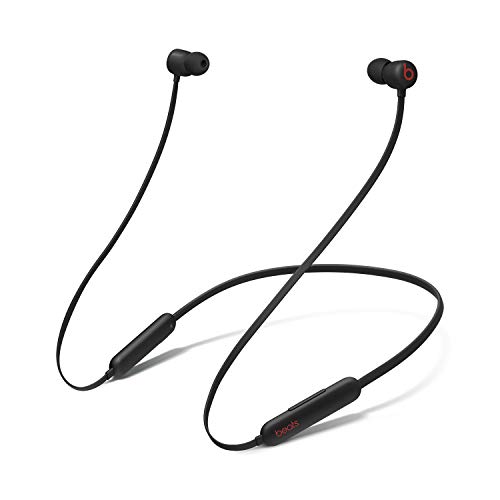
- Form factor: Start by choosing the shape that fits how you will use the headphones. Beats spans over-ear, on-ear, older neckband-style products, and true wireless earbuds, so comfort and isolation vary more than the logo suggests. The right branch depends heavily on whether you want compact carry or a larger headband fit.
- Apple integration: Beats benefits a lot from Apple pairing behavior and quick device switching, which can make the brand more attractive than its raw spec sheet suggests for iPhone-heavy users. Outside that ecosystem, part of the practical edge disappears.
- ANC support: If you travel or work in noisy places, put ANC near the top of your list. ANC and transparency are concentrated in the stronger modern wireless branches rather than spread evenly across the whole brand. If isolation matters, buyers should target the premium lines directly instead of assuming it is a standard Beats feature.
- Battery life: Check the real battery figure for your kind of use, not just the best-case claim. The better wireless Beats products usually offer dependable all-day battery behavior, but the exact figures vary a lot between earbuds and larger over-ear designs. Charging speed and real ANC runtime matter more than the headline number alone.
- Tuning style: Think about the sound you actually want, not just the brand name. Beats usually aims for energetic mainstream tuning with more weight and immediacy than flatter studio brands. That can be very enjoyable for pop and workouts, but it is less suitable if you want a more neutral or analytical presentation.