
Which brands make the best USB-C headphones?
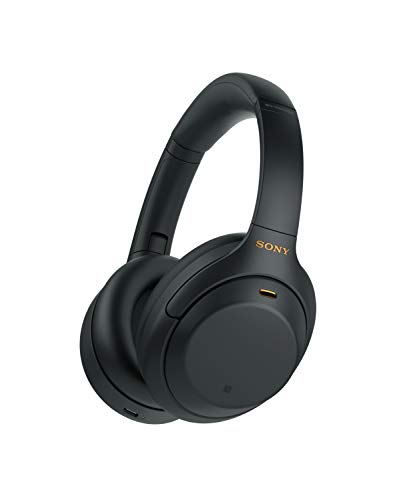
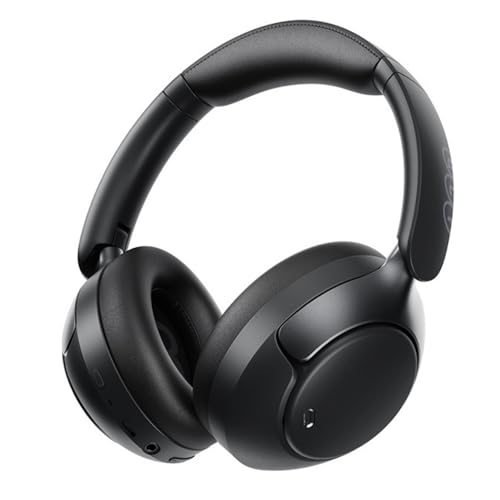
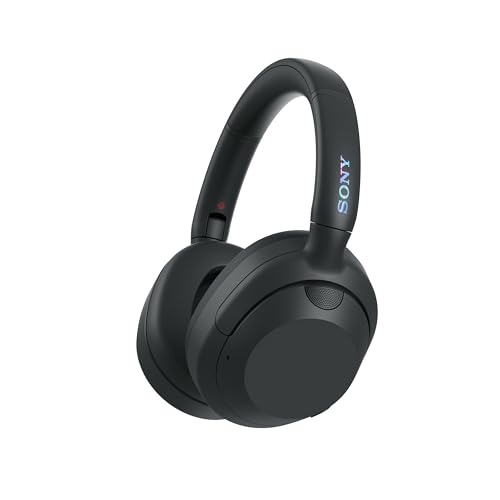
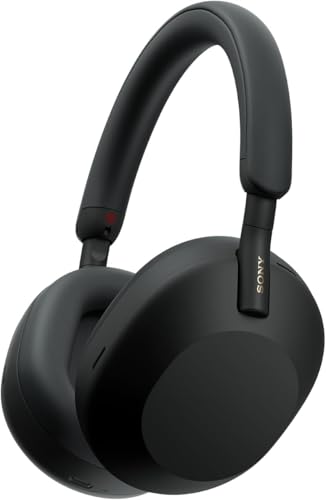
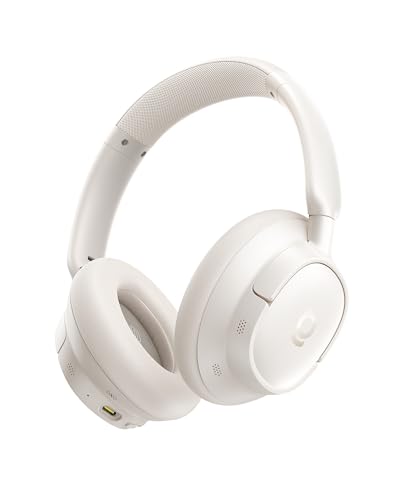
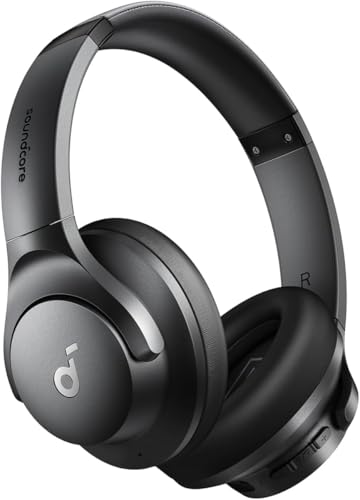
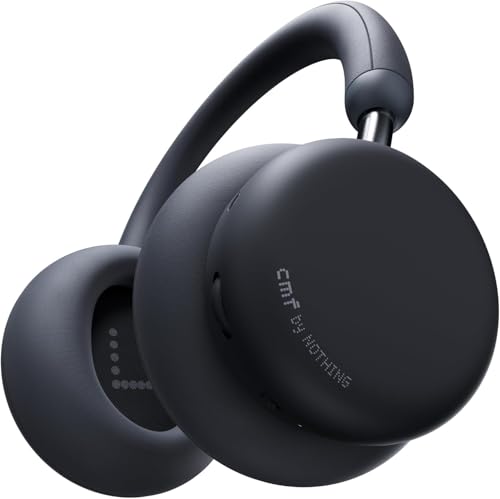
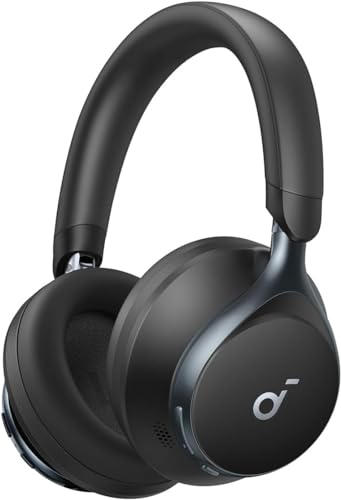
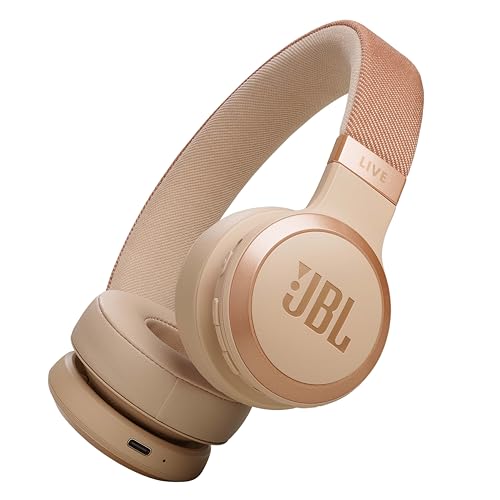
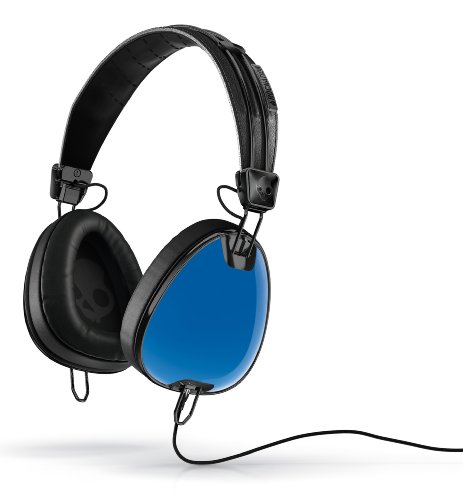
The best USB-C headphone brands are as follows:
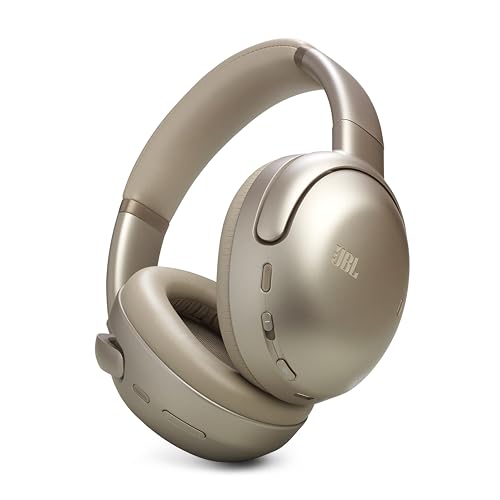
- JBL (Average overall score: 8.2)
- Anker (Average overall score: 8.2)
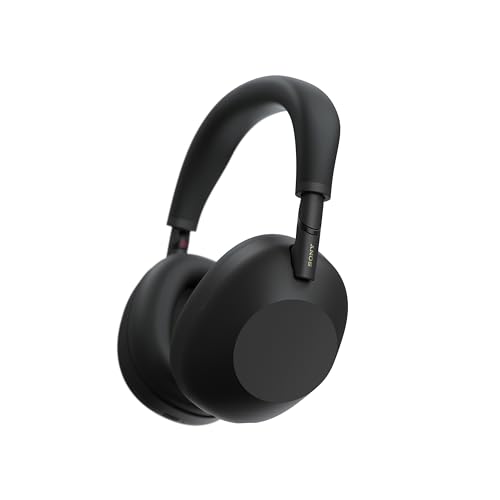
- Sony (Average overall score: 8.2)
The chart below ranks USB-C headphone brands by average overall score.
[horizontal-chart-17749054110741492411043253454859749741420060042650]
Which USB-C headphone brands have the highest average user ratings?
The USB-C headphone brands with the highest average user ratings are as follows.
- Marshall (Average user rating: 9.4 points)
- JBL (Average user rating: 9.4 points)
- Bose (Average user rating: 9.3 points)
The chart below ranks USB-C headphone brands by average user rating.
[horizontal-chart-01266062458505534716089939545257370492520062002977]


What are USB-C headphones?
USB-C headphones are headphones that use a USB-C connection either for direct audio, charging, or both.
The main reason USB-C headphones matter is that many phones, tablets, and laptops now rely on USB-C as their everyday physical connector. That makes USB-C useful not only for charging wireless headphones, but also for wired listening on devices that no longer include a traditional headphone jack.
USB-C headphones can therefore mean more than one thing. Some are purely wired digital headphones with a USB-C plug, while many others are wireless models that use USB-C for charging and may also support wired listening through the same modern-device ecosystem.
What makes USB-C headphones compatible with your devices?
USB-C headphones are compatible with your devices when the device supports the way those headphones actually use the USB-C connection.
- Audio mode: Some USB-C headphones need the device to send digital audio over USB-C, so the port alone is not enough if the device does not support audio output properly.
- Charging versus listening: Many modern USB-C headphones only use USB-C for charging, which means compatibility for power does not automatically mean they are wired-audio headphones.
- Operating-system support: Phones, tablets, laptops, and consoles can differ in how cleanly they handle USB-C audio devices, microphones, controls, or DAC behavior.
- Wired versus wireless use: A wireless USB-C model may still work fine with almost any device over Bluetooth even if its USB-C port is not meant for direct wired listening.
- Adapter expectations: Some buyers assume every USB-C port replaces a 3.5 mm jack directly, but real compatibility depends on whether the headphone and the device expect the same signal path.
How much do the best USB-C headphones cost?
The best USB-C headphones usually cost about 20-£260, with a lot of the strongest buying choices sitting around 30-£160.
That middle range covers much of the practical market, from low-cost USB-C-capable options up to mainstream over-ear wireless models that charge by USB-C and often add ANC, app support, or wired backup use. USB-C itself does not automatically make a headphone expensive, but the feature set around it often pushes products beyond the very bottom of the market.
Very cheap USB-C headphones can still be useful, especially when you only need simple portable listening or basic modern-device compatibility. Higher prices usually reflect better comfort, stronger ANC, broader wireless features, and more refined overall performance rather than the connector alone.
This chart visualizes USB-C headphone prices.
[vertical-chart-02614552674028897842005948389973689218123952835707]
How good is audio quality on USB-C headphones?
Audio quality on USB-C headphones ranges from basic to very good, because the connector itself does not determine sound quality on its own.
The bigger factors are driver tuning, digital processing, DAC implementation when relevant, and the overall quality level of the headphone around the USB-C connection. A cheap USB-C model can still sound ordinary, while a stronger over-ear USB-C-capable model can offer much better balance, detail, and isolation.
USB-C can still help in practical terms by giving a cleaner modern-device path than weak legacy dongles or by supporting digital audio without relying on an old headphone jack. Even so, buyers should judge sound quality mainly by the headphone itself, not by the connector label.
When are USB-C headphones better than using an adapter?
USB-C headphones are better than using an adapter when you want a cleaner, simpler, and more dependable modern-device setup.
They make the most sense if your phone, tablet, or laptop already centers on USB-C and you would rather avoid carrying a separate dongle, risking adapter loss, or adding another failure point to everyday use. A direct USB-C path can also help with neater travel, work, and commuting setups.
An adapter can still be the better choice if you already own headphones you really like and only need occasional compatibility with a USB-C device. USB-C headphones become the stronger option when modern-device convenience matters often enough that the dedicated connection is worth building around.