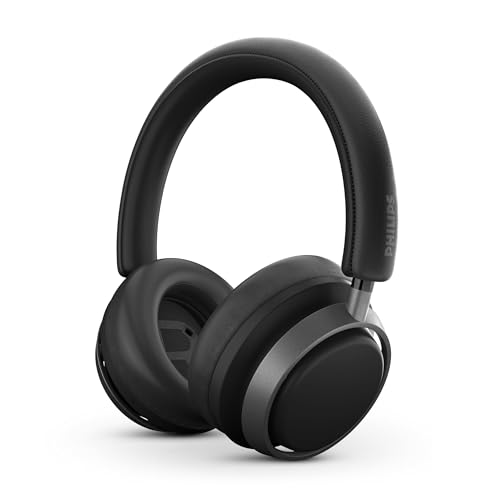

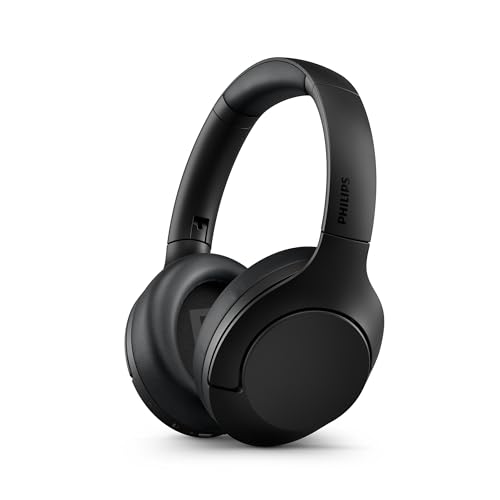
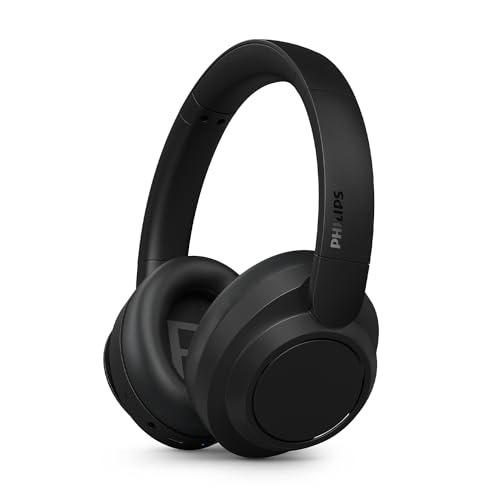
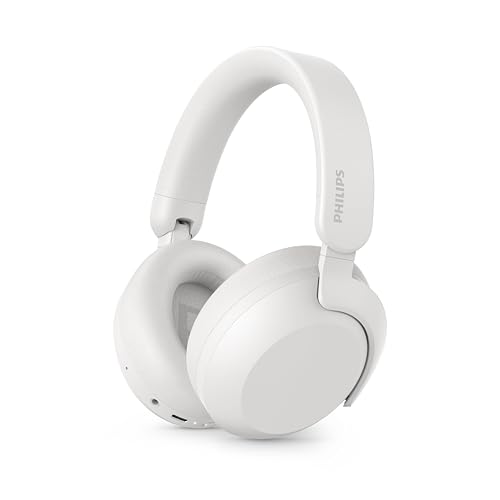
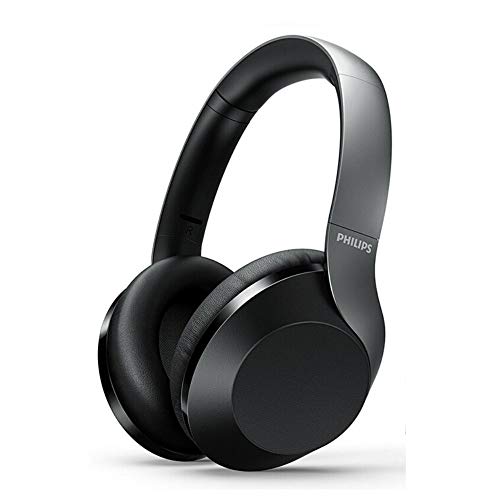

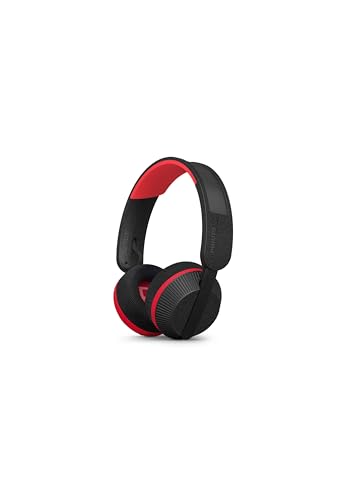
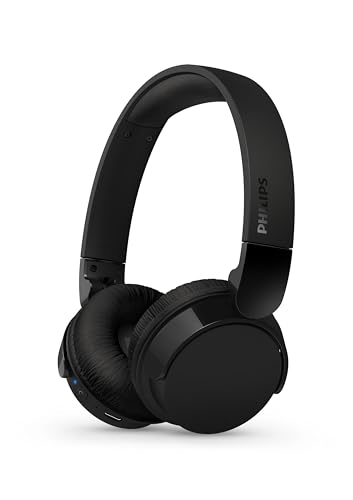
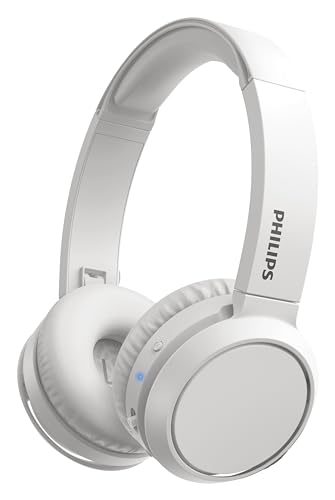
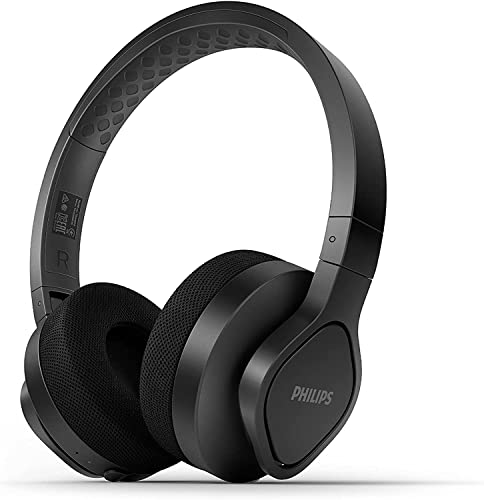
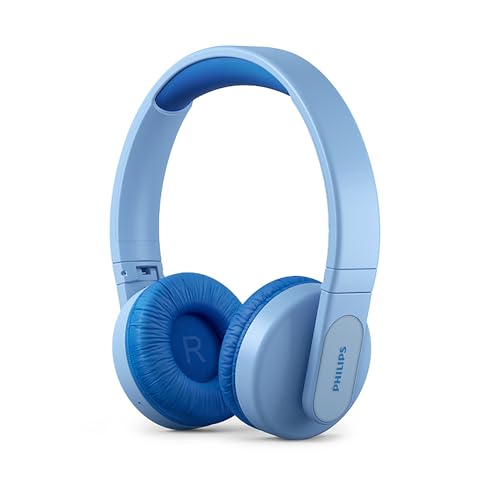
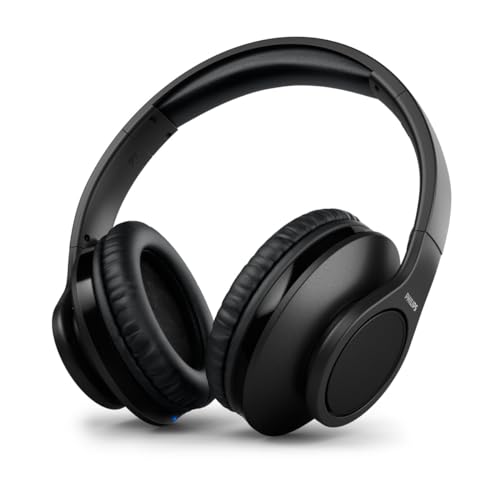
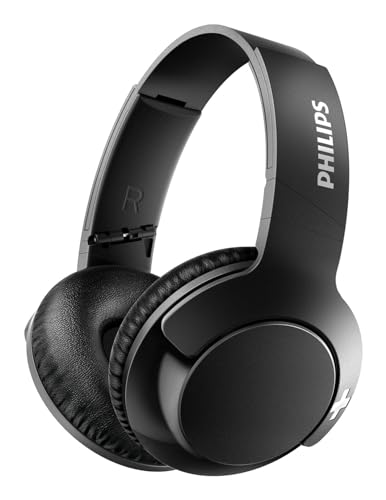
Are Philips headphones good?
Philips headphones have an average overall score of 6.8, ranking #16 among all headphone brands, and a user rating of 8.8, placing them at #23 based on user reviews.
Philips's main strengths in this category are range breadth, low-price accessibility, and a lineup that stretches from basic wired and portable models into ANC, sports, kids, and a more serious Fidelio listening branch.
The main tradeoff is that the brand is uneven across tiers. Across the lineup, Philips is very strong on variety and affordability, but much of it sits in the lower price bands, so the average model is not positioned as a premium flagship product.
Philips headphones make the most sense for buyers who want a broad mainstream brand with plenty of lower-cost choice and a few stronger higher-tier standouts rather than a lineup that is premium-focused from top to bottom.
The chart below ranks headphone brands by average overall score and shows where Philips stands.
[horizontal-chart-07651949361052647855064281883428571797840542035701]
What are the main advantages of Philips headphones?
The main advantages of Philips headphones are as follows.
- Broad practical range: Philips covers wired earbuds, over-ear Bluetooth models, TV-friendly listening, and some more serious home-audio branches, which gives the brand wide everyday relevance.
- Useful home-listening options: Compared with earbud-only brands, Philips still gives buyers a real path into larger over-ear listening for TV, desk, and home use.
- Multiple connection styles: The lineup includes simple wired products as well as Bluetooth and home-use wireless options, so buyers can choose convenience level more freely.
- Comfort variety: Because the brand spans in-ear, on-ear, and over-ear forms, it can fit buyers who care more about physical comfort than about one specific feature set.
- Accessible everyday tuning: Philips often stays easy to live with for casual listening rather than chasing a very sharp, analytical, or overly stylized sound signature.
What are the main disadvantages of Philips headphones?
The main disadvantages of Philips headphones are as follows.
- Broad practical range: Philips covers wired earbuds, over-ear Bluetooth models, TV-friendly listening, and some more serious home-audio branches, which gives the brand wide everyday relevance.
- Useful home-listening options: Compared with earbud-only brands, Philips still gives buyers a real path into larger over-ear listening for TV, desk, and home use.
- Multiple connection styles: The lineup includes simple wired products as well as Bluetooth and home-use wireless options, so buyers can choose convenience level more freely.
- Comfort variety: Because the brand spans in-ear, on-ear, and over-ear forms, it can fit buyers who care more about physical comfort than about one specific feature set.
- Accessible everyday tuning: Philips often stays easy to live with for casual listening rather than chasing a very sharp, analytical, or overly stylized sound signature.

Who makes Philips headphones?
Philips makes Philips headphones.
In practice, Philips is a large mainstream electronics brand rather than a pure specialist audio label, and that is reflected in the current Headphones slice. The live range is broad, practical, and price-diverse, with both entry-level models and a smaller higher-end listening branch.
What are the main Philips headphone series?
The main Philips headphone series are as follows.
- Fidelio: Fidelio is the clearest higher-tier listening branch and the best place to start for Philips's more premium over-ear identity. It matters most when buyers want the part of the brand that feels more serious and less purely budget-driven.
- Bass: Bass models target buyers who want a more energetic mainstream sound profile rather than a flatter tuning style. This is one of the clearest consumer-tuning branches in the wider Philips family.
- ActionFit: ActionFit is the sport branch, relevant for exercise and movement-friendly everyday use. It matters because it gives Philips a more obvious training and activity lane than many broad electronics brands maintain.
- CitiScape: CitiScape is the more lifestyle-oriented side line, aimed at buyers who want design-led portable listening instead of only low-cost functionality.
- TAH, SHP, and SHB: These families cover a broad mainstream spread across wired, wireless, over-ear, and more affordable consumer models. They do a lot of the work of making Philips feel broad, practical, and price-diverse rather than tightly focused.
- TAK and K: These are the kids-oriented lines. They matter because they show how Philips reaches into family use more deliberately than many rival brands that only treat kids audio as an afterthought.
How much do Philips headphones cost?
Philips headphones usually cost about 10-£260, with a very large share of the current range sitting below £90 and a smaller upper layer stretching into the 100-£170 and 200-£260 bands.
That makes Philips one of the broader mainstream value brands in the category. The low end is especially dense, while the upper end is narrower and represented more by stronger Fidelio and better-equipped wireless or ANC models than by a huge flagship tier.
How do Philips headphones compare with Sony headphones?
Philips headphones usually compete with Sony by offering a broader low-cost and mainstream-value spread, while Sony models more often lead on premium wireless depth, flagship ANC, and stronger top-end consistency.
Sony is generally the stronger benchmark if you want a lineup that stays more convincing at the upper end of the market. Philips is usually the better fit if you want more cheap and mid-range choice, or if you like the idea of a big mainstream brand that still keeps a few stronger listening-oriented options through lines like Fidelio.
What should you consider while choosing Philips headphones?
When you choose Philips headphones, you should focus on the following key aspects:
- Product family: Start with the series or branch that fits your use. Philips covers basic wired earbuds, TV-friendly wireless models, travel headphones, and some broader home-listening designs. The catalog makes much more sense once you decide whether the job is TV, commuting, phone listening, or simple wired everyday use.
- Connection method: Check how the headphones connect before you compare anything else. Wired, Bluetooth, RF-style home listening, and TV-oriented solutions all appear under Philips. That means the connection standard is often the first real technical filter, especially for buyers who need range, lip-sync reliability, or zero-pairing simplicity.
- Comfort: If you will wear the headphones for hours, put comfort high on your list. Over-ear, on-ear, and in-ear Philips models behave very differently in heat, clamp, and seal. Because the brand spans so many forms, comfort can matter more than a small feature difference between neighboring models.
- ANC support: If you travel or work in noisy places, put ANC near the top of your list. Noise cancellation is present only in selected wireless models and is not a universal Philips strength. Buyers who need strong travel isolation should verify the exact ANC tier instead of assuming it carries across the whole line.
- Sound tuning: Think about the sound you actually want, not just the brand name. Philips tuning ranges from simple mainstream voicing to more refined home-listening profiles. It is usually better to match the family to the job than to assume the brand has one fixed sound signature.