
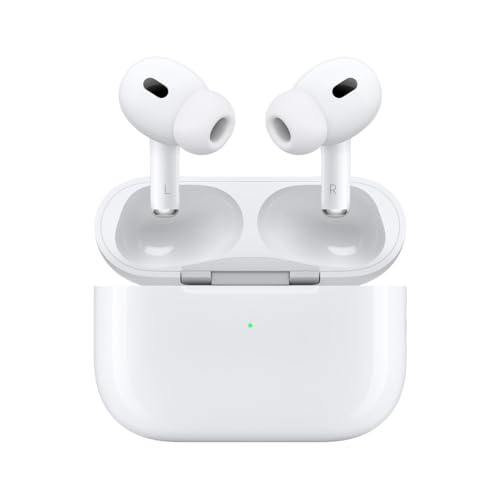
Are Apple headphones good?
Apple headphones are usually positioned as ecosystem-led everyday headphones rather than as a broad all-category audio lineup.
The limitation is variety. Apple does not offer a deep ladder across budgets and form factors, so buyers who want many different over-ear, wired, gaming, sport, or value-first options will find larger audio brands easier to shop.
In practical terms, Apple makes the most sense for buyers who care more about ecosystem convenience and brand familiarity than about comparing a long shortlist. The brand is strongest when easy pairing, simple switching, and polished day-to-day use matter more than broad internal choice.
What are the main advantages of Apple headphones?
The main advantages of Apple headphones are as follows.
- Excellent ecosystem integration: Apple is one of the strongest brands for fast pairing, device switching, battery-status visibility, and broader day-to-day integration across iPhone, iPad, and Mac.
- Strong ANC and transparency at the top: The premium wireless branch delivers some of the category's better noise cancellation and ambient-mode behavior for everyday commuting and office use.
- Very good call behavior: Microphone quality and voice handling are usually reliable strengths, especially for buyers who use the headphones heavily for calls across Apple devices.
- Clean user experience: Apple tends to reduce setup friction, firmware confusion, and control complexity more effectively than many feature-heavy rivals.
- Useful spatial-audio features: Head tracking and Apple-specific media integration give the better models a distinct advantage for users already inside that content ecosystem.

What are the main disadvantages of Apple headphones?
The main disadvantages of Apple headphones are as follows.
- Excellent ecosystem integration: Apple is one of the strongest brands for fast pairing, device switching, battery-status visibility, and broader day-to-day integration across iPhone, iPad, and Mac.
- Strong ANC and transparency at the top: The premium wireless branch delivers some of the category's better noise cancellation and ambient-mode behavior for everyday commuting and office use.
- Very good call behavior: Microphone quality and voice handling are usually reliable strengths, especially for buyers who use the headphones heavily for calls across Apple devices.
- Clean user experience: Apple tends to reduce setup friction, firmware confusion, and control complexity more effectively than many feature-heavy rivals.
- Useful spatial-audio features: Head tracking and Apple-specific media integration give the better models a distinct advantage for users already inside that content ecosystem.

Who makes Apple headphones?
Apple headphones are made by Apple, the consumer technology company best known for the iPhone, iPad, Mac, Apple Watch, and its wider device ecosystem. That background explains why the headphone range is designed around convenience, integration, and brand consistency rather than around serving every audio niche.
Apple's role in headphones is not to compete like a traditional full-range headphone specialist. The brand treats headphones more as an extension of its broader hardware ecosystem, which is why the lineup stays small and easy to position.
In practical buying terms, Apple sits in the ecosystem-premium lane. Buyers usually choose the brand for fit with Apple devices and straightforward mainstream use rather than for deep model variety or specialist audio credentials.
What are the main Apple headphone series?
The main Apple headphone series are as follows.
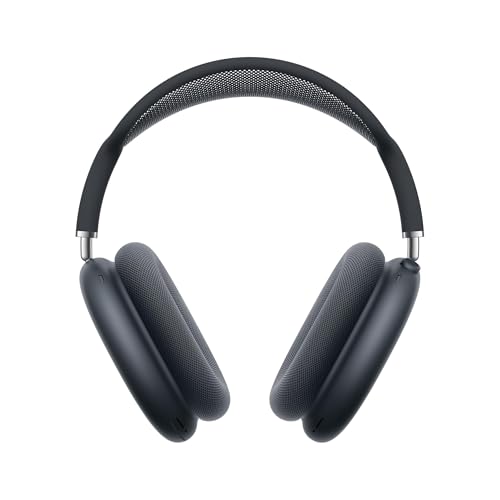
- AirPods Max: AirPods Max is Apple's premium over-ear flagship and the branch that carries the brand's strongest ANC and luxury-style headphone positioning.
- EarPods: EarPods is Apple's simple low-cost wired earbud line, aimed at buyers who want a familiar basic Apple listening option.
- Apple In-Ear: Apple In-Ear and Apple In-Ear Headphones cover the brand's more seal-based wired in-ear lane below the flagship tier.
- Related wired variants: A few near-duplicate simple wired entries also appear in the broader Apple slice, but they do not create a large independent family structure.
Apple's headphone catalog is much smaller than the series structure used by specialist brands. For most buyers, the real decision is simply whether they want the premium over-ear Apple route or one of the basic wired options.
How much do Apple headphones cost?
Apple headphones usually cost about 20-£410, but the range is split into two very different buying zones rather than building a normal midrange ladder. At the bottom, simple wired Apple headphones sit around 20-£70, while the premium AirPods Max flagship stands far above them at about £410.
Price differences inside Apple are driven by product type more than by gradual step-up tuning. The cheap wired models are basic everyday options, and the flagship over-ear branch is a premium ecosystem product with ANC and more luxury-style pricing.
For most buyers, Apple is not a brand where the best value sits neatly in the middle, because there is barely a middle to begin with. The practical choice is usually between paying very little for simple wired Apple familiarity or paying a lot for the single premium over-ear experience.
How do Apple headphones compare with Sony headphones?
Apple headphones usually compare with Sony headphones as the much narrower and more ecosystem-led lineup, while Sony is the broader headphone brand with far more choice across budgets, form factors, and feature levels. Apple is stronger only if staying inside the Apple device ecosystem matters more to you than having many headphone options.
Sony is usually the better choice if you want a deeper over-ear ANC ladder, more wired and wireless variety, more price steps between entry level and flagship models, or a broader audio-first identity. Apple usually makes more sense if you want a simpler brand decision and are specifically drawn to Apple's hardware integration rather than to a large specialist headphone catalog.
What should you consider while choosing Apple headphones?
When you choose Apple headphones, you should focus on the following key aspects:
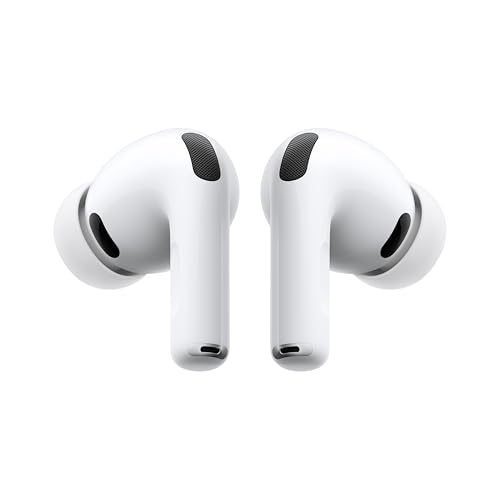
- Form factor: Start by choosing the shape that fits how you will use the headphones. Apple's headphone lane is small but split sharply between open-fit earbuds, simple wired EarPods-style listening, and the over-ear AirPods Max branch. That means comfort, seal, and isolation differ far more than the brand name suggests.
- Ecosystem features: Only pay for ecosystem features if you will actually use them. Fast pairing, device switching, battery-status visibility, and spatial-audio handling are some of the main technical reasons to buy Apple audio. If you do not use several Apple devices, a large part of the value proposition disappears.
- Noise control: If you travel or work in noisy places, put noise control near the top of your list. Strong ANC and transparency are concentrated in the premium wireless branch, while the simpler wired or open-fit products are much lighter convenience answers. Buyers who need serious isolation should move directly toward the ANC-capable models.
- Battery life: Check the real battery figure for your kind of use, not just the best-case claim. Apple's wireless products depend heavily on charging-case behavior or, in the over-ear case, a much shorter single-device endurance than some Sony competitors. Real battery routine matters here almost as much as the audio side.
- Cross-platform behavior: Check what you keep and what you lose if you use more than one platform. Apple audio still works outside the Apple ecosystem, but features such as seamless switching, certain controls, and some setup conveniences weaken. Android- or PC-first buyers should check what remains before paying for the badge.