
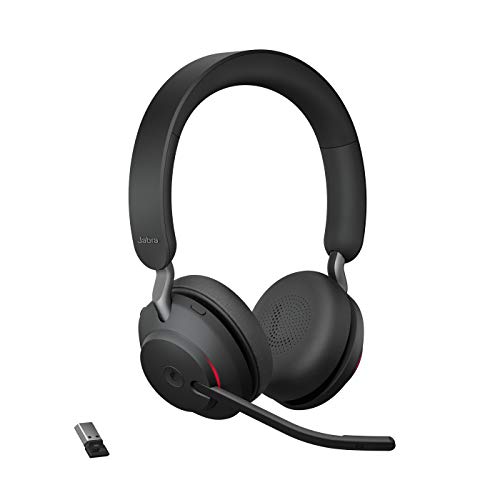
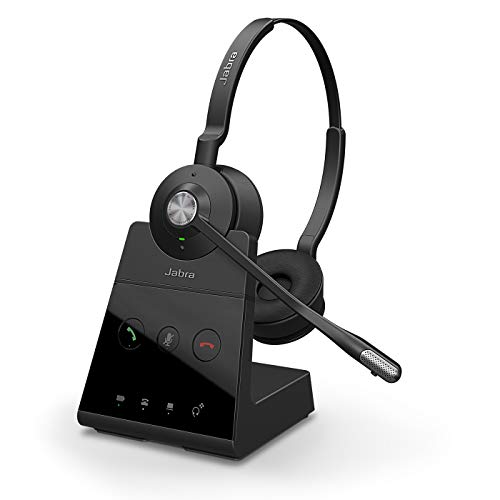
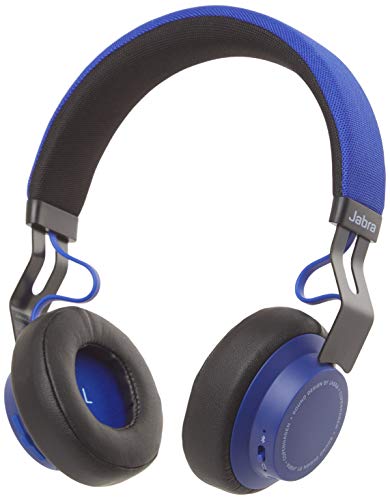
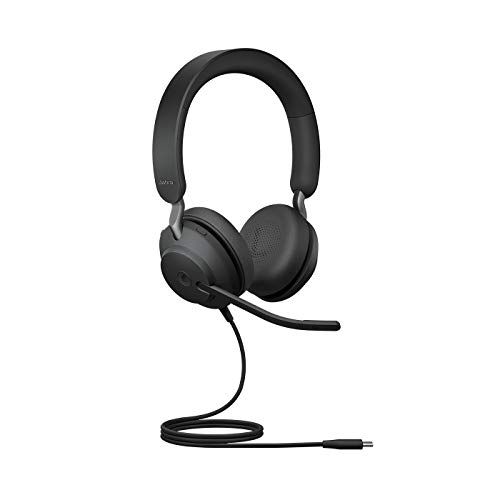
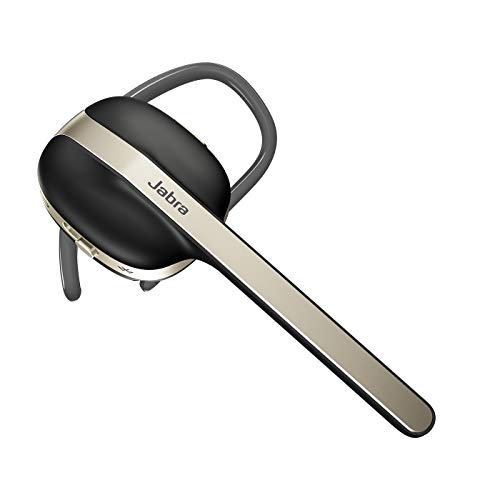
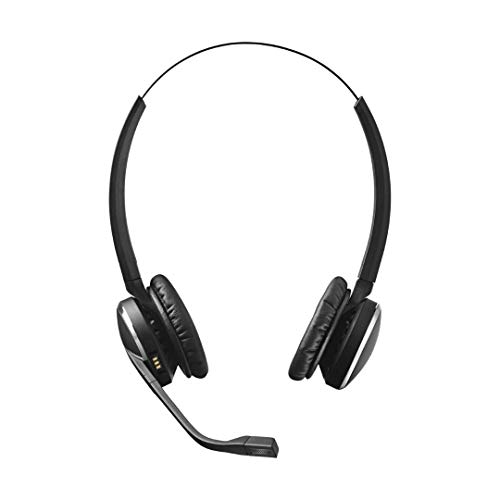
Are Jabra headphones good?
Jabra headphones have an average overall score of 6.4, ranking #26 among all headphone brands, and a user rating of 9, placing them at #12 based on user reviews.
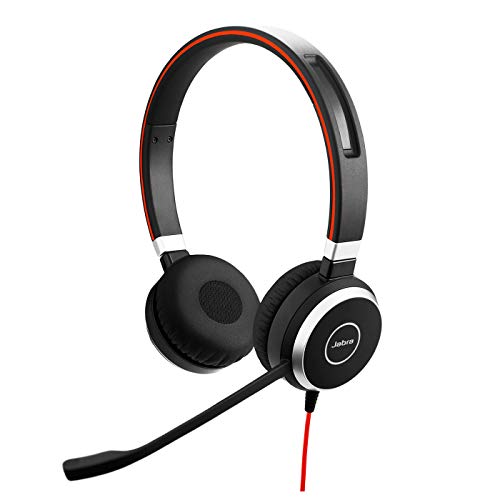
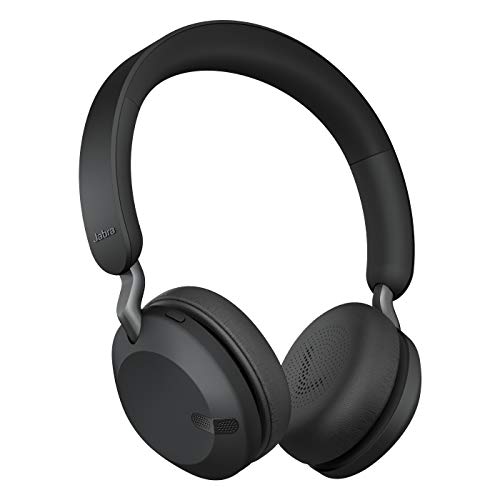
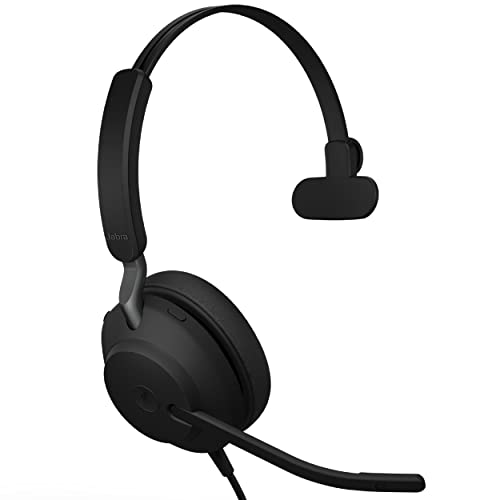
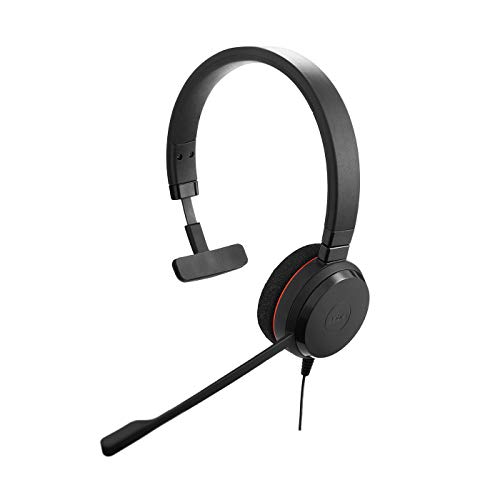
Jabra's biggest strength is focus. The brand does not try to cover every kind of headphone shopper. Instead, it concentrates on communication, hybrid work, business travel, and mainstream wireless convenience through lines such as Evolve, Elite, and Move.
The tradeoff is that Jabra is not the broadest music-first headphone brand. The range is heavily on-ear, premium audio enthusiast depth is limited, and some of the most expensive products are really specialized work or call devices rather than general entertainment headphones.
Jabra headphones make the most sense for buyers who care more about calls, meetings, office use, and controlled wireless behavior than about building a large shortlist of consumer over-ear or audiophile-style listening products.
The best Jabra headphones are as follows:
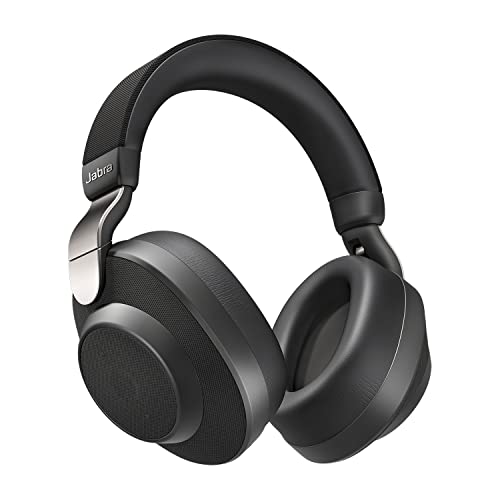
- Jabra Elite 85H (Overall score: 7.79)
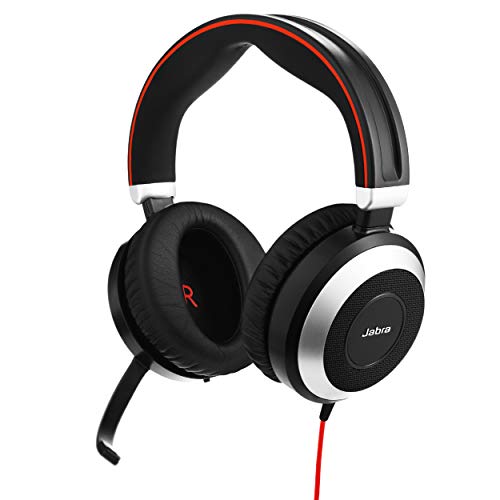
- Jabra Evolve 80 (Overall score: 7.79)
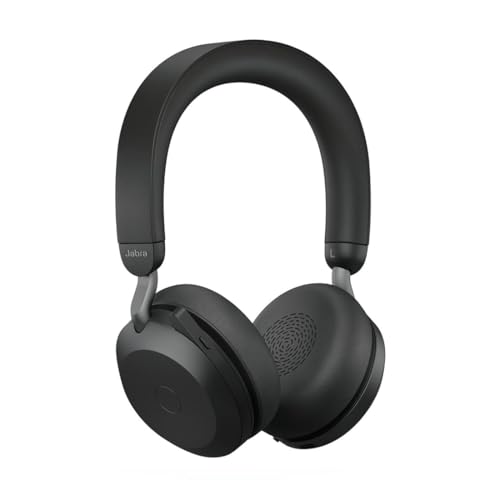
- Jabra Evolve2 75 (Overall score: 7.68)
The chart below ranks headphone brands by average overall score and shows where Jabra stands.
[horizontal-chart-07651949361052647855064281883428571797840542035701]
What are the main advantages of Jabra headphones?
The main advantages of Jabra headphones are as follows.
- Excellent call orientation: Jabra is one of the better names for buyers who care about microphone quality, work calls, and multi-device daily communication.
- Strong multipoint and app use: The brand usually handles phone-plus-laptop switching, EQ control, and companion-app tuning very well in everyday wireless listening.
- Durable portable design: Water resistance and practical earbud construction make Jabra useful for commuting, office use, and light exercise in the same device.
- Stable fit in key earbuds: Several Jabra branches focus heavily on secure fit and day-long wear, which helps more than flashy design in real portable use.
- Balanced daily-use feature set: Compared with simpler true wireless brands, Jabra often feels more complete in calls, controls, and practical mobile behavior.

What are the main disadvantages of Jabra headphones?
The main disadvantages of Jabra headphones are as follows.
- Excellent call orientation: Jabra is one of the better names for buyers who care about microphone quality, work calls, and multi-device daily communication.
- Strong multipoint and app use: The brand usually handles phone-plus-laptop switching, EQ control, and companion-app tuning very well in everyday wireless listening.
- Durable portable design: Water resistance and practical earbud construction make Jabra useful for commuting, office use, and light exercise in the same device.
- Stable fit in key earbuds: Several Jabra branches focus heavily on secure fit and day-long wear, which helps more than flashy design in real portable use.
- Balanced daily-use feature set: Compared with simpler true wireless brands, Jabra often feels more complete in calls, controls, and practical mobile behavior.

Who makes Jabra headphones?
Jabra headphones are made by Jabra, the audio brand of the Danish company GN, which has long roots in communications, hearing, and professional audio products. That background explains why Jabra's headphone range feels more communication-led than many entertainment-first headphone brands.
Jabra's category role is not built mainly around hi-fi tradition or fashion branding. Instead, the company focuses on office calls, hybrid work, business travel, productivity, and practical wireless behavior, with only a smaller side branch of more conventional consumer listening products.
In market terms, Jabra sits between mainstream consumer audio and business communication hardware. Buyers usually come to the brand for reliability in calls and work use rather than for the broadest music-listening catalog or the most luxurious design language.
What are the main Jabra headphone series?
The main Jabra headphone series are as follows.
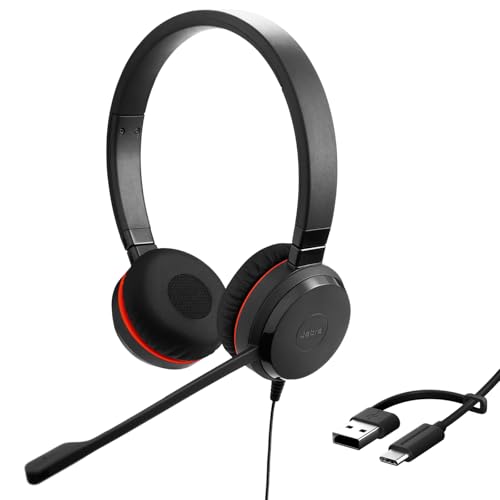
- Evolve and Evolve2: These are Jabra's core office and hybrid-work lines. They are the clearest place to start if you want call-focused wireless or wired headphones with productivity features.
- Elite: Elite is the more consumer-friendly premium branch and the best fit for buyers who want a travel or everyday wireless Jabra model without going fully into business-headset territory.
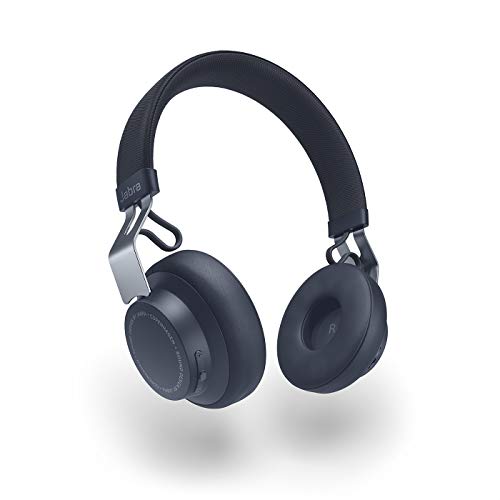
- Move: Move is a simpler mainstream wireless line, aimed at buyers who want casual Bluetooth listening rather than advanced office tools.
- Engage and Pro: These are more specialized communication branches. They matter mainly for business, call-center, or work-call users rather than for general music-listening buyers.
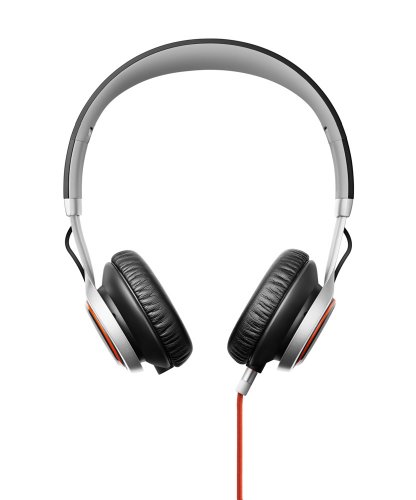
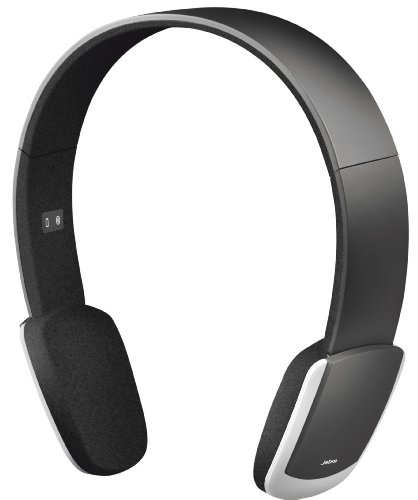
- Revo and Halo: These are smaller legacy or side branches that help explain the wider Jabra headphone history but are less central than the Evolve and Elite families.
How much do Jabra headphones cost?
Jabra headphones usually cost about 30-£430, but most of the realistic buying choice sits around 80-£230. That middle band covers Move, Elite, and much of the Evolve or Evolve2 range, which is where the brand is most relevant for mainstream work and travel buyers.
Price differences inside Jabra mostly follow use case rather than pure style. Simpler casual models and older call products sit lower, mainstream office and hybrid-work headphones fill the middle, and specialist communication devices or premium over-ear work models push higher.
For most buyers, the value point is in the middle rather than at the extremes. The cheapest options are very basic, while the most expensive Jabra products often make sense only if you specifically need professional communication hardware rather than general-purpose headphones.
This chart visualizes Jabra headphone prices.
[vertical-chart-03018738113978282873001147147605561901222811028811]
How do Jabra headphones compare with Sony headphones?
Jabra headphones usually compare with Sony headphones as the more work-focused and communication-oriented lineup, while Sony is the broader and more entertainment-led headphone brand. Jabra is stronger if your priority is calls, hybrid work, and a compact shortlist of office-friendly products rather than a huge spread of consumer audio models.
Sony is usually the better choice if you want a deeper premium over-ear ladder, more current mainstream ANC models, broader music-listening variety, or a much larger range of wired and wireless consumer headphones. Jabra usually makes more sense if you need a call-first headset style, controlled office features, or a better fit for work use than for pure leisure listening.
What should you consider while choosing Jabra headphones?
When you choose Jabra headphones, you should focus on the following key aspects:
- Fit security: If movement matters, start with fit. Jabra is often chosen for everyday carry, calls, and light exercise, so earbud stability and seal are central rather than secondary details. A more secure fit usually improves both comfort and bass consistency.
- Microphone quality: If calls or chat matter, treat the microphone as a core spec. Call quality is one of Jabra's stronger areas, which makes beamforming behavior, sidetone, and wind handling worth treating as headline specs. If meetings matter, the mic system can outweigh a small difference in music tuning.
- ANC support: If you travel or work in noisy places, put ANC near the top of your list. ANC quality varies across the Jabra lineup, so the stronger commute-oriented models should be separated early from simpler workout or office options. Buyers should not assume every Jabra earbud is equally good for trains or flights.
- Multipoint features: Dual-device connection, app EQ, and reliable physical or touch controls matter because Jabra is frequently used across phone and laptop in the same day. These software and connectivity details are part of why the brand is popular in work use.
- Battery or durability: Look at both battery life and day-to-day toughness. Case endurance, quick charging, and IP-rated durability all matter because many Jabra products are bought as all-day portable headsets. Practical resilience is a bigger part of the brand than luxury materials or audiophile-style tuning.