
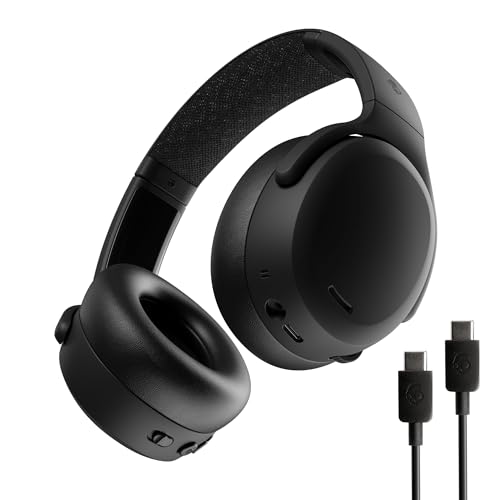
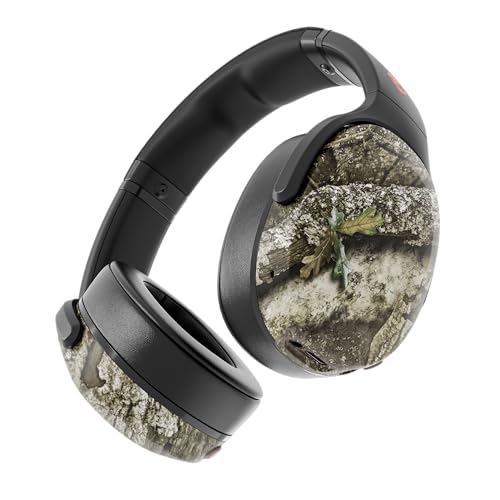
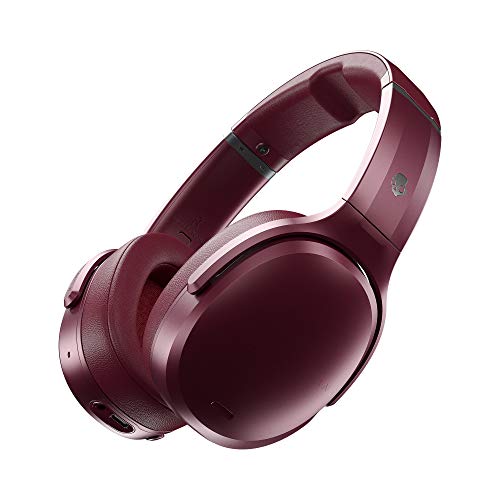
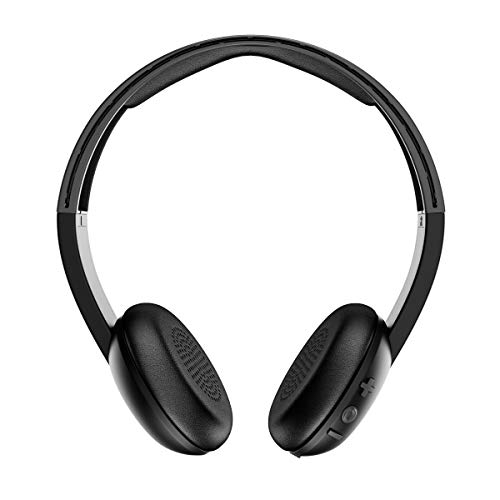
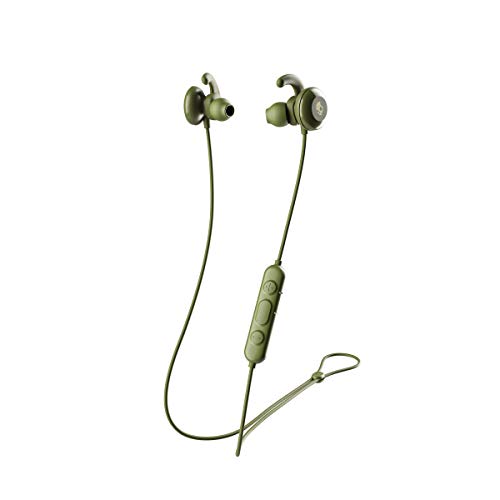
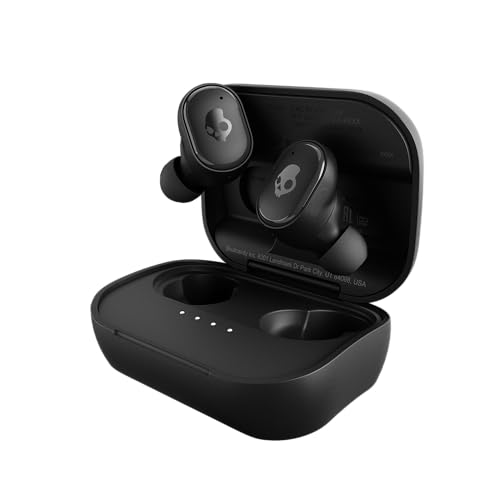
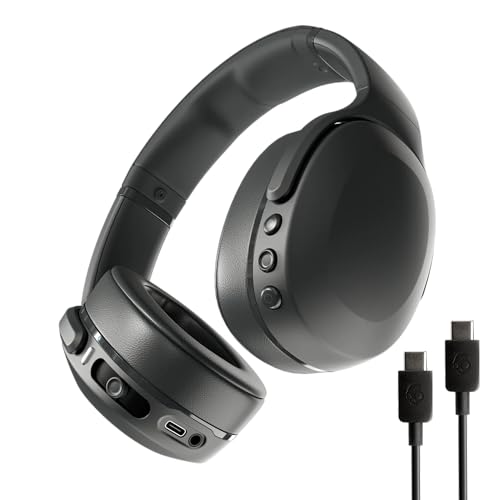
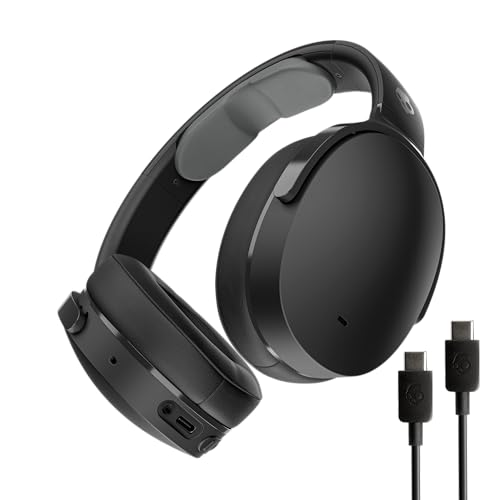
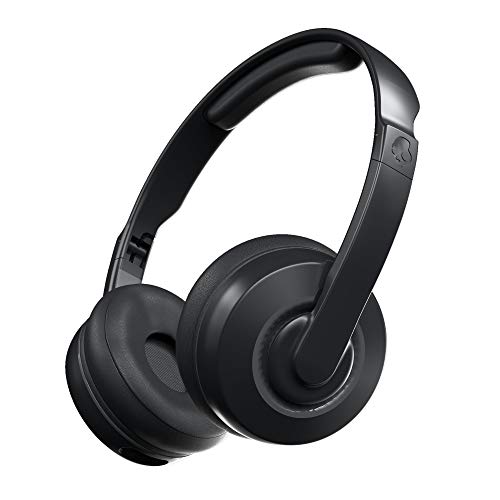
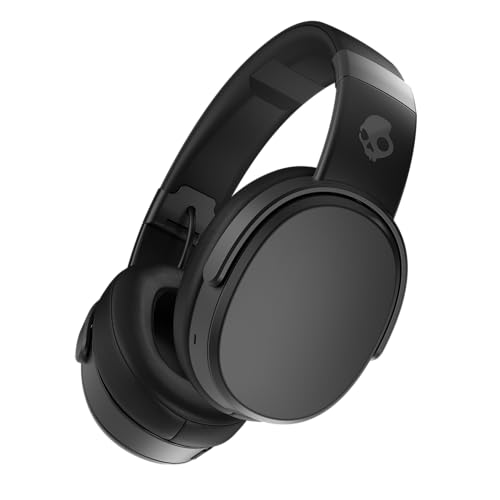
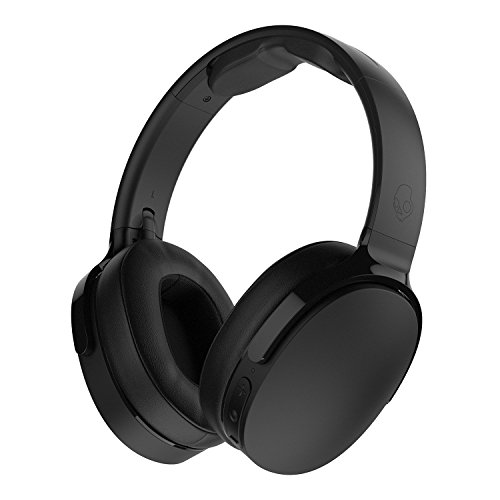
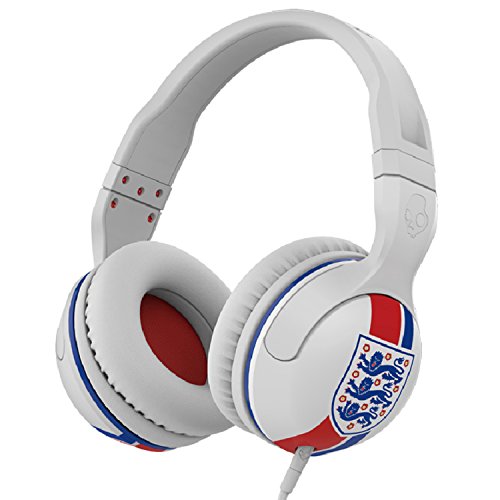
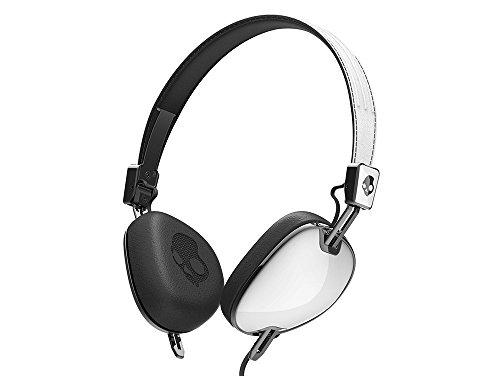
Are Skullcandy headphones good?
Skullcandy headphones have an average overall score of 7, ranking #11 among all headphone brands, and a user rating of 9, placing them at #11 based on user reviews.
Skullcandy's biggest strength is accessible value. The brand covers cheap wired options, low-cost Bluetooth on-ear models, mainstream over-ear wireless sets, and a few more feature-heavy ANC products, which makes it easier to shop on a budget than many brands that jump quickly into premium pricing.
The tradeoff is that Skullcandy is not built around audiophile neutrality or deep premium refinement. Much of the range is tuned for mainstream impact, only part of the catalog includes ANC or app support, and the top end is smaller and less technically ambitious than what stronger premium brands offer.
Skullcandy headphones make the most sense for buyers who want low-risk pricing, portable wireless convenience, and a more energetic consumer style than the average anonymous budget headphone brand.
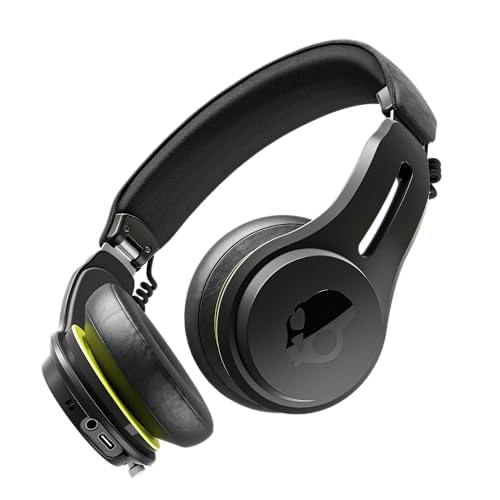
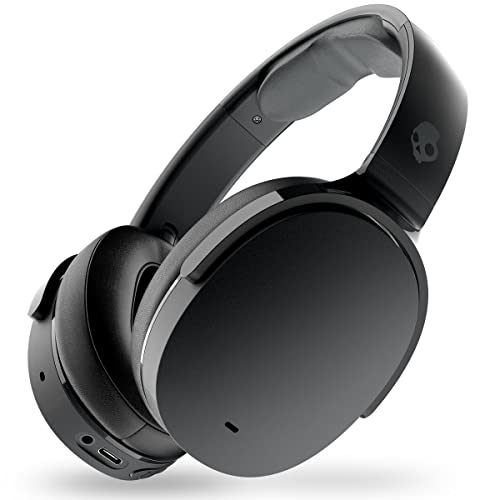
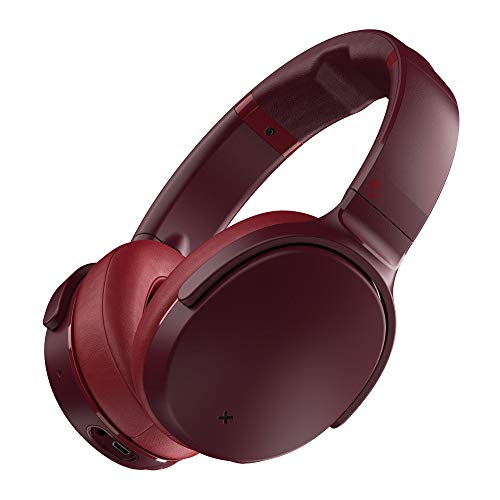
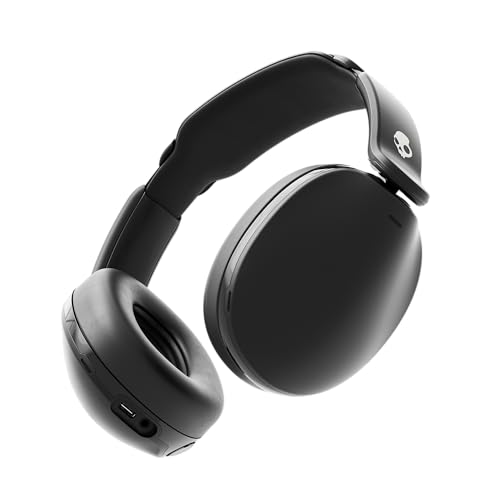
The best Skullcandy headphones are as follows:
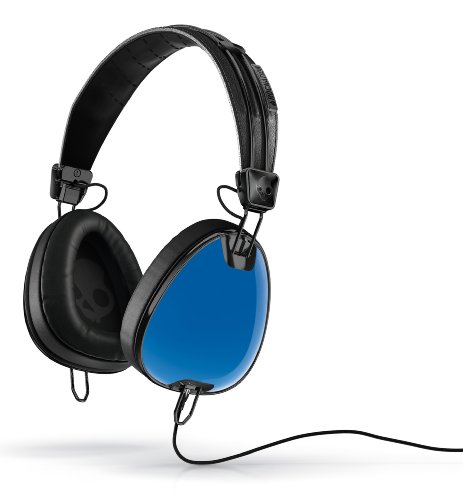
- Skullcandy Aviator 2.0 (Overall score: 8.69)
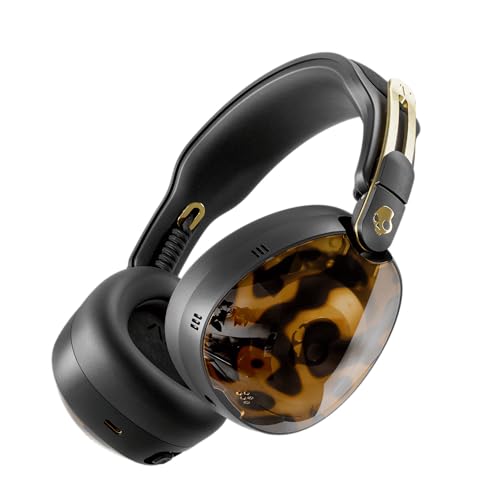
- Skullcandy Aviator 900 ANC (Overall score: 8.39)
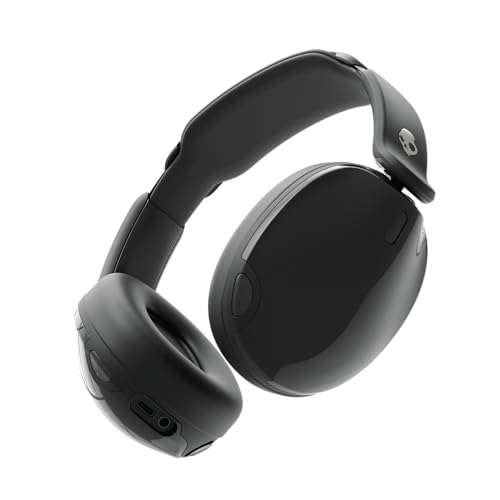
- Skullcandy Hesh 540 (Overall score: 8.31)
The chart below ranks headphone brands by average overall score and shows where Skullcandy stands.
[horizontal-chart-07651949361052647855064281883428571797840542035701]
What are the main advantages of Skullcandy headphones?
The main advantages of Skullcandy headphones are as follows.
- Strong casual-use identity: Skullcandy is easy to understand if the goal is everyday wireless listening, gym use, and fun consumer tuning rather than careful reference playback.
- Long battery life in key models: Battery endurance is a real strength in many Skullcandy earbuds and wireless over-ears, which helps the brand in portable all-day use.
- Energetic sound profile: The tuning usually favors bass weight and immediate impact, which can suit workouts, hip-hop, and general casual listening.
- Useful extra convenience features: Functions such as finding support, simple EQ modes, and durable portable designs can matter more here than on some similarly priced rivals.
- Good lifestyle portability: The range makes more sense for everyday carry and active casual use than for stationary desk listening.

What are the main disadvantages of Skullcandy headphones?
The main disadvantages of Skullcandy headphones are as follows.
- Strong casual-use identity: Skullcandy is easy to understand if the goal is everyday wireless listening, gym use, and fun consumer tuning rather than careful reference playback.
- Long battery life in key models: Battery endurance is a real strength in many Skullcandy earbuds and wireless over-ears, which helps the brand in portable all-day use.
- Energetic sound profile: The tuning usually favors bass weight and immediate impact, which can suit workouts, hip-hop, and general casual listening.
- Useful extra convenience features: Functions such as finding support, simple EQ modes, and durable portable designs can matter more here than on some similarly priced rivals.
- Good lifestyle portability: The range makes more sense for everyday carry and active casual use than for stationary desk listening.

Who makes Skullcandy headphones?
Skullcandy headphones are made by Skullcandy, the American consumer-audio brand best known for youth-oriented styling, mainstream wireless products, and accessible pricing. That positioning explains why the brand's headphone range sits much closer to lifestyle value than to studio or audiophile specialization.
Skullcandy's headphone strategy is built around everyday use rather than professional audio. The company covers entry wired products, low-cost Bluetooth models, portable over-ear and on-ear headphones, and a few stronger ANC or bass-focused flagships instead of operating as a high-end hi-fi brand.
In market terms, Skullcandy sits in the mainstream affordable-audio lane. Buyers usually come to the brand for recognizable design, easy wireless features, and lower-risk prices rather than for a highly technical reference-sound identity.
What are the main Skullcandy headphone series?
The main Skullcandy headphone series are as follows.
- Crusher: Crusher is Skullcandy's most distinctive upper branch and the clearest place to start if you want the brand's heavier bass identity, larger over-ear designs, and stronger flagship-style positioning.
- Hesh: Hesh is one of the core mainstream over-ear families. It is the main line for buyers who want affordable full-size wireless headphones and, in some versions, ANC.
- Riff: Riff is the simpler value-focused portable branch, usually aimed at low-cost wireless or wired everyday listening.
- Aviator: Aviator is a more premium style-conscious line that sits above the budget core and matters most for buyers who want a more upscale over-ear Skullcandy option.
- Uproar and Cassette: These branches cover accessible on-ear or lighter portable products and help Skullcandy keep strong presence in lower price bands.
- Icon, Grom, and smaller side branches: These names cover smaller or more specialized products, including some youth-oriented and entry-level models that round out the broader Skullcandy lineup.
How much do Skullcandy headphones cost?
Skullcandy headphones usually cost about 10-£260, but the strongest buying band sits far below the top end. For most buyers, the practical Skullcandy range is roughly 30-£130, where the brand offers cheap wired products, affordable Bluetooth on-ear models, and a broad middle zone of over-ear wireless headphones.
Price differences inside Skullcandy mostly follow form factor and feature level. Entry wired and small portable models sit at the bottom, mainstream wireless Hesh, Riff, and Uproar-style products fill the middle, and Crusher, Aviator, or higher-spec ANC models push toward the upper end.
The value sweet spot is usually in the center rather than at the extremes. The cheapest products are basic by design, while the rare 190-£260 models make the most sense only if you specifically want Skullcandy's stronger bass-led over-ear flagships or premium style branches.
This chart visualizes Skullcandy headphone prices.
[vertical-chart-17974491203345234547133988856797065794660352469908]
How do Skullcandy headphones compare with Sony headphones?
Skullcandy headphones usually compare with Sony headphones as the cheaper and more style-led mainstream-value lineup, while Sony is the broader and more technically ambitious brand. Skullcandy is stronger if you want lower prices, simpler wireless everyday models, and a more obvious bass-friendly consumer identity without moving into Sony's larger premium and specialist tiers.
Sony is usually the better choice if you want a deeper top end, stronger flagship ANC, more technical variety across premium over-ear and in-ear products, or a bigger range of refined travel models. Skullcandy usually makes more sense if budget matters more, if you want a lower-cost full-size wireless option, or if you prefer a simpler shortlist of affordable lifestyle headphones.
What should you consider while choosing Skullcandy headphones?
When you choose Skullcandy headphones, you should focus on the following key aspects:
- Form factor: Start by choosing the shape that fits how you will use the headphones. Skullcandy covers true wireless earbuds, casual wireless over-ears, and some lighter sport-friendly designs, so fit and isolation change more than the styling language suggests. This is mainly a portable, lifestyle-focused brand rather than a desk-listening one.
- Battery life: Check the real battery figure for your kind of use, not just the best-case claim. Long battery life is one of Skullcandy's clearer selling points, with many wireless products built for all-day casual use. The important check is how much runtime remains once ANC or higher volume enters the picture.
- ANC support: If you travel or work in noisy places, put ANC near the top of your list. ANC appears in parts of the range, but it is not the defining strength of every Skullcandy model. Buyers who want true commute-level isolation should compare the exact model against stronger travel specialists.
- Tuning style: Think about the sound you actually want, not just the brand name. Skullcandy often leans heavier and more impact-focused than flatter brands, which can work well for workouts and casual listening. That same tuning can feel too thick or too bass-led if you want clearer mids or calmer balance.
- Extra features: Only pay for the extras you will really use. Tile-style finding support, simple EQ modes, and outdoor-friendly durability can matter more in this brand than high-end codec depth or audiophile tuning. In other words, the practical daily-use extras are often part of the buying logic.