
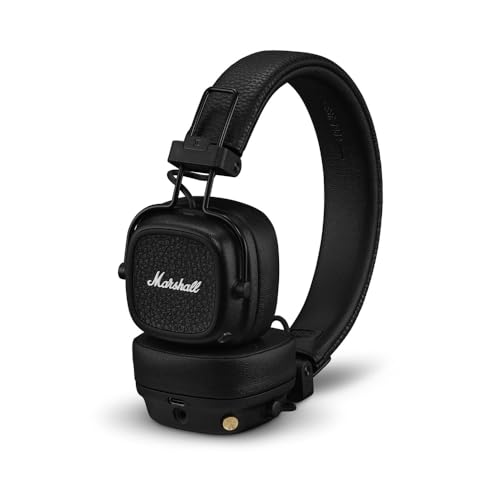
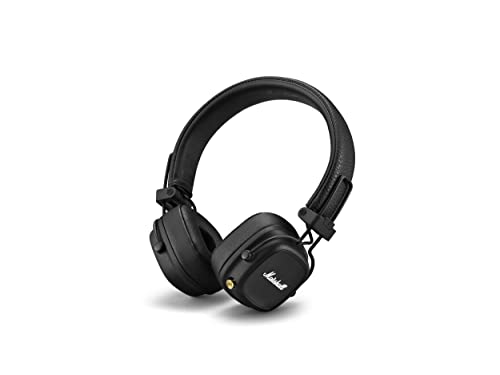
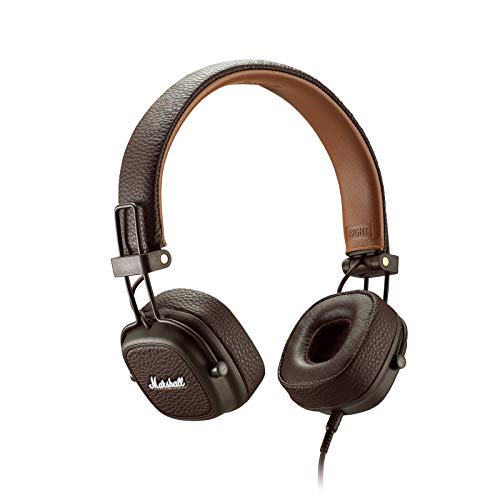
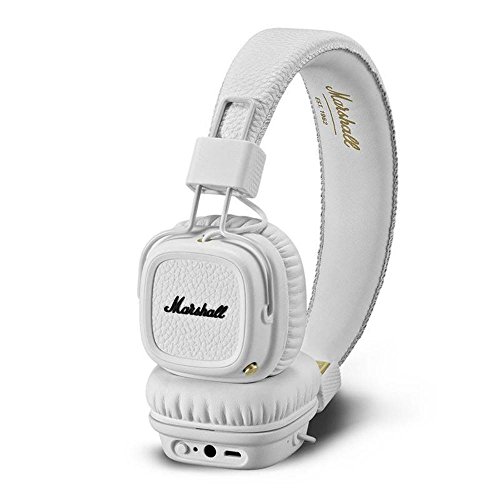
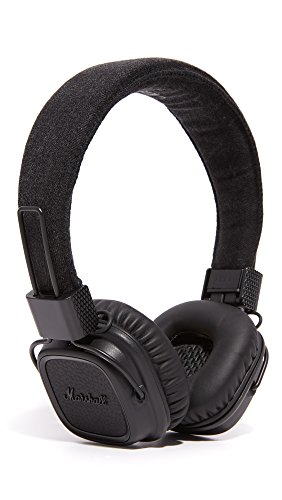
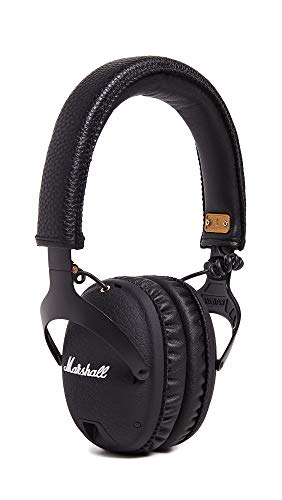
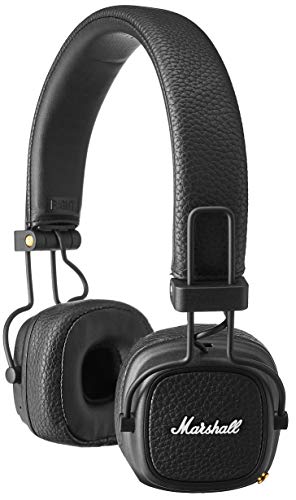
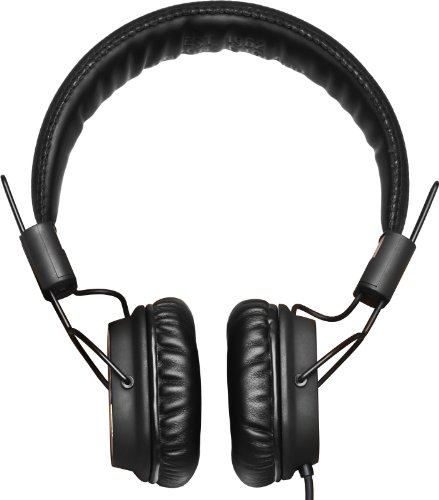
Are Marshall headphones good?
Marshall headphones have an average overall score of 5.4, ranking #53 among all headphone brands, and a user rating of 9.1, placing them at #8 based on user reviews.
Marshall's main strength is consistency of identity. The range is built mostly around recognizable Major and Monitor families, so the brand feels narrower and easier to understand than very large catalogs filled with dozens of unrelated budget and legacy branches.
The tradeoff is that Marshall does not try to cover every buyer need. The lineup leans heavily toward on-ear models, only a minority of products include ANC, and premium convenience features such as companion-app support, spatial audio, or broad waterproof coverage are not central to the brand's headphone strategy.
Marshall headphones make the most sense for buyers who care about style, tactile controls, portable wireless use, and a more characterful brand feel than the average mainstream plastic Bluetooth model.
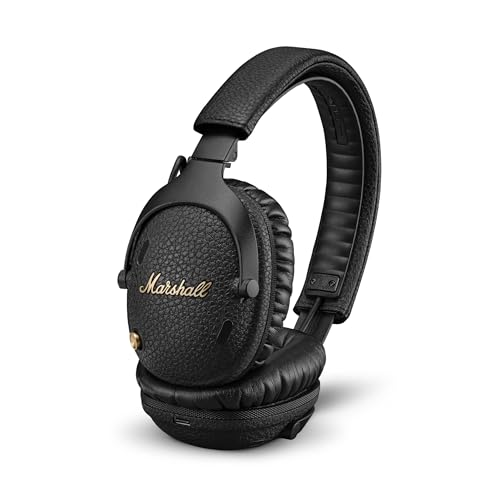
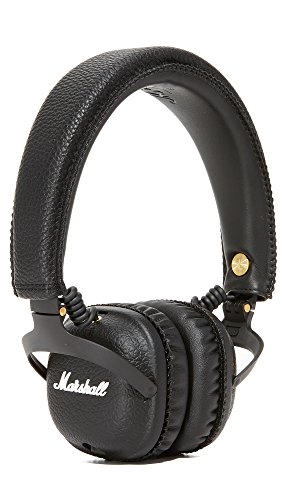
The best Marshall headphones are as follows:
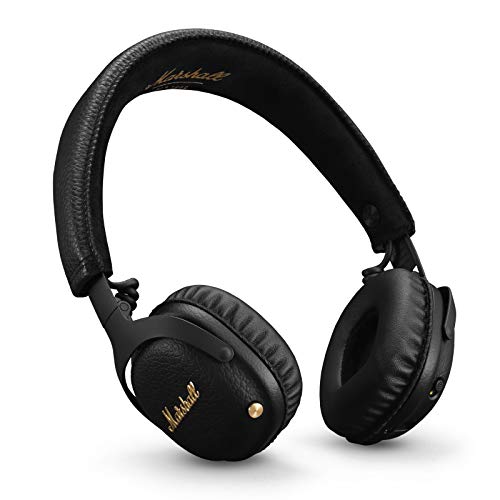
- Marshall Monitor III (Overall score: 8.17)
- Marshall Monitor II (Overall score: 7.82)
- Marshall Mid Bluetooth (Overall score: 7.1)
The chart below ranks headphone brands by average overall score and shows where Marshall stands.
[horizontal-chart-07651949361052647855064281883428571797840542035701]
What are the main advantages of Marshall headphones?
The main advantages of Marshall headphones are as follows.
- Distinctive design language: Marshall stands out more clearly than most mainstream headphone brands in physical styling, controls, and overall visual identity.
- Characterful sound tuning: The brand often gives buyers a more music-first and personality-driven sound than softer, more generic wireless rivals.
- Useful physical controls: Marshall's tactile control systems can feel more reliable and easier to use than touch-only layouts during daily portable listening.
- Portable wireless focus: Compact foldable over-ear and earbud branches make the brand practical for everyday carry instead of only for home listening.
- Good battery relevance: The better wireless Marshall models are generally built around all-day portable use rather than around short-session listening.

What are the main disadvantages of Marshall headphones?
The main disadvantages of Marshall headphones are as follows.
- Distinctive design language: Marshall stands out more clearly than most mainstream headphone brands in physical styling, controls, and overall visual identity.
- Characterful sound tuning: The brand often gives buyers a more music-first and personality-driven sound than softer, more generic wireless rivals.
- Useful physical controls: Marshall's tactile control systems can feel more reliable and easier to use than touch-only layouts during daily portable listening.
- Portable wireless focus: Compact foldable over-ear and earbud branches make the brand practical for everyday carry instead of only for home listening.
- Good battery relevance: The better wireless Marshall models are generally built around all-day portable use rather than around short-session listening.
Who makes Marshall headphones?
Marshall headphones are made under the Marshall brand, the British name best known for guitar amplifiers and rock-oriented audio design. That heritage gives the headphone range a clearer style identity than most mainstream consumer-audio brands.
Marshall's headphone line extends that amplifier-inspired image into portable listening products rather than trying to act like a studio-monitor specialist or a giant budget electronics label. The result is a lineup that feels more curated, with stronger emphasis on design language, tactile controls, and everyday wireless use.
In market terms, Marshall sits between mainstream consumer headphones and premium lifestyle audio. Buyers usually come to Marshall for brand character, visual identity, and portable use rather than for the widest possible spec sheet or the deepest professional-audio catalog.
What are the main Marshall headphone series?
The main Marshall headphone series are as follows.
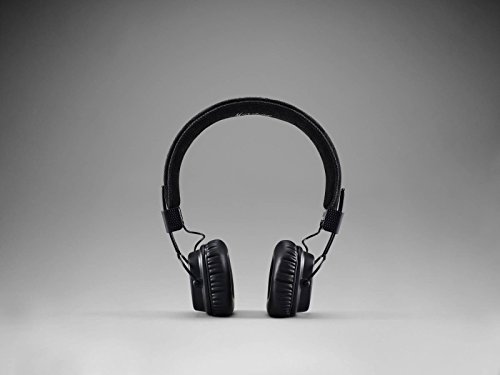
- Major: Major is Marshall's main on-ear family and the clearest branch for buyers who want the brand's signature portable look, long battery focus, and everyday wireless use.
- Monitor: Monitor is the fuller-size over-ear branch. This is the best place to look if you want larger earcups, a more travel-oriented fit, or Marshall's more premium full-size designs.
- Mid: Mid sits between Major and Monitor as a compact over-ear or hybrid portability branch, aimed at buyers who want a step up from entry-level on-ear styling without jumping straight into the biggest models.
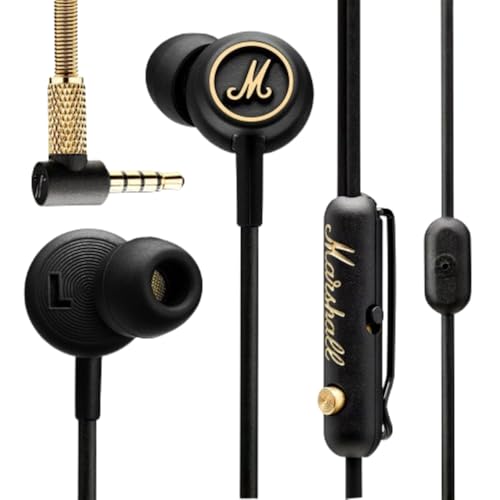
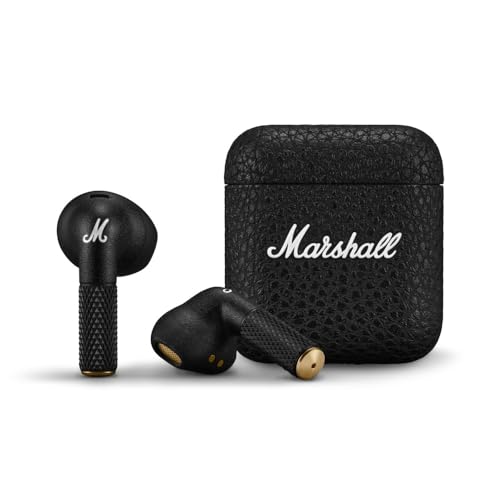
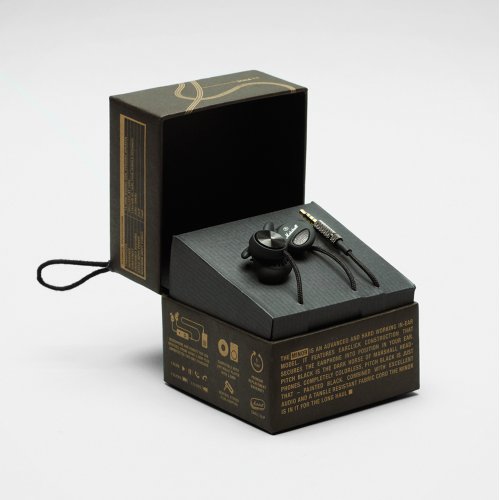
- Minor: Minor is Marshall's in-ear family. It matters for buyers who want the same brand identity in a lighter more pocketable form rather than a headband design.
- Mode and smaller side branches: Mode and a few older side names cover simpler earphone-style or more limited branches that help round out the Marshall lineup but are not the brand's core identity today.
How much do Marshall headphones cost?
Marshall headphones usually cost about 70-£300, with most of the realistic buying choice sitting around 100-£170. That middle band is where the brand's core Major, Mid, and Monitor-style products live, and it is also where Marshall feels most competitive as a lifestyle-oriented wireless headphone brand.
Price differences inside Marshall mostly follow form factor and how premium the branch is. On-ear models dominate the lower and middle part of the range, while larger over-ear models and the more premium Monitor branch push higher, especially when ANC or newer generation hardware is involved.
For most buyers, the value sweet spot is in the center of the range rather than at the edges. Marshall's cheapest models are limited in number, while the expensive end makes the most sense if you specifically want the brand's strongest design statement, larger full-size comfort, or one of its rarer premium over-ear options.
This chart visualizes Marshall headphone prices.
[vertical-chart-05255473153738077591099663007189676733330982049298]
How do Marshall headphones compare with Sony headphones?
Marshall headphones usually compare with Sony headphones as the more style-led and narrower lineup, while Sony is the broader and more technically layered brand. Marshall is stronger if you want a clear design identity, a more curated family structure, and a realistic buying band centered around 100-£170 rather than a huge spread from entry level to flagship extremes.
Sony is usually the better choice if you want maximum range across in-ear, on-ear, and over-ear formats, stronger premium ANC branches, or a deeper top end with more flagship travel models. Marshall usually makes more sense if you care more about design character, tactile controls, and a simpler shortlist of wireless lifestyle headphones than about having the widest possible feature ladder.
What should you consider while choosing Marshall headphones?
When you choose Marshall headphones, you should focus on the following key aspects:
- Form factor: Start by choosing the shape that fits how you will use the headphones. Marshall mixes over-ear and on-ear wireless designs with portable earbuds, so clamp, portability, and isolation change significantly across the range. Some models are clearly style-first portables, while others behave more like serious daily-use headphones.
- Tuning style: Think about the sound you actually want, not just the brand name. Marshall usually aims for a more characterful, music-first signature than a studio-neutral one. Buyers should decide early whether they want that livelier and more colored voicing or a flatter consumer rival.
- ANC support: If you travel or work in noisy places, put ANC near the top of your list. ANC exists in parts of the Marshall lineup, but it is not equally strong or equally important across every branch. If the job is travel noise cancellation, the exact model matters more than the brand identity.
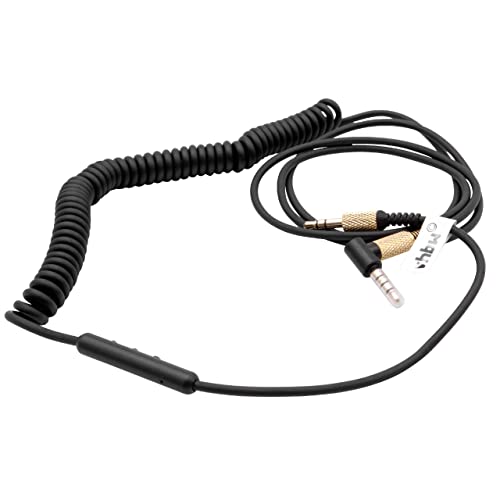
- Controls: Marshall often uses more tactile physical controls than touch-only rivals, which can be a real advantage in daily portable listening. Control feel can matter here more than one extra software feature because it shapes every interaction.
- Long-session comfort: If you will wear the headphones for hours, put comfort high on your list. Retro styling and compact folds are appealing, but they do not guarantee easy all-day wear. On-ear pressure, pad heat, and overall weight deserve attention if the headphone will be used beyond short casual sessions.