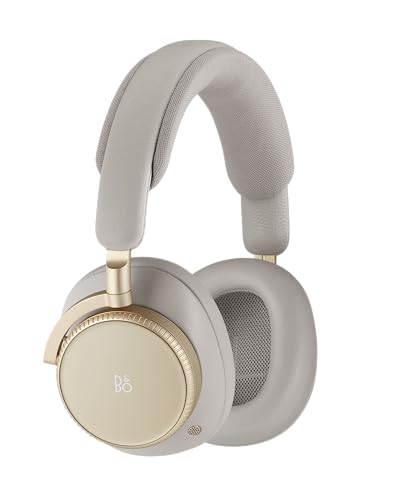

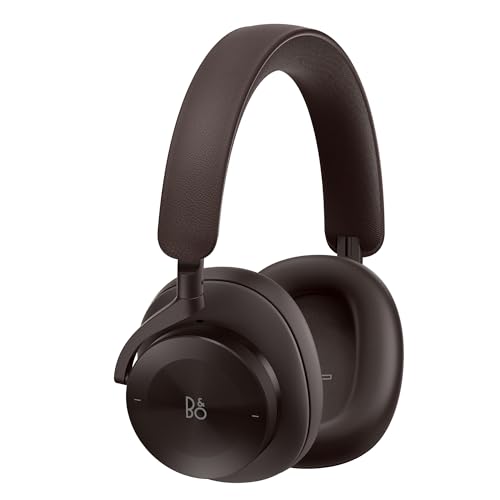
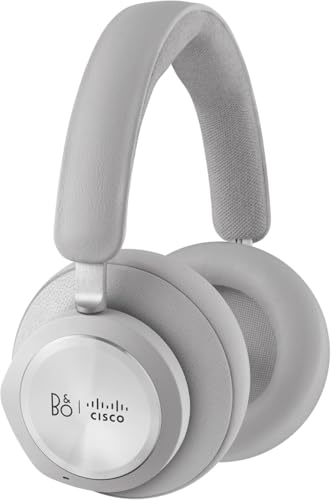
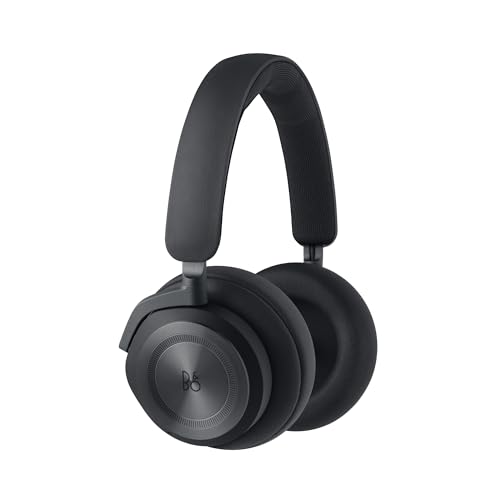
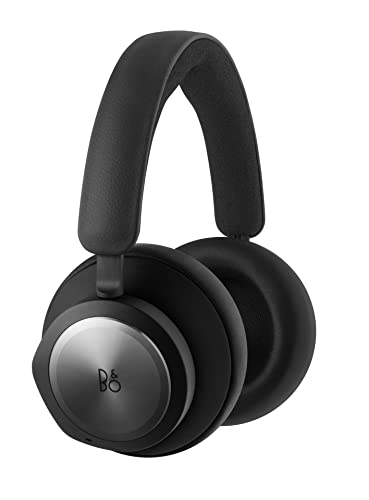
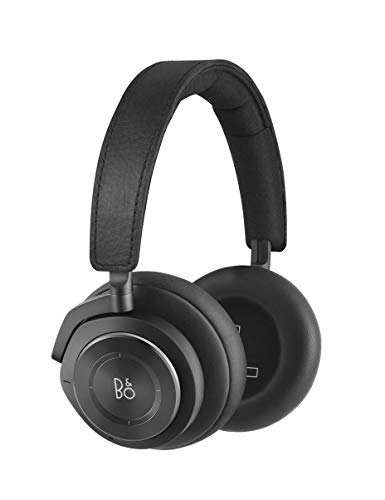
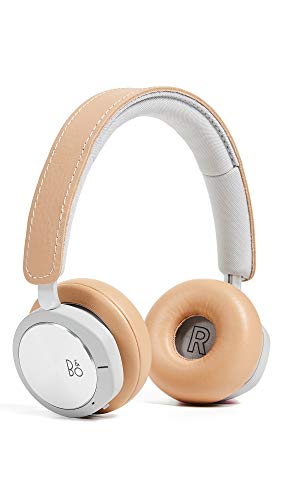
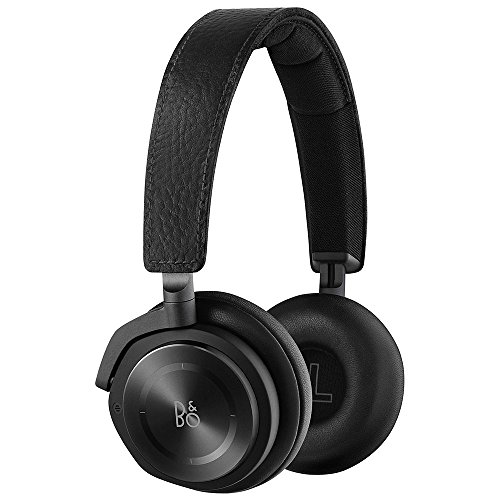
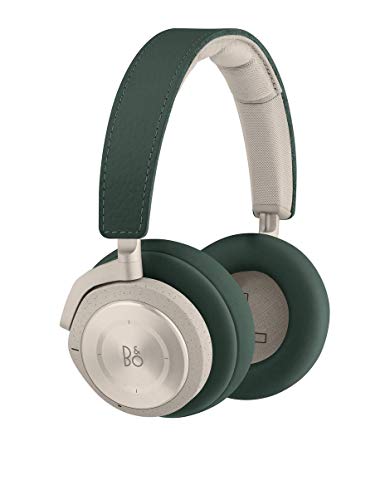
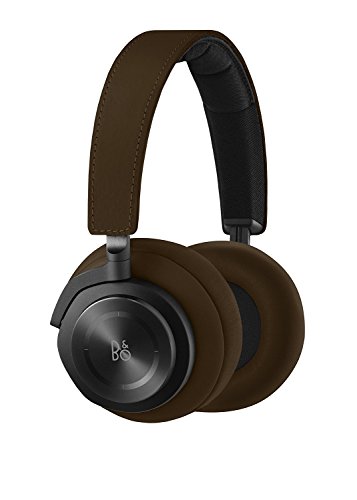
Are Bang & Olufsen headphones good?
Bang & Olufsen headphones have an average overall score of 7.3, ranking #8 among all headphone brands, and a user rating of 8.7, placing them at #28 based on user reviews.
Bang & Olufsen's main strengths in this category are premium construction, strong design identity, and a lineup that presents itself as luxury consumer audio rather than as a basic mass-market headphone range.
The main tradeoff is price. Bang & Olufsen spends far more time in premium and luxury tiers than in everyday budget territory, so buyers are paying not just for sound and features but also for materials, finish, and brand positioning.
Bang & Olufsen headphones make the most sense for buyers who want a luxury-leaning audio brand with strong visual design and higher-end everyday listening appeal rather than the broadest value-led catalog.
The chart below ranks headphone brands by average overall score and shows where Bang & Olufsen stands.
[horizontal-chart-07651949361052647855064281883428571797840542035701]
What are the main advantages of Bang & Olufsen headphones?
The main advantages of Bang & Olufsen headphones are as follows.
- Premium build quality: Bang & Olufsen is stronger than most mainstream headphone brands in materials, finish, and visual design, so the headphones usually feel more like luxury hardware than simple commuter gear.
- Refined sound tuning: The better models usually aim for a smoother and more controlled sound than bass-heavy lifestyle rivals, which makes vocals, acoustic music, and long listening sessions easier to enjoy.
- Serious wireless branch: The brand does offer proper Bluetooth, ANC, and app-equipped over-ear and earbud models, so it can compete in real daily wireless use instead of serving only as a design label.
- Comfortable flagship designs: Its stronger over-ear models are built for long sessions with full-size earcups and softer pads, which gives the premium branch more practical value than some style-first alternatives.
- Distinctive premium identity: Compared with the usual Sony or Bose shortlist, Bang & Olufsen gives buyers a clearer focus on craftsmanship, exclusivity, and finish quality.

What are the main disadvantages of Bang & Olufsen headphones?
The main disadvantages of Bang & Olufsen headphones are as follows.
- Premium build quality: Bang & Olufsen is stronger than most mainstream headphone brands in materials, finish, and visual design, so the headphones usually feel more like luxury hardware than simple commuter gear.
- Refined sound tuning: The better models usually aim for a smoother and more controlled sound than bass-heavy lifestyle rivals, which makes vocals, acoustic music, and long listening sessions easier to enjoy.
- Serious wireless branch: The brand does offer proper Bluetooth, ANC, and app-equipped over-ear and earbud models, so it can compete in real daily wireless use instead of serving only as a design label.
- Comfortable flagship designs: Its stronger over-ear models are built for long sessions with full-size earcups and softer pads, which gives the premium branch more practical value than some style-first alternatives.
- Distinctive premium identity: Compared with the usual Sony or Bose shortlist, Bang & Olufsen gives buyers a clearer focus on craftsmanship, exclusivity, and finish quality.

Who makes Bang & Olufsen headphones?
Bang & Olufsen headphones are made by Bang & Olufsen.
Bang & Olufsen is a Danish premium consumer-audio and design brand best known for upscale home audio, speakers, and high-end lifestyle electronics. That identity shows clearly in the current Headphones slice, where the brand is centered much more on luxury materials and visual refinement than on entry-level volume.
What are the main Bang & Olufsen headphone series?
The main Bang & Olufsen headphone series are as follows.
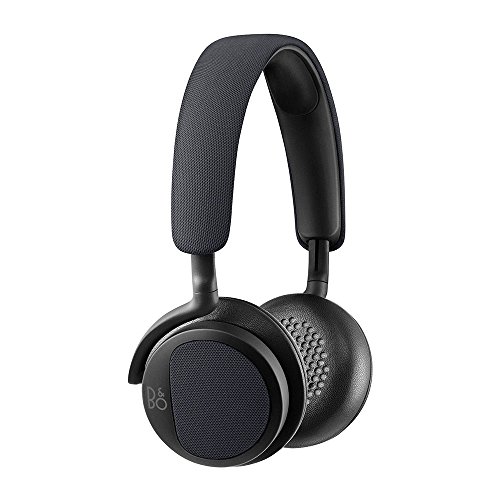
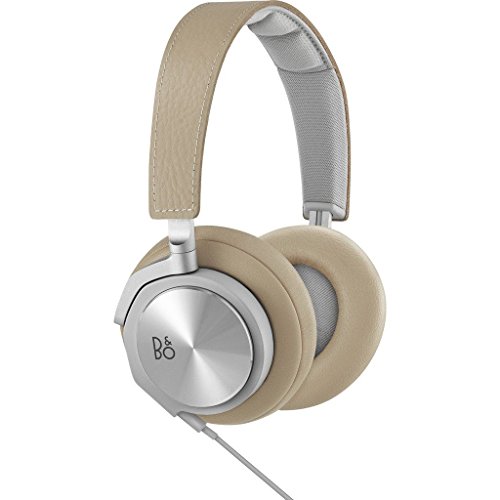
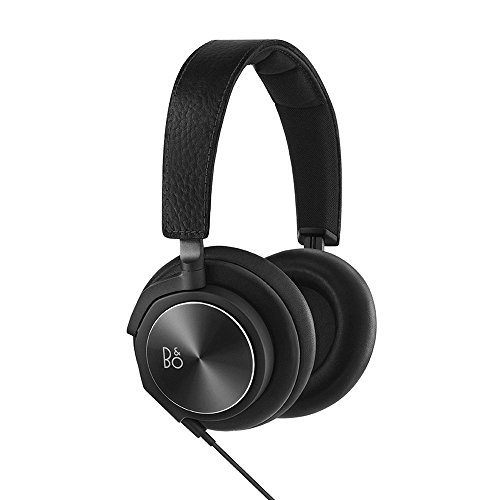
- Beoplay: Beoplay is the brand's main consumer line and the safest place to start if you want the classic Bang & Olufsen mix of premium materials, luxury wireless everyday use, and stronger over-ear or portable listening products. This is the branch most buyers should read first because it carries the clearest version of the brand's upscale consumer-audio identity.
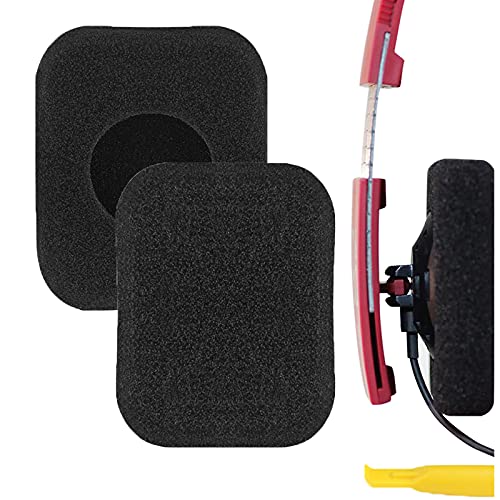
- Form: Form is the smaller design-led on-ear branch. It makes more sense for buyers who care about compact size, visual minimalism, and lighter everyday wear than about full-size luxury travel headphones.
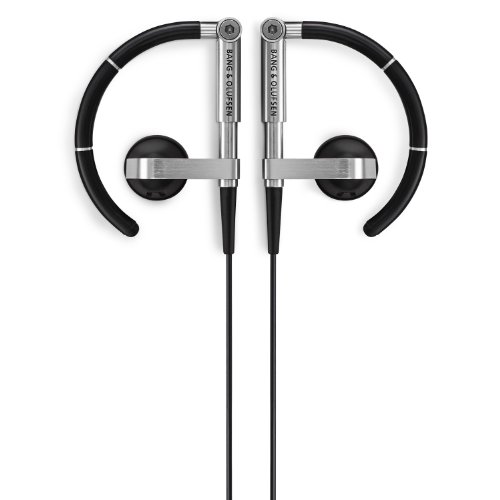
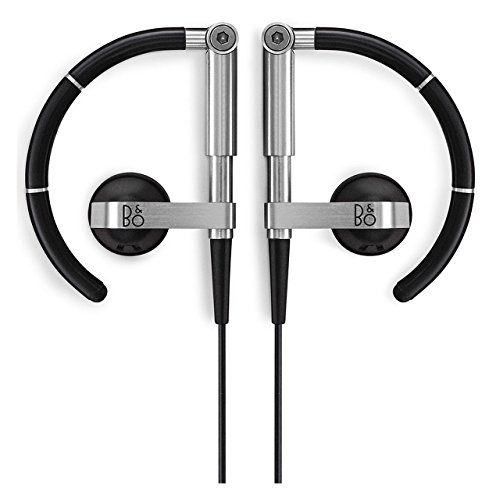
- Earset: Earset covers the more distinctive in-ear and earhook-style portable side of the brand. It is the better fit when you want Bang & Olufsen styling in a lighter and more wearable format rather than in a large over-ear shell.
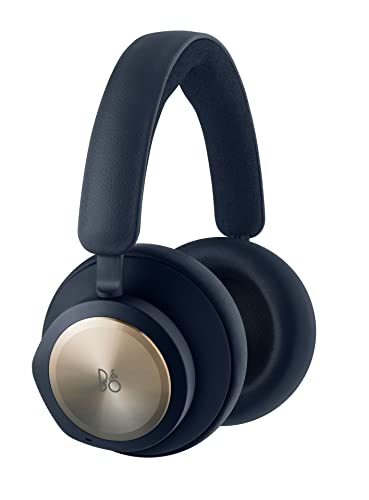
- Portal: Portal is the gaming-leaning branch. It matters mainly for buyers who want premium materials, wireless convenience, and a headset-adjacent use case without leaving the brand's more upscale presentation.
- Cisco 980 and similar side branches: These smaller specialist lines push Bang & Olufsen toward communication, business, or more niche premium-use scenarios. They are much less central than Beoplay, but they help explain why the brand is not limited only to lifestyle music listening.
How much do Bang & Olufsen headphones cost?
Bang & Olufsen headphones usually cost about 130-£1,300, with much of the current range concentrated around 300-£550 and a smaller luxury tier stretching well above that.
That makes Bang & Olufsen one of the more clearly premium-priced brands in the category. The lower edge exists, but the brand's real identity sits in upscale wireless and luxury-oriented over-ear listening rather than in mass-market pricing.
How do Bang & Olufsen headphones compare with Bowers & Wilkins models?
Bang & Olufsen headphones usually compare with Bowers & Wilkins models as similarly premium lifestyle-audio products, but Bang & Olufsen tends to lean even harder into luxury design identity while Bowers & Wilkins often feels slightly more tied to classic hi-fi prestige.
Bang & Olufsen is generally the better fit if visual design and luxury everyday appeal are especially important to you. Bowers & Wilkins is often the easier fit if you want premium consumer headphones that still feel a bit closer to traditional audio-brand heritage.
What should you consider while choosing the best Bang & Olufsen headphones?
When you choose the best Bang & Olufsen headphones, you should focus on the following key aspects:
- Form factor: Start by choosing the shape that fits how you will use the headphones. Bang & Olufsen splits mainly between compact earbuds, lighter on-ear portable models, and larger premium over-ear wireless headphones. Over-ear models usually give the stronger comfort and isolation, while the earbuds make more sense if pocketability matters more than cup size or long-session wear.
- ANC performance: If you travel or work in noisy places, put ANC near the top of your list. Noise cancelling is concentrated in the modern wireless branch, and the gap between the better travel models and the simpler lifestyle ones is meaningful. If commuting or flights matter, check whether the model has full adaptive ANC and transparency rather than assuming every premium-looking Bang & Olufsen headphone does.
- Wireless features: Look closely at the extra wireless features if you will use them every day. Bluetooth multipoint, wear detection, app EQ, USB-C charging, and call behavior matter here because many buyers use these headphones as all-day wireless gear rather than as desk-only listening products. The better models feel much more complete when the software side is strong, while the simpler ones rely more on design and materials.
- Battery life: Check the real battery figure for your kind of use, not just the best-case claim. Expect roughly 20-40 hours from the stronger over-ear wireless models and about 6-8 hours per charge from the earbud side before the case is counted. That spread matters because the brand covers both luxury travel headphones and smaller daily-use earbuds.
- Sound profile: Think about the sound you actually want, not just the brand name. Bang & Olufsen usually aims for a smoother and more polished tuning than bass-first mainstream rivals, with better control in the upper mids and treble. That works well for long listening, vocals, and acoustic material, but it is less ideal if you specifically want a very heavy low-end signature.