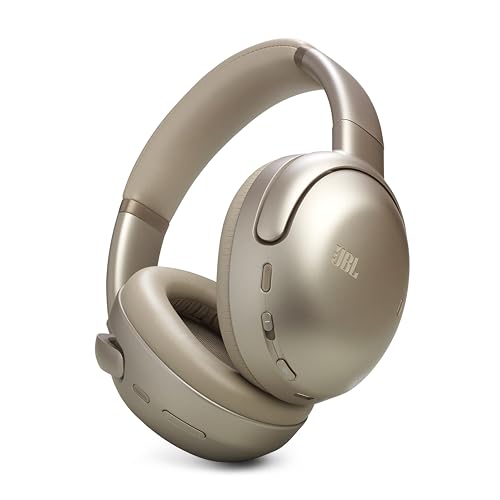

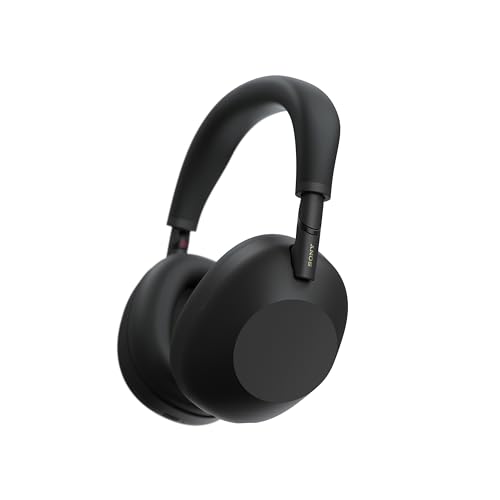
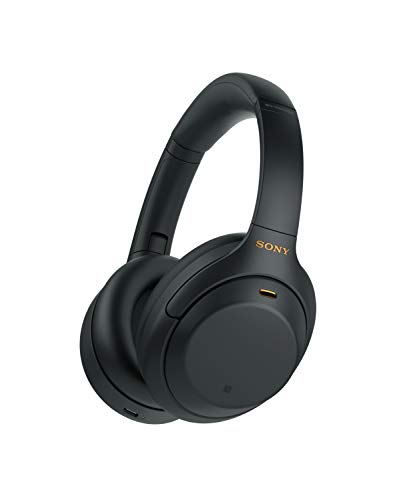
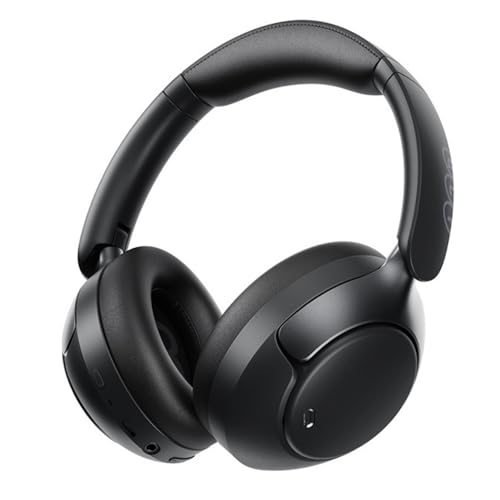
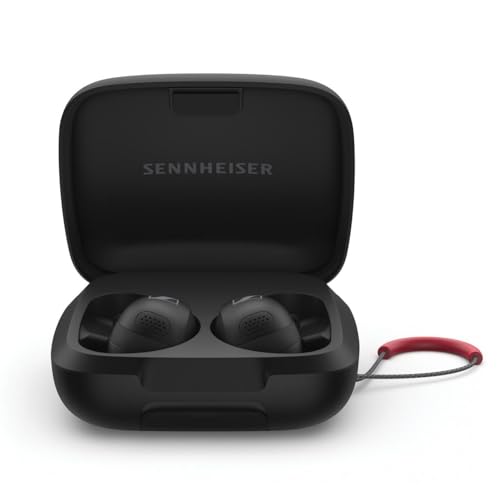
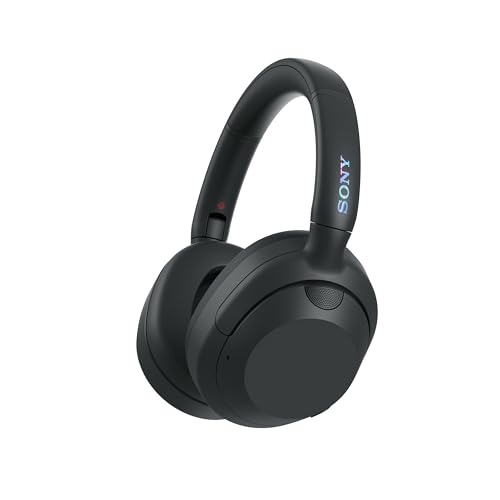
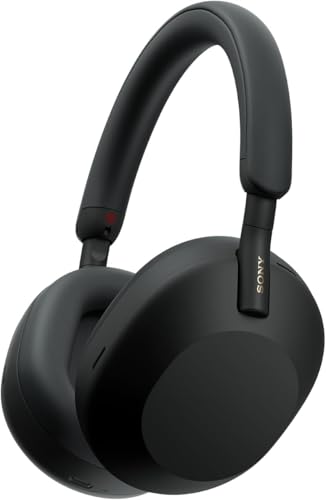
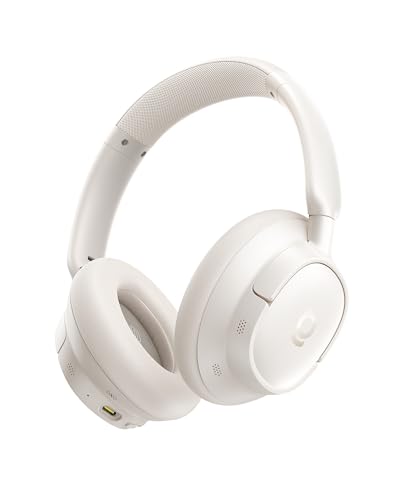
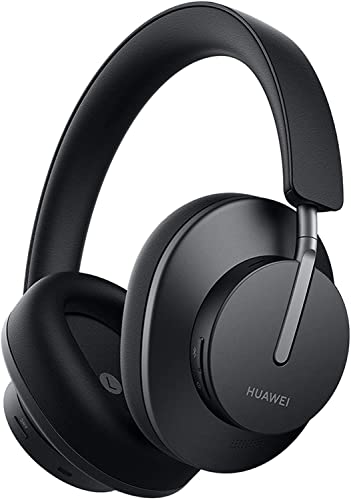
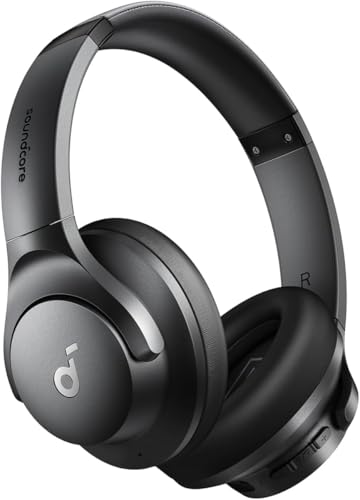
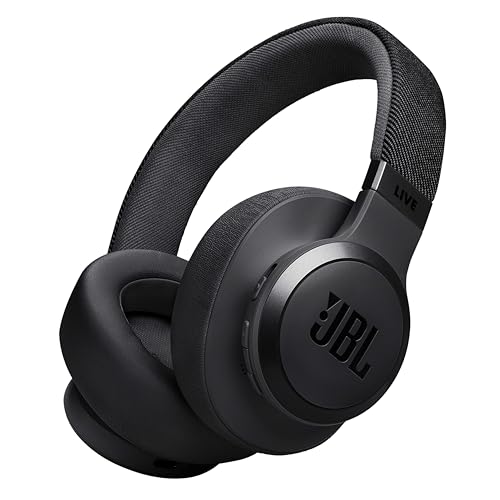
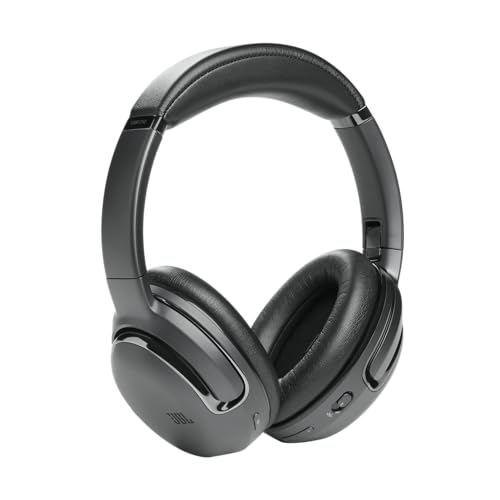
Which brands make the best noise-cancelling headphones?
The best noise-cancelling headphone brands are as follows.
- Baseus (Average overall score: 8.3)
- Sony (Average overall score: 8.3)
- Anker (Average overall score: 8.3)
The chart below ranks noise-cancelling headphone brands by average overall score.
[horizontal-chart-11064344283314864596128608389837141427020573445443]
Which noise-cancelling headphone brands have the highest average user ratings?
The noise-cancelling headphone brands with the highest average user ratings are as follows.
- Bose (Average user rating: 9.4 points)
- Anker (Average user rating: 9.3 points)
- Sony (Average user rating: 9.3 points)
The chart below ranks noise-cancelling headphone brands by average user rating.
[horizontal-chart-04423728866155750031164147258764112783911250342429]
What are noise-cancelling headphones?
Noise-cancelling headphones are headphones that use microphones and processing to reduce outside sound before it reaches your ears.
The main goal of noise-cancelling headphones is to make constant background noise like engines, HVAC hum, office rumble, or train noise less intrusive without forcing you to keep raising the volume.
How do active noise cancellation and passive noise isolation compare?
Active noise cancellation is better at reducing steady low-frequency noise, while passive noise isolation is better at physically blocking sound through fit, pads, or ear-tip seal.
ANC works electronically and is especially useful against engine rumble, ventilation noise, and other consistent background sound, whereas passive isolation depends on the physical design of the headphones and can help more with higher-frequency leakage and voices.
The best noise-cancelling headphones use both together, because strong passive sealing makes ANC work more effectively and reduces the amount of correction the system has to do.
How much do the best noise-cancelling headphones cost?
The best noise-cancelling headphones usually cost about 100-£260, while flagship ANC models can go well above that range.
A lot of ANC products start lower, but the strongest mix of cancellation quality, comfort, microphones, and battery life is usually easier to find around 120-£220.
Cheap noise-cancelling headphones under £60 can still be worth considering, though ANC strength, microphone quality, and tuning are usually where the budget tier gives up the most.
How good is battery life on noise-cancelling headphones?
Battery life on the better noise-cancelling headphones is usually good, with about 20-45 hours of use being the most common practical range when ANC is active.
Some wireless models go higher, but ANC-on endurance around 30 hours is still a strong real-world benchmark.
Battery claims vary with volume, codec use, and ANC intensity, so quoted runtimes should be treated as a ceiling rather than a guaranteed everyday result.
What connectivity options do top noise-cancelling headphones support?
The main connectivity options on stronger noise-cancelling headphones are as follows.
- Bluetooth baseline: Most serious ANC models now use Bluetooth 5.x, which is the normal wireless foundation for stable phone, laptop, and tablet listening.
- Multipoint support: Better models often add two-device multipoint, which matters if you switch regularly between a phone and a computer during the day.
- Codec support: SBC and AAC are the common baseline codecs, while aptX-family options or LDAC appear on part of the market when brands want to offer higher-bandwidth or lower-latency wireless paths.
- Wired fallback: Many stronger ANC headphones also keep a 3.5 mm cable option or USB audio mode, which is useful for flights, low-battery use, or devices where wireless is not ideal.