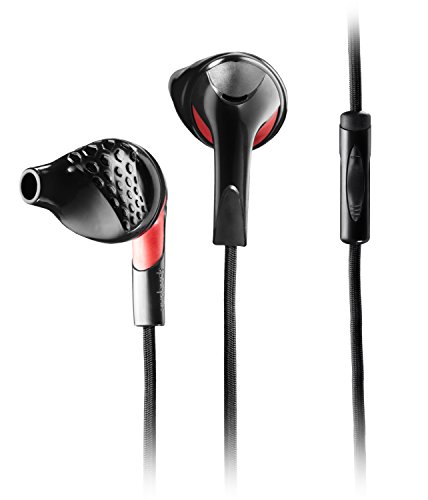
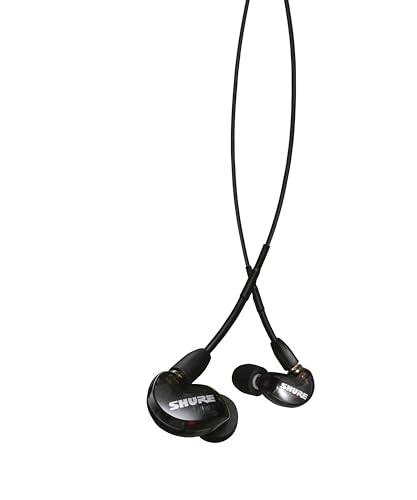
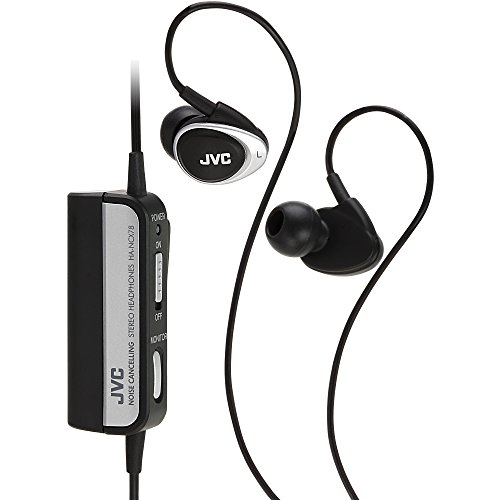
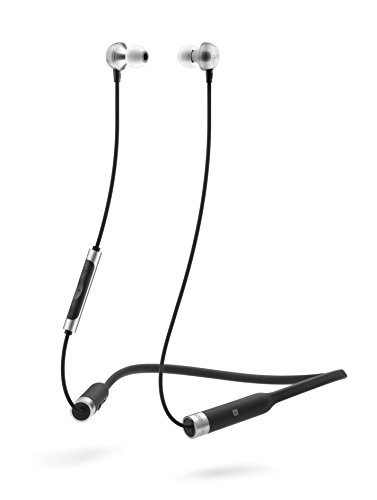
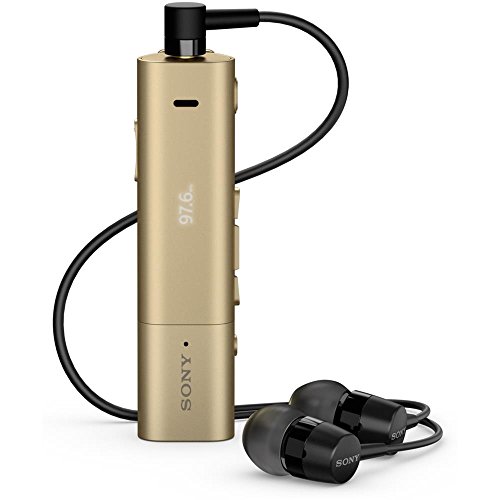
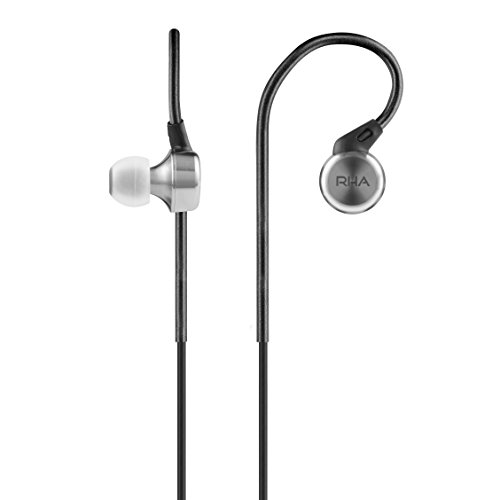
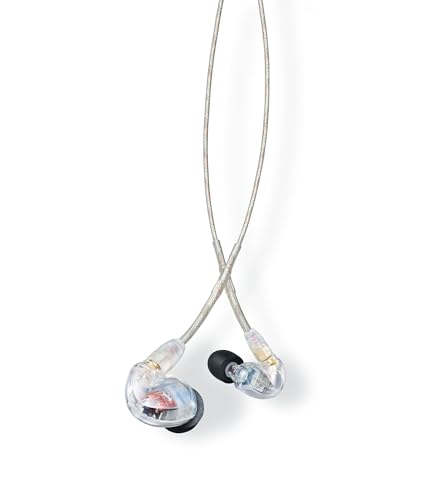
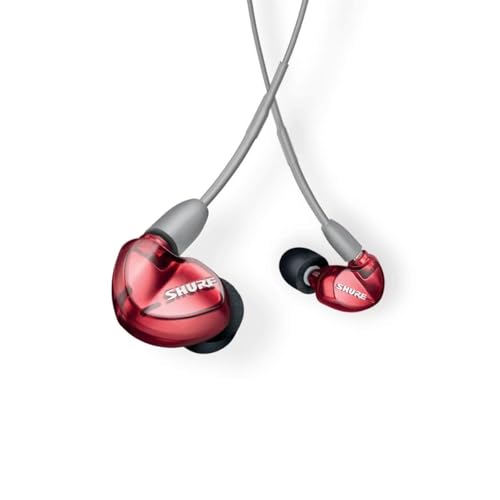
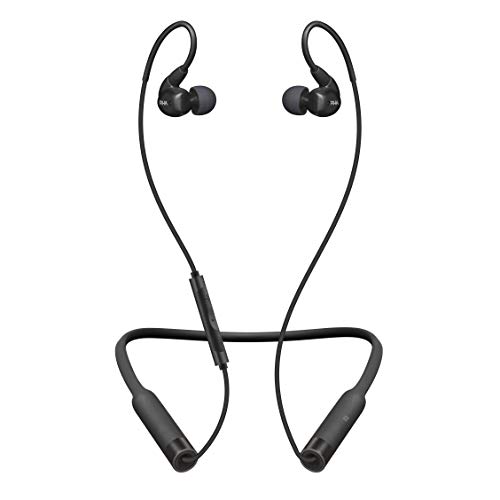
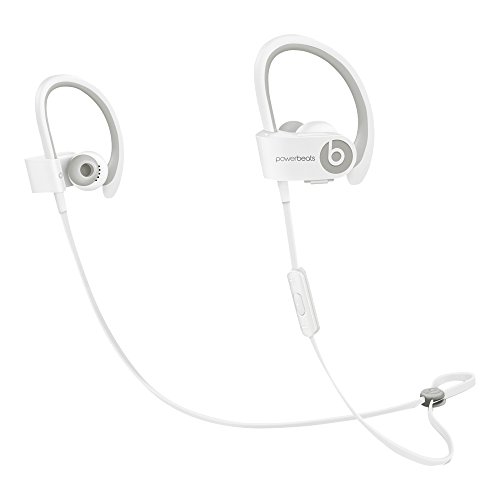
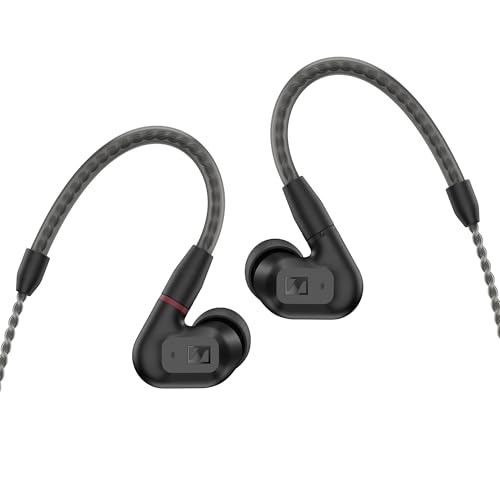
Which brands make the best wireless in-ear headphones?
The best wireless in-ear headphone brands are as follows.
- Apple (Average overall score: 7.9)
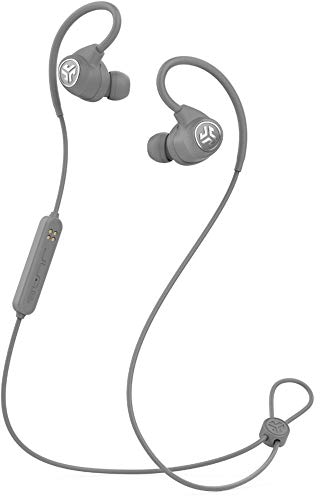
- JLab (Average overall score: 6.6)
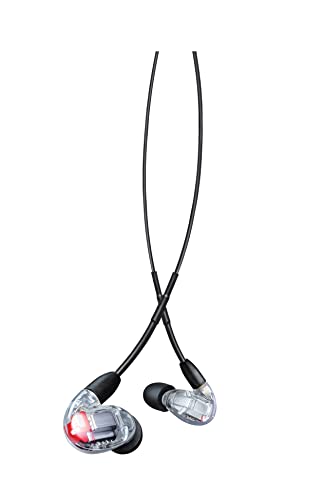
- Shure (Average overall score: 6.1)
The chart below ranks wireless in-ear headphone brands by average overall score.
[horizontal-chart-11661937381919316513010701548646526698413567758233]
Which wireless in-ear headphone brands have the highest average user ratings?
The wireless in-ear headphone brands with the highest average user ratings are as follows.
- Shure (Average user rating: 8.8 points)
- Beats (Average user rating: 8.7 points)
- Philips (Average user rating: 8.5 points)
How much do the best in-ear headphones cost?
The best in-ear headphones usually cost about 30-£130, while premium models can go beyond that range when materials, wireless features, tuning, and brand positioning all move up a level.
A lot of budget in-ear headphones sit below £45, and that part of the market can still be very competitive because compact designs cost less to build than full-size headphones. The stronger balance of tuning, fit, cable quality, or wireless convenience is usually easier to find around 50-£110, while premium true wireless and audiophile in-ear models push much higher.
Very cheap in-ear headphones can still work well for casual use, but ear-tip quality, cable durability, microphone performance, and consistency of fit are often where the lowest price tiers give up the most.
What makes in-ear headphones worth buying?
In-ear headphones are worth buying because they offer the most compact mix of portability, seal, and everyday convenience in the broader headphone market.
In-ear designs are easy to carry, easy to use on the move, and usually much less bulky than on-ear or over-ear alternatives. A good seal can also give them surprisingly strong passive isolation, which is one of the main reasons they work so well for commuting, walking, and general phone-first listening.
The tradeoff is that fit matters much more here than it does on larger headphones. If the tip shape, insertion depth, or housing design does not suit your ears, sound quality, comfort, and isolation can all fall off quickly.
Are in-ear headphones better wired or wireless?
In-ear headphones are not automatically better wired or wireless, because the better choice depends on whether you prioritize simplicity, portability, or cable-free convenience.
Wired in-ear headphones are usually the safer choice if you want lower cost, no battery maintenance, and a straightforward plug-and-play setup. They also make sense if you prefer a lighter earpiece with no charging case and no concern about long-term battery wear.
Wireless in-ear headphones are usually better for commuting, workouts, and phone-first everyday use because they remove cable drag and are easier to pocket quickly. The tradeoff is shorter battery life than larger wireless headphones, plus greater dependence on charging behavior, firmware stability, and case management.
What makes in-ear headphones fit securely?
A secure fit on in-ear headphones comes from the right ear-tip size, stable insertion depth, low housing movement, and a shape that matches your ear rather than fighting it.

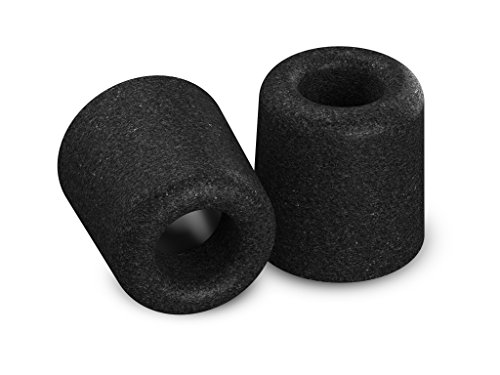
Ear-tip choice is usually the biggest factor. A tip that is too small loses seal and stability, while a tip that is too large can create pressure and become uncomfortable long before the sound itself becomes a problem.

Housing weight, nozzle angle, and cable or stem movement also matter, especially if you use in-ear headphones while walking or exercising. The best-fitting models stay sealed without needing constant adjustment.