
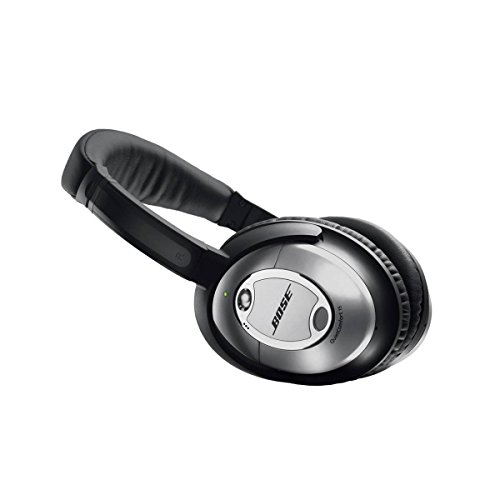
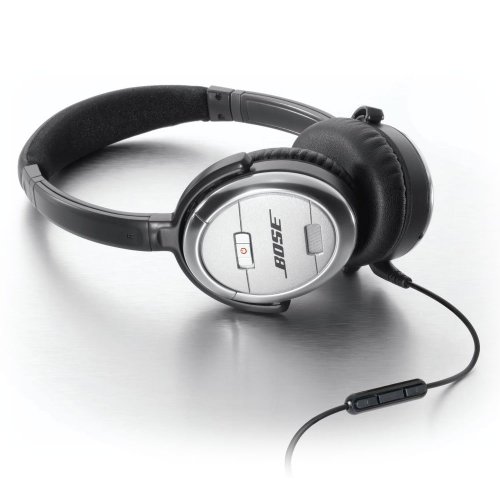
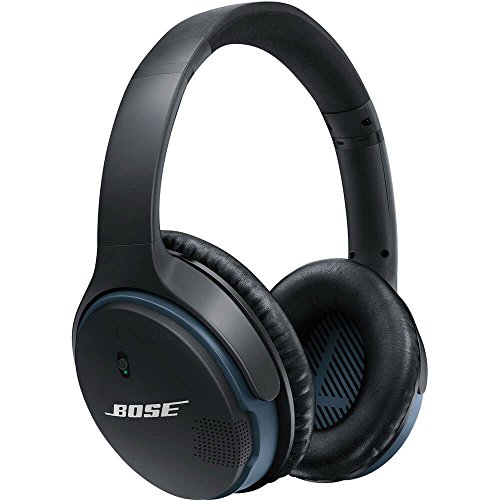
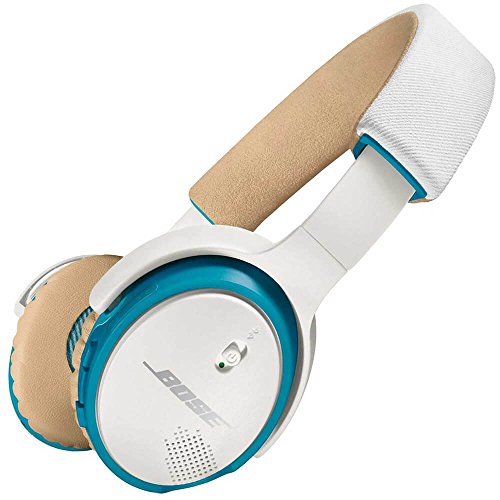
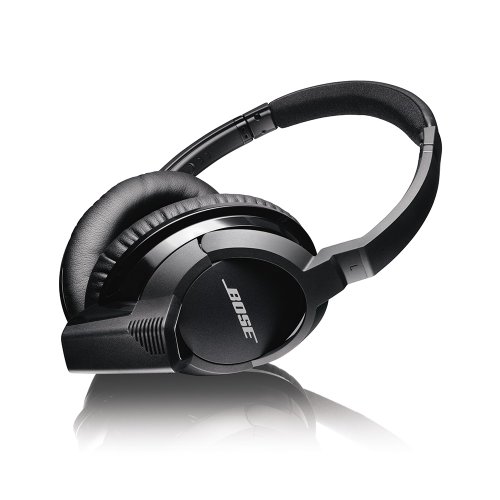
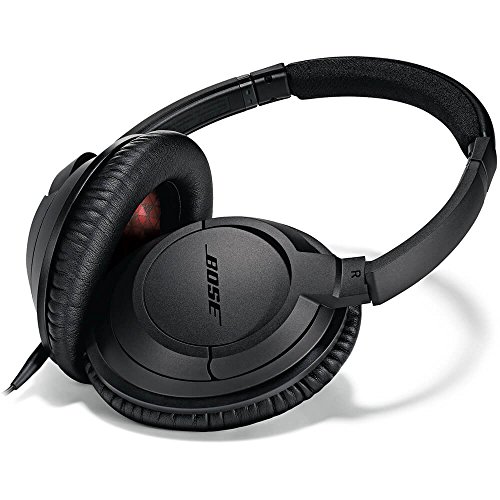
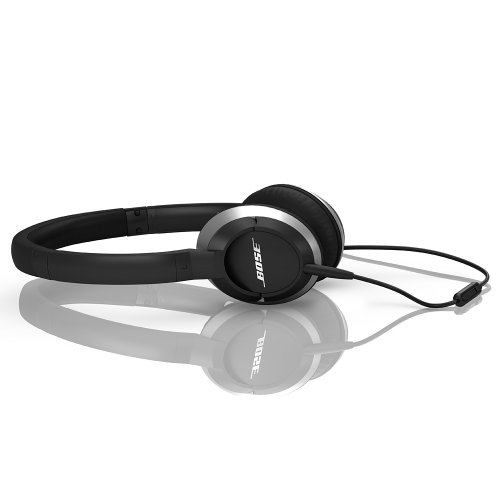
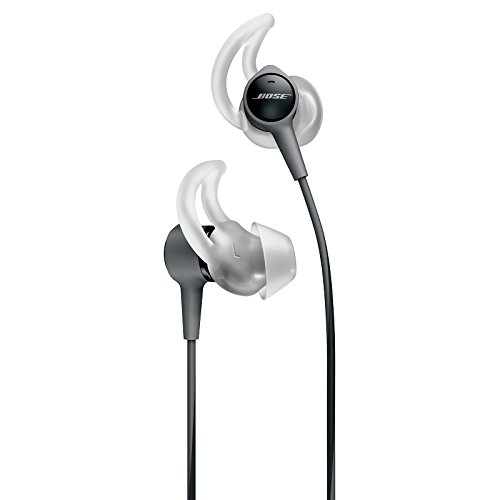
Are Bose headphones good?
Bose headphones have an average overall score of 7.2, ranking #10 among all headphone brands, and a user rating of 9.3, placing them at #1 based on user reviews.
Bose's biggest strength is focus. The brand repeatedly does well at comfort, passive sealing, mainstream tuning, and noise cancelling in the parts of the lineup where most buyers actually shop.
The tradeoff is that Bose is not the broadest or cheapest headphone brand. Much of the real consumer interest sits in QuietComfort and 700-style models, while older wired and legacy products widen the catalog without giving buyers the same modern feature set.
Bose headphones make the most sense for buyers who want a polished premium travel or everyday listening option and are willing to pay more for comfort, ANC, and brand consistency than they would with value-first rivals.
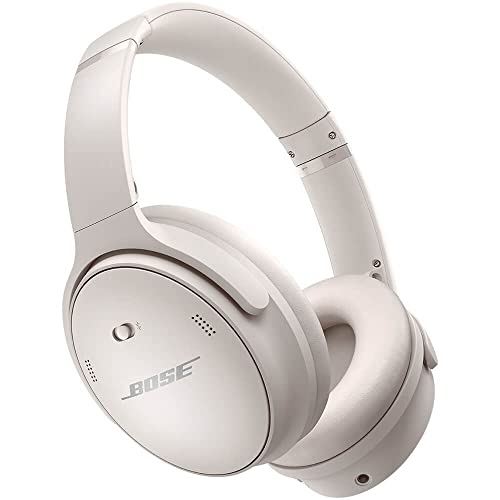
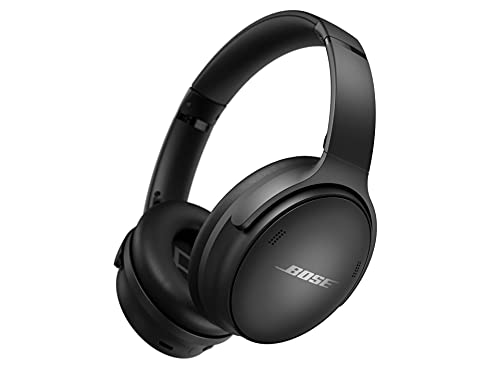
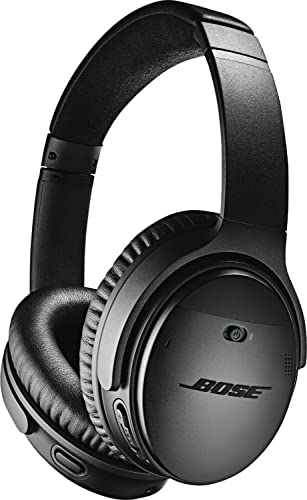
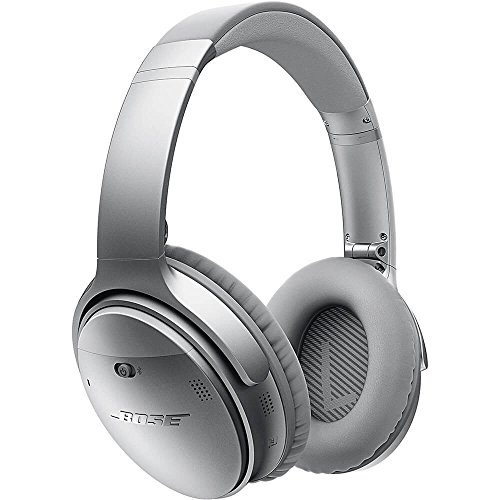
The best Bose headphones are as follows:
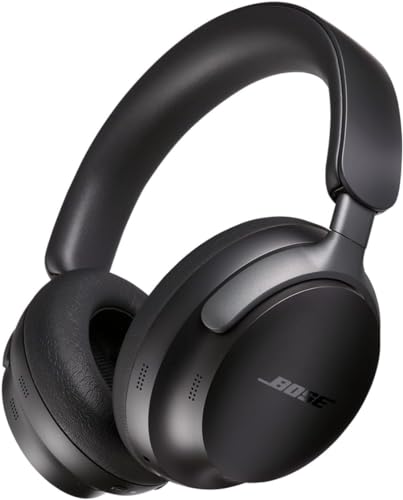
- Bose QuietComfort Ultra Headphones (Overall score: 8.41)
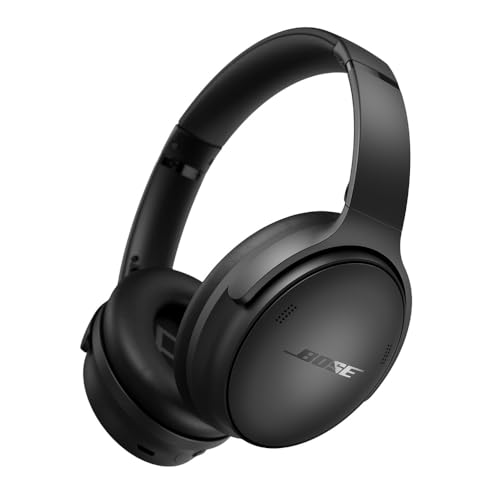
- Bose QuietComfort Headphones (Overall score: 8.36)
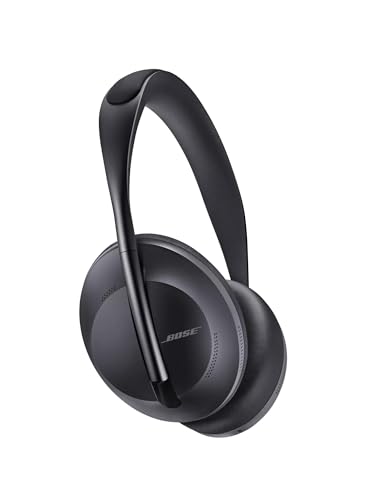
- Bose Noise Cancelling Headphones 700 (Overall score: 8)
The chart below ranks headphone brands by average overall score and shows where Bose stands.
[horizontal-chart-07651949361052647855064281883428571797840542035701]
What are the main advantages of Bose headphones?
The main advantages of Bose headphones are as follows.
- Excellent noise cancellation: Bose remains one of the strongest names for commute, flight, and office ANC, especially if comfort matters as much as raw noise reduction.
- Outstanding long-session comfort: Lower clamp pressure, soft pads, and stable over-ear ergonomics make Bose especially strong for extended daily wear.
- Very good call quality: Microphone systems and voice handling are usually more reliable than average, which helps the brand in hybrid work and travel use.
- Simple user experience: Bose tends to keep controls, pairing, and app behavior easy to understand compared with brands that overload the software side.
- Strong over-ear travel identity: Compared with brands that split attention across many segments, Bose has a very clear focus on premium daily wireless listening.

What are the main disadvantages of Bose headphones?
The main disadvantages of Bose headphones are as follows.
- Excellent noise cancellation: Bose remains one of the strongest names for commute, flight, and office ANC, especially if comfort matters as much as raw noise reduction.
- Outstanding long-session comfort: Lower clamp pressure, soft pads, and stable over-ear ergonomics make Bose especially strong for extended daily wear.
- Very good call quality: Microphone systems and voice handling are usually more reliable than average, which helps the brand in hybrid work and travel use.
- Simple user experience: Bose tends to keep controls, pairing, and app behavior easy to understand compared with brands that overload the software side.
- Strong over-ear travel identity: Compared with brands that split attention across many segments, Bose has a very clear focus on premium daily wireless listening.

Who makes Bose headphones?
Bose headphones are made by Bose Corporation, an American audio company best known for consumer speakers, headphones, home audio, and noise-cancelling technology. That background helps explain why the headphone range prioritizes comfort, easy mainstream tuning, and practical travel use.
Bose's role in the market is not to cover every audio niche at once. The brand is much more focused on polished consumer listening, premium convenience, and ANC than on studio monitoring, bargain-basement entry products, or enthusiast experimentation.
In practical buying terms, Bose sits in the premium mainstream lane. Buyers usually come to the brand for a smoother ownership experience and strong noise cancelling rather than for chasing the cheapest deal or the most specialist sound signature.
What are the main Bose headphone series?
The main Bose headphone series are as follows.
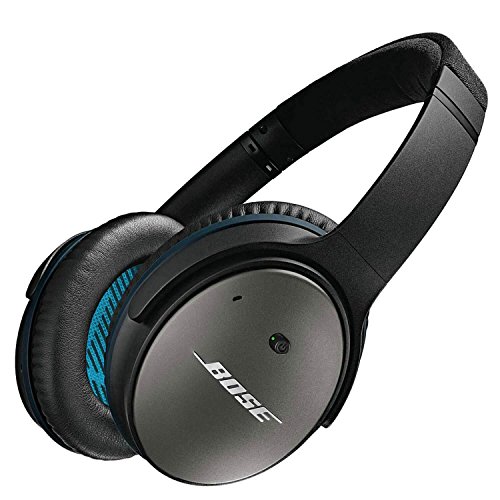
- QuietComfort: QuietComfort is the core Bose family for premium over-ear comfort and active noise cancellation, and it is still the clearest place to start for most buyers.
- Noise Cancelling Headphones 700: The 700 branch is Bose's more design-forward premium ANC line, aimed at buyers who want modern styling and flagship travel features.
- SoundLink: SoundLink covers wireless everyday listening products such as on-ear and around-ear consumer models.
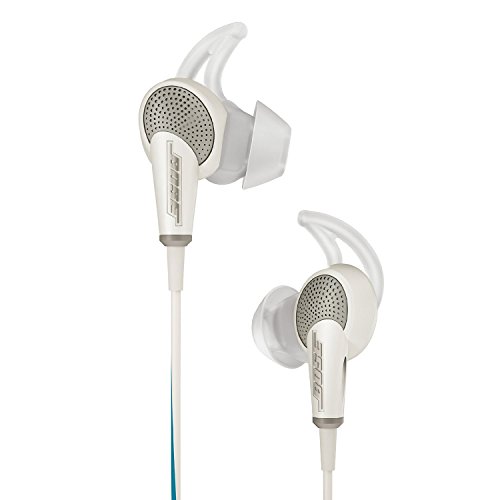
- SoundSport and other in-ear lines: This branch covers Bose's more portable and workout-friendly in-ear products, including SoundSport and compact QuietComfort in-ear designs.
- AE, OE, IE, and related legacy lines: These older wired or simpler portable families still show up in the wider catalog and help explain the brand's long-running headphone history.
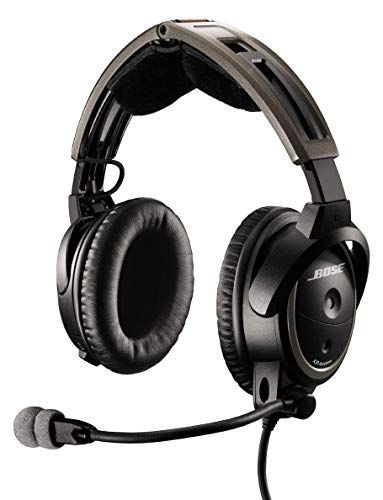
- A20 aviation: A20 is a specialist aviation headset line, important to Bose's broader audio identity but far outside normal consumer-headphone buying.
How much do Bose headphones cost?
Bose headphones usually cost about 100-£950, but most realistic consumer choices sit around 150-£280. That middle zone covers the core QuietComfort and 700-style products that define the brand for most buyers.
Price differences inside Bose are driven more by product type than by model count alone. Cheaper wired or older in-ear models sit near the bottom, mainstream premium ANC headphones occupy the center, and specialist products such as aviation headsets push far above normal consumer pricing.
For most buyers, the best-value Bose choices are not at the absolute extremes. The 150-£280 range is where the brand's comfort, ANC, and travel-friendly design usually make the most sense, while the £340+ tier fits only buyers who specifically want the newest flagship or a niche professional model.
This chart visualizes Bose headphone prices.
[vertical-chart-17693079212484358588183121701931919865111321643507]
How do Bose headphones compare with Sony and Apple headphones?
Bose headphones usually compare with Sony headphones as the narrower but more comfort-and-ANC-focused lineup, while Sony is the broader brand with more choice across budgets, form factors, and specialist branches. Bose is often stronger for buyers who want a simpler premium shortlist centered on commuting, travel, and mainstream over-ear listening.
Against Apple, Bose is the more traditional dedicated headphone brand with a wider spread of true headphone models and price points, while Apple is much smaller as a headphone brand and leans more heavily on ecosystem convenience. Buyers who want deep Apple-device integration may still prefer Apple, but Bose usually makes more sense if you want more headphone choice outside one phone ecosystem and do not want the catalog reduced to just a few headline models.
What should you consider while choosing Bose headphones?
When you choose Bose headphones, you should focus on the following key aspects:
- ANC quality: If you travel or work in noisy places, put ANC near the top of your list. Bose is strongest when commute, flight, and office noise cancellation are the main reason to buy. Its better models usually prioritize smooth real-world suppression and pressure comfort over flashy spec-sheet variety.
- Comfort: If you will wear the headphones for hours, put comfort high on your list. Lower clamp force, soft pads, and long-session wear are major Bose strengths, especially in over-ear travel models. Buyers who wear headphones for whole workdays should treat comfort as one of the brand's core specs.
- Microphone performance: If calls or chat matter, treat the microphone as a core spec. Bose usually pays real attention to call quality and background-noise handling, which makes the brand attractive for hybrid work as well as for music listening. The voice path is often stronger than on many style-first travel rivals.
- Battery life: Check the real battery figure for your kind of use, not just the best-case claim. Bose wireless over-ears often sit below the longest-lasting Sony or Marshall models, so check whether the runtime is enough for your real travel pattern rather than assuming the premium tier guarantees huge endurance.
- Tuning style: Think about the sound you actually want, not just the brand name. The sound is generally smooth, easygoing, and broadly consumer-friendly rather than sharply analytical. That makes Bose comfortable for long casual listening, but it may not satisfy buyers chasing strict neutrality or audiophile-style detail focus.