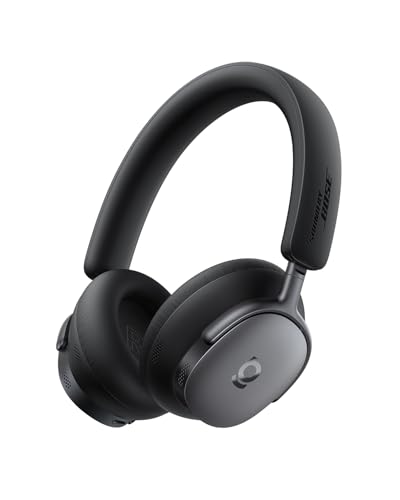
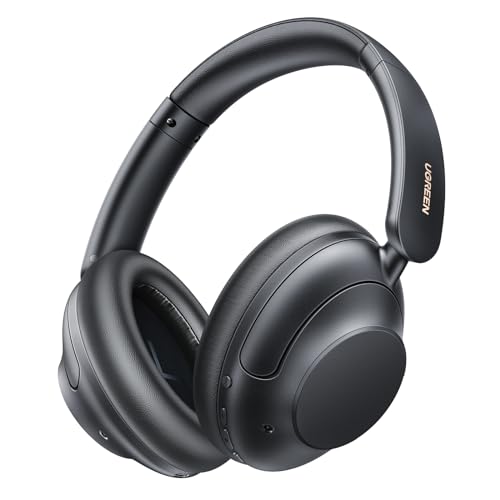
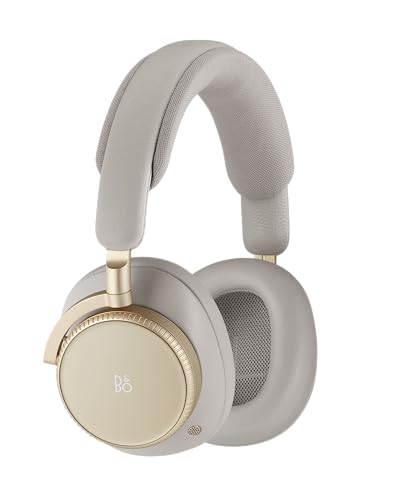
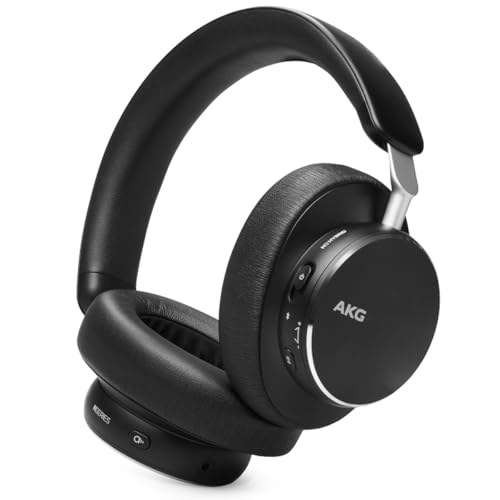
Which brands make the best sports headphones?
The best sports headphone brands are as follows.
- Baseus (Average overall score: 7.8)
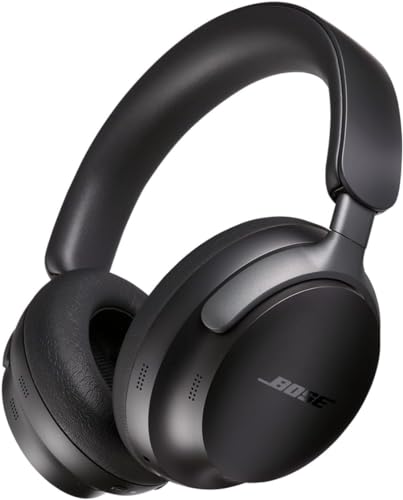
- Bose (Average overall score: 7.2)
- Boult (Average overall score: 7)
The chart below ranks sports headphone brands by average overall score.
[horizontal-chart-05875208146562662299004492597629955076052634509820]
Which sports headphone brands have the highest average user ratings?
The sports headphone brands with the highest average user ratings are as follows.
- Sony (Average user rating: 9.2 points)
- Bose (Average user rating: 9.2 points)
- JBL (Average user rating: 9 points)
The chart below ranks sports headphone brands by average user rating.
[horizontal-chart-03618919179413357618025174451726696825040472753429]
How much do the best sports headphones cost?
The best sports headphones usually cost about 80-£170, while simpler workout-focused options start lower and a few premium crossover models go higher.
A lot of cheaper sports headphones sit around 30-£60, but the stronger mix of secure fit, sweat resistance, battery life, and control quality is usually easier to find around 80-£130. That is the part of the market where sports models stop feeling disposable and start handling repeated training use more confidently.
Very cheap sports headphones can still work, but fit stability, moisture handling, and long-session comfort are often where the lowest tiers fall short. Above about 180-£170, extra money does not always buy better sports performance itself; sometimes it goes toward broader travel features, stronger ANC, or a more premium lifestyle design.
What makes headphones suitable for sports?
Headphones are suitable for sports when they resist sweat, stay secure across repeated movement, and remain easy to live with once the activity gets harder.
A sports-friendly model should keep its fit during running, jumping, gym work, cycling, or general movement without demanding constant readjustment. That is why fit security, moisture tolerance, and practical controls often matter more here than the most dramatic bass or the widest possible soundstage.
Sports suitability also depends on repeat use rather than one brief test. Tips, hooks, pads, buttons, cable routing, and heat buildup all matter more once the headphone has to stay comfortable and predictable across many sessions instead of just a few minutes.
How important is sweat resistance for sports headphones?
Sweat resistance is very important for sports headphones, because repeated moisture exposure is one of the main ways active-use headphones become uncomfortable or unreliable over time.
Even light training can expose headphones to skin oils, heat, humidity, and repeated sweat contact. Without decent resistance, surfaces become harder to keep clean, controls can feel worse to use, and the headphone is more likely to age badly once active use becomes a routine rather than an occasional event.
Sweat resistance alone does not make a headphone great for sports, but it is a practical baseline. A model with strong sound but poor moisture tolerance is usually a weaker sports choice than one that handles sweat properly and stays easy to use after repeated sessions.
Are sports headphones better in-ear or bone conduction?
In-ear sports headphones are usually better than bone-conduction ones when you want the stronger mix of secure fit, sound quality, and overall versatility.
In-ear models make more sense when your priority is a tighter seal, lower wind interference, and better sound for music, podcasts, or general training use. They are also more common in the current sports-headphone pool, which means there is usually more real choice in fit style and price.
Bone-conduction headphones can still make sense when environmental awareness matters more than sound quality or isolation, but there are no live rankable bone-conduction models inside this current sports slice. For most buyers here, the practical sports edge still leans toward in-ear designs rather than open-ear alternatives.
What should you consider while choosing sports headphones?
When you choose sports headphones, you should focus on the following key aspects:
- Fit security: If movement matters, start with fit. Sports headphones need a more secure fit than everyday earbuds, whether through hooks, wings, neckbands, or a low-movement shell. A loose fit quickly turns into inconsistent sound and distraction once movement becomes repetitive.
- Water resistance: If you sweat a lot or train outdoors, check the protection rating early. Sport use puts much more stress on seals than desk listening does, so sweat ratings and general durability deserve a direct check. IPX4 is a common practical floor, while harder training or outdoor use can justify more protection.
- Connection stability: Bluetooth dropouts are much more obvious during motion and outdoors than at a desk. A sport headphone should reconnect quickly, maintain signal cleanly, and not depend on very careful phone placement.
- Weight: Lighter designs usually disappear more easily over long sessions, while heavier models can shift or chafe as pace rises. In sports use, a few grams and better balance can matter more than a modest battery advantage.
- Controls: Buttons, touch zones, and voice prompts need to stay usable while moving. On a sports headphone, unreliable controls become a bigger problem than they are in office or sofa listening because there is less time to correct mistakes.