
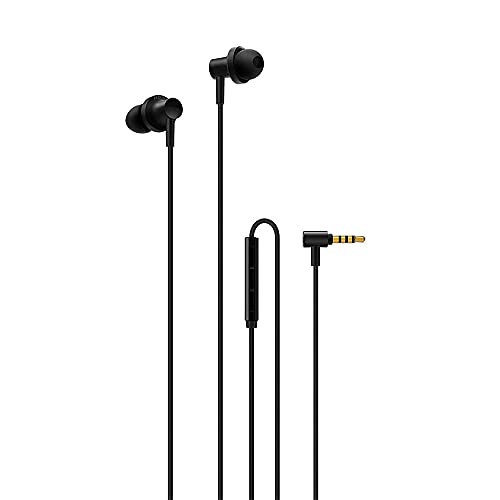
Are Xiaomi headphones good?
Xiaomi headphones are usually positioned as budget-friendly everyday headphones with a strong value focus rather than as a premium all-category lineup.
The limitation is scale. Xiaomi's headphone lineup is still much smaller and less complete than the ranges offered by the biggest audio brands, so buyers do not get the same spread of premium, wired, sport, and over-ear options.
In practical buying terms, Xiaomi makes the most sense for buyers who want straightforward value and do not need a large internal shortlist. It is a pragmatic brand choice rather than a broad audiophile or premium-headphone destination.
What are the main advantages of Xiaomi headphones?
The main advantages of Xiaomi headphones are as follows.
- Feature-heavy wireless models: Xiaomi is good at combining ANC, app control, multipoint-style convenience, and modern Bluetooth features in compact wireless headphones.
- Strong earbud focus: The brand is especially relevant if you want true wireless earbuds rather than large home-listening or audiophile headphones.
- Solid battery and charging: Battery life, USB-C charging, and quick top-up behavior are usually practical strengths across the better wireless models.
- Useful Android integration: The headphones often make the most sense in mobile-first use where app control, fast pairing, and phone-oriented features matter.
- Good everyday carry design: Smaller cases and lightweight buds make Xiaomi practical for commuting, casual listening, and portable daily use.

What are the main disadvantages of Xiaomi headphones?
The main disadvantages of Xiaomi headphones are as follows.
- Feature-heavy wireless models: Xiaomi is good at combining ANC, app control, multipoint-style convenience, and modern Bluetooth features in compact wireless headphones.
- Strong earbud focus: The brand is especially relevant if you want true wireless earbuds rather than large home-listening or audiophile headphones.
- Solid battery and charging: Battery life, USB-C charging, and quick top-up behavior are usually practical strengths across the better wireless models.
- Useful Android integration: The headphones often make the most sense in mobile-first use where app control, fast pairing, and phone-oriented features matter.
- Good everyday carry design: Smaller cases and lightweight buds make Xiaomi practical for commuting, casual listening, and portable daily use.

Who makes Xiaomi headphones?
Xiaomi makes Xiaomi headphones.
In practice, Xiaomi is a large consumer-tech company whose audio products usually sit in the broader value-for-money ecosystem around the brand rather than in a luxury-audio or specialist hi-fi space. That matches the current Headphones slice here, which is small and budget-led.
What are the main Xiaomi headphone series?
The main Xiaomi headphone series are as follows.
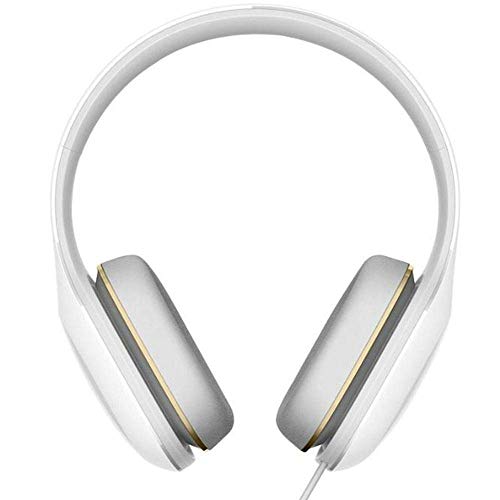
- Mi Headphones: This is the fuller-size branch and the place to start if you want Xiaomi's more traditional over-ear or on-ear listening direction rather than its smallest portable products. It represents the cleaner, more obvious headphone side of the brand.
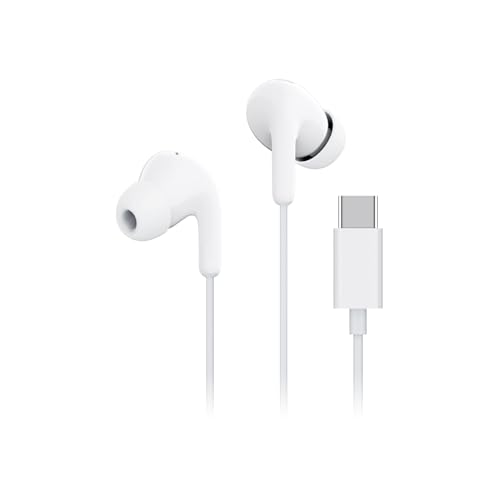
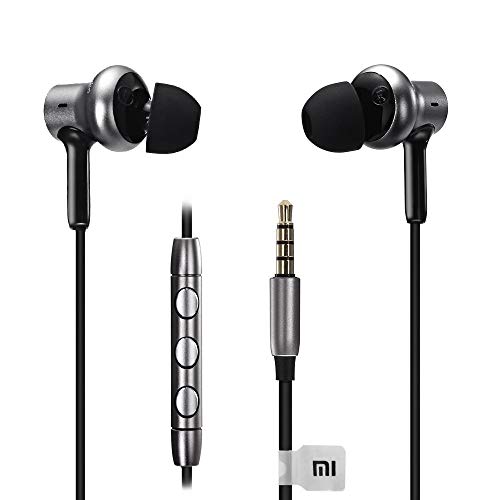
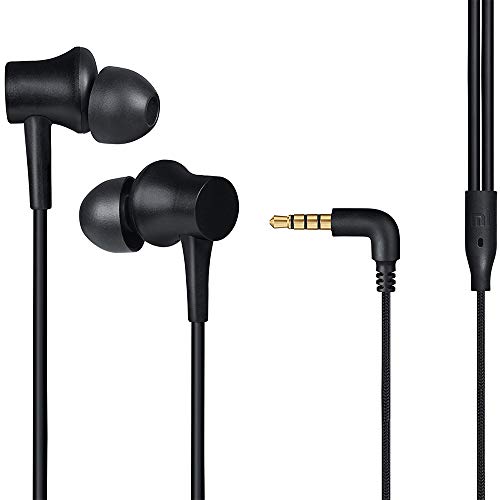
- Mi In-Ear Headphones: This is the main earphone branch and the clearest choice for simple cable-first portable listening. For many buyers, it explains Xiaomi's audio identity better than the full-size line, because it reflects the brand's low-cost mainstream electronics feel.
- Redmi side products: Some lower-cost Xiaomi audio models sit under Redmi-style branding, which helps explain the budget-first spread of the wider ecosystem. These products matter if price is the main filter and brand family structure matters less than getting a basic usable product.
- Basic everyday structure: Xiaomi's naming is much simpler than on large audio brands, so buyers are usually choosing by form factor more than by a deep family ladder. That simplicity can be helpful, but it also means there is less internal branching once you want something more specialized.
- Budget emphasis: Across these names, the main identity stays inexpensive and mainstream rather than premium or specialist-led. In practical terms, the series structure is useful mostly for separating cheap full-size products from cheap in-ear products, not for navigating a huge audio hierarchy.
How much do Xiaomi headphones cost?
Xiaomi headphones usually cost about 20-£90, and the whole lineup stays inside that budget band.
That makes Xiaomi one of the cheapest brands in the headphone market. The lineup is entirely low-cost, so Xiaomi is positioned much more as an entry-level value brand than as a mid-range or premium headphone option.
How do Xiaomi headphones compare with Sony headphones?
Xiaomi headphones usually compete with Sony by offering a much cheaper and narrower value-oriented alternative, while Sony models more often lead on range depth, wireless variety, ANC, and premium listening options.
Sony is generally the stronger benchmark if you want broad category choice or higher-end consumer audio. Xiaomi is usually the more relevant option only when spending less matters much more than lineup depth or premium features.
What should you consider while choosing Xiaomi headphones?
When you choose Xiaomi headphones, you should focus on the following key aspects:
- Form factor: Start by choosing the shape that fits how you will use the headphones. Xiaomi is strongest in true wireless earbuds, with a smaller over-ear lane and some neckband-style sport options. That means fit, seal, and case behavior are usually more important here than headband comfort or desk use.
- ANC quality: If you travel or work in noisy places, put ANC near the top of your list. Noise cancellation is one of Xiaomi's main separators. Better models can be very competent for commuting, while simpler ones often act more like mild rumble reduction than true premium travel ANC.
- Codec support: Check whether your phone or laptop can actually use the better codecs on offer. Bluetooth codec support, low-latency modes, and app control matter because Xiaomi often competes through feature density. If you use Android heavily, these extras can matter more than a small difference in driver size.
- Battery life: Check the real battery figure for your kind of use, not just the best-case claim. Many Xiaomi earbuds sit around 5-10 hours per charge depending on ANC use, with the case extending total life much further. That spread matters because two similar-looking buds can land in very different practical endurance tiers.
- Call performance: If calls matter, treat call quality as a core buying point. Beamforming microphones and wind handling are worth checking carefully if the earbuds will be used for work calls. Xiaomi can be strong here, but the microphone side is not equally polished in every branch.