
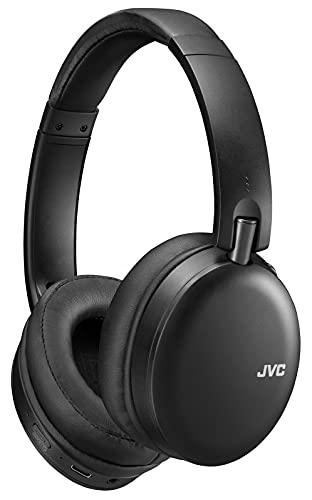
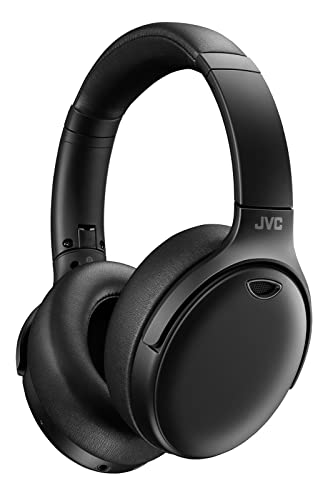
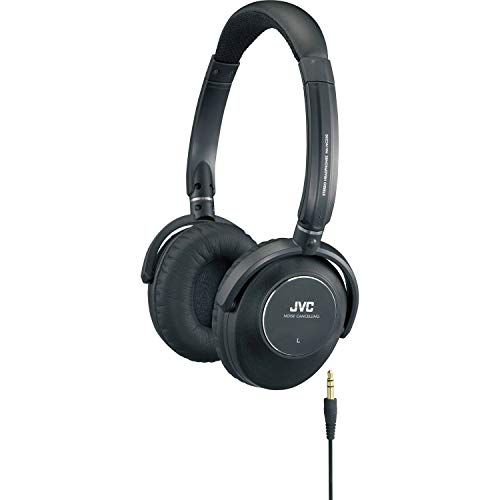
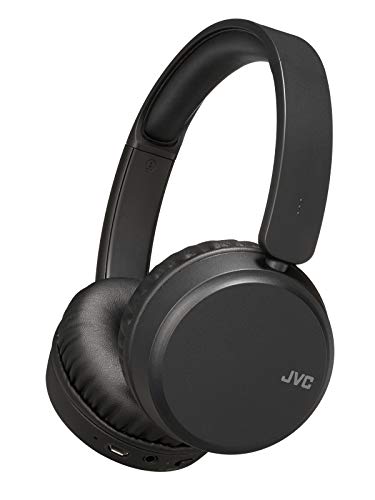
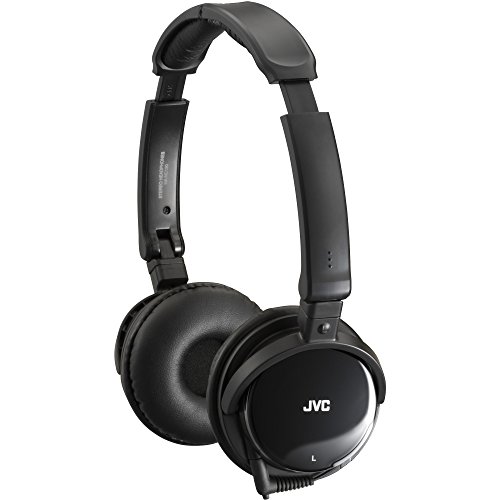
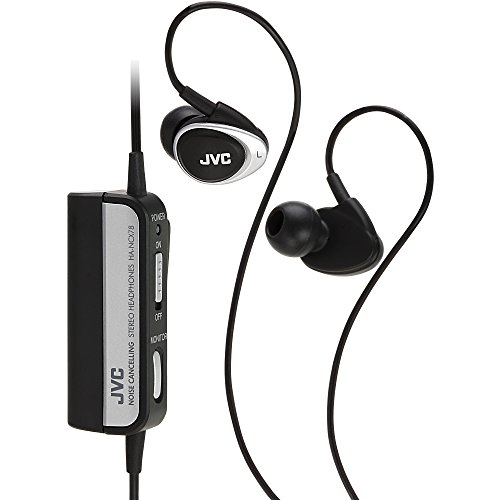
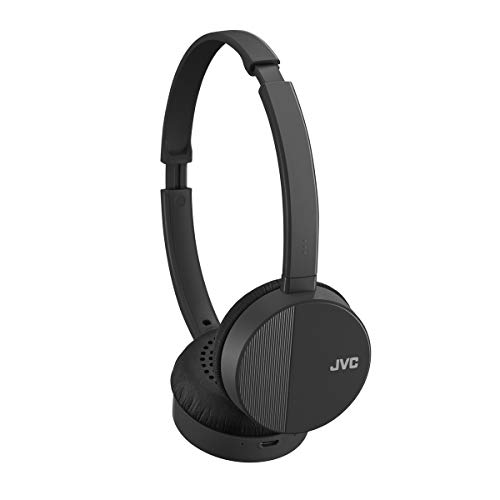
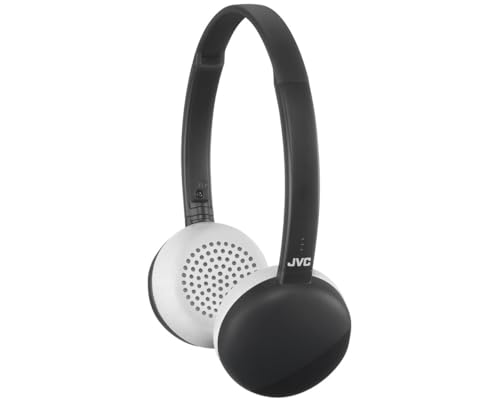
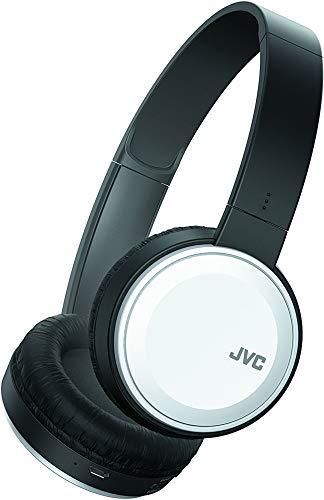
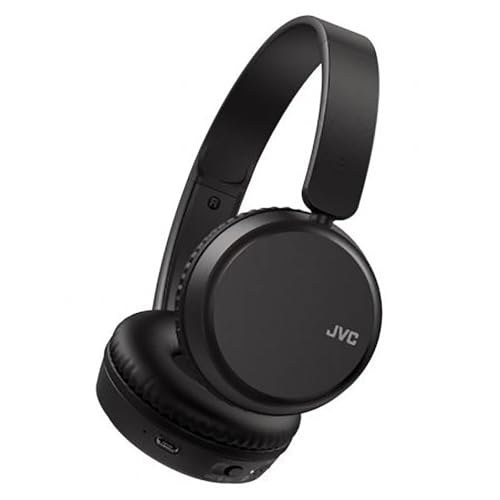
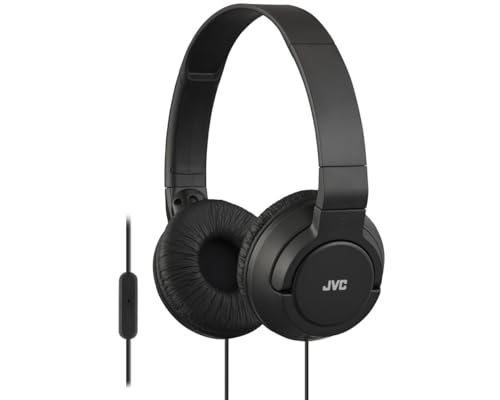
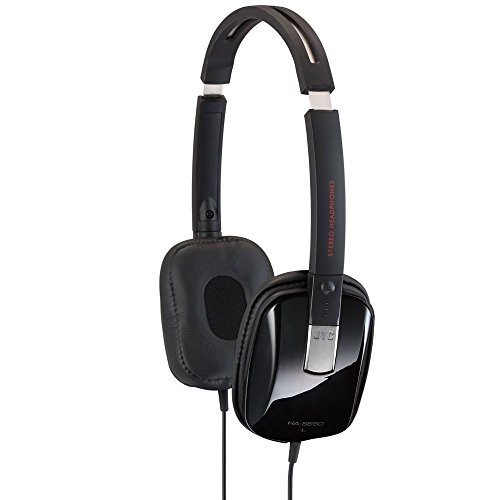
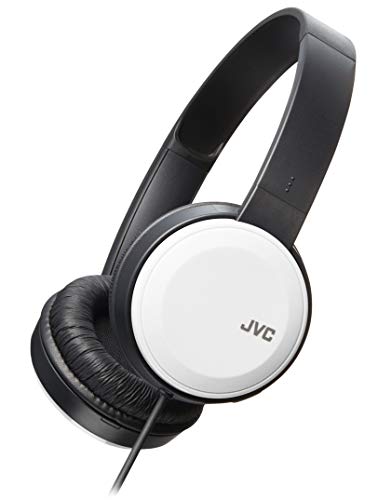
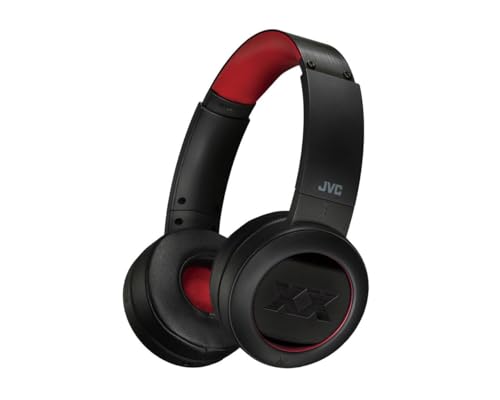
Are JVC headphones good?
JVC headphones have an average overall score of 6.4, ranking #25 among all headphone brands, and a user rating of 8.9, placing them at #17 based on user reviews.
JVC's main strengths in this category are low entry prices, broad budget coverage, and a lineup that still reaches into in-ear, on-ear, over-ear, kids, and basic noise-cancelling use cases instead of staying in only one narrow niche.
The main tradeoff is that JVC is not one of the category's strongest premium-audio brands. Its range is much more convincing when you want affordable everyday listening than when you want the deepest flagship ANC, the most refined wireless ecosystem, or the broadest high-end model range.
JVC headphones make the most sense for buyers who want straightforward value and recognizable brand coverage at lower prices, especially when simple wired or affordable wireless listening matters more than premium-brand polish.
The chart below ranks headphone brands by average overall score and shows where JVC stands.
[horizontal-chart-07651949361052647855064281883428571797840542035701]
What are the main advantages of JVC headphones?
The main advantages of JVC headphones are as follows.
- Broad entry-level wired choice: JVC remains useful if you want simple wired earphones, compact on-ear models, or larger home headphones without depending on apps, charging cases, or software.
- Multiple basic form factors: The brand covers in-ear, on-ear, and over-ear listening well enough that buyers can choose by fit and use case rather than by one fixed product style.
- Straightforward plug-and-play use: Many JVC models work as simple headphones without wireless pairing, firmware, or ecosystem setup, which still matters to plenty of buyers.
- Useful home-listening branch: Larger over-ear families give JVC more relevance for TV and desk listening than brands that focus only on small mobile earbuds.
- Low-complexity product design: The catalog is easier to live with if you want basic listening hardware rather than a feature-heavy wireless ecosystem.
What are the main disadvantages of JVC headphones?
The main disadvantages of JVC headphones are as follows.
- Broad entry-level wired choice: JVC remains useful if you want simple wired earphones, compact on-ear models, or larger home headphones without depending on apps, charging cases, or software.
- Multiple basic form factors: The brand covers in-ear, on-ear, and over-ear listening well enough that buyers can choose by fit and use case rather than by one fixed product style.
- Straightforward plug-and-play use: Many JVC models work as simple headphones without wireless pairing, firmware, or ecosystem setup, which still matters to plenty of buyers.
- Useful home-listening branch: Larger over-ear families give JVC more relevance for TV and desk listening than brands that focus only on small mobile earbuds.
- Low-complexity product design: The catalog is easier to live with if you want basic listening hardware rather than a feature-heavy wireless ecosystem.
Who makes JVC headphones?
JVC makes JVC headphones.
In practice, JVC is a long-established Japanese electronics brand whose headphone lineup here is aimed much more at accessible everyday listening than at luxury-audio positioning. That background shows up clearly in the range, because the brand's headphones are concentrated in simpler mainstream and budget-friendly products.
What are the main JVC headphone series?
The main JVC headphone series are as follows.
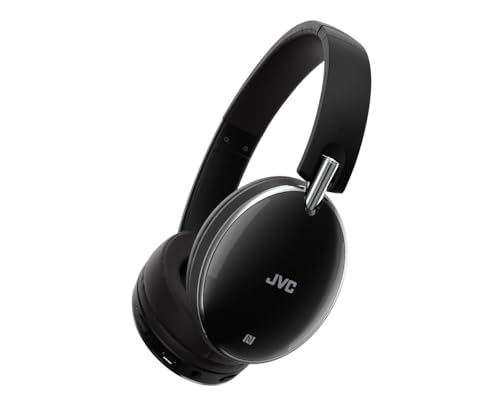
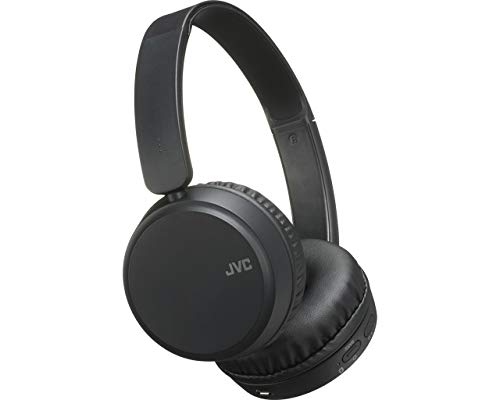
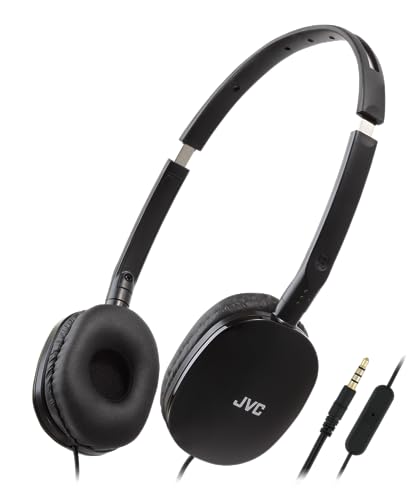
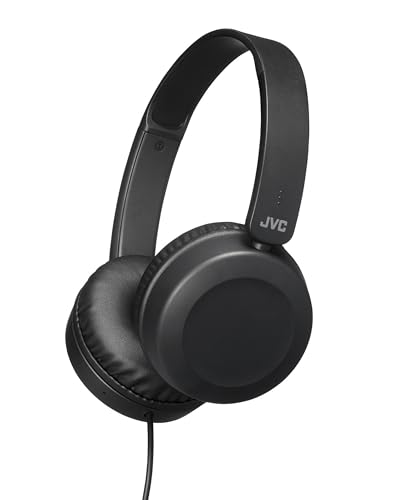
- HA-S: HA-S is JVC's portable on-ear and compact everyday branch. It is usually the family to check first if you want lower-cost travel use, lighter headband designs, and simple daily listening rather than large full-size home headphones.
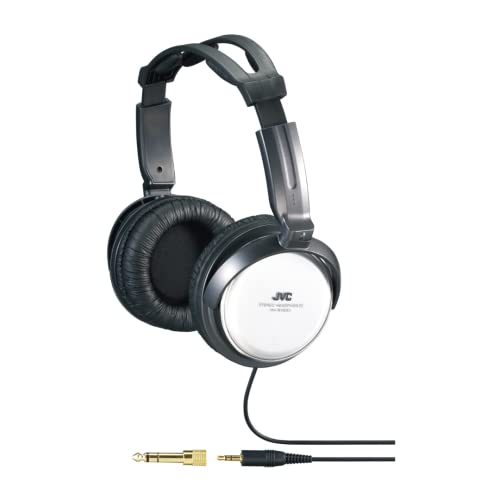
- HA-RX: HA-RX is the fuller over-ear home-listening line. Compared with HA-S, it points more toward larger earcups, a more stationary fit, and buyers who want a bigger traditional headphone shape for desk or home use.
- HA-FX: HA-FX covers in-ear models and is the clearest branch for simple low-cost JVC earphones. If the goal is portability, small size, and inexpensive everyday earbud-style use, this is usually the family doing that work.
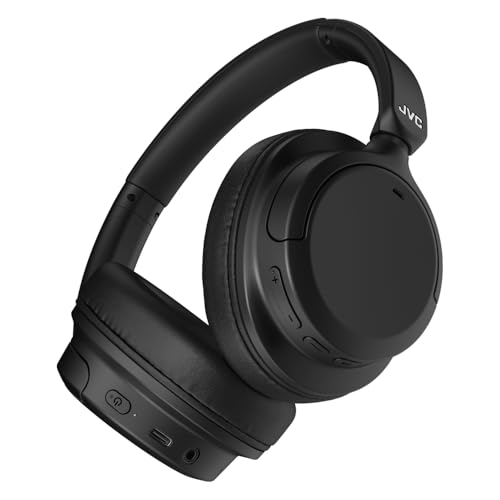
- HA-NC: HA-NC is the noise-cancelling line. It matters when buyers want JVC's more travel-oriented and isolation-focused products instead of the brand's simpler basic wired or portable branches.
- HA-KD: HA-KD is the kids line, built around smaller sizing, simpler use, and family-oriented buying. It stands out because it gives JVC a clearer youth-focused branch than many other budget-oriented brands bother to maintain.
How much do JVC headphones cost?
JVC headphones usually cost about 10-£170, with most of the current range sitting below £90 and a large share even below £45.
That pricing makes JVC one of the more budget-oriented brands in the category. The lower end covers many of the brand's simplest wired and entry wireless options, while the upper end is relatively small and includes a few stronger noise-cancelling or better-equipped models rather than a deep flagship tier.
How do JVC headphones compare with Sony headphones?
JVC headphones usually compete with Sony by offering lower-cost and simpler everyday listening value, while Sony models more often lead on premium wireless depth, flagship ANC, and broader high-end choice.
Sony is generally the stronger benchmark if you want a richer ecosystem across in-ear, over-ear, sports, travel, and top-tier ANC categories. JVC is usually the better fit if your priority is to spend less and still get a recognizable brand with practical options across several basic headphone styles.
What should you consider while choosing JVC headphones?
When you choose JVC headphones, you should focus on the following key aspects:
- Product family: Start with the series or branch that fits your use. JVC separates more by shape and use than by a simple premium ladder, with HA-S for compact on-ear listening, HA-RX for larger home over-ears, HA-FX for in-ear models, and HA-NC for the smaller ANC branch. Getting the right family is more important than chasing one spec number across the whole catalog.
- Connection type: Check how the headphones connect before you compare anything else. Much of JVC still lives in straightforward wired listening, which means cable length, plug layout, and source compatibility matter more than app support or smart features. Buyers who want true wireless or premium ANC need to be more selective here than on mobile-first brands.
- Isolation: Think about how much outside noise you want to block. Closed portable models, large home headphones, and basic earbuds all isolate very differently. A JVC headphone that works well for TV or quiet-room listening may be a poor match for trains or office noise, even if the price looks attractive.
- Comfort: If you will wear the headphones for hours, put comfort high on your list. Pad depth, clamping force, and earbud fit vary widely across the lower-cost branches. Since many JVC products are bought for long simple listening rather than for short gym sessions, comfort can matter more than a small change in driver spec.
- Sound profile: Think about the sound you actually want, not just the brand name. JVC often aims for practical everyday tuning rather than a sharply branded sound signature. That makes model matching more important: some lines are fine for casual warmth and easy use, while others feel flatter or more old-school and simple.