



Are Beyerdynamic headphones good?
Beyerdynamic headphones have an average overall score of 6.1, ranking #33 among all headphone brands, and a user rating of 9.3, placing them at #3 based on user reviews.
Beyerdynamic's main strengths in this category are specialist-audio credibility, strong studio and enthusiast representation, and a lineup that covers both accessible wired models and more serious high-end listening products.
The main tradeoff is that Beyerdynamic is less about cheap mainstream convenience than some broad consumer-tech brands. Across the lineup, the brand has a meaningful low-to-mid layer, but its identity is shaped much more by audio-focused and professional-style models than by mass-market lifestyle positioning.
Beyerdynamic headphones make the most sense for buyers who want a dedicated audio brand with real depth across studio, enthusiast, and upper-mid-range to premium listening tiers.
The chart below ranks headphone brands by average overall score and shows where Beyerdynamic stands.
[horizontal-chart-07651949361052647855064281883428571797840542035701]
What are the main advantages of Beyerdynamic headphones?
The main advantages of Beyerdynamic headphones are as follows.
- Strong studio and enthusiast depth: Beyerdynamic is one of the more established names for serious wired listening, monitoring, and home audio rather than only for casual wireless use.
- Open, closed, and semi-open choice: The brand gives buyers meaningful control over soundstage, leakage, and isolation through several real acoustic branches.
- Excellent long-session comfort: Large cups, velour pads, and stable headbands are major reasons many people use Beyerdynamic for extended listening or desk work.
- Detailed and revealing sound: The better models deliver strong clarity and positional detail, which helps in both monitoring and more analytical listening.
- Repair-friendly build philosophy: The construction is often more serviceable and long-lived than that of sealed consumer wireless headphones.

What are the main disadvantages of Beyerdynamic headphones?
The main disadvantages of Beyerdynamic headphones are as follows.
- Strong studio and enthusiast depth: Beyerdynamic is one of the more established names for serious wired listening, monitoring, and home audio rather than only for casual wireless use.
- Open, closed, and semi-open choice: The brand gives buyers meaningful control over soundstage, leakage, and isolation through several real acoustic branches.
- Excellent long-session comfort: Large cups, velour pads, and stable headbands are major reasons many people use Beyerdynamic for extended listening or desk work.
- Detailed and revealing sound: The better models deliver strong clarity and positional detail, which helps in both monitoring and more analytical listening.
- Repair-friendly build philosophy: The construction is often more serviceable and long-lived than that of sealed consumer wireless headphones.

Who makes Beyerdynamic headphones?
Beyerdynamic makes Beyerdynamic headphones.
In practice, Beyerdynamic is a German audio company best known for dedicated headphone, studio, and professional listening products rather than for broad general-consumer electronics. That identity is very visible in the current Headphones slice, which is much more specialist-led than average.
What are the main Beyerdynamic headphone series?
The main Beyerdynamic headphone series are as follows.
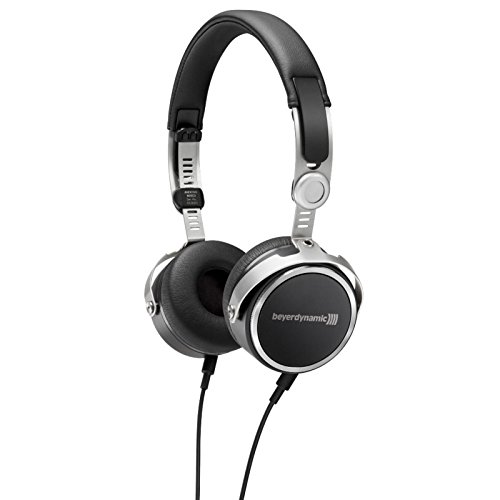
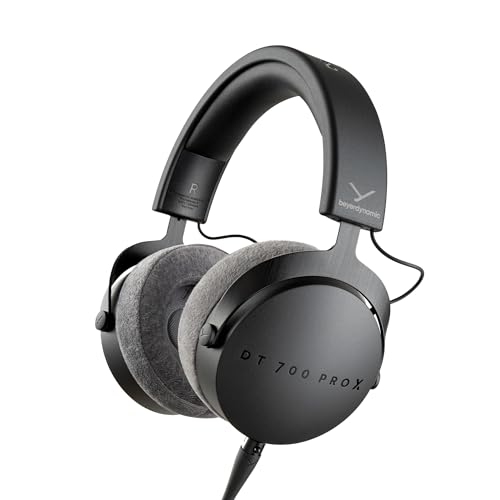
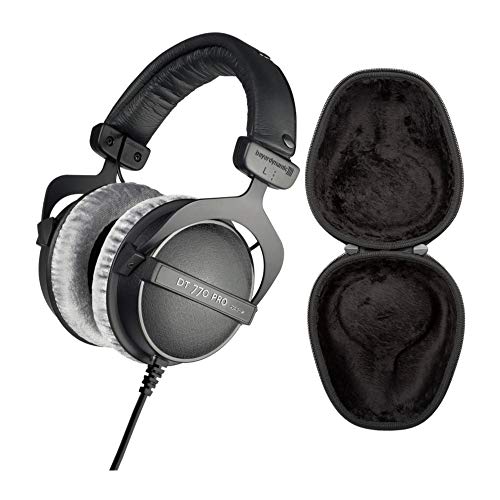
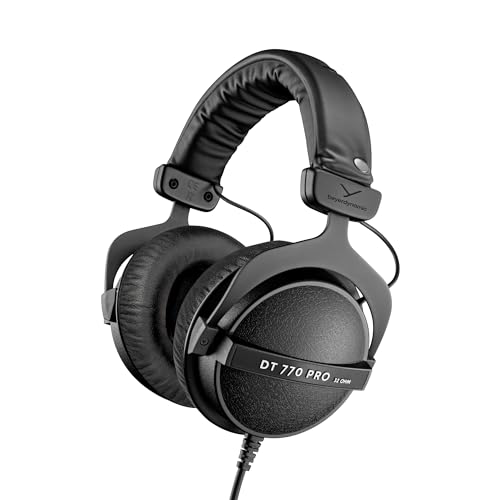
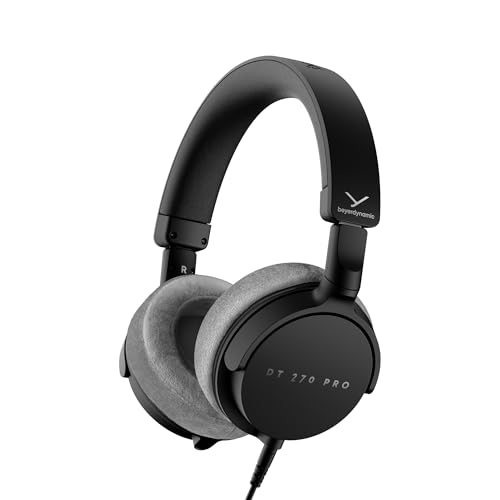
- DT: DT is the backbone of the brand and the clearest place to start for studio, monitoring, and enthusiast over-ear headphones. This is the family that best explains why Beyerdynamic is treated as a specialist audio name rather than as a simple mainstream gadget brand.
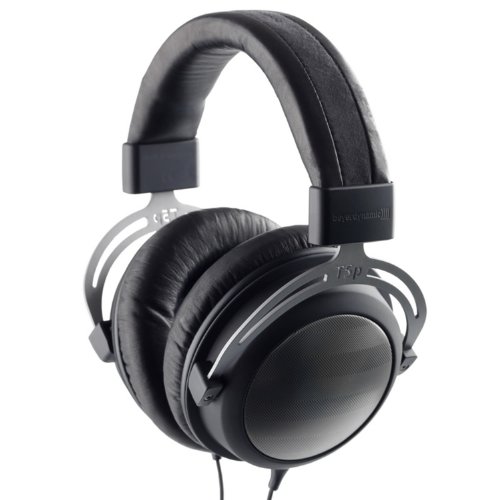
- T: T pushes further into the upper-end listening tier. It matters for buyers who want a more premium step above the classic DT lane without leaving the brand's core high-seriousness identity.
- Amiron: Amiron is another higher-tier home-listening branch, relevant for buyers who want comfort, stronger premium positioning, and a less purely studio-shaped message than DT alone provides.
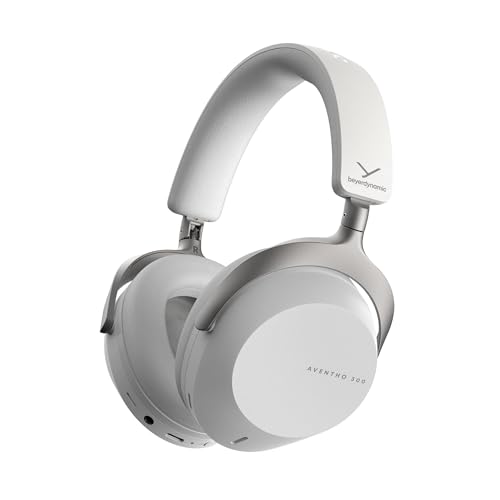
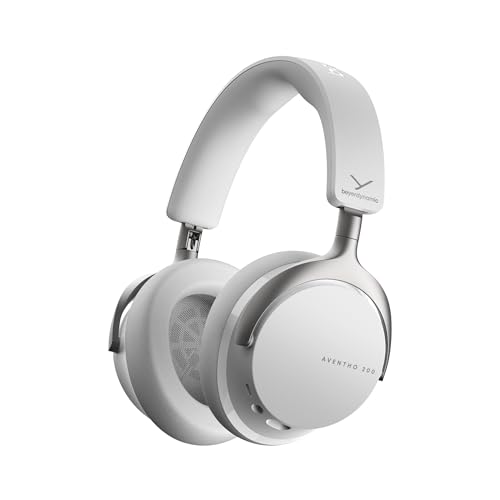
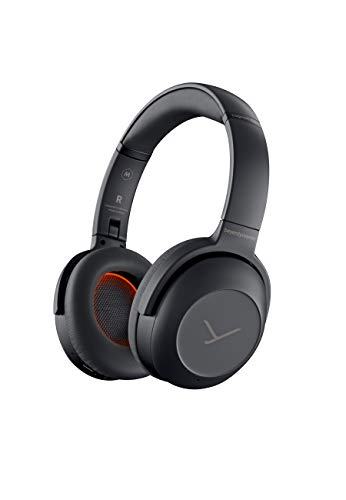
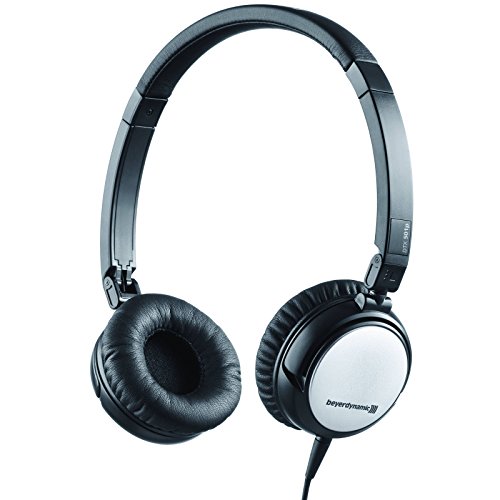
- Aventho and Lagoon: These families cover more portable or wireless-facing use. They matter because they show how Beyerdynamic translates its audio identity into consumer-convenience branches instead of staying only in the wired specialist world.
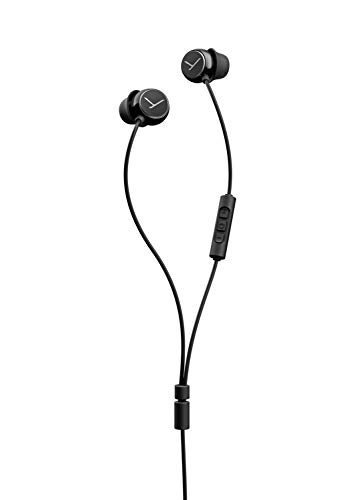
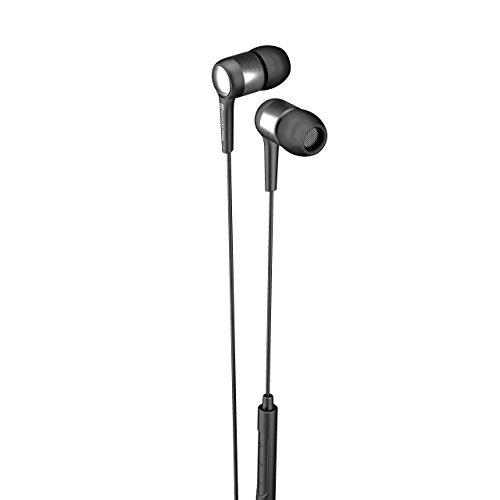
- Byrd: Byrd is the in-ear line. It is the branch to check if you want the brand's sound-first reputation in a smaller more portable format rather than in a full-size over-ear shell.
- Custom and MMX: Custom is the more adjustable or personality-led side branch, while MMX handles headset-oriented gaming and communication use. These families matter because they show the brand stretching into practical niche roles without losing its specialist feel completely.
How much do Beyerdynamic headphones cost?
Beyerdynamic headphones usually cost about 20-£750, with a large middle range through the 100-£260 band and a real upper tier extending far beyond that.
That pricing makes Beyerdynamic much broader than a simple premium-only brand but also much more serious than a low-cost mass-market label. The low end exists, but the brand's identity is especially strong in the mid-range studio area and in the upper enthusiast tier.
How do Beyerdynamic headphones compare with Sennheiser headphones?
Beyerdynamic headphones usually compare with Sennheiser models as another dedicated audio-specialist option, but with even stronger emphasis on studio and enthusiast-family structures such as the DT line.
Sennheiser is generally the stronger benchmark if you want a broad blend of consumer, travel, and specialist audio categories. Beyerdynamic is usually the better fit if you want a more obviously headphone-centric specialist brand with strong studio heritage and deeper continuity across well-known model families.
What should you consider while choosing Beyerdynamic headphones?
When you choose Beyerdynamic headphones, you should focus on the following key aspects:
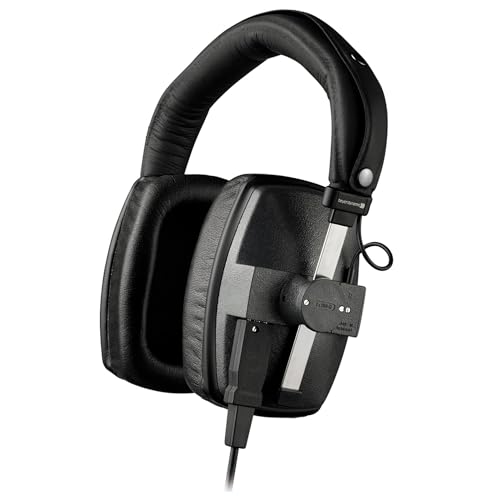
- Acoustic design: Check whether you need open-back or closed-back design. Open-back, closed-back, and semi-open Beyerdynamic models serve very different listening environments. Leakage and isolation should be decided first, because an open DT-style model for a quiet room solves a completely different problem than a closed studio or tracking headphone.
- Impedance: Match the headphones to the source you will actually use. Beyerdynamic is one of the brands where impedance really matters, with well-known versions around 32, 80, and 250 ohms. A phone or laptop can run the lower-impedance options, but the higher-impedance versions reward a cleaner and stronger source.
- Product family: Start with the series or branch that fits your use. DT-series models cover much of the brand's studio and enthusiast core, while the wireless and gaming side solves a different job. In practice, the family name usually tells you more than the logo about whether the product is for monitoring, home listening, or mixed use.
- Tuning: Think about the sound you actually want, not just the brand name. Beyerdynamic often aims for strong detail and a more explicit treble presence than warmer mainstream brands. That can be excellent for positional cues and analysis, but listeners who want a softer upper range need to match the tuning carefully.
- Long-session comfort: If you will wear the headphones for hours, put comfort high on your list. Velour pads, roomy cups, and stable headbands are major strengths here, especially for multi-hour desk listening. The tradeoff is that many of the best models are physically larger and less travel-friendly than casual consumer headphones.