Which brands make the best gaming headphones?
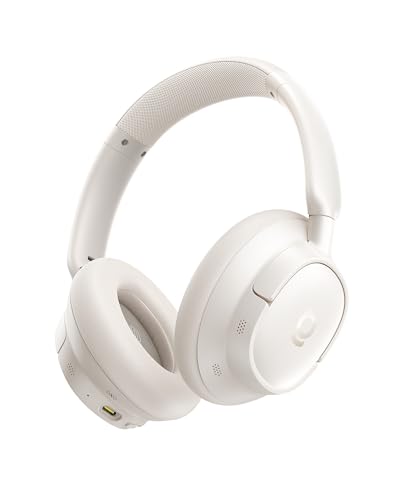
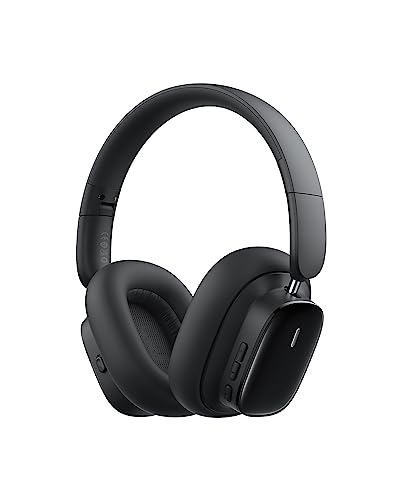
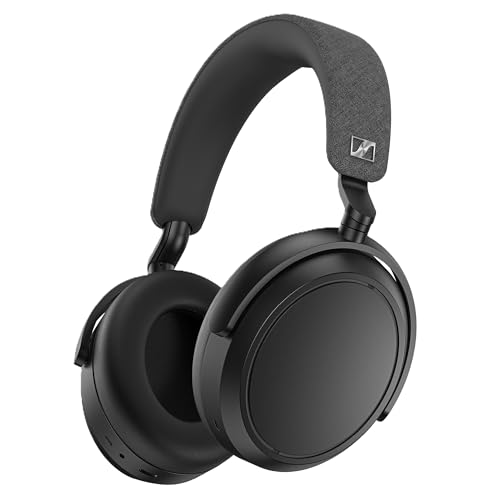
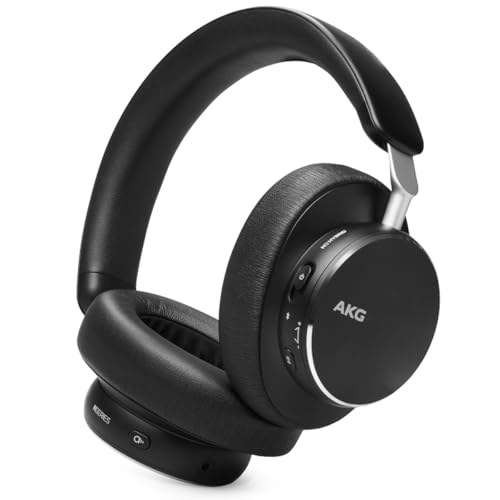
The best gaming headphone brands are as follows.
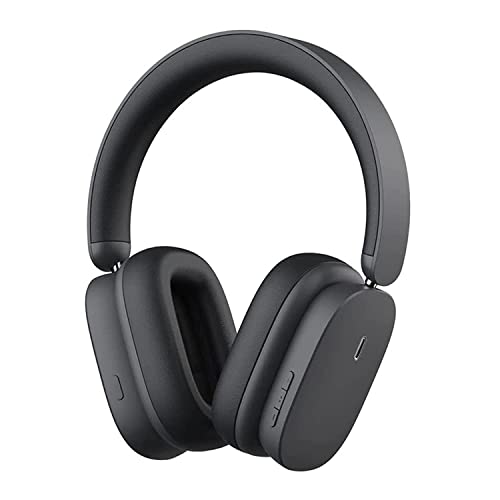
- Baseus (Average overall score: 7.9)
- Edifier (Average overall score: 7.9)
- Sennheiser (Average overall score: 6.6)
The chart below ranks gaming headphone brands by average overall score.
[horizontal-chart-15740611087946297733176624089740584156461231479298]
Which gaming headphone brands have the highest average user ratings?
The gaming headphone brands with the highest average user ratings are as follows.
- JBL (Average user rating: 9.4 points)
- Edifier (Average user rating: 9.2 points)
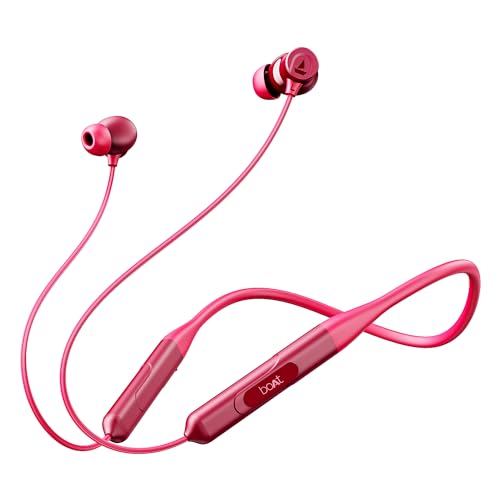
- boAt (Average user rating: 8.3 points)
The chart below ranks gaming headphone brands by average user rating.
[horizontal-chart-13453890892980122463046458682407520286493491826281]
How much do the best gaming headphones cost?
The best gaming headphones usually cost about 40-£130, while stronger premium models can go higher when wireless features, battery life, microphone quality, and platform flexibility all improve together.
A lot of usable gaming options sit below £60, and that part of the market is large enough to matter, but the stronger balance of latency, comfort, mic performance, and build quality is usually easier to find around 60-£110. Above that, you are often paying for cleaner wireless execution, better battery life, better materials, or broader platform support rather than a completely different gaming experience.
Very cheap gaming headphones can still work for casual use, but microphone behavior, clamp comfort, and connection reliability are often where the lowest price tiers become frustrating over time.
What features matter most in gaming headphones?
The features that matter most in gaming headphones are low enough latency, a clear microphone path, stable connectivity, long-session comfort, and sound tuning that supports positional play.
Low latency matters because even decent sound becomes less useful once timing feels disconnected from on-screen action. A clear microphone matters for team play, while platform-friendly wired or wireless modes matter when you switch between PC, console, handheld, or phone use.
Comfort is just as important as sound in gaming. A headset that clamps too hard, traps too much heat, or runs out of battery mid-session is harder to live with than one that is merely less exciting on paper.
What sound cues matter most in gaming headphones?
The sound cues that matter most in gaming headphones are footsteps, reloads, directional movement, distance changes, and voice clarity.
Those cues sit mainly in the mids and upper mids, with some treble presence helping edge definition and spatial placement. A headphone that pushes bass too hard can make explosions feel bigger while masking the subtler information that actually helps you react faster.
Gaming sound is not only about hearing more detail in general. It is about hearing the right details clearly enough to separate teammate voices, enemy movement, and environmental information without fatigue or mud building up over time.
How good are microphones on gaming headphones?
Microphones on gaming headphones are often good enough for everyday voice chat, but they vary a lot more in consistency than the marketing usually suggests.
A usable gaming mic should keep speech clear, reject some background noise, and avoid sounding thin or distant once the boom position changes slightly. Wireless gaming models can still sound good, but compression, noise suppression, and platform limits often shape the result more than the raw mic hardware does.
For casual play, many gaming microphones are fine. For streaming, competitive team communication, or noisy rooms, the gap between a merely acceptable headset mic and a genuinely strong one becomes much easier to hear.
Are gaming headphones better wired or wireless?
Neither wired nor wireless gaming headphones are always better, because they solve different problems.
Wired gaming headphones are usually the safer choice for lowest latency, simpler setup, and freedom from charging. Wireless gaming headphones make more sense when you want mobility, cleaner desk setup, and multi-device convenience, especially if the latency is still controlled well enough for your games.
The better option depends on whether you care more about absolute timing certainty or about living with the headset every day. For competitive or desk-locked use, wired still keeps a practical edge; for flexible everyday use, good wireless models can be easier to live with.
What comfort traits matter most in gaming headphones?
The comfort traits that matter most in gaming headphones are clamp force, ear-pad heat management, cup depth, headband pressure, and overall weight balance.
Long sessions punish bad comfort quickly. Pads that trap too much heat, shallow cups that touch the ears, or a headband hotspot can become more annoying than small differences in tuning or latency specs.
A strong gaming headphone should stay easy to wear for several hours, keep the seal stable when you move, and avoid becoming distracting once the game lasts longer than expected. That is often the difference between a headset that tests well briefly and one that remains genuinely usable every day.