
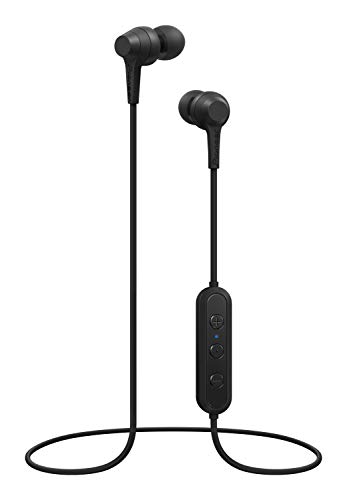
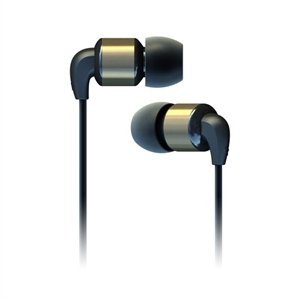
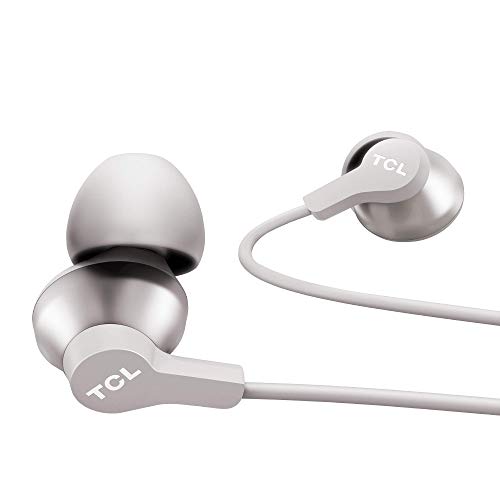
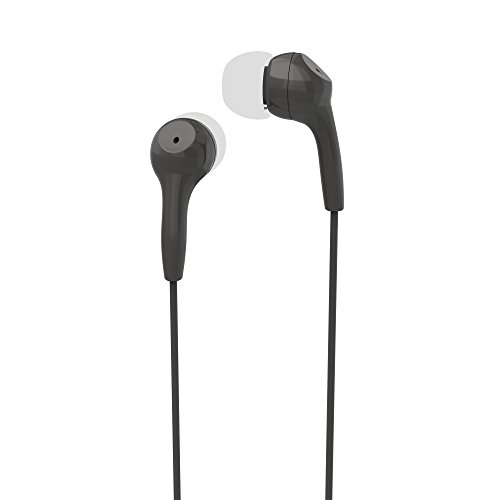
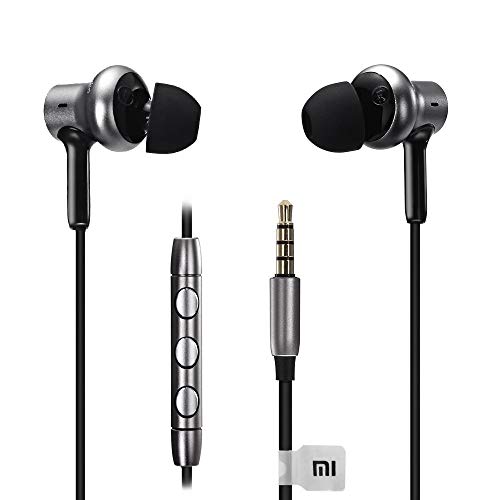
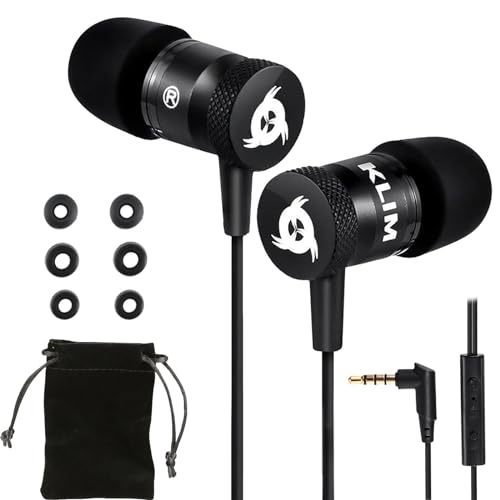
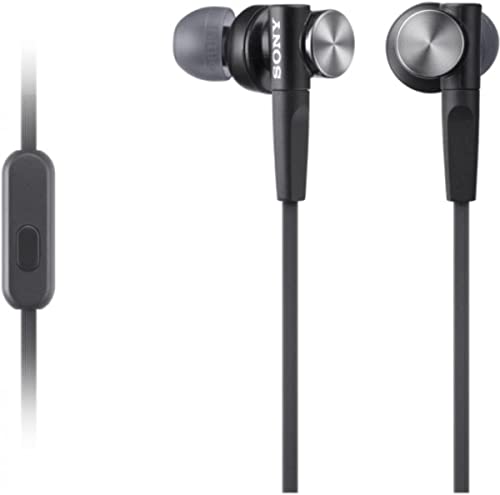
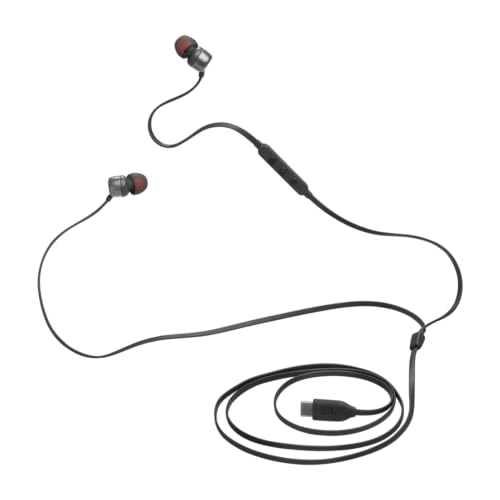
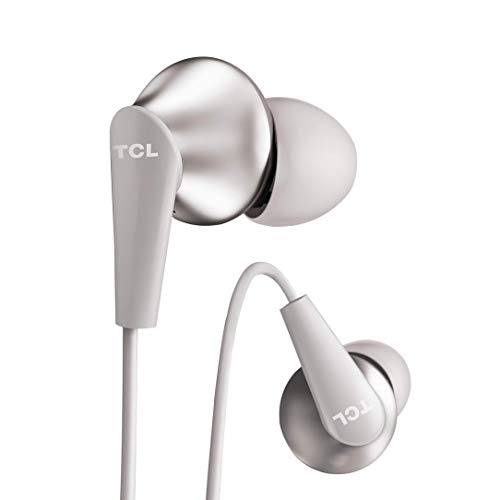
Which brands make the best cheap in-ear headphones?
The best cheap in-ear headphone brands are as follows.
- Sony (Average overall score: 5.5)
- JBL (Average overall score: 5.5)
- boAt (Average overall score: 5.4)
The chart below ranks cheap in-ear headphone brands by average overall score.
[horizontal-chart-05059473501436009015062830523686996130471204299164]
Which cheap in-ear headphone brands have the highest average user ratings?
The cheap in-ear headphone brands with the highest average user ratings are as follows.
- Sony (Average user rating: 9 points)
- Sennheiser (Average user rating: 8.8 points)
- JBL (Average user rating: 8.8 points)
The chart below ranks cheap in-ear headphone brands by average user rating.
[horizontal-chart-03507095976613582498025914072578536491493927211008]
What should you expect from cheap in-ear headphones?
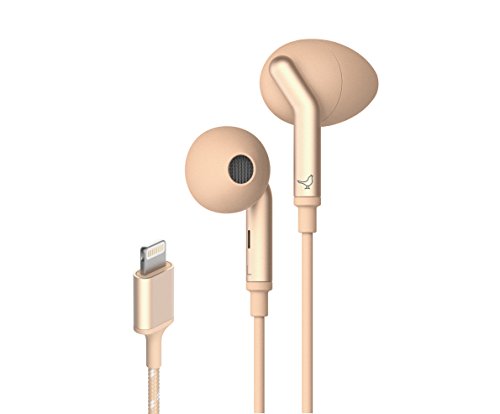
You should expect cheap in-ear headphones to deliver practical everyday sound, small size, and decent passive isolation, but not luxury materials or highly refined tuning.
The better low-cost models already handle commuting, calls, podcasts, and casual music well enough for many buyers. In this price range, a stable fit, clear vocals, and solid cable or housing quality matter more than chasing premium packaging or audiophile branding.
Cheap in-ear headphones can still sound surprisingly good for the money, but quality control, tip selection, and tonal balance vary more than they do higher up the market. That is usually where the price difference becomes easiest to hear.
How good is noise isolation on cheap in-ear headphones?
Noise isolation on cheap in-ear headphones is often good enough for everyday travel and office use, as long as the ear tips seal properly.
In-ear designs block noise mainly through passive sealing rather than electronics, so fit matters more than price alone. A cheap model with the right tip size can isolate better than a more expensive one that never seals correctly.
The limitation is consistency. Lower-cost in-ear headphones often ship with simpler tips, lighter housings, or less stable fit, so isolation can vary more between users and between models than it does on stronger mid-range designs.
What should you consider while choosing cheap in-ear headphones?
When you choose cheap in-ear headphones, you should focus on the following key aspects:
- Fit and seal: Cheap in-ear headphones still depend heavily on tip fit or shell shape because bass response and outside-noise blocking both collapse when the seal is wrong. A basic model with the right fit will often outperform a better-specced one that sits poorly.
- Connection type: Check how the headphones connect before you compare anything else. The real split is usually between very simple wired earphones and cheap true wireless buds. Wired models favor reliability and zero charging, while wireless ones trade that for portability and case-based daily convenience.
- Microphone quality: If calls or chat matter, treat the microphone as a core spec. Remote behavior, inline buttons, and call clarity vary sharply at the low end. If the earphones need to handle calls or messaging, microphone performance should be treated as a core filter rather than a bonus.
- Water resistance: If you sweat a lot or train outdoors, check the protection rating early. Sweat and rain protection matter more than many buyers expect because cheap in-ears are often used for commuting, walking, or light exercise. Many low-cost models skip meaningful sealing entirely.
- Sound tuning: Think about the sound you actually want, not just the brand name. Budget in-ears often chase excitement through boosted bass or elevated treble. The better choice depends on whether you want more impact for casual music or cleaner mids for speech, podcasts, and lighter listening.