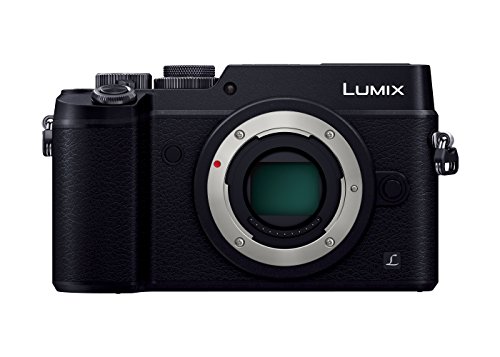
Panasonic LUMIX DMC GX8 review. Compare 108 technical specifications and user reviews to see how it ranks among cameras and if it is worth buying.
Overall score
What it is: An overall evaluation of the camera's quality, based on technical analyses and user reviews.
When it matters: When you need a quick reference to identify the best cameras on the market.
Score components:
90.0%
Technical Score
10.0%
User score
Technical Score
What it is: An assessment of the camera's technical performance, covering eight key areas: image quality, autofocus, video features, stabilization, lens compatibility, connectivity, battery, and design.
When it matters: When you want to compare cameras based on technical performance and available features.
Score components:
28.0%
Sensor & Image
25.0%
Photo Features
18.0%
Video & Audio
14.0%
Display & Design
8.0%
Battery & Power
7.0%
Connectivity & Storage
User score
What it is: A rating that combines user reviews and the total number of reviews received by the camera.
When it matters: When real-world owner satisfaction and review volume matter to your decision.
Score components:
70.0%
User reviews
30.0%
Popularity
Score components:
25.0%
Sensor size
20.0%
Main camera megapixels
20.0%
Dual card slots
15.0%
N. of focus points
10.0%
RAW photo capture
10.0%
Phase-detection autofocus (photos)
Score components:
35.0%
Weight
30.0%
Battery life (CIPA)
20.0%
Sensor-shift stabilization
15.0%
GPS
Score components:
30.0%
Price
20.0%
Weight
20.0%
AF tracking
20.0%
Battery life (CIPA)
10.0%
Touchscreen
Score components:
30.0%
Main camera megapixels
25.0%
Sensor size
20.0%
Main camera pixel size
15.0%
Sensor-shift stabilization
10.0%
RAW photo capture
Score components:
30.0%
Weight
25.0%
Thickness
20.0%
AF low-light sensitivity
15.0%
Sensor-shift stabilization
10.0%
Eye detection AF (human)
Score components:
30.0%
Sensor size
25.0%
Main camera pixel size
20.0%
Eye detection AF (human)
15.0%
Main camera megapixels
10.0%
Sensor-shift stabilization
Score components:
30.0%
Weight
25.0%
Battery life (CIPA)
20.0%
Min operating temperature
15.0%
Sensor-shift stabilization
10.0%
GPS
Available: ranking among products currently available (including other versions of this product).
All: ranking among all products in the database.
#15 in Best Panasonic Lumix Cameras
#20 in Best Cameras under £200
#29 in Best Cameras for Beginners
#41 in Best Cameras for YouTube
#46 in Best Cameras under £300
#47 in Best Vlogging Cameras
#73 in Best Mirrorless Cameras
#78 in Best Cameras for Portraits
#78 in Best 4K Cameras
#84 in Best Travel Cameras
What it is: An assessment of the camera's technical performance, covering eight key areas: image quality, autofocus, video features, stabilization, lens compatibility, connectivity, battery, and design.
When it matters: When you want to compare cameras based on technical performance and available features.
Score components:
28.0%
Sensor & Image
25.0%
Photo Features
18.0%
Video & Audio
14.0%
Display & Design
8.0%
Battery & Power
7.0%
Connectivity & Storage
What it is: A rating that combines user reviews and the total number of reviews received by the camera.
When it matters: When real-world owner satisfaction and review volume matter to your decision.
Score components:
70.0%
User reviews
30.0%
Popularity
What it is: An indicator that combines the camera's overall rating with its cost.
When it matters: When you want to know how much overall quality you get for the price.
Score components:
60.0%
Overall score
40.0%
Price
Importance: HIGH
Good value: Full frame or larger
Importance: HIGH
Good value: At least 20 MP
Importance: HIGH
Good value: At least 3.5 µm
Importance: LOW
Importance: MEDIUM
Good value: At least ISO 25,600
Importance: MEDIUM
Importance: MEDIUM
Good value: At least 14-bit
Importance: LOW
Importance: LOW
Importance: LOW
Importance: LOW
Importance: LOW
Importance: LOW
Importance: LOW
Importance: LOW
Importance: MEDIUM
Importance: LOW
Importance: LOW
Importance: LOW
Importance: LOW
Importance: LOW
Importance: HIGH
Good value: At least 200 points
Importance: HIGH
Importance: MEDIUM
Importance: LOW
Importance: LOW
Importance: MEDIUM
Importance: MEDIUM
Importance: HIGH
Good value: At least 5 stops
Importance: LOW
Importance: MEDIUM
Good value: At least 10 fps
Importance: LOW
Importance: LOW
Importance: LOW
Importance: LOW
Importance: LOW
Importance: LOW
Importance: LOW
Importance: LOW
Importance: LOW
Importance: LOW
Importance: LOW
Importance: LOW
Importance: LOW
Importance: LOW
Importance: LOW
Importance: LOW
Good value: At least 200,000 actuations
Importance: LOW
Good value: At least 10x
Importance: HIGH
Good value: At least 3840 px
Importance: MEDIUM
Good value: At least 200 Mbps
Importance: MEDIUM
Good value: At least 10-bit
Importance: LOW
Importance: LOW
Importance: LOW
Importance: LOW
Importance: LOW
Importance: LOW
Importance: LOW
Good value: At least 30 min
Importance: LOW
Importance: LOW
Importance: LOW
Importance: LOW
Importance: LOW
Good value: At least 2 microphones
Importance: LOW
Importance: LOW
Importance: LOW
Importance: LOW
Importance: MEDIUM
Good value: 500 g or less
Importance: LOW
Importance: LOW
Importance: LOW
Importance: MEDIUM
Importance: MEDIUM
Good value: At least 2.36 million dots
Importance: LOW
Good value: 100%
Importance: LOW
Importance: LOW
Good value: At least 120 Hz
Importance: MEDIUM
Good value: At least 3 in
Importance: LOW
Importance: LOW
Importance: LOW
Importance: LOW
Importance: LOW
Importance: LOW
Importance: LOW
Good value: At least 10 m
Importance: LOW
Importance: LOW
Importance: LOW
Importance: LOW
Importance: MEDIUM
Good value: At least 400 shots
Importance: LOW
Good value: At least 1,500 mAh
Importance: LOW
Importance: LOW
Importance: LOW
Importance: LOW
Importance: LOW
Importance: LOW
Importance: LOW
Importance: LOW
Importance: LOW
Importance: LOW
Importance: LOW
Importance: LOW
Importance: LOW
Importance: LOW
Importance: LOW
Importance: LOW
Importance: LOW
Importance: LOW
Importance: MEDIUM
Importance: MEDIUM
Good value: At least ISO 25,600
Importance: LOW
Importance: MEDIUM
Importance: LOW
Importance: LOW
Importance: LOW
Importance: LOW
Importance: MEDIUM
Good value: At least 14-bit
Importance: HIGH
Good value: Full frame or larger
Importance: LOW
Importance: HIGH
Good value: At least 5 stops
Importance: MEDIUM
Good value: 500 g or less
Importance: LOW
Importance: LOW
(Reviews last updated: July 2026)
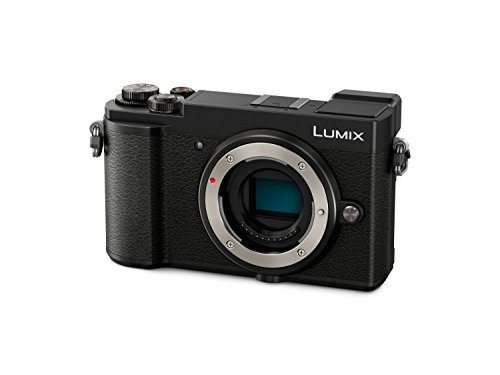
The Panasonic Lumix DMC-GX8 is a robust, weather-sealed mirrorless camera featuring a high-resolution 20.3MP sensor, fast "Depth from Defocus" autofocus, and a 2.36M-dot tilting electronic viewfinder. It offers superior dual image stabilization and capable 4K video/photo capabilities within a solid magnesium body. Conversely, the GX8 is hampered by shutter shock, causing image softness with the mechanical shutter, and it presents a larger, heavier design than its predecessors. Additional downsides include a lack of built-in flash, uninspiring JPEG color, and a screen that is obstructed when using an external microphone.
The Panasonic Lumix DMC-GX8 features a 20.3-megapixel Micro Four Thirds sensor that delivers excellent raw image quality, complemented by a highly effective in-body image stabilisation (IBIS) system. Evaluators praised the enthusiast-focused, versatile design, particularly highlighting the excellent tilting electronic viewfinder (EVF) and the fully articulated touchscreen. Conversely, the review notes the body is relatively bulky with uninspiring styling, while the connector ports hinder the movement of the articulated screen. Additionally, the camera produces mediocre JPEG color output, often requiring raw shooting to achieve the best results. Amateur Photographer
The Panasonic Lumix DMC-GX8 is a rugged, weather-sealed mirrorless camera featuring a 20MP Four Thirds sensor, 4-axis in-body image stabilization, and a 2.36M-dot tilting electronic viewfinder. Key advantages include 8.3fps burst shooting, 4K video capability, and a fully articulating LCD, making it a robust option for photographers, though it lacks an internal flash. Conversely, the review notes drawbacks such as a noticeable crop factor when recording 4K video and the use of a non-standard 2.5mm microphone jack instead of a 3.5mm input. These limitations, along with the absence of a built-in flash, prevented the camera from receiving a top-tier rating in the analysis.
The Photo Review Australia review praises the Panasonic Lumix DMC-GX8 as a robust, weather-sealed mirrorless camera featuring a 20-megapixel sensor, 4K video capabilities, and a highly effective Dual I.S. system for improved handheld stability. Key advantages include the articulating OLED EVF and touchscreen, providing excellent handling for advanced users. Conversely, the review identifies limitations such as the camera's increased size and weight, the lack of a built-in flash, and limited battery life. Additional drawbacks include the lack of sensor-shift stabilization during 4K recording and a 2.5mm, rather than 3.5mm, microphone input.
The Panasonic Lumix GX8 breaks through the Micro Four Thirds 16MP limit with a new 20.3MP sensor that delivers excellent image quality, color accuracy, and noise control up to ISO 6400. Key pros highlighted in the review include its highly customizable physical buttons and touchscreen, a comfortable redesigned grip, an articulating LCD screen, and a tilting electronic viewfinder. Performance-wise, it stands out with crisp 4K video and photo modes, a dual image stabilization system providing up to a 3-stop advantage, and fast burst shooting up to 8 frames per second. However, the camera has several distinct cons stemming from its structural redesign and performance trade-offs. The addition of the top exposure compensation dial forced Panasonic to remove the built-in pop-up flash, meaning users must purchase an external hot-shoe flash accessory. Additionally, shooting at the maximum 8 fps causes the electronic viewfinder to blank out, and the burst speed drops to 6 fps when continuous autofocus is enabled. Finally, the initial Wi-Fi setup process is confusing due to convoluted menu options, and the camera launched at a heftier price point—$1,198 body-only—which...
The Panasonic Lumix GX8 is a mature, robust, rangefinder-style micro four thirds camera that serves as an excellent, lightweight travel system alternative to full-frame setups. Its standout features include a high-quality, 90-degree tilting OLED electronic viewfinder that simplifies low-level shooting, a substantial built-in handgrip for comfortable handling, and weather proofing. A major pro for Panasonic users is its seamless compatibility with newer Leica DG lenses, allowing photographers to utilize the physical, smooth aperture rings directly on the camera body. Additionally, the GX8 delivers highly customisable physical and virtual controls, an intuitive manual focus system with precise peaking and magnification aids, and effective 4K video recording features. However, the camera comes with notable downsides, such as a bulkier and heavier 487g body compared to competitors like the Olympus PEN-F. It retains an anti-aliasing (AA) filter on its 20MP sensor, which slightly diminishes ultimate image quality, and relies entirely on a contrast-based autofocus system that proves less accurate for continuous tracking. The lack of a built-in or bundled flash unit is another omission. Its 4-axis stabilization is weaker than Olympus’s 5-axis alternative,...
Despite its high-end performance, the GX8 introduces a few physical and technical trade-offs. It is significantly chunkier and heavier than its predecessors, pushing it out of pocketable territory into the size ballpark of larger flagship models. While the sensor-shift stabilization is a step up from the GX7, its standalone performance remains a pale shadow compared to Olympus's class-leading stabilization system. Video shooters face multiple limitations: body-based sensor stabilization is completely unavailable during movie recording, forcing users to rely on electronic stabilization at 1080p or use an optically stabilized lens for 4K video. Furthermore, capturing 4K video applies a noticeable 1.25x horizontal crop to the field of view and introduces potential scaling artifacts, while the audio setup restricts users to a less common 2.5mm microphone jack with no option for headphone monitoring.
The Panasonic Lumix GX8 is a feature-packed, weather-sealed, 20.3-megapixel Micro Four Thirds camera that introduces Dual Image Stabilisation and a high-resolution 4K photo mode. Its strengths include a robust magnesium alloy body, excellent 4K video capabilities, a detailed tilting EVF, and fast autofocus, making it a significant upgrade over the GX7. Conversely, the camera is notably larger and more expensive than its predecessor, losing the ultra-compact feel of the GX7. Other limitations highlighted include the lack of a built-in flash and relatively fast battery drain, particularly when utilizing the 4K photo modes. For the full, detailed review, visit ePHOTOzine. YouTube
The Panasonic Lumix DMC-GX8 features a new 20.3-megapixel Micro Four-Thirds sensor that achieves a DxOMark score of 75, making it the highest-scoring sensor in its category at the time of review and marginally outpacing the GH4 and OM-D E-M1. A major strength of the camera is its high resolution combined with 4K video capabilities at 24/25p, alongside an innovative Dual Image Stabilization system that coordinates anti-shake mechanisms in both the camera body and the lens. Designed for hybrid enthusiasts, it offers a robust, weather-sealed body, a wide ISO sensitivity range of 100 to 25600, 8fps burst shooting, an OLED electronic viewfinder, and a free-angle LCD screen. However, despite the welcome bump in resolution, the sensor's overall performance shows negligible image quality improvements over older 16-megapixel Micro Four-Thirds sensors and falls slightly behind the GH4 in landscape dynamic range. Furthermore, its performance lags roughly a stop behind physically larger, less expensive APS-C competitors like the Samsung NX500 and Sony A6000 in color sensitivity and base ISO dynamic range. At a premium retail price of $1,198, the GX8 is a costly investment,...
Panasonic Lumix GX8 The Panasonic Lumix GX8 is a solid Micro 4/3 mirrorless camera that provides quick performance, excellent image quality, and professional controls, making it a compelling alternative to traditional entry-level DSLRs. A major highlight of the camera is its blazing-fast autofocus system, driven by Depth-from-Defocus (DFD) and Starlight AF technologies, which effortlessly matches or surpasses competing cameras even in low-light environments down to -4 EV. Photographers will also benefit from its unique, swivelling electronic viewfinder (EVF) that allows for creative low-angle shooting, alongside a crisp 3-inch touchscreen articulating LCD. Furthermore, it supports high-end features such as 4K photo and video modes, dual image stabilisation when paired with optically stabilised lenses, a customisable menu layout, and a durable, weather-sealed build. However, the camera has notable drawbacks, particularly regarding its physical footprint and stabilisation capabilities. The body is noticeably large, thick, and bulky compared to previous iterations like the GX7 and rivals like the Olympus E-M5 II, making it less comfortable for users with small to medium hands. When used with non-stabilised lenses, its standalone in-body image stabilisation is underwhelming...
Marius Masalar’s review highlights the Panasonic GX8 paired with the Leica 15mm f/1.7 lens as a highly balanced, durable, and compact kit, offering excellent ergonomics and 30mm-equivalent versatility for travel. Key pros include the lens's rapid autofocus, high sharpness, and rich contrast, complemented by the GX8’s robust weather sealing, efficient dual image stabilization, and a high-quality tilting electronic viewfinder. However, the review notes that the Leica 15mm lens lacks weather sealing, which reduces the environmental protection of the overall setup, and that the lens's physical aperture ring is unusable on Olympus bodies. Additionally, the GX8 is described as lacking a unique, stand-out identity to truly define its place in the market.
The Trusted Reviews evaluation of the Panasonic Lumix GX8 highlights it as a highly capable compact system camera featuring a unique, side-mounted 2.36 million-dot OLED electronic viewfinder (EVF) that swivels, an articulated touchscreen, and in-body optical image stabilization. It offers superb RAW image quality and 4K video capabilities, supported by fast contrast-detect autofocus. However, the review outlines that the GX8 is relatively large and bulky for a Micro Four Thirds camera, with image noise becoming noticeable at ISO 800 and fine details washing out by ISO 3200. Additionally, the default color mode is described as uninspiring and cool, and the camera faces stiff competition from APS-C models in low-light scenarios.
The Panasonic Lumix DMC-GX8 stands out as the first Micro Four Thirds camera to break the 16-megapixel barrier by featuring a 20-megapixel sensor. Built for durability, the camera features a dust- and moisture-sealed body, a smart control layout with customizable buttons, and a highly versatile 3-inch vari-angle OLED touch screen. It delivers exceptional shooting speed, powering up and focusing in under a second, while achieving burst speeds of 8.3fps with locked focus and 5.7fps with continuous tracking. Photographers will benefit from built-in Wi-Fi and NFC, an expansive tilting electronic viewfinder (EVF), an impressive mechanical shutter speed of 1/8,000-second, and effective in-body stabilization. Furthermore, its video capabilities are notable, offering sharp 4K resolution recording at 24 or 30fps alongside standard 1080p video. Despite its robust features, the camera has several performance limitations and design trade-offs. The contrast-based autofocus system struggles to match the speed of competitors like the Sony Alpha 6300, which offers faster continuous shooting. Image quality drops noticeably at higher sensitivities, with visible smudging starting at ISO 3,200 and worsening significantly beyond ISO 6,400 for JPGs. Videographers may be...
Panasonic Lumix GX8 Review Summary The Panasonic Lumix GX8 is a sturdy, well-built micro four-thirds camera featuring a robust metal magnesium alloy frame and a rangefinder-style layout with customizable physical knobs. It introduces a 20-megapixel sensor that delivers improved dynamic range and high-ISO capabilities up to 25,600, paired with a fast autofocus system. Its standout features include a sharp, rotatable electronic viewfinder, amazing 4K video quality, and a highly effective dual image stabilisation system that combines in-body and lens stabilisation to allow blur-free, handheld low-light shots for up to one second. It also includes smart modern additions like a 4K Photo mode for pulling 8MP stills from video bursts, time-lapse modes, and Wi-Fi connectivity. However, the camera's primary drawback is its loss of the classic micro four-thirds portability, as it is wider, thicker, and nearly 20% heavier than its predecessor, the GX7. While still image resolution is higher, the actual jump in everyday print quality is not deeply dramatic compared to the previous model. Furthermore, utilizing the dual image stabilisation requires a compatible Panasonic lens. For videographers, the GX8 presents...
The Panasonic Lumix DMC-GX8 features a 20.3-megapixel sensor, Dual I.S. system for improved sharpness, and a large, tilting 2.36 million-dot OLED viewfinder. This weather-sealed camera is praised for its quick autofocus and extensive customizability, although it lacks a built-in flash, has poor battery life, and increases in size from its predecessor. YouTube · It's important to note that the in-body image stabilization is not active during video recording. For a comprehensive breakdown, review the details on ePHOTOzine. YouTube ·Eli Farnhill
The Panasonic Lumix DMC-GX8 is an upper-class mirrorless Micro Four Thirds (MFT) camera that stands out for debuting a higher-resolution 20-megapixel Live MOS sensor, a step up from the previous 16-megapixel standard. The camera delivers good to very good image quality with improved noise handling over its predecessor, especially at higher ISO levels, making sensitivity settings up to ISO 3,200 perfectly usable. Its performance is highly impressive, boasting an exceptionally fast autofocus speed of 0,10 seconds, a rapid startup time, and high-speed continuous shooting reaching up to 8 frames per second with an extensive RAW buffer capacity of 36 frames. Furthermore, the camera excels in video recording by capturing excellent quality 4K video at 25p and Full-HD at 50p, complemented by high-end design features such as a robust, weather-sealed magnesium alloy body, a 90-degree tilting electronic viewfinder, and a fully articulating 3.0-inch touchscreen. Despite these advanced technical features, the review notes several practical disadvantages. The built-in sensor-shift image stabilization is highly effective for photography, but it is restricted to photo mode and cannot be used to stabilize video recordings. Additionally,...
in English! Because camera reviews often focus on different priorities—such as travel photography, video production, or shooting in low light—I want to make sure the summary highlights exactly what matters most to you. To help me tailor this summary to your needs, could you share a bit more context? What is your main goal or use case for this camera? (For example: vlogging, street photography, action shots, or casual family use?) Are you planning to pair it with specific lenses, or are you mostly interested in how its weather-sealed body holds up? Do you care more about its 4K video and photo features, or are you more focused on its low-light image quality and sensor performance?
Despite its strengths in photography, the camera suffers from significant drawbacks regarding its video capabilities, specifically for European or multi-device users. The review severely criticises Panasonic's decision to lock the camera to the PAL standard (offering only 24p, 25p, or 50p), which prevents users from switching to NTSC for smoother 30fps or 60fps frame rates and causes footage to stutter when mixed with clips from modern smartphones or Action cams. Furthermore, while the 4K video quality itself looks stunning, the video autofocus is plagued by a distracting "pumping" effect where it constantly overshoots its target. Finally, the camera lacks a built-in flash, misses a dedicated slow-motion video feature, and its relatively heavy, bulky footprint (weighing 776 grams with the tested 12-35mm ƒ/2.8 lens) means it will not fit comfortably into a standard jacket pocket.
Summary The Panasonic Lumix DMC-GX8, originally introduced in 2015, remains an excellent second-hand Micro Four Thirds (MFT) mirrorless camera for travel, hiking, and wildlife photography. Its standout pros include an exceptionally high-quality and robust build with weather sealing against splash water and dust, highly responsive ergonomics, and a 20.3-megapixel sensor that serves as a solid standard for the MFT system. When paired with modern software like DxO PhotoLab 6 utilizing DeepPRIME XD noise reduction, the camera's RAW file image quality is significantly enhanced, rendering acceptable results up to ISO 3200 and usable images at ISO 6400. Furthermore, its compact form factor allows for a combined camera and 14-140mm 10x zoom lens setup that weighs only 760g, making it vastly lighter and more portable than traditional APS-C DSLR configurations. However, the camera has notable cons, particularly regarding its low-light capabilities. Despite advancements in modern RAW editing software, the GX8 is not a high-ISO champion, and users who frequently shoot in low light or twilight conditions will find that newer, larger sensors perform much better. Additionally, while it features Dual I.S. image...
In this review from Krolop & Gerst, Martin provides a highly personal assessment of the Panasonic Lumix GX8, emphasizing its role as his primary, indispensable everyday camera for private photography. He transitions to this compact Micro Four Thirds (MFT) system to avoid carrying heavy full-frame gear like his Canon 5D Mark II during personal outings. The review highlights that the GX8 successfully bridges the gap between high-end performance and casual usability, making it simple enough for inexperienced users like family members to capture outstanding photos without diving into technical complexities. Pros & Cons according to the reviewer: Pros: The camera delivers excellent optical quality and low-light performance despite its compact footprint. The reviewer praises its fast and reliable autofocus system, striking "retro/bulky" aesthetic, and high-quality "straight-out-of-camera" images. Key hardware features such as the unique upward-tilting electronic viewfinder (EVF), 4K video capabilities, wireless connectivity, and responsive touch controls are also major highlights. Cons: While the reviewer is overwhelmingly positive and states he has no desire to replace it after two years of use, he notes that its overall blocky design may...
The Panasonic Lumix DMC-GX8 is a highly capable Micro Four Thirds mirrorless camera aimed at demanding photography and video professionals. It sets a milestone as the first Micro Four Thirds system camera to deliver a 20-megapixel resolution, yielding exceptional edge sharpness and low image noise up to ISO 3,200. The camera excels in performance, offering a lightning-fast 49-point contrast autofocus system that handles low-light environments exceptionally well. It is also built for speed, capturing burst shots between 8.6 and over 10 frames per second, and records modern Ultra-HD video at 30 frames per second. Pros & Cons Cons: Underwhelming battery life during regular photography that requires keeping spares on hand; complete lack of a built-in pop-up flash; and noticeable detail loss at extreme low-light settings from ISO 6,400 to 25,600.
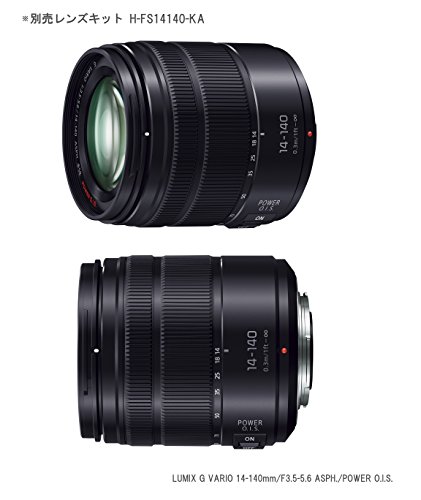
This review from Konsument.AT compares two travel zoom lenses for Panasonic cameras: the Tamron 14–150 mm and the Panasonic Lumix 14–140 mm. Both earned a "GOOD" final rating, but the Tamron lens scored slightly higher at 76% compared to Panasonic's 70%. Both lenses were tested using a Panasonic Lumix DMC-GX8 camera. They share identical 28mm wide-angle equivalent views, use mirrorless Micro Four Thirds mounts, and lack weatherproofing. The Tamron lens costs less at €480 and wins on image quality. Pros include a longer 300mm telephoto reach, a higher 10.7x zoom factor, better image stabilisation, and superior telephoto resolution. However, its cons include the lack of a built-in optical image stabiliser and a much weaker macro surface area performance. The Panasonic lens costs €600 but excels in handling speed. Its pros include a built-in optical image stabiliser, a lighter weight of 261g, and far superior macro close-up capability. Its cons are a shorter 280mm telephoto range and only average resolution and stabilization at the telephoto end.
The Panasonic Lumix GX8 review by Les Numériques highlights the camera as a robust, high-performance hybrid shooter built primarily for reporters and enthusiasts. On the positive side, the review praises its robust, fully weather-sealed construction that makes it highly reliable for field use. Ergonomically, the camera shines with an exceptionally responsive autofocus system, a comfortable handgrip, and an incredibly versatile framing setup composed of a tilting OLED electronic viewfinder (EVF) alongside a fully articulating OLED touchscreen. Furthermore, its 20.3-megapixel Micro Four Thirds sensor delivers impressive electronic noise management and sharp image quality up to ISO 6400, while benefiting from an effective dual image stabilisation system and crisp 4K video capabilities. However, the review also notes several distinct drawbacks. A major complaint is the absence of a built-in flash and the lack of a headphone jack, which limits real-time audio monitoring during video recording. The device uses an uncommon and restrictive 2.5mm microphone jack input rather than the standard 3.5mm size. From a design perspective, the body is noticeably bulkier and heavier than its predecessor. Additionally, users face some minor workflow...
The Panasonic Lumix GX8 is a premium Micro Four Thirds mirrorless camera that balances a rugged, weather-sealed build with advanced technological features. It introduces a new 20.3-megapixel CMOS sensor paired with a Venus Engine processor that extracts excellent image detail up to ISO 3200 (and useably up to ISO 6400), breaking away from Panasonic's older tendency of over-smoothing JPEG files. Key strengths highlighted in the review include its highly effective 6-axis hybrid stabilization (combining 4-axis sensor shift with 2-axis lens stabilization), high-quality 4K video recording, and excellent continuous shooting speeds reaching up to 8.5 frames per second. Users will also benefit from superb ergonomics, a sharp, large, tiltable OLED electronic viewfinder, and a fully articulating 7.6 cm touchscreen display. Despite its high performance, the review points out several design and physical drawbacks. The camera has grown significantly in size and weight compared to its predecessor (the GX7), making it bulkier than some competing APS-C cameras. Additionally, it lacks a built-in flash, a dedicated headphone jack, and side-door access to the memory card slot. Connectivity is also a weak point due...
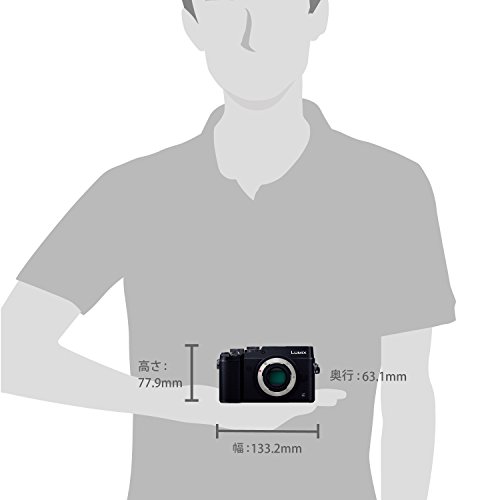
The Panasonic Lumix DMC-GX8 is a feature-rich Micro 4/3 mirrorless camera designed primarily for expert photographers, blending advanced technology with a weather-sealed magnesium alloy chassis. It features a 20.3-megapixel Live MOS sensor and a powerful dual-stabilisation system (combining sensor and optical stabilisation) that enables sharp, handheld shooting at shutter speeds as low as 1/10th of a second in low light. Additional highlights include an excellent, high-magnification tiltable OLED viewfinder, a fully articulating rear OLED touchscreen, true 4K UHD video capability, and innovative shooting options like "4K Photo" and "Post Focus" for selecting focal points after capturing an image. However, the GX8 compromises on portability, with its angular, retro-styled body being noticeably bulky (133 x 78 x 63 mm) and heavy (487g) for the Micro 4/3 format, making it nearly as large as a compact DSLR. Its extensive physical customisation options—including five programmable "Fn" buttons—and deeply layered menus make it complex and time-consuming to configure properly for non-experts. Performance-wise, the camera completely lacks a built-in flash, suffers from a highly menu-reliant layout, and exhibits aggressive JPEG noise reduction smoothing at ISO...
The Panasonic Lumix DMC-GX8 (tested as the GX8A kit with the motor-driven Lumix G X Vario 12-35 mm F2,8 zoom lens) is a high-end, Micro Four Thirds mirrorless camera featuring a 20.2-megapixel sensor, an tilting OLED viewfinder, and a large, fully articulating OLED touchscreen. Released as the successor to the GX7, this specific configuration offers a 2.9x optical zoom (equivalent to 24-70 mm) and utilizes a dual image stabilisation system that combines both optical and sensor-shift technologies. The camera is well-equipped for modern connectivity with built-in Wi-Fi and NFC, supports RAW shooting, and includes 4K UHD video recording capabilities. However, consumers should note that this specific model has been discontinued and is no longer sold brand new. The testing review highlights several strong features alongside a couple of notable drawbacks. On the positive side, both the camera body and the lens are fully weather-sealed to resist rain and dust. It delivers great photo and video quality, performing especially well in low-light conditions, and boasts a fast burst shooting mode. Reviewers also praised the physical design, pointing out the excellent tilting...
The Panasonic Lumix DMC-GX8 (foreign version) is a mirrorless Micro Four Thirds camera released in 2015 that features a 21.77-megapixel sensor (with a 20.3 MP effective resolution). Priced at €749.99, it is highly praised for its robust metal build quality, weather sealing, and excellent ergonomics that comfortably suit larger hands. Key design highlights include an intuitive layout of physical buttons, an adjustable tilting electronic OLED viewfinder, a fully articulating 7.5 cm rear touchscreen, and an effective 6-level optical image stabilization system. In terms of performance, the camera delivers impressive image quality and natural color reproduction, maintaining strong, satisfying results when shooting in RAW or up to 3200 ISO. Despite these strengths, the reviewer notes several distinct drawbacks. The camera suffers from poor performance in low-light environments, leading to noticeable electronic noise. Video recording capabilities are also a weak point, lagging behind competitors with 4K resolution restricted to 24 or 25 frames per second. From a usability standpoint, users may find the menu system overly complex, and there is a slight, concerning looseness or play reported in the lens mount mechanism....
The Panasonic Lumix DMC-GX8 is a versatile mirrorless camera with an iCamRank score of 58, featuring a robust, weather-sealed magnesium alloy construction suitable for harsh environments. It is highly regarded for its integrated dual image stabilization, articulated display, and effective subject-tracking autofocus paired with fast burst shooting. However, the camera is limited by poor battery endurance, lasting only about 330 shots per charge, and a larger design profile that sacrifices maximum portability compared to earlier models. While offering a solid 20MP sensor, its Micro Four Thirds format provides only average image quality compared to modern full-frame alternatives. For a detailed review, visit CameraRace.
The Xataka Foto review highlights the Panasonic Lumix GX8 as a high-end, rangefinder-style mirrorless camera that functions as a highly upgraded successor to the GX7. A core highlight is its brand new 20.30-megapixel Live MOS Micro Four Thirds sensor, which breaks the brand's long-standing 16-megapixel standard to deliver a high level of detail and excellent chromatic accuracy. Performance is strongly bolstered by the Dual I.S. system, which successfully couples 4-axis in-body mechanical stabilization with 2-axis lens stabilization to counteract hand tremors. The reviewer also praises its rugged, weather-sealed magnesium alloy build, exceptional autofocus tracking speed, a sharp 2.36 million-dot tilting OLED viewfinder, and its rich 4K video capabilities including the flexible 4K Photo continuous burst modes. On the downside, the camera suffers from increased body bulk and size, moving away from a pocketable design, which might deter casual enthusiasts who favor highly compact setups. There is noticeable digital noise at high sensitivities, rendering ISO levels beyond 6,400 mostly unusable due to aggressive JPEG noise-smoothing that strips away fine details. Additionally, managing and extracting the burst frames from the 4K/UHD photo...
The Saggiamente review highlights the Panasonic Lumix GX8 as a robust 20.3-megapixel Micro Four Thirds camera, praised for its 4-axis Dual I.S. stabilization, 4K video capabilities, and weather-sealed construction. Key pros include the improved sensor, a high-quality tilting OLED viewfinder, and a fully articulating touchscreen, making it a professional upgrade within the Lumix lineup. Conversely, the review identifies the camera's increased size and weight—comparable to some full-frame cameras—as a significant con, reducing its portability compared to the GX7. Additional drawbacks include potential mechanical shutter shock, a lack of in-body stabilization during video, and a 2.5mm microphone jack requiring an adapter for standard audio gear.
Overview and Performance Pros and Cons Pros High-Resolution Sensor: The 20.3 MP sensor increases resolution without compromising noise control, maintaining image usability up to ISO 3200 and 6400. Robust, Weather-Sealed Build: Features a rugged magnesium alloy body resistant to dust and splashes, alongside a deep, comfortable grip. Advanced Hybrid Stabilization: The Dual I.S. system successfully combines sensor and lens stabilization for sharper handheld shooting. High-Quality 4K Video: Delivers sharp, detailed 4K video recording, a distinct advantage over many immediate category competitors. Excellent Ergonomics and Displays: Offers flexible framing via a fully flexible articulating OLED touchscreen and a crisp, tilting OLED electronic viewfinder. Cons Aggressive JPEG Engine: The default in-camera JPEG processing applies heavy noise reduction that can create a destructive "watercolor" effect on fine details, making RAW shooting highly recommended. Uncompressed RAW File Size: Image files in RAW format are notably heavy, averaging around 24 MB each. Autofocus Tracking Weakness: Continuous autofocus can struggle during video capture, particularly when tracking subjects moving directly toward the lens. Proprietary Stabilizer Ecosystem: The innovative Dual I.S. system is restrictive, as it operates only...
The Panasonic Lumix GX8 is a capable upgrade featuring a 3-inch, fully articulated OLED touchscreen and a high-magnification OLED electronic viewfinder, providing enhanced composition flexibility and professional handling. Pros include a robust, ergonomic design with intuitive controls, while cons include the omission of a built-in flash and the issue that side-mounted cables restrict the movement of the articulating screen.
The Panasonic Lumix GX8 is highlighted as a highly complete, practical, and compact mirrorless camera that offers professional-grade features at a reasonable price point. Weighing under 490 grams (body and battery) and measuring roughly 8cm by 6cm, it stands out for its portability and user-friendly, linear menu system. The camera features a 20.3-megapixel Micro 4/3 Live MOS sensor and was reviewed alongside a versatile 14-140mm kit lens, providing an effective focal length range of 28-280mm due to a 2x crop factor. Key hardware benefits include a fully articulating, exceptionally bright 3-inch touchscreen display, an adjustable electronic viewfinder (EVF), rapid burst shooting speeds (up to 10 fps via EVF), and strong battery longevity yielding over 750 shots. Additionally, it integrates seamlessly with the Panasonic Image App for comprehensive remote control and on-the-go RAW file transfers. However, the review details several distinct compromises and performance limitations to consider before buying. On the hardware side, the camera entirely lacks an integrated flash due to its compact form factor, misses convenient dedicated physical dials for continuous/time-lapse shooting modes, and utilizes a less common 2.5mm...
This review outlines the Panasonic GX8, a mirrorless micro four thirds camera featuring a 20-megapixel sensor and a solid, weather-sealed build with a textured grip. It provides a user-friendly interface alongside heavy physical customization, offering numerous buttons, a dual control dial system, and dedicated mode and exposure compensation dials. The camera excels in performance due to Panasonic's DFD (Depth from Defocus) autofocus technology, which delivers exceptionally fast and precise tracking. Additional creative capabilities highlight its versatility, including 4K video recording, 4K photo burst options, TimeLapse, Stop Motion animation, and a unique Post Focus mode that allows users to select the focus point after shooting. Several distinct pros and cons define the overall shooting experience of this compact vacation camera. Pros: The standout feature is the excellent 90° tilting electronic OLED viewfinder (2.36 million dots) alongside a fully articulating 3-inch OLED touchscreen display. Image quality remains strong with good noise handling up to ISO 1600, and the Dual I.S. (Image Stabilisation) system enables handheld shooting at shutter speeds up to 1 second.
The Panasonic Lumix GX8 is a Micro Four Thirds mirrorless camera that significantly upgrades its predecessor, the GX7, by introducing a larger body with a more pronounced grip for better stability and comfort. It stands out as the first camera in its category to feature a 20.3-megapixel sensor (up from 16 megapixels), yielding improved dynamic range and color rendition. Performance is highly accelerated by the new Venus processing engine, which enables lightning-fast autofocus, burst shooting of up to 8 frames per second, and 4K video recording at 100 Mbps. Furthermore, the camera features a robust Dual Image Stabilisation (Dual I.S.) system that combines 4-axis in-body stabilization with lens stabilization, alongside a newly added weather-sealed body for professional use in harsh conditions.
based on the blogger's firsthand experience while traveling in Sicily: Overview and Key Pros The Panasonic Lumix GX8 is a compact and lightweight Micro Four Thirds mirrorless camera that performs exceptionally well for both traditional photography and semi-professional video creation. Tested as a single travel camera with a 14-140mm kit lens, it provides a highly versatile "super zoom" (equivalent to 28-280mm on full frame) with a remarkably small physical footprint. Reviewers highlight its highly intuitive, user-friendly interface that allows beginners to learn on the go without studying a manual. For content creation, its standout features include sharp 4K and Full HD video recording, robust optical stabilization, a fully articulating touchscreen display combined with a tilting electronic viewfinder, and built-in NFC functionality for seamless, instant file transfers directly to a smartphone. Furthermore, its weather-sealed (tropicalised) body makes it highly resilient against environmental dust and light rain during outdoor excursions. Key Cons and Limitations Despite its strong performance, the camera has notable limitations, particularly concerning indoor and low-light environments. The reviewer notes that the automatic white balance occasionally struggles indoors, requiring manual...
Here is a specific summary of the Panasonic Lumix DMC-GX8 review: The Panasonic Lumix DMC-GX8 is a semi-professional Micro Four Thirds mirrorless camera featuring a 20.3-megapixel Live MOS sensor paired with a Venus Engine processor, delivering high image quality and excellent noise control at high ISO settings. Built with a light, robust, and weather-sealed magnesium alloy body, it introduces a Dual Image Stabilizer system that combines body and lens stabilization to counteract vibrations. The camera excels in performance with a highly accurate DFD contrast-detect autofocus, 10 fps continuous shooting, a 90-degree tilting OLED electronic viewfinder, and a fully articulating touchscreen display. It features advanced 4K video recording alongside a unique "4K Photo" mode that extracts 8-megapixel stills from 30 fps video sequences, and it includes built-in Wi-Fi with NFC. The primary advantages (pros) highlighted in the review include its highly efficient Dual Image Stabilizer, exceptional high-ISO noise performance, a weather-sealed body, and one of the fastest and most reliable autofocus systems available. Users also benefit from deep customization options, an adjustable OLED viewfinder, and extensive 4K photo and video features....
The Panasonic Lumix GX8 is a vintage-style mirrorless camera built with a durable, weather-sealed magnesium alloy body. It features a 20.3-megapixel Live MOS sensor and offers strong manual controls with four top-side dials. It delivers highly sharp photos at low ISO settings, matching or beating entry-level DSLRs. Key strengths include an outstanding high-resolution electronic viewfinder located uniquely on the top-left edge, fast burst shooting up to 8.1 frames per second, and 4K video capabilities. However, the camera loses significant image detail to noise reduction filters when pushing past ISO 3200. A main drawback noted in the review is that the continuous autofocus system is not always perfect. It also lacks a built-in flash, meaning users must attach an external one to the top hot shoe. Furthermore, its larger body size sacrifices the usual compactness expected of standard mirrorless models.
The Panasonic Lumix GX8 stands out as a highly advanced Micro Four Thirds camera, notable for being the first in its class to feature a 20-megapixel sensor. A major highlight of the camera is its exceptionally large, 90-degree tilting OLED electronic viewfinder (EVF), which boasts a 0.77x magnification and offers a viewing experience larger than that of many professional full-frame DSLRs. The robust, weather-sealed magnesium alloy body features an improved grip for handling larger lenses, alongside an extensive array of physical controls like dual command dials and dedicated exposure compensation. Performance is equally impressive, delivering fast contrast-detect autofocus with Depth from Defocus (DFD) technology, a generous buffer capable of holding over 30 RAW images at 6–8 frames per second, and a fully articulating 3-inch OLED touchscreen. Additionally, it provides advanced video capabilities, including 4K video recording at 24/25 fps and an innovative 4K Photo mode that captures 8-megapixel images at 30 fps.
Panasonic GX8 The Panasonic GX8 is a highly innovative, mirrorless camera designed for demanding amateurs and professional travel or street photographers who prefer a rangefinder-style body over a traditional DSLR layout. Built with a solid, weather-sealed metal body weighing just 435 grams, it introduces a 20-megapixel sensor that delivers the highest sharpness and dynamic range of any Panasonic G-series camera tested at the time, matching or exceeding many 24-megapixel APS-C DSLRs. Its standout features include a exceptionally fast and accurate autofocus system powered by Depth From Defocus (DFD) technology—clocking a record-breaking 50ms refresh rate from infinity to one meter—alongside a large, bright 0.77x tiltable OLED viewfinder and a fully articulating OLED touchscreen. Furthermore, the camera excels in multimedia by offering 4K video recording, a completely silent electronic shutter reaching 1/16,000 second, and innovative shooting modes like 4K Photo and Post-Focus technology. Despite its advanced capabilities, the review highlights several drawbacks, particularly its high introductory retail price of over one thousand euros and the lack of in-body image stabilization specifically during 4K video capture due to processing limitations. Key performance upgrades,...
The Panasonic Lumix DMC-GX8 is a highly rated mirrorless Micro Four Thirds camera praised by major review platforms for its robust, retro-style magnesium alloy body and advanced feature set. Key pros include its 20.3-megapixel Live MOS sensor, which delivers excellent image sharpness, high resolution, and wide dynamic range. Reviewers heavily emphasize the exceptional quality of its fully articulated OLED touchscreen and its unique, tiltable electronic OLED viewfinder, both making composition easy from complex angles. Performance-wise, it offers lightning-fast autofocusing, continuous burst shooting up to 10 frames per second, high-quality 4K video recording, and a highly effective dual image stabilisation system that combines body and lens compensation to eliminate minor camera shakes. Additionally, its splash-proof and dustproof weather-sealing makes it an incredibly resilient option for travel and outdoor photography. YouTube · YouTube
The Panasonic Lumix DMC-GX8 is an up-market, enthusiast-level mirrorless camera praised for its robust feature set and durable construction. A standout strength is its excellent image quality, delivered via a 20.3-megapixel Micro Four Thirds sensor coupled with the Venus engine. Photographers highly appreciate the physical ergonomics, which include a unique tilting OLED electronic viewfinder (EVF) and a fully articulating OLED touchscreen monitor that provide exceptional versatility for difficult shooting angles. Performance is elevated by a fast and reliable contrast-detect Depth-from-Defocus autofocus system, highly capable 4K video recording, and an effective Dual I.S. system that combines both in-body and lens-shift image stabilisation. Additionally, its magnesium alloy body offers robust dust and splash resistance, making it dependable in inclement weather. However, the camera does come with several distinct drawbacks. The body design is considerably bulkier and heavier than its predecessor, the GX7, which may disappoint users seeking maximum portability from a mirrorless system. Reviewers have also noted that the button and control layout can feel cluttered and poorly placed, making certain functions difficult to reach without modifying your handgrip. Color rendition is...
Despite its strong performance, the review points out several notable ergonomic constraints and design drawbacks. A primary physical downside is that the camera cannot be fully operated using only one hand due to its overall size and button layout. Users will also find that the diopter adjustment wheel on the electronic viewfinder is quite stiff and difficult to turn. Lastly, the review cautions that the comprehensive test scores and image performance conclusions are strictly limited to the specific 14-140mm kit lens used during evaluation. This means that alternative lenses could yield different sharpness or handling dynamics.
Compare