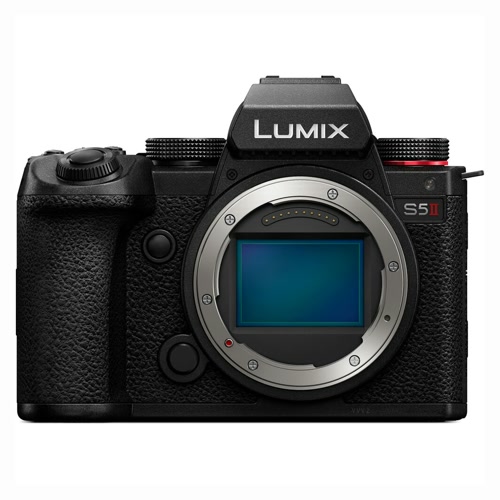
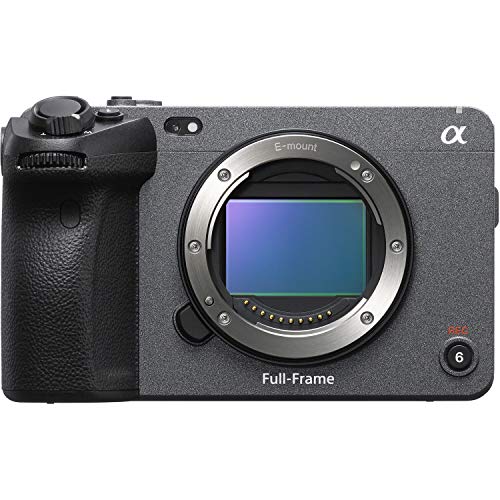
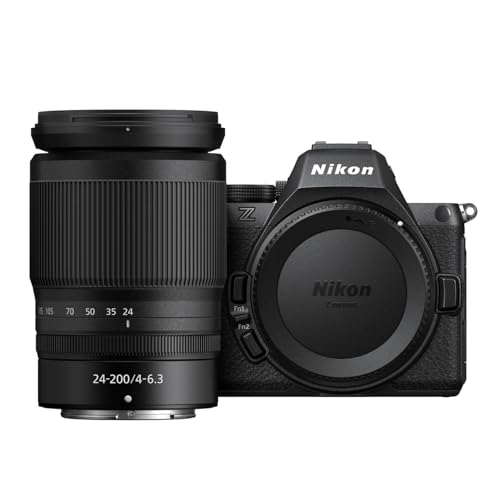
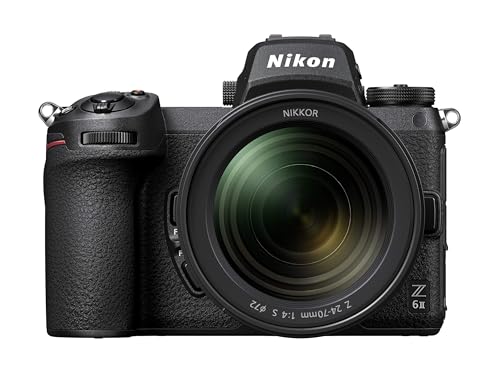
A camera is suitable for portraits when it can focus precisely on the nearest eye, preserve smooth tonal transitions, and work with lenses that provide the desired perspective and background separation. Resolution around 20–45 MP is ample for most portraits, provided the lens and focus accuracy support it.
Look for dependable face and eye tracking, RAW files, highlight warnings, useful flash or tethering support, and controls that allow aperture and exposure compensation to change without interrupting the session. A tilting screen helps waist-level or high-angle composition.
The lens and working distance shape the portrait more than the brand name. A 50–85 mm-equivalent lens suits general portraits, while 85–135 mm flatters tighter headshots; wider 28–40 mm lenses include more environment but require careful distance to avoid perspective exaggeration.
How important is autofocus on a camera for portraits?
Autofocus is very important for portraits because shallow depth of field can make the eyelashes sharp while the iris is soft. Eye detection should recognize the intended subject, remain stable near the frame edge, and work with glasses, profiles, and dim light.
For posed studio work, single AF or magnified manual focus can be sufficient. Events, children, and environmental portraits benefit more from continuous eye tracking and a lens motor that moves quickly without hunting.
Check performance at the lens maximum aperture and the intended shooting distance. Focus calibration can matter on DSLRs, while mirrorless on-sensor focusing generally avoids front- and back-focus errors.
What lens options are best for portraits?
The best lens options for portraits are as follows:
- 50 mm-equivalent prime: A versatile and affordable choice for half-body and environmental portraits. Fast f/1.4–1.8 versions work in low light but require careful distance for close faces.
- 85 mm-equivalent prime: A classic head-and-shoulders lens with flattering perspective and strong subject separation. It offers useful working distance without becoming excessively large.
- 105–135 mm prime: Ideal for tight headshots, compressed backgrounds, and studio work. The longer distance can be restrictive indoors.
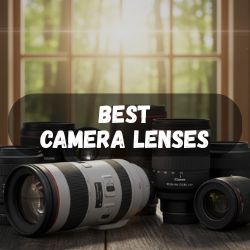
- 70–200 mm f/2.8 zoom: A flexible professional event and portrait lens covering multiple framings without changing position. It is heavy and expensive but focuses quickly and isolates subjects well.
- 24–70 mm f/2.8 zoom: Useful for groups, weddings, and environmental portraits where space changes quickly. The wide end needs careful positioning near faces.
- Macro portrait lens: A 90–105 mm macro can handle beauty details and conventional portraits. Its extreme sharpness may reveal more skin texture than desired, and autofocus can be slower.