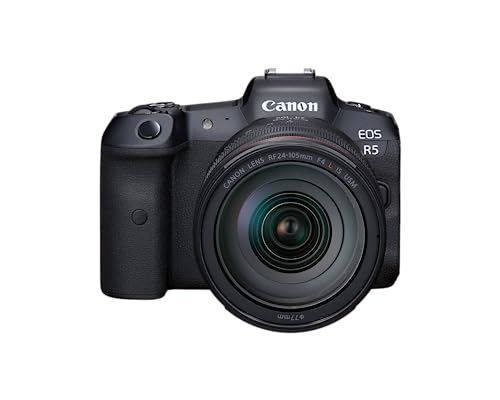
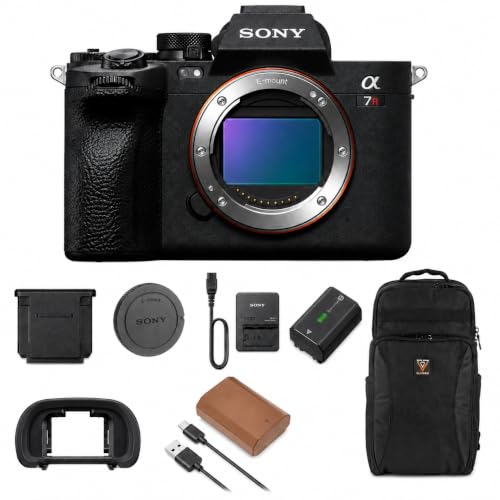
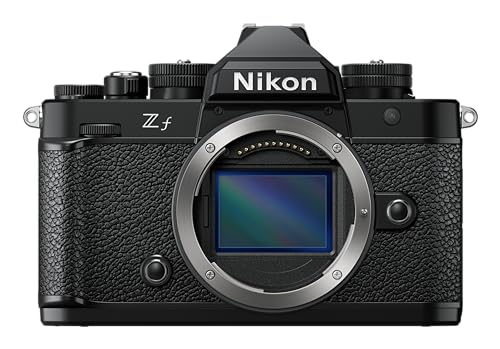
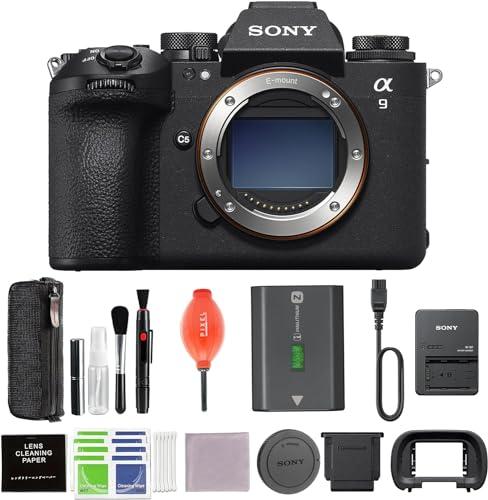
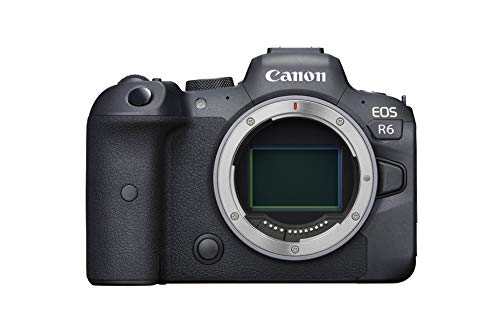
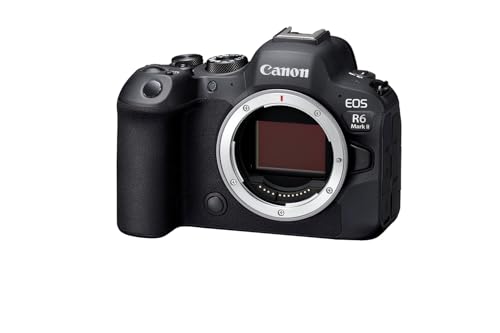
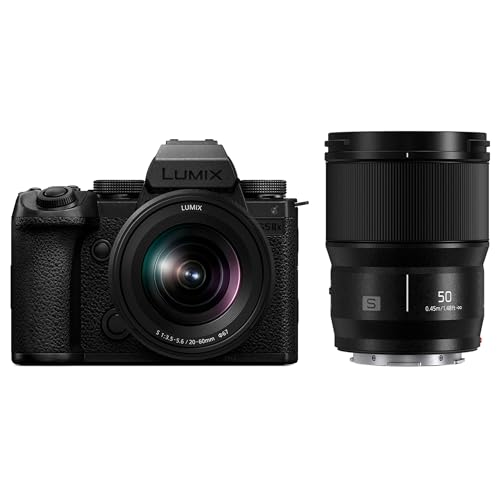
A camera is suitable for landscape photography when it records fine detail, retains broad highlight and shadow information, supports RAW files, and works reliably with the lenses and support equipment needed in the field. Resolution around 24–33 MP is enough for strong prints and stitched panoramas, while 40–60 MP provides more room for very large output and cropping when focus, lens quality, and stability are precise.
Sensor size influences lens choice, depth of field, dynamic range, and the weight of the complete system. Full frame is a common high-quality balance, medium format can provide exceptional tonal detail at higher cost and slower handling, and APS-C or Micro Four Thirds can reduce carried weight while still producing excellent results through careful exposure, stitching, and sharp lenses. Larger pixels can help per-pixel quality, but sensor generation and processing also matter.
Practical field features include sensor-shift stabilization, a clear electronic level, focus magnification, exposure bracketing, interval shooting, weather-resistant controls, and enough battery capacity for cold mornings and long exposures. A tilting screen helps with low tripod positions, while a reliable remote or self-timer limits vibration. The best body should remain balanced with the intended wide zoom, telephoto lens, filters, tripod, spare batteries, and protective gear.
How important is resolution on a camera for landscape photography?
Resolution is important for landscape photography when the goal is a large print, a substantial crop, or fine distant detail, but it only helps when the lens, focus, shutter technique, and atmosphere preserve that detail. A well-exposed 24 MP file is sufficient for high-quality prints and web use, while 40–60 MP offers more flexibility for wall-sized output and precise cropping.
Higher pixel density makes camera movement, focus error, lens softness, haze, and diffraction more visible. On many high-resolution full-frame cameras, f/5.6–f/8 gives a strong balance of sharpness and depth of field; f/11 may be necessary for depth, but very small apertures such as f/16–f/22 increasingly soften fine detail through diffraction. Focus stacking can extend depth of field without relying entirely on the smallest aperture.
Technique determines whether extra megapixels survive. Use a stable tripod when shutter speed is vulnerable, disable stabilization if the camera or lens behaves poorly on a locked tripod, employ a two-second timer or remote, and allow wind-driven foliage to guide shutter choice. Electronic first-curtain or a suitable electronic shutter can reduce vibration, though moving subjects and artificial light may expose rolling-shutter or banding limits.
Panorama stitching can produce more detail than a single high-resolution frame and can work well with a 24–33 MP body. It requires consistent exposure, overlap, and a scene without problematic movement, while large files demand more card capacity, storage, memory, and processing time. Resolution should therefore match the print size and workflow rather than serving as the sole measure of landscape quality.
How important is dynamic range on a camera for landscape photography?
Dynamic range is highly important for landscape photography because bright skies, reflective water, snow, and deep foreground shade often appear in the same scene. A sensor with strong base-ISO latitude preserves more highlight color and allows shadow recovery with less noise, banding, and color shift.
RAW capture is essential when the light range approaches the sensor limit. Expose far enough to the right to use the available tonal information without clipping important highlights, and judge the histogram or highlight warning rather than relying only on screen brightness. Base ISO usually provides the broadest range, although some dual-gain sensors improve shadow quality after a specific higher-ISO point.
When one exposure cannot contain the scene, bracketed frames can be blended naturally or combined as HDR, provided moving foliage, waves, and clouds do not cause alignment artifacts. Graduated neutral-density filters remain useful when the horizon is reasonably straight, while local masks can balance irregular skylines in processing. Good dynamic range reduces the need for these methods but does not remove the need for careful exposure and realistic editing.